
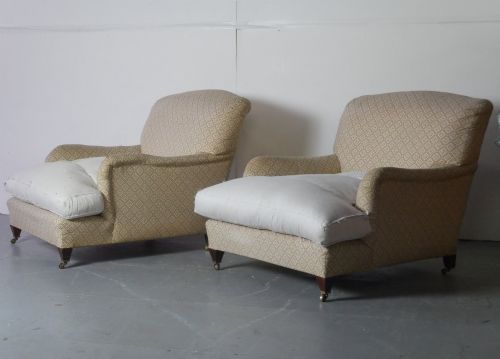
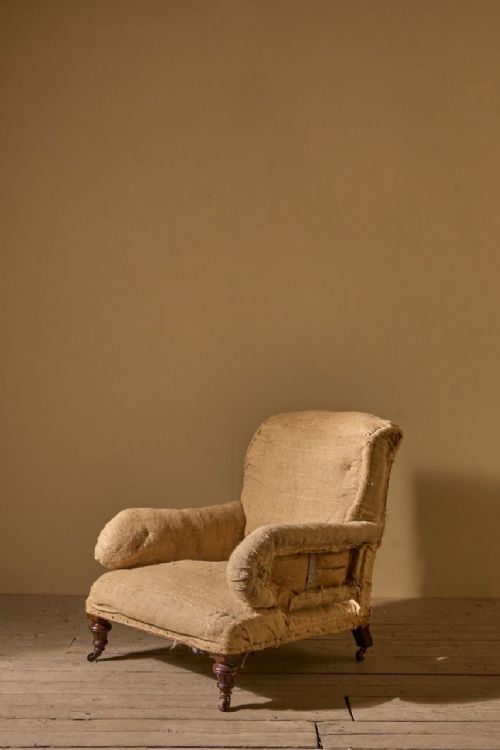
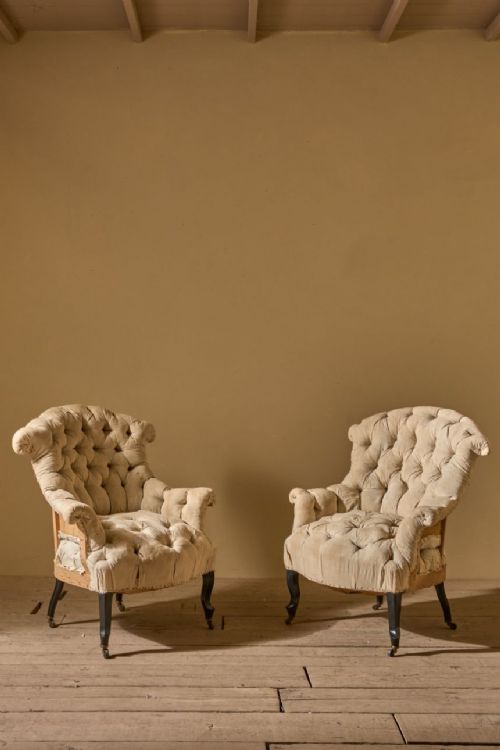
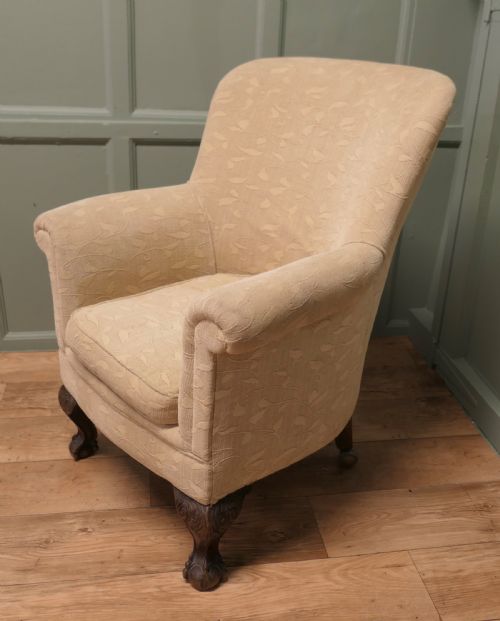


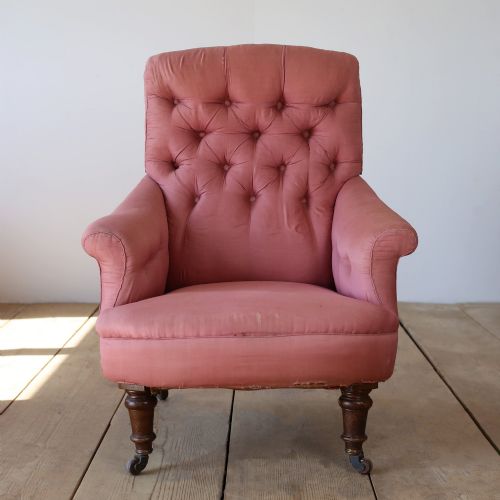
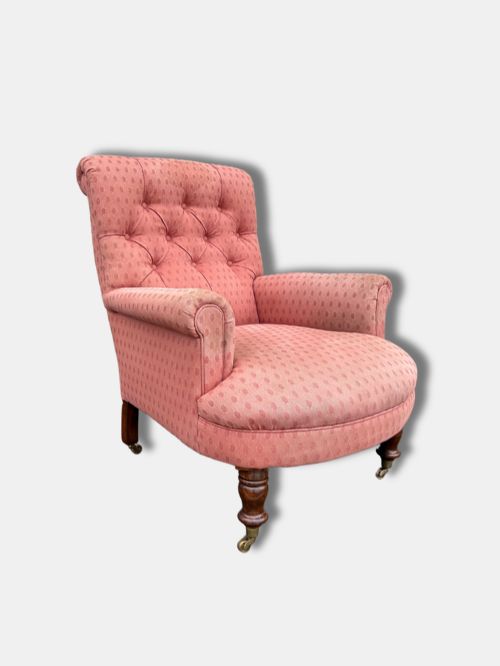
Fireside Lounge Chair
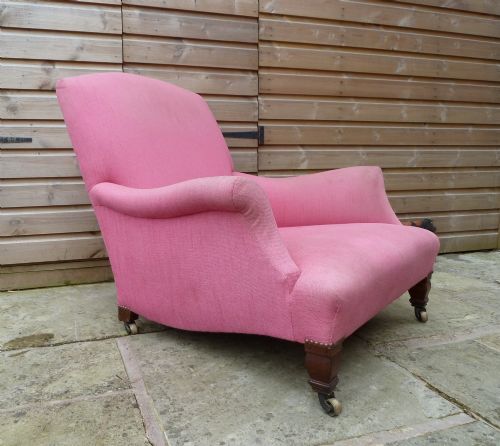
When you want a fireside lounge chair, you are looking for an upholstered seat designed for sitting near the hearth, built across the nineteenth and twentieth centuries in styles from Victorian to Art Deco.
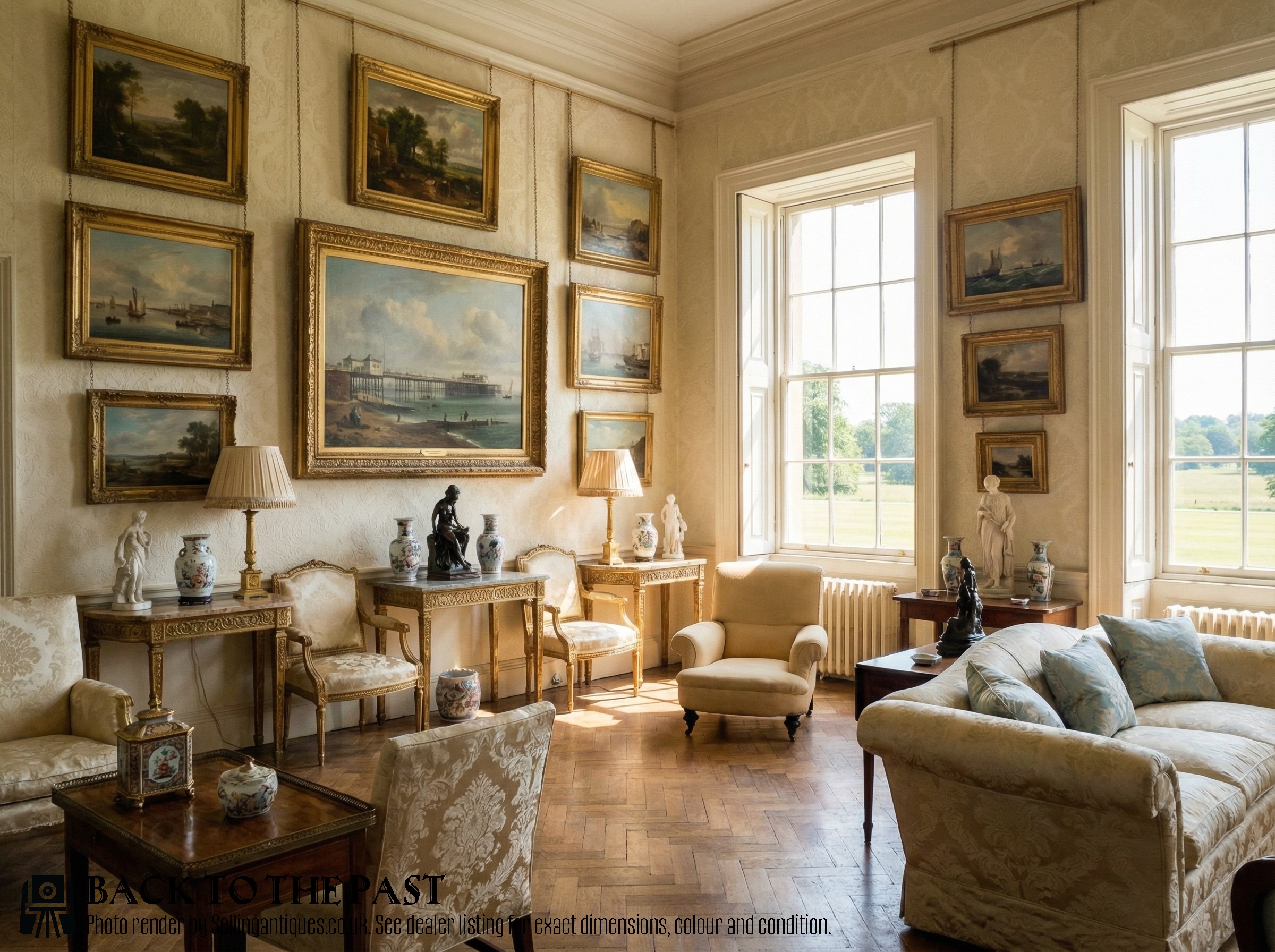
Fireside Lounge Chair
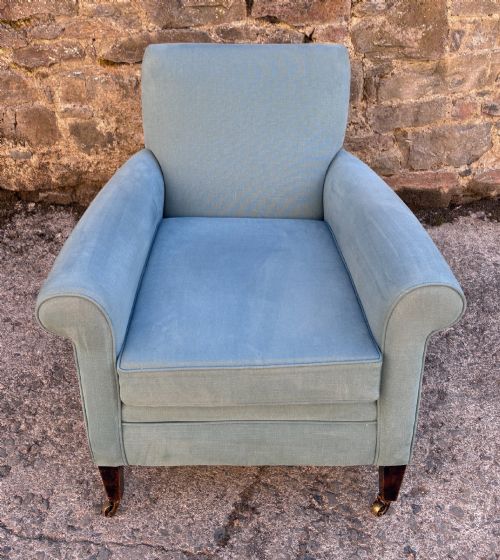
A fireside lounge chair brings together deep seating and supportive frames designed for comfort by the hearth. When exploring this selection, a buyer encounters armchairs, slipper chairs, and accent chairs spanning the nineteenth and twentieth centuries.
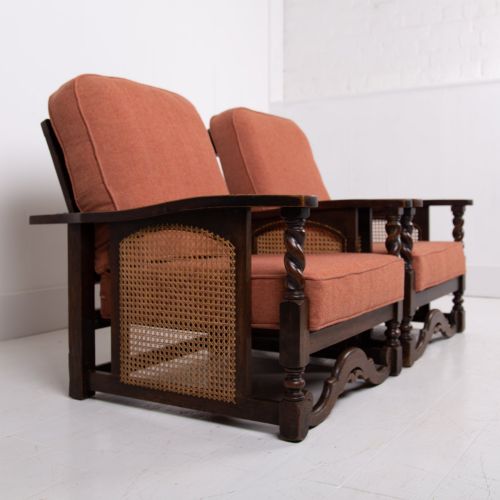
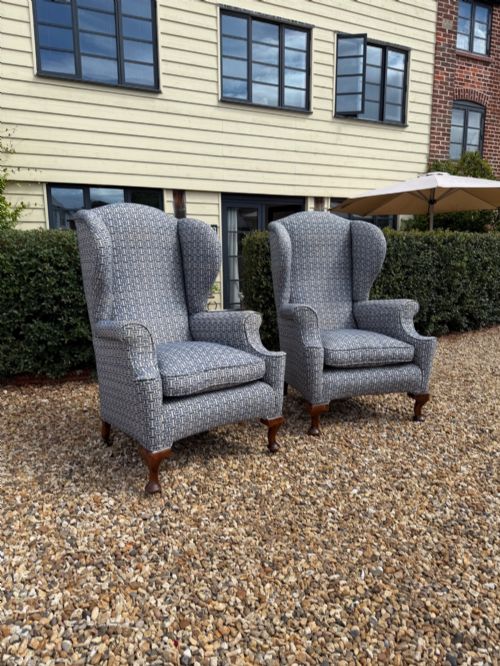
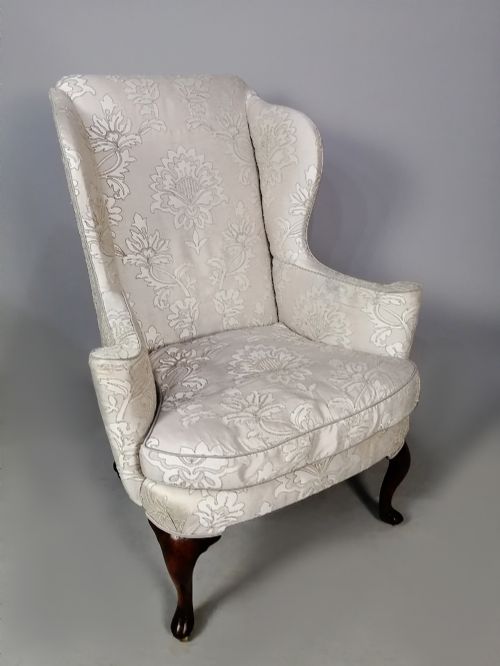
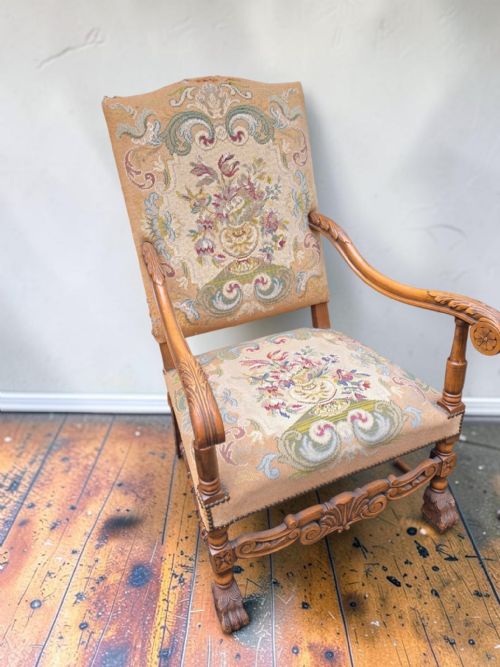
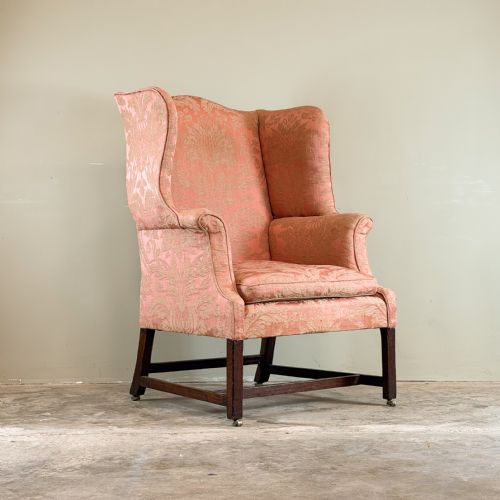
The pieces on this page range from Victorian and Edwardian wingbacks to English Country House armchairs and French Napoleon III designs. Makers and styles such as Howard and Sons, Gillows, and Queen Anne Revival appear frequently in walnut, mahogany, and oak.
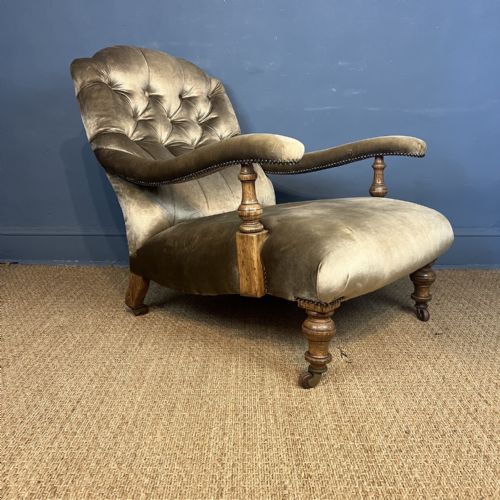
Forms vary from large open armchairs and button-back seats to low bedroom chairs and club chairs. These seats combine sturdy timber frames with textiles like velvet, leather, calico, and tapestry.
How they were made
Frames are constructed from hardwoods such as mahogany, walnut, oak, and general wood, often supported by brass elements. Woodwork ranges from plain turned legs to intricately carved or inlaid mahogany details.
Upholstery relies on traditional stuffing enclosed in fabrics including velvet, leather, calico, tapestry, and plaid. Feather filling provides softness in certain pieces, while button-back techniques secure the interior padding to the frame.
Listings feature periods spanning from the eighteenth century through Victorian, Edwardian, and Art Deco eras.
What varies in quality
The standard of a fireside lounge chair rests on the integrity of its wooden frame and the precision of its upholstery work. Pieces featuring solid walnut or mahogany construction with detailed carving sit higher in the range than simpler pine or mixed-wood structures.
Original covering materials and traditional stuffing methods distinguish finer examples from later recoveries. The balance between proportion, supportive feather filling, and firm button-back tension dictates the overall calibre of each armchair.
Howard and Sons·Gillows·Hampton and Sons·Shoolbred
The Fireside Lounge Chair Glossary
- Wingback
- An armchair with side panels attached to the back, designed to shield the sitter from drafts near a fireplace. This form appears frequently in Victorian and Edwardian examples.
- Bergère
- An enclosed upholstered armchair with wooden framing around the sides and back. These French seats often feature painted wood and refined proportions.
- Button-back
- An upholstery technique where buttons are pulled deep into the padding to create a quilted diamond pattern. This method secures the internal filling and adds visual texture.
- Slipper chair
- A low-seated upholstered chair originally designed for bedrooms. Their compact height makes them suitable for intimate spaces.
- Tapestry
- A heavy, woven textile used historically as an upholstery covering. These fabrics display pictorial or patterned designs on chairs from the nineteenth century.
Fireside Lounge Chair: Frequently Asked Questions
What is a fireside lounge chair?
A fireside lounge chair is an upholstered seat designed for comfort near a fireplace, encompassing wingbacks, club chairs, and open armchairs.
These pieces span the Victorian, Edwardian, and Art Deco periods, utilising timber frames and varied fabric coverings.
How do I identify a Victorian armchair?
Victorian armchairs are identified by dense hardwood frames in walnut or mahogany, often featuring button-backed upholstery and deep seating.
Styles from this era frequently include wingbacks and gentleman's chairs reflecting nineteenth-century craftsmanship.
Where were these chairs used?
These chairs were traditionally placed in drawing rooms, libraries, and bedrooms of English Country Houses and urban residences.
Their sturdy construction and comfortable padding made them primary seating for reading and resting by the hearth.
What materials are used in these chairs?
Frames are built from hardwoods like mahogany, walnut, and oak, occasionally accented with brass fittings and inlaid details.
Upholstery materials include leather, velvet, calico, tapestry, and patterned wool plaid, sometimes filled with feathers.
Are these chairs suitable for modern rooms?
These armchairs integrate into contemporary interiors by providing historical contrast and deep, practical seating.
Their diverse aesthetic ranges from minimalist Edwardian forms to ornate French Napoleon III and Jacobean Revival styles.