
Edwardian Deep Seat Chair
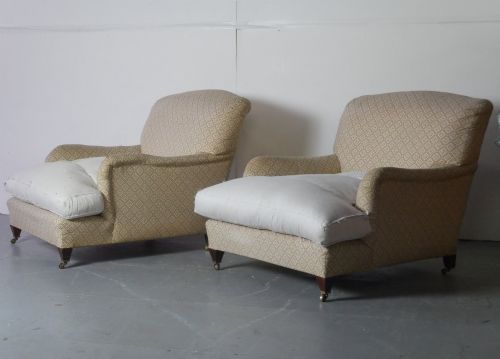
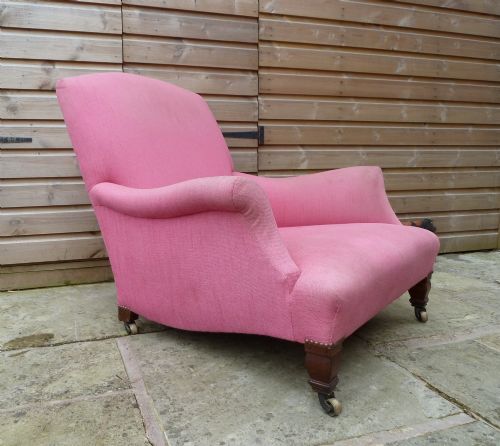
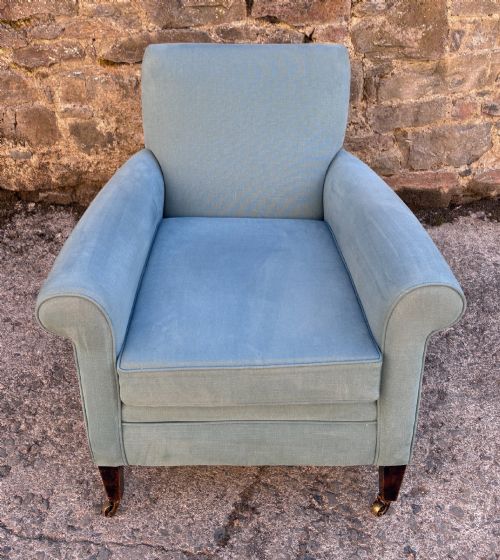
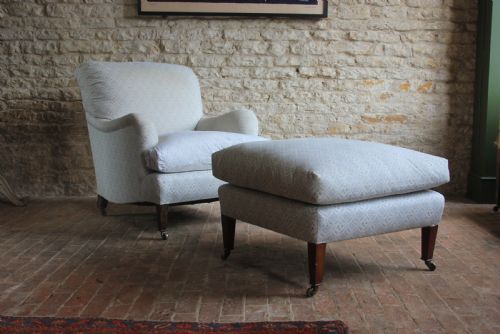
An edwardian deep seat chair offers a low, generous proportion designed for prolonged relaxation in the drawing room or library.
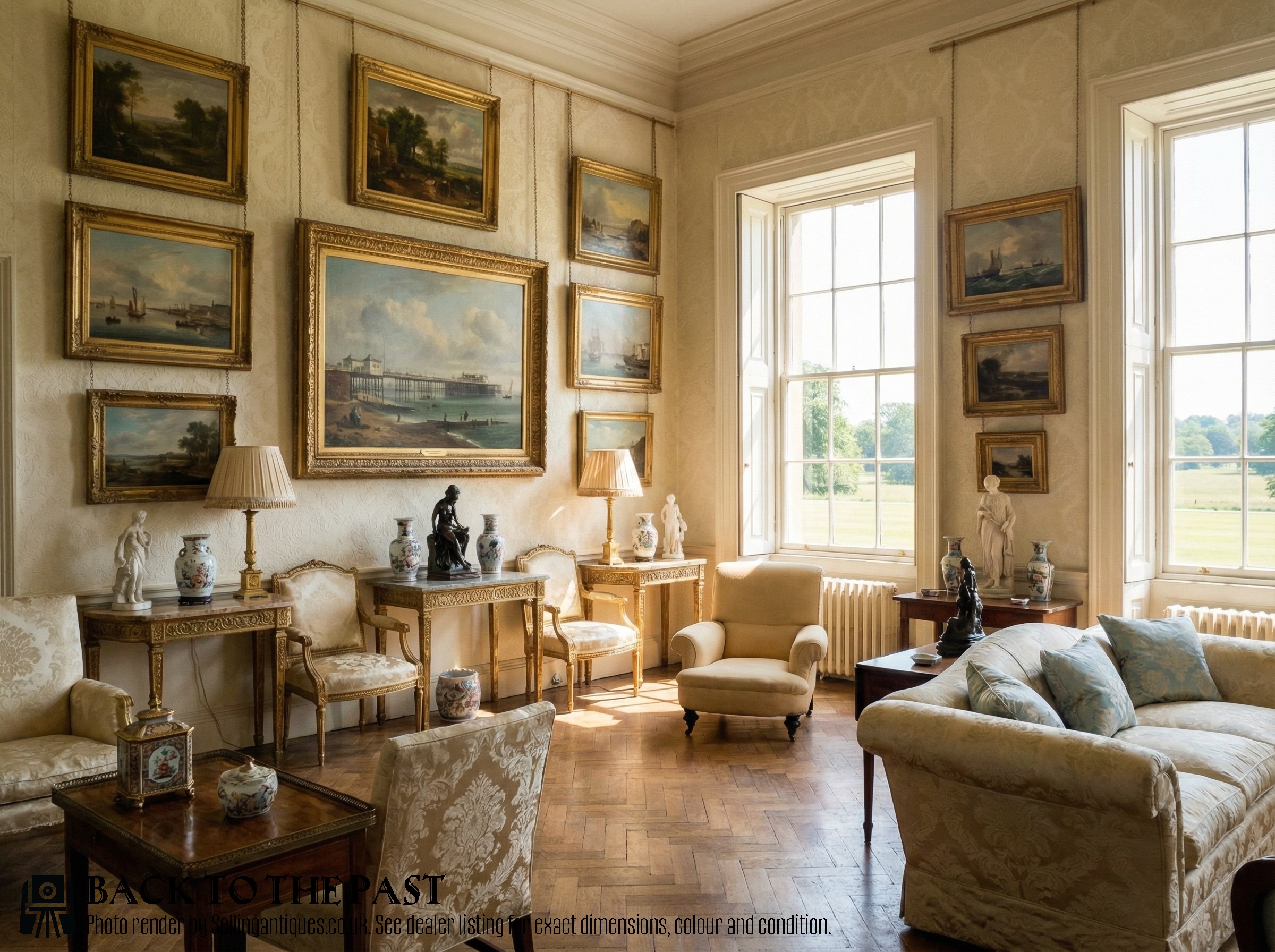
Edwardian Deep Seat Chair
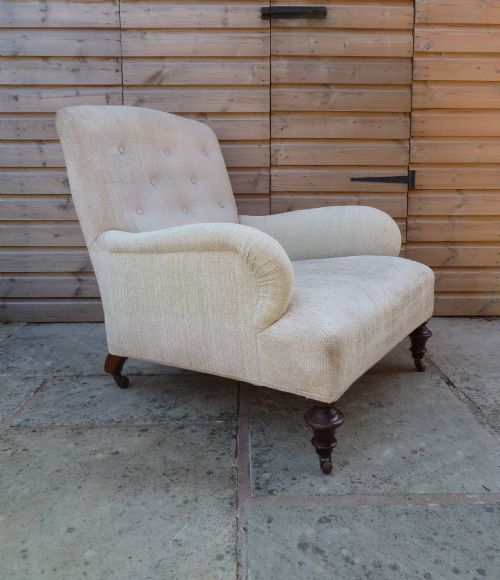
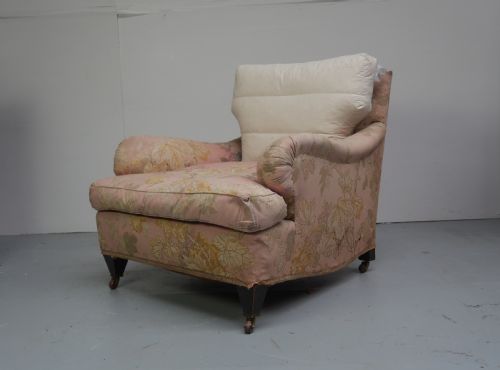
The edwardian deep seat chair is an upholstered form built for comfort, emerging from late nineteenth century domestic design and developing through the Edwardian period. Buyers encounter variations ranging from low club armchairs to large country house seating intended for relaxed lounging.
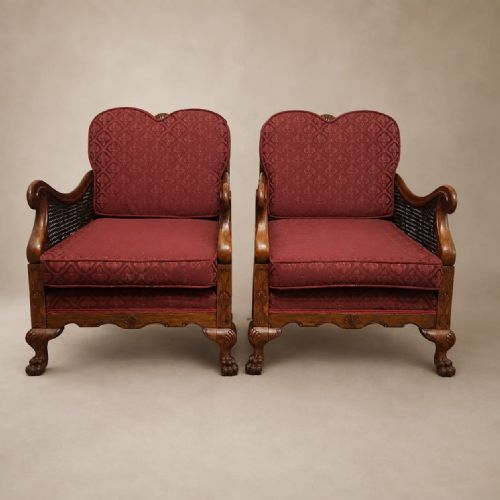
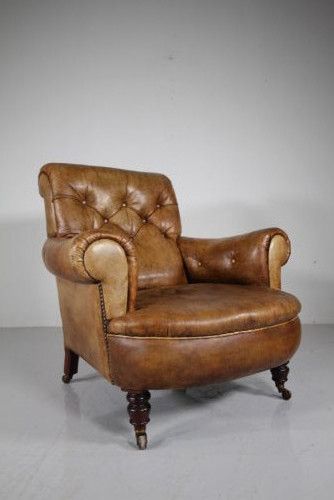
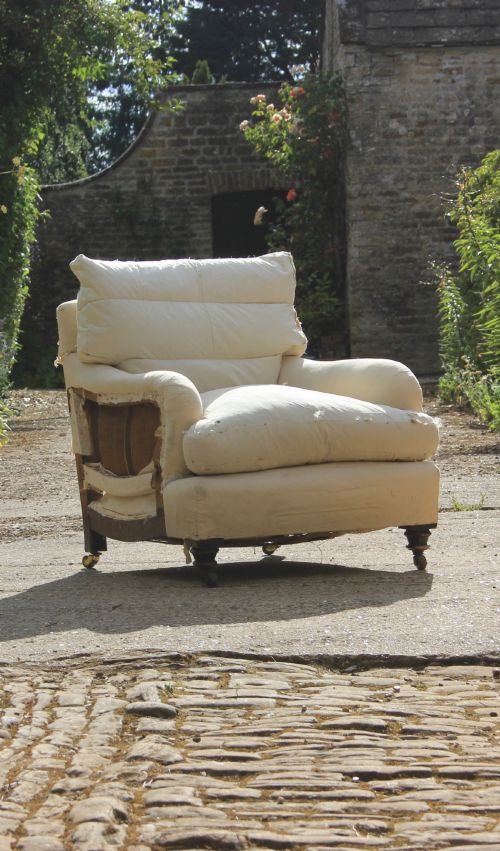
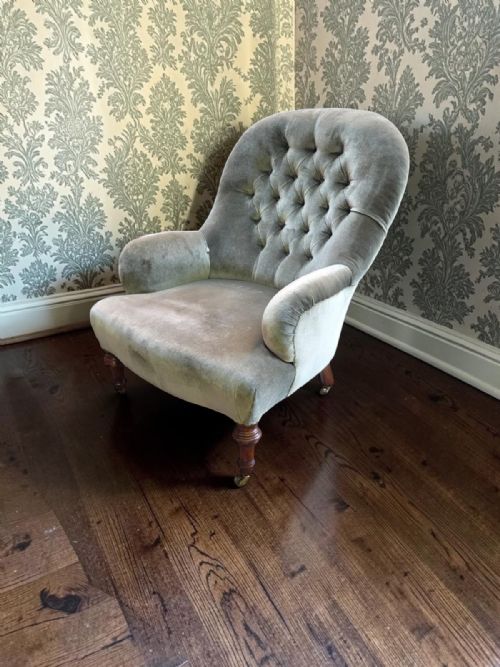
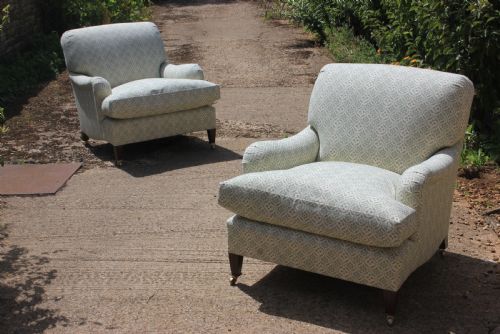
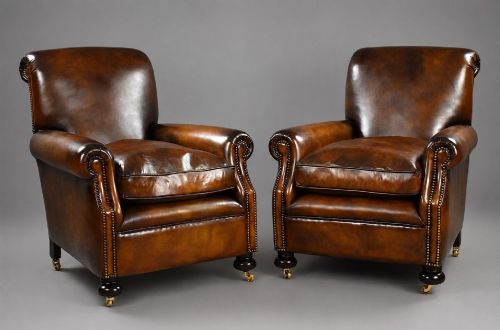
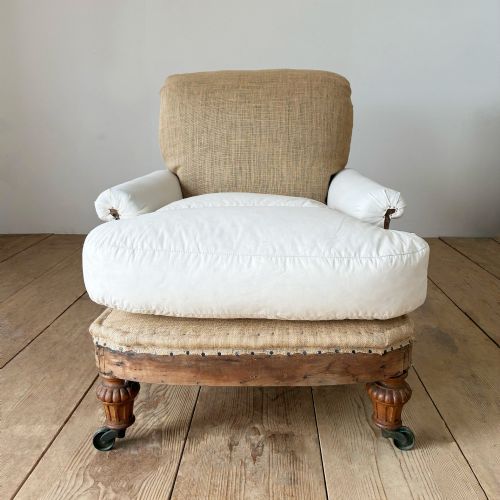
Many examples follow the generous proportions associated with maker styles like Howard and Sons, whilst others take the form of library armchairs, bergere chairs, or low slipper chairs. Walnut and mahogany frames frequently support deep cushioning upholstered in velvet, calico, leather, or hessian.
Materials and Construction
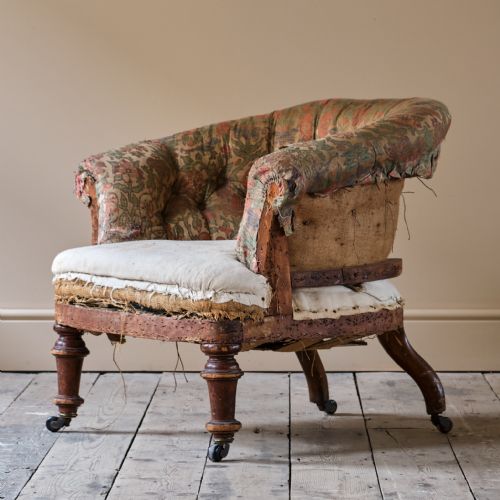
Frames are constructed from hardwoods such as mahogany and walnut, providing a stable internal structure capable of supporting heavy upholstery and frequent use. Traditional joinery methods ensure rigidity in the arms and legs.
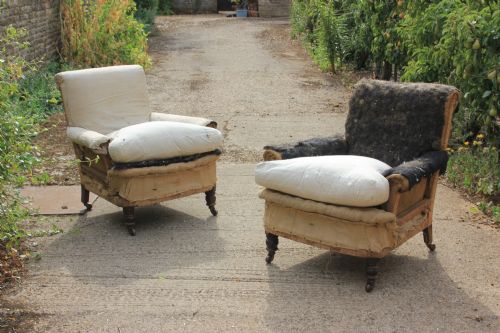
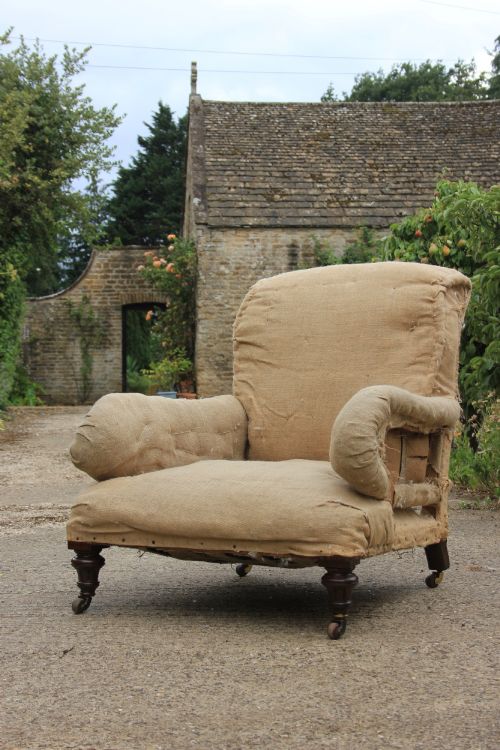
Upholstery techniques utilise supportive springing, horsehair stuffing, and heavy outer coverings of leather, velvet, calico, or hessian. Brass castors are frequently fitted to the feet for manoeuvrability across carpets.
Several chairs arrive with hidden brass castors that make heavy lounge furniture glide across the floor with surprising ease.
Assessing Quality
Quality depends upon the integrity of the internal frame and the survival of original timber components beneath the upholstery. Robust hardwood framing distinguishes sturdier examples from lighter occasional seating.
The grade of materials used in the upholstery build, from the quality of the leather or fabric to the resilience of the supporting springs, marks the difference between standard production and superior craftsmanship.
Howard and Sons·SF Cullen·Gillows·Trollope and Sons·Sopwith
The Edwardian Deep Seat Chair Glossary
- Bergere
- A French style of upholstered armchair with enclosed cane work sides and back panels. It usually incorporates a loose seat cushion.
- Calico
- A plain woven cotton fabric often used as an initial upholstery layer beneath decorative top covers. It provides a clean, neutral base.
- Hessian
- A coarse woven fabric made from jute fibres, traditionally utilised inside upholstery builds to contain stuffing materials.
- Castor
- A small swiveling wheel attached to the base of furniture legs. Brass fittings allow heavy chairs to move easily.
- Button back
- An upholstery method where depressions are formed in the padding by pulling buttons tight through to the frame.
Edwardian Deep Seat Chair: Frequently Asked Questions
What defines an edwardian deep seat chair?
An edwardian deep seat chair is characterised by a low, generous seating area designed primarily for comfort rather than upright posture. These pieces frequently feature sprung upholstery and low wooden legs.
They emerged during the late nineteenth and early twentieth centuries, becoming staples of country house drawing rooms and libraries where relaxation was prioritised.
How do I identify a Howard style chair?
Howard style chairs typically exhibit low rolled arms, deep sprung seats, and short turned wooden legs terminating in brass castors. Many carry maker stamps on the back legs or castors if produced by the original firm.
Copies and inspired pieces mimic these proportions and comfort levels without the original maker attribution.
What fabrics were originally used?
Original upholstery commonly included leather for library and club chairs, alongside velvet, patterned textiles, and ticking or calico for internal layers. Hessian served as the primary foundation material beneath the padding.
Many surviving pieces have undergone re-upholstery in modern fabrics while retaining their historic frames and internal stuffing.
Where should I place these chairs?
These low, deep proportions suit living rooms, studies, and bedrooms where generous seating is required. Their substantial depth means they occupy more floor space than standard occasional chairs.
Pairing them with low tables or footstools reflects their historical use as dedicated lounging furniture.