


Yellow Country Armchair
A yellow country armchair brings warmth and relaxed character to a room, offering comfortable seating shaped by centuries of traditional craftsmanship.
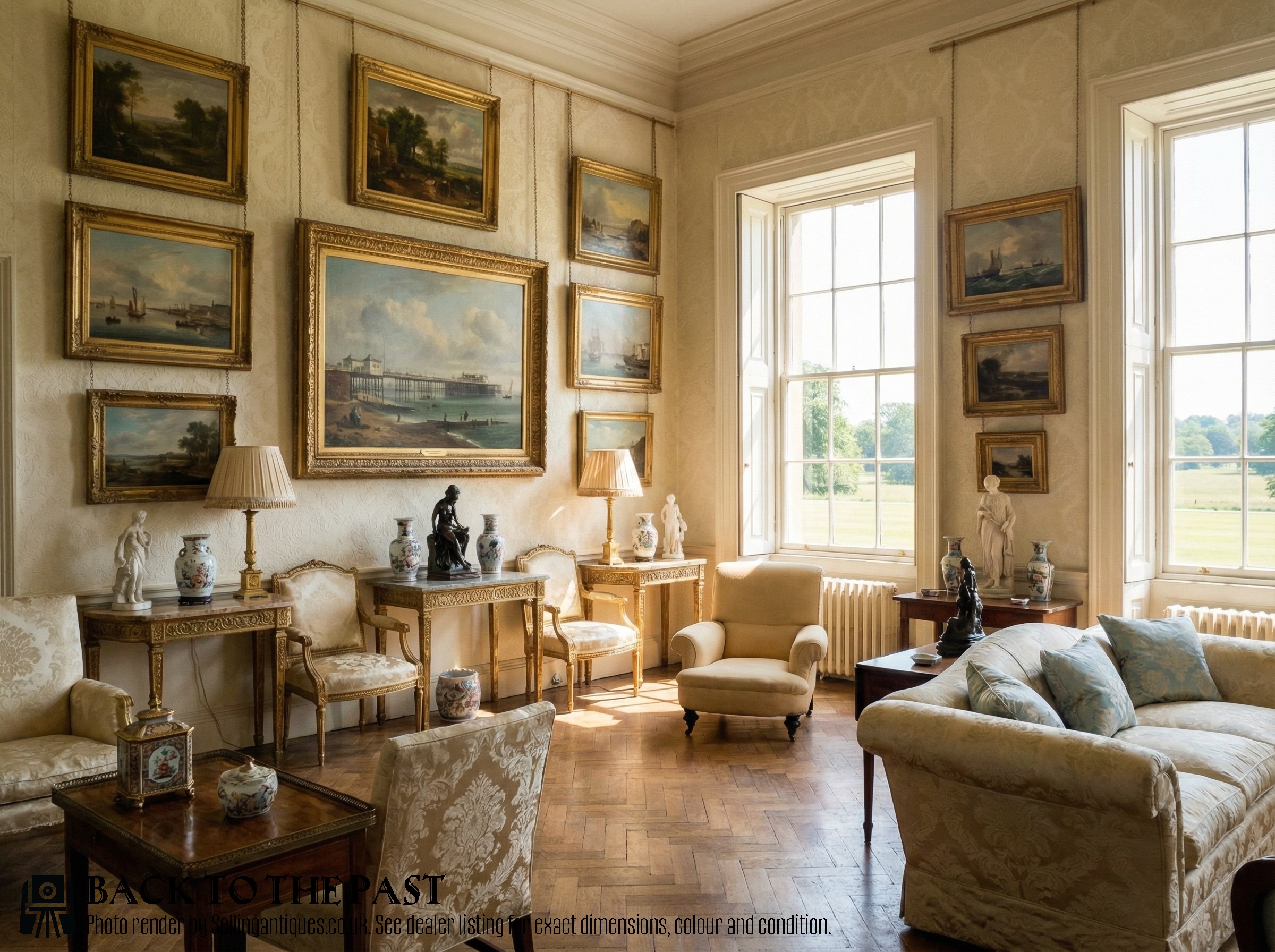
Yellow Country Armchair
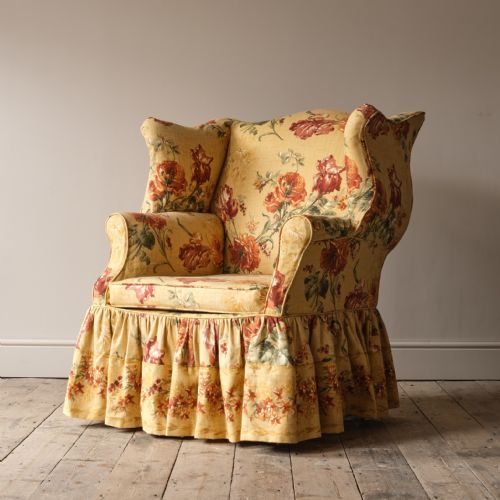
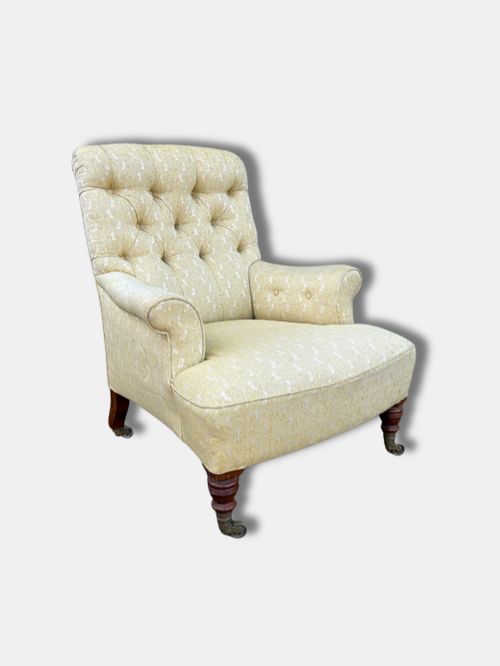
When you search for a yellow country armchair, you encounter robust seating shaped across several periods, stretching from the eighteenth century into the Edwardian era. These pieces combine vernacular practicality with traditional upholstery or solid wood construction.
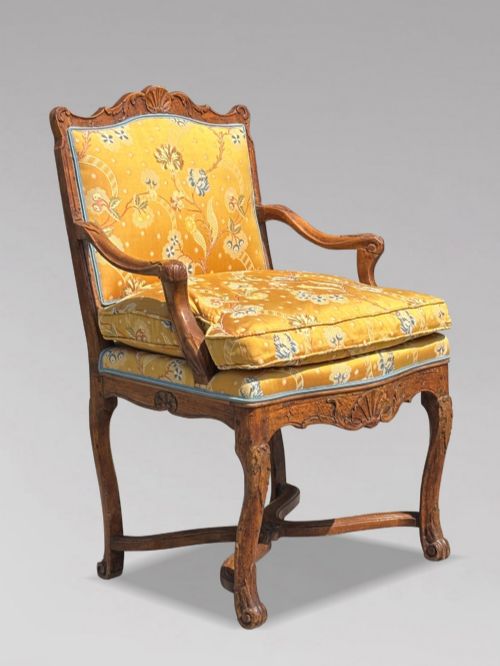
The evidence shows forms ranging from large George III wingbacks and primitive comb backs to French fauteuils, country house deep-seated chairs, and Windsor stick backs. Oak, elm, beech, and walnut form the structural backbone of these diverse seats.
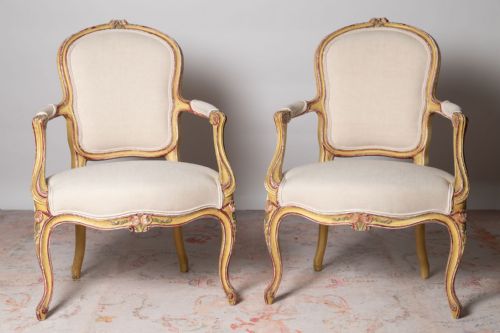
You are most likely to meet nineteenth-century country chairs and painted French open arm designs on this page. They demonstrate how utilitarian seating evolved into decorative furnishings while retaining rustic charm.
How they were made
The makers of these chairs relied heavily on native timbers such as oak, elm, beech, and walnut to build durable frames that could withstand daily use. Turned spindles, curved combs, and robust joinery provided structural integrity without unnecessary complexity.
Upholstered versions utilised fabric and needlepoint panels mounted over padded stuffing, while painted finishes added colour and surface protection. Brass fittings occasionally appeared on higher-end examples to secure castors or decorative elements.
Listings span from the 18th century to 1910, incorporating oak, elm, beech, walnut, mahogany, brass, paint, and fabric.
What varies in quality
The distinction between standard vernacular seating and superior pieces lies in the fluidity of the timber turnings and the crispness of any carved detail. A well-proportioned frame maintains balance across its arms, legs, and backrest.
Upholstery execution and the preservation of original painted surfaces heavily influence the overall character of the chair. Finer examples retain their original structural rigidity and authentic surface patination over the centuries.
Howard and Sons·Hindley & Sons
The Yellow Country Armchair Glossary
- Wingback
- A large armchair with side panels designed to shield the sitter from drafts. These panels extend upward from the arms and merge into the back.
- Comb back
- A Windsor chair variation where the vertical spindles extend through the seat to form a low backrest topped by a horizontal crest rail resembling a comb.
- Fauteuil
- An open-arm armchair originating in France, typically featuring an exposed wooden frame and upholstered seat and back. The armrests usually include padded elbow rests.
- Stick back
- A chair construction method where turned wooden spindles are inserted directly into a solid wooden seat. This method provides lightweight strength.
Yellow Country Armchair: Frequently Asked Questions
How do I date an old country armchair?
Dating relies on examining the joinery methods, timber species, and overall stylistic vernacular. Eighteenth-century examples often display simpler, hand-turned components compared to later nineteenth-century interpretations.
Changes in upholstery techniques and the presence of makers' marks or stamps help narrow down the period of production.
Are these chairs comfortable for daily use?
Many of these pieces were built for functional relaxation, particularly deep-seated country house designs and upholstered armchairs. Their ergonomic proportions accommodate extended periods of sitting.
Wooden stick backs and comb backs offer firmer support, which can be enhanced with loose cushions if desired.
How should I care for painted wooden frames?
Painted surfaces require gentle dusting with a dry, soft cloth to prevent the accumulation of abrasive particles. Avoid commercial cleaning sprays that might strip or soften historic paint.
Keep the chairs away from direct heat sources and strong sunlight to prevent the paint from cracking and the underlying timber from drying out.