
Fireplace Hearth Guard
When you need a fireplace hearth guard, you are looking at period brass, iron and copper barriers that protect rooms from errant embers.
Fireplace Hearth Guard
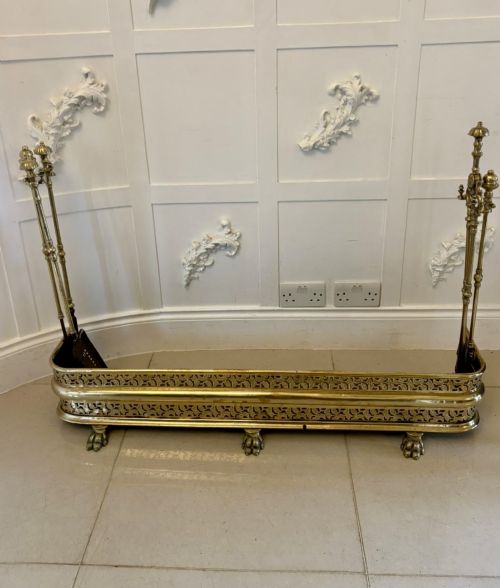
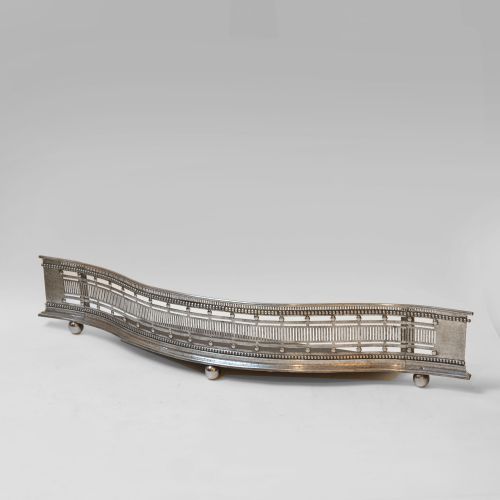
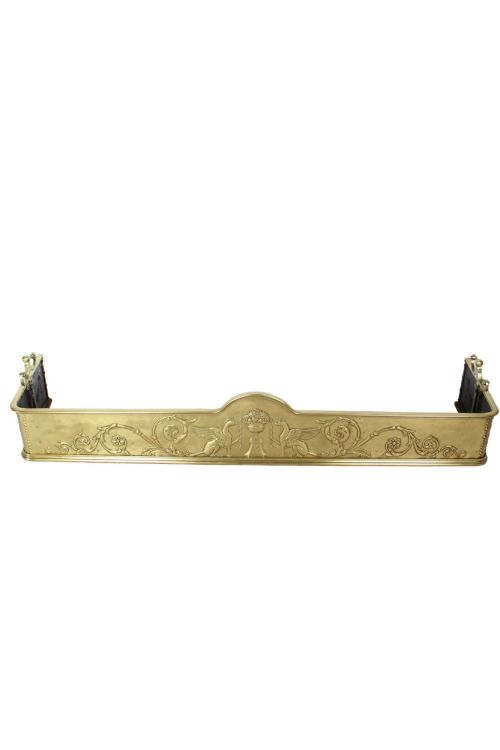
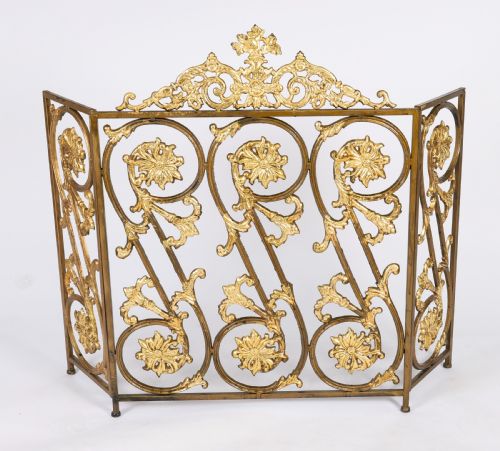
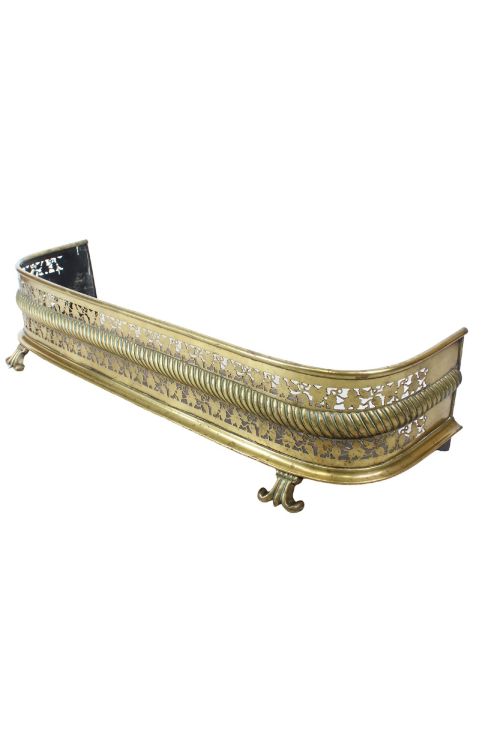
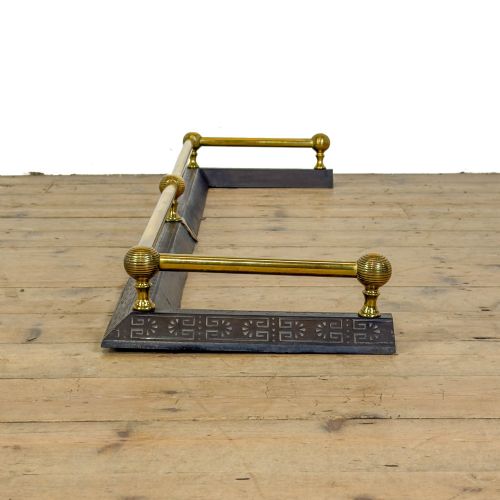
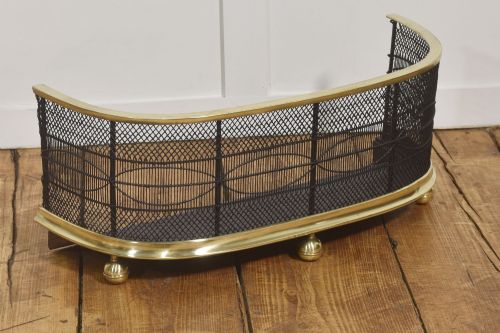
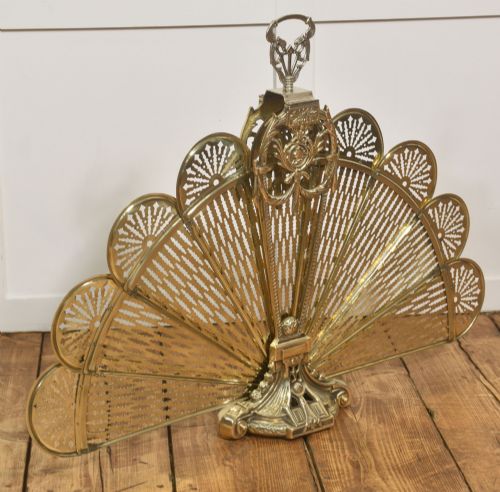
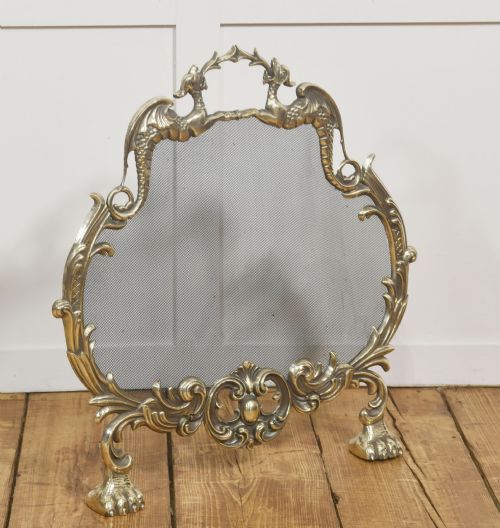
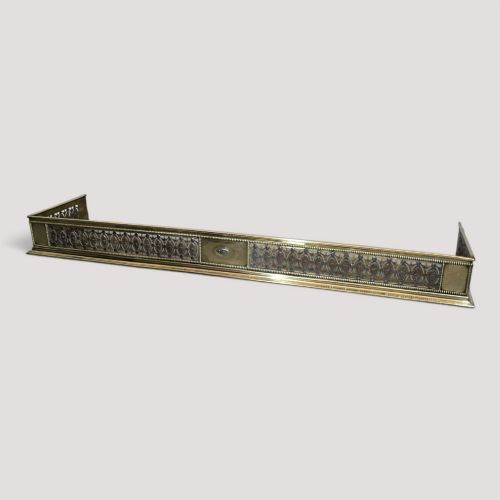
A fireplace hearth guard encompasses a variety of protective metalwork designed to sit before an open fire, spanning low hearth fenders and upright folding screens. The pieces seen on this page date primarily from the Georgian, Victorian and Edwardian eras, reflecting the domestic heating habits of those periods.
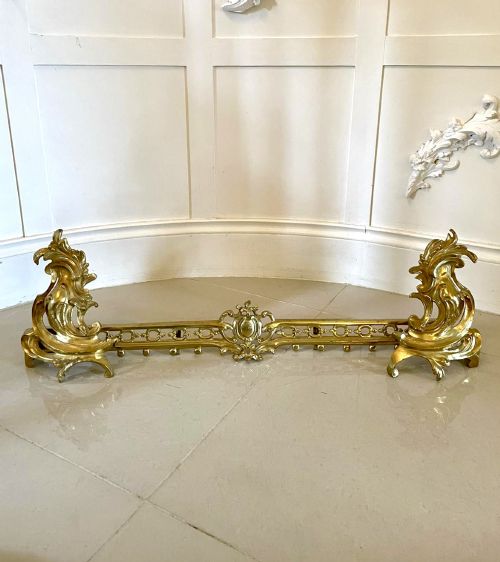
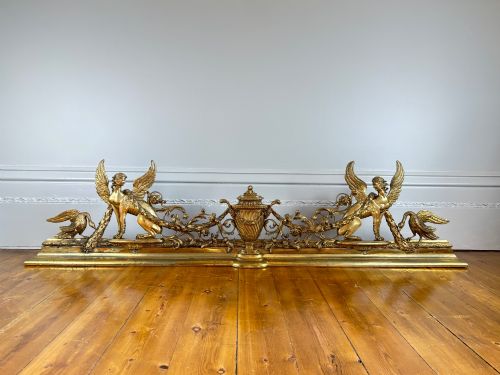
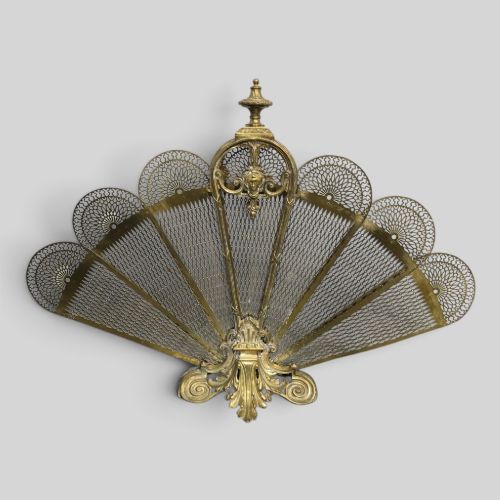
You will encounter extendable brass fenders, cast iron kerbs, and folding wire mesh spark guards alongside decorative standing screens in copper and gilt brass. These objects served the dual purpose of containing hot coals and framing the fireplace hearth as a focal point of the room.
How they were made
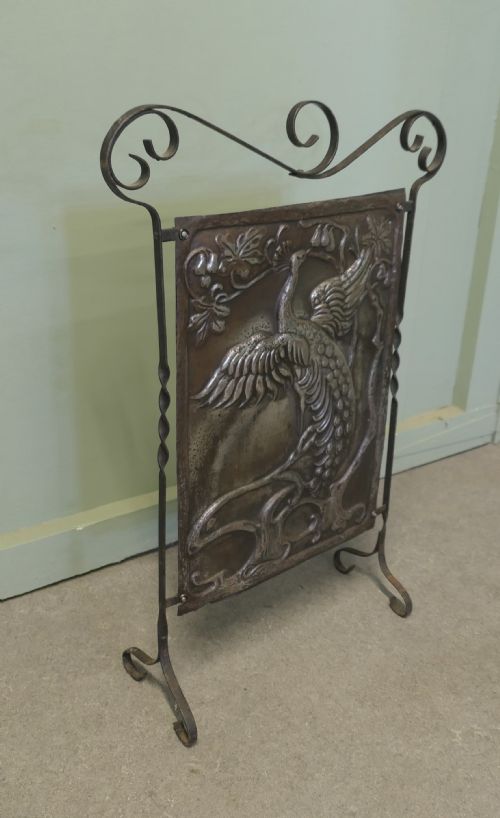
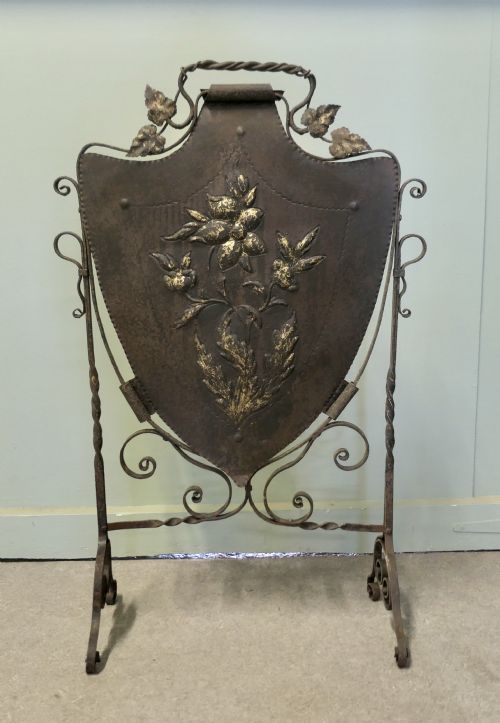
Makers utilised heavy casting, piercing and hand-chasing for brass and bronze components, creating detailed pierced galleries, embossed coats of arms and patera motifs. Wrought iron and steel were forged and riveted, particularly in Arts and Crafts examples, while copper sheets were beaten and patinated.
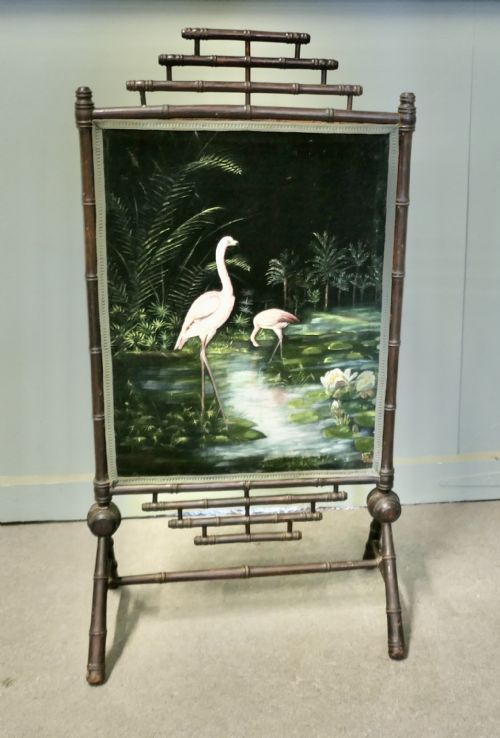
Many standing screens combine a folding metal frame with fine wire mesh, silk panels, or needlepoint embroidery mounted in walnut or lacquer wood. Fenders often incorporate leather upholstery on corner seats or feature adjustable sliding mechanisms for bespoke hearth dimensions.
Fireplace Hearth Guard Retail Price Guide 2026
Typical asking prices for fireplace hearth guard among the pieces listed under this phrase on Sellingantiques today, from the lower quarter to the upper quarter. They describe what is for sale here now, not the wider market.
Listings feature works spanning the 17th through the early 20th centuries, executed in brass, iron, copper, steel and leather.
What varies in quality
Quality rests in the substance of the metal and the crispness of the hand-finishing, distinguishing heavy cast brass and deep relief work from thin, pressed sheet metal. Superior pieces display finely chased ornamentation, substantial gauge iron, and intact original fire irons or leather pads.
The integrity of the construction dictates longevity, particularly in adjustable fenders and folding screens where hinges, rivets and mesh must withstand regular thermal expansion and physical movement.
E F Caldwell New York
The Fireplace Hearth Guard Glossary
- Fender
- A low metal guard placed around the hearth to keep burning coals from rolling onto the floor. They often include slots for fire irons or sit on the stone surround.
- Club Fender
- A low hearth fender featuring upholstered leather seats along the top edges. They originated to provide comfortable seating close to the fire.
- Fire Screen
- An upright panel placed in front of an empty fireplace during warmer months or used to block radiant heat. Folding varieties often expand to cover the hearth opening.
- Patera
- A circular ornamental motif resembling a classical libation dish, frequently cast in brass or bronze. It appears frequently on Victorian and Georgian metalwork.
- Spark Guard
- A fine wire mesh screen designed to catch flying embers from an active fire. They range from single rigid panels to multi-fold configurations.
Fireplace Hearth Guard: Frequently Asked Questions
What is the difference between a fender and a screen?
A fender is a low barrier that sits directly on the hearth around the base of the fireplace to contain ash and coals.
In contrast, a screen is an upright barrier placed vertically to block intense heat or conceal the empty grate when a fire is not burning.
How do I choose the correct size fender?
You must measure the width and depth of your stone hearth precisely to ensure the metal kerb fits the perimeter correctly.
Many period examples feature adjustable sliding mechanisms that allow the width to expand or contract to suit specific fireplace dimensions.
Were club fenders used for seating?
Club fenders incorporate padded leather top rails specifically designed to function as low seats close to the hearth.
This traditional English design allowed occupants to sit directly by the fire while keeping their feet elevated above floor drafts.
How do I care for antique brass and copper?
Historic metalwork benefits from gentle dusting and occasional cleaning with a non-abrasive cloth to preserve the aged patina.
Avoid harsh chemical polishes that strip the surface character built up over centuries of exposure to coal smoke and household air.