


Fireplace Grate and Dogs
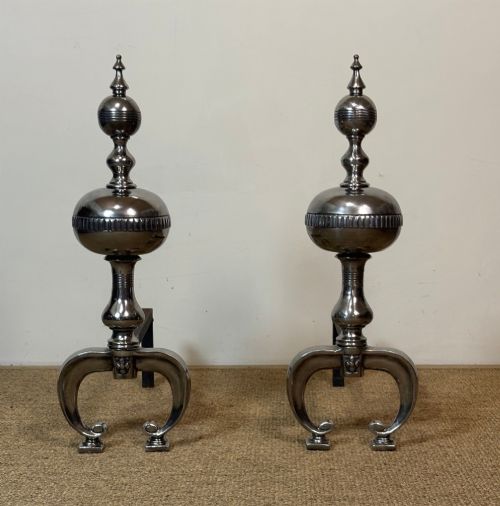
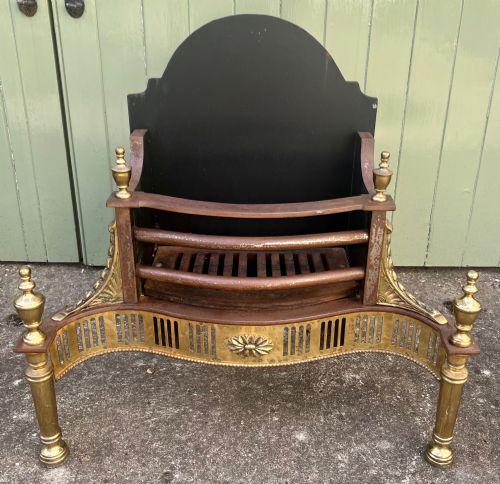
Fireplace grate and dogs provide the complete hearth furniture needed to suspend fuel and support logs.
Fireplace Grate and Dogs
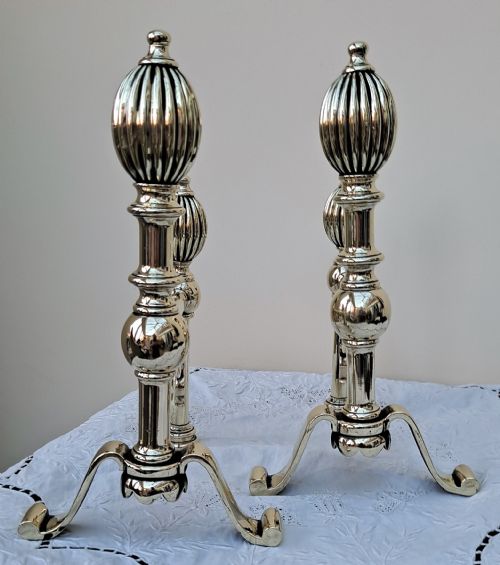
A fireplace grate and dogs set combines a basket for holding solid fuel with a pair of matching fire dogs, or andirons, placed at either side. These hearth combinations appear in periods ranging from the Georgian era through the Victorian and Edwardian decades up to the nineteen thirties.
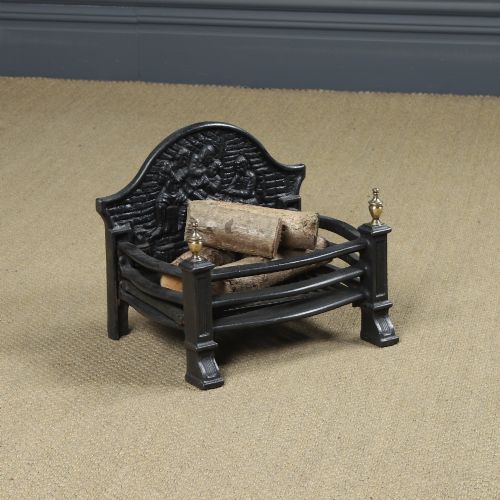
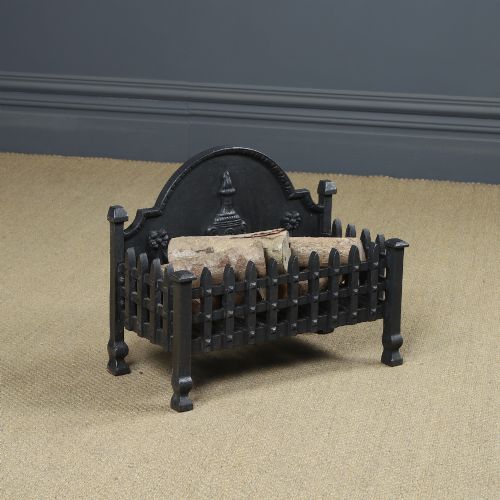
The configurations on this page include simple iron fire baskets alongside complex fireplace sets that incorporate fenders and cast fire backs. English designs dominate the selection, frequently displaying styles such as Neo Gothic, Neoclassical, and Adam.
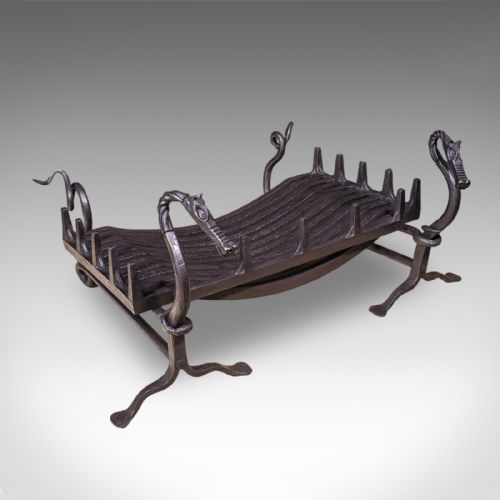
Buyers will encounter both small proportioned grates intended for modest rooms and very large heavy iron inglenook sets designed for expansive open hearths. Brass and cast iron variants often appear paired together within single decorative suites.
What varies in quality
Material combination and metal thickness dictate the substance of each set, where solid brass fittings and heavy cast iron outweigh lighter tubular alternatives. Superior examples exhibit crispness in the cast decorative motifs and substantial weight across every component.
Design cohesion separates standard hearth furniture from finer architectural pieces, particularly where brass elements integrate seamlessly with cast iron frames in specific revival styles. The presence of matching sets comprising both dogs and a fitted basket indicates higher original manufacture.
Dragon motifs occasionally peer out from the hearth, proving that mythical beasts made surprisingly good company beside Victorian coal fires.
The Fireplace Grate and Dogs Glossary
- Andirons
- Supports placed on the hearth to hold logs, often matching the accompanying fire grate. They protect the fireplace masonry and improve airflow beneath the fuel.
- Fire Basket
- A metal container designed to hold coal or wood off the hearth floor. These baskets often feature integrated or separate fire backs for heat reflection.
- Chenet
- The French term for an andiron or fire dog. These pieces frequently incorporate decorative bronze or ormolu mounts.
- Fire Back
- A heavy cast iron plate placed at the rear of a fireplace to protect the wall and reflect heat forward into the room.
- Fender
- A low metal guard placed in front of the hearth to contain sparks and ash. They coordinate with the brass or iron finish of the main grate.
Fireplace Grate and Dogs: Frequently Asked Questions
What is the difference between dogs and a grate?
Fire dogs support logs horizontally across the hearth and often stand independently at either side of the fireplace opening. A grate provides an enclosed basket structure specifically designed to contain burning coal or wood.
Many antique suites combine both elements so the basket rests upon or between the paired andirons.
How do I choose the right size?
Measure the width, depth, and height of your internal fireplace opening carefully before selecting a set. Heavy large grates require deep inglenook spaces, whereas small proportioned iron grates suit standard room hearths.
Leave adequate clearance around the dogs and basket for proper ventilation and safety.
Are brass and iron pieces original together?
Many period fireplace sets pair cast iron fire baskets with bright brass andirons or decorative mounts. Makers frequently combined these contrasting metals during the Georgian and Victorian eras for decorative contrast.
Examine the mounting points and wear patterns to confirm the suite shares a common origin.
How do I care for cast iron?
Keep cast iron surfaces dry and apply traditional grate polish or blacking sparingly to maintain the dark finish. Avoid using harsh chemical cleaners that can strip the protective metal surface.
Regularly brush out ash from the basket to prevent moisture retention and subsequent corrosion.