



Vintage Iron Fireplace Grate
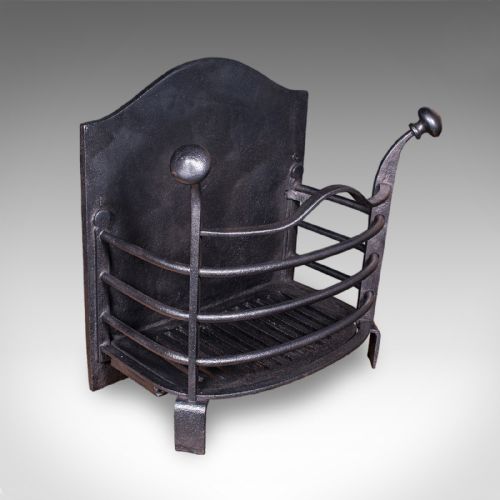
A vintage iron fireplace grate anchors a room with industrial weight and hearthside utility, built to hold burning logs safely within the chimney.
Vintage Iron Fireplace Grate
When searching for a vintage iron fireplace grate, collectors look at heavy metal hearth furnishings designed to contain solid fuel fires. These pieces originate from periods spanning the Georgian era through the nineteen-thirties, reflecting centuries of domestic heating design.
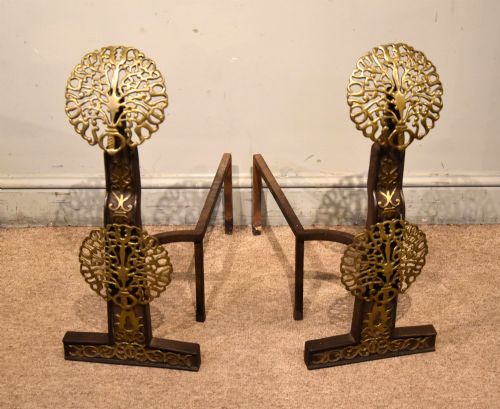
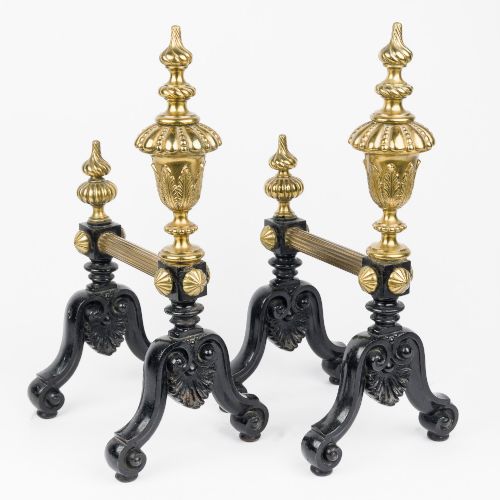
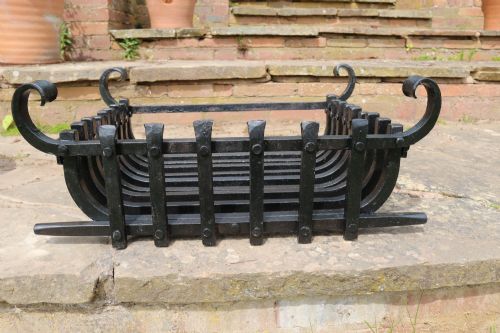
The selections available here range from simple cast iron open grates to ornate fire baskets paired with andirons. You will frequently encounter styles drawing on Gothic revival, Adam classical motifs, and Arts and Crafts simplicity.
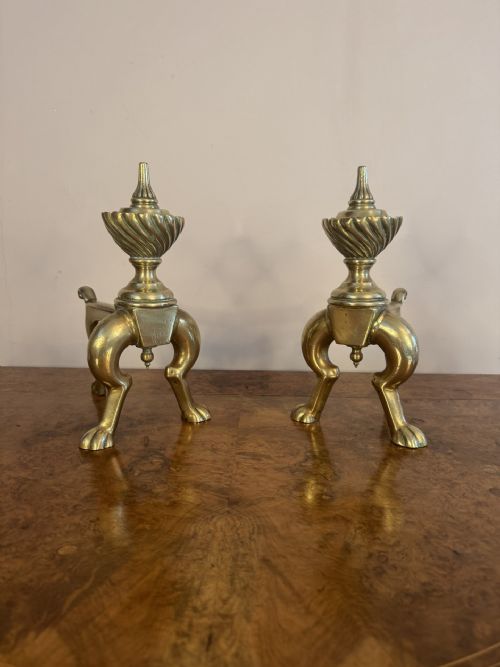
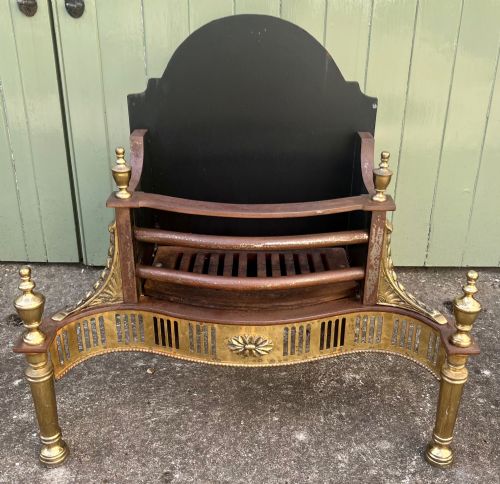
Many examples incorporate brass or steel elements alongside the main iron structure, creating functional hearth furniture. Forms extend to include dedicated fire baskets, footmen, and complete fireplace sets with integrated firebacks.
Materials and construction methods
The construction of these pieces relies heavily on cast iron for bodies and firebacks, chosen for its ability to withstand intense heat. Wrought iron appears in hand-forged baskets, while steel and brass provide structural reinforcement and decorative contrast.
Foundries cast molten iron into intricate patterns ranging from neo-Gothic tracery to Adam style urns and swags. Smiths hammered wrought iron bars into medieval and Arts and Crafts forms, joining components with rivets and traditional fixings.
Vintage Iron Fireplace Grate Retail Price Guide 2026
Typical asking prices for vintage iron fireplace grate among the pieces listed under this phrase on Sellingantiques today, from the lower quarter to the upper quarter. They describe what is for sale here now, not the wider market.
Listings span the Georgian, Regency, Victorian, and Edwardian periods, alongside specific dates from eighteen-fifty to nineteen-thirty.
Assessing quality and craftsmanship
Quality in these hearth furnishings is judged by the weight and thickness of the metal casting rather than mere surface decoration. Finer pieces display crisp definition in moulded details like dragon motifs or classical urns, whereas lesser examples show softer, blurred edges from worn moulds.
The integrity of the construction determines longevity, particularly how securely bars and fire baskets handle thermal expansion. Superior examples integrate brass details and firebrick linings that complement the primary iron framework with tight, stable joints.
The Vintage Iron Fireplace Grate Glossary
- Cast iron
- Iron poured into a mould while molten to create rigid forms with detailed patterns. It forms the heavy structural body of most fire baskets and grates.
- Wrought iron
- Iron heated and hammered into shape by hand, showing subtle surface texture from the smith's tools. It is typically found in linear Arts and Crafts baskets.
- Andirons
- Horizontal metal supports placed in a hearth to hold logs above the floor of the fireplace. They often accompany a central fire grate.
- Fireback
- A heavy iron plate placed at the back of a fireplace to protect the masonry and reflect heat into the room. Some configurations include grates attached directly to this plate.
- Footman
- A metal stand used in front of the hearth for keeping food warm. These accessories share the same iron and steel construction techniques as the grates.
Vintage Iron Fireplace Grate: Frequently Asked Questions
How do I choose the right size?
Measure the interior width, depth, and height of your fireplace opening carefully before selecting any hearth furniture. Allow adequate clearance around the sides and back for proper ventilation and safe containment of heat.
Take into account whether the piece is freestanding or designed to fit into a specific structural surround. The listings include various dimensions, from small neo-Gothic grates to large complete fireplace sets.
Can I burn real wood?
Most of these pieces are built from heavy cast or wrought iron designed specifically for solid fuel fires. They accommodate traditional logs and coal safely within domestic hearths.
Check for integrated firebrick linings or solid metal thickness that protect the main structure from thermal shock. Proper maintenance keeps the metal sound through regular burning seasons.
How do I clean cast iron?
Remove ash and soot accumulation regularly using a soft brush to prevent moisture retention and subsequent rust formation. Avoid harsh chemical cleaners that strip the historic finish from the metal surface.
Apply a light coating of grate polish or specialised oil periodically to maintain a deep dark sheen. Gentle maintenance preserves the original patina developed over decades of use.
What is Adam style?
Adam style draws inspiration from classical antiquity, featuring symmetrical urns, swags, and delicate geometric detailing. This aesthetic emerged during the eighteenth century and influenced designs well into the Victorian era.
In hearth equipment, this translates to brass highlights and refined cast iron proportions. Pieces in this style offer a lighter visual presence compared to heavy Gothic alternatives.