



Fine Woven Rug
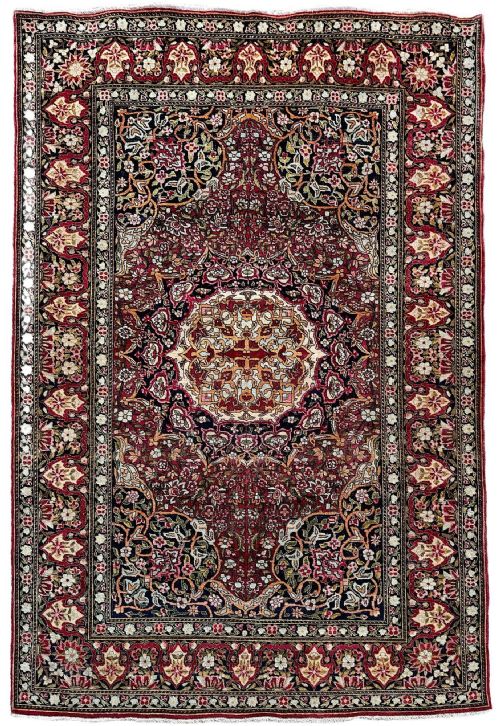
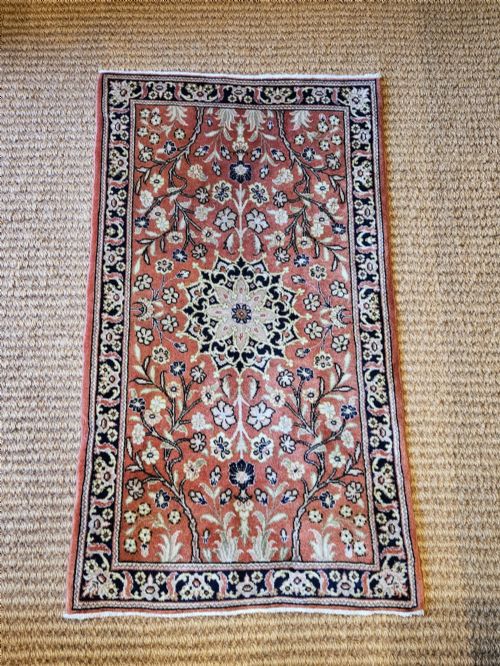
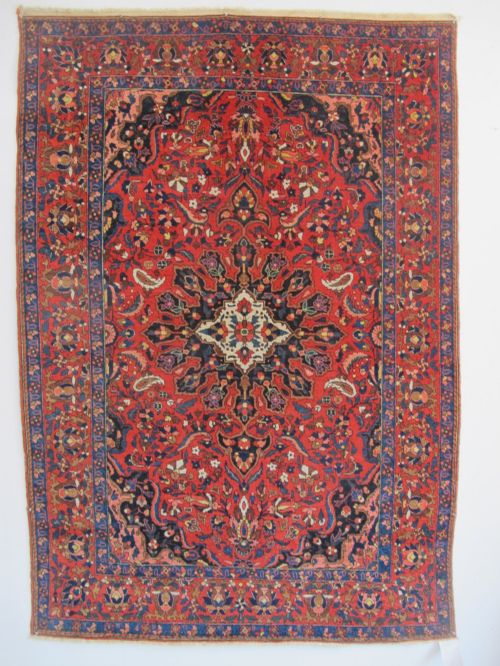
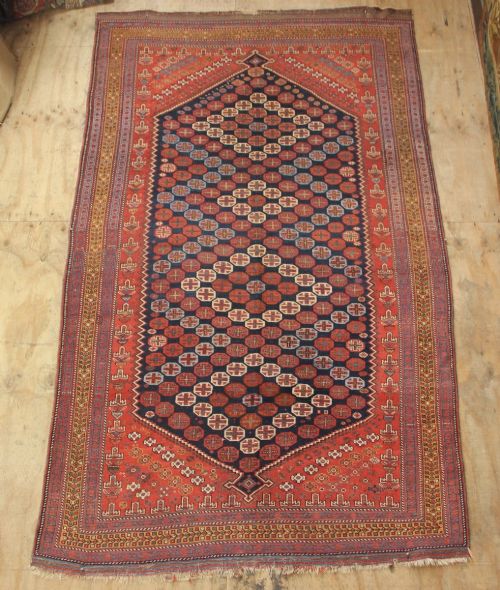
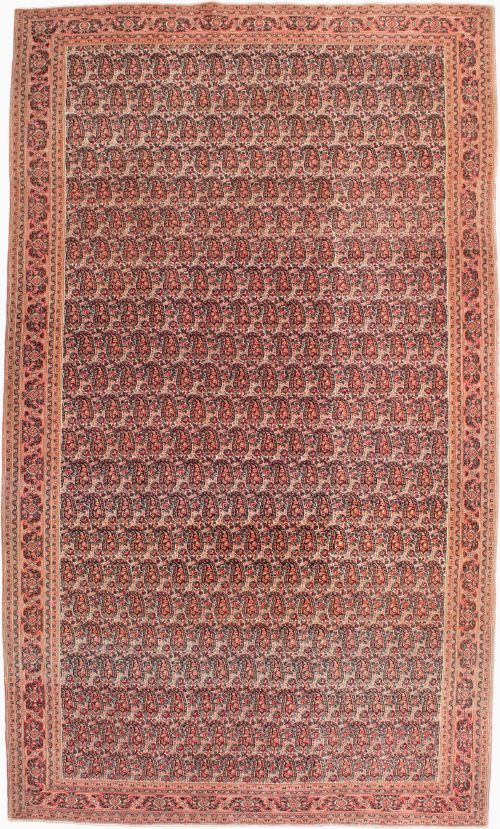
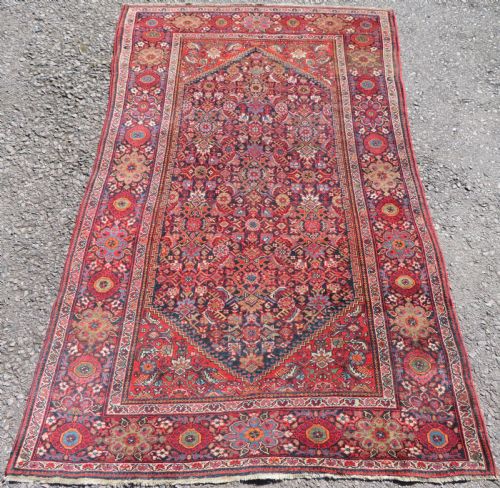
When you search for a fine woven rug, you are looking at tightly knotted carpets and flatweaves crafted across Persia, the Caucasus, and Central Asia during the nineteenth and early twentieth centuries.
Fine Woven Rug
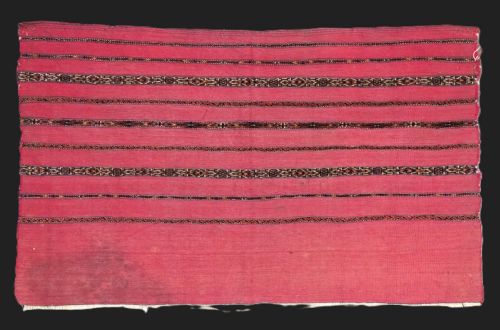
A fine woven rug encompasses both large floor carpets and smaller tribal items such as torba faces, chuval storage bags, and saddlebag fragments originating from traditional weaving centres.
The selections available here range from Persian city examples like Isfahan, Tabriz, and Qum to Caucasian pieces from Kuba and Shirvan, alongside nomadic Turkmen and Uzbek productions.
Buyers encounter both room-sized carpets and hearth-sized formats, each demonstrating dense knotting or flatweave techniques characteristic of regional workshops and nomadic tribes.
Materials and Construction
The pieces rely primarily on wool, lambswool, and cotton foundations, with occasional silk highlights utilised in urban workshop carpets to achieve intricate detail.
Weavers employed natural dyes to colour the yarns, yielding deep tones and subtle variations that mature gracefully over decades of use.
Knot density and precise hand-weaving techniques dictate the structural integrity of each textile, whether executed on nomadic vertical looms or town workshop frames.
Many nomadic bag faces spent their youth holding kitchen salt before ending up on collector walls.
Assessing Quality
Knot count per square unit dictates the clarity of the design motif, separating ordinary commercial output from exceptional examples of fine weaving.
The choice of materials influences the handle and durability, with supple lambswool and lustrous silk commanding greater regard than coarser utility wools.
Balance in regional design symmetry and the richness of the natural dye palette separate standard tribal items from masterwork dowry pieces.
The Fine Woven Rug Glossary
- Chuval
- A large storage bag face produced by Turkmen nomads, often featuring guls and dense knotting. These textile fragments are frequently framed and displayed as wall art.
- Kilim
- A flatwoven textile produced without a pile, created by tightly interweaving warp and weft threads. They often feature bold geometric bands and tribal motifs.
- Guls
- Octagonal medallion motifs repeated across Turkmen carpets and tribal bag faces. Each specific tribal group utilises distinct variations to denote lineage.
- Seneh
- A town in western Persia known for delicate Herati patterns and fine weave structures. Carpets from this origin typically feature diamond-shaped lattice fields.
Fine Woven Rug: Frequently Asked Questions
How do I clean an antique rug?
Gentle surface brushing and professional specialist washing help preserve the natural wool fibres and dyes.
Avoid harsh chemical treatments or immersion washing unless handled by an experienced conservator.
Can I use these rugs on the floor?
Many room-sized carpets and runners withstand everyday foot traffic when paired with a breathable underlay.
Smaller bag faces and fragile silk pieces are better suited to low-traffic zones or wall display.
How do I identify regional origins?
Border motifs, colour palettes, and structural knot types provide clear indicators of where a textile was made.
Persian city pieces feature curvilinear florals, whereas Caucasian and Turkmen examples favour geometric guls.