

Fine Art Female Portrait
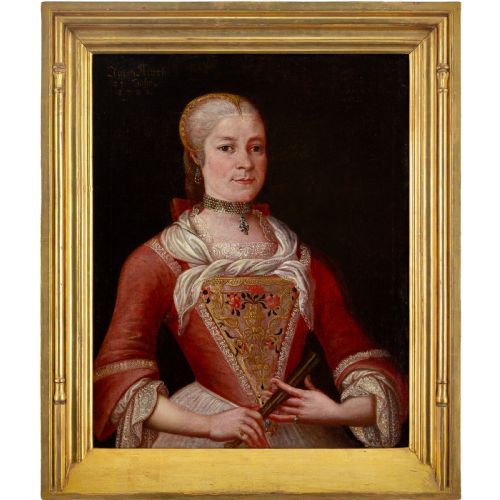
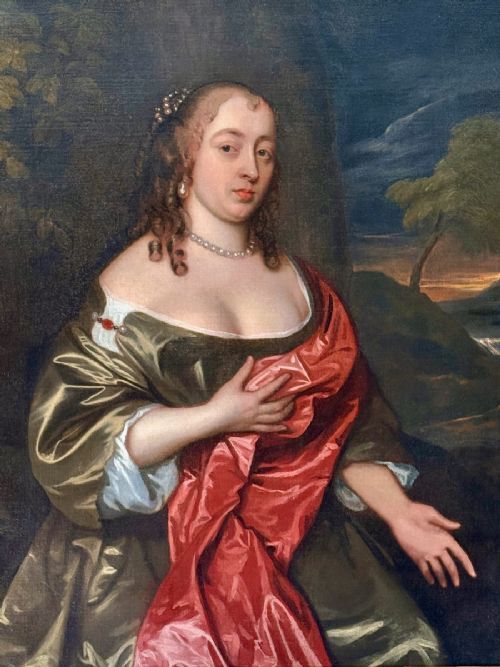
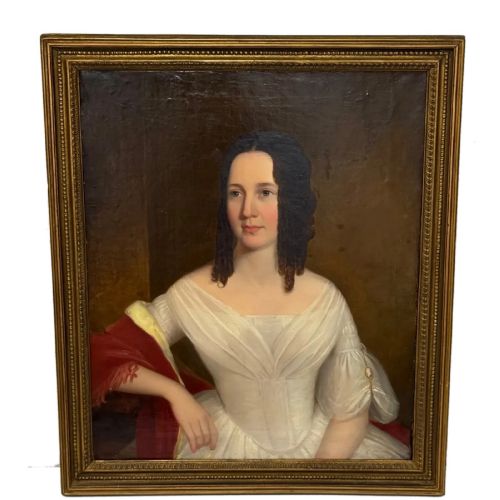
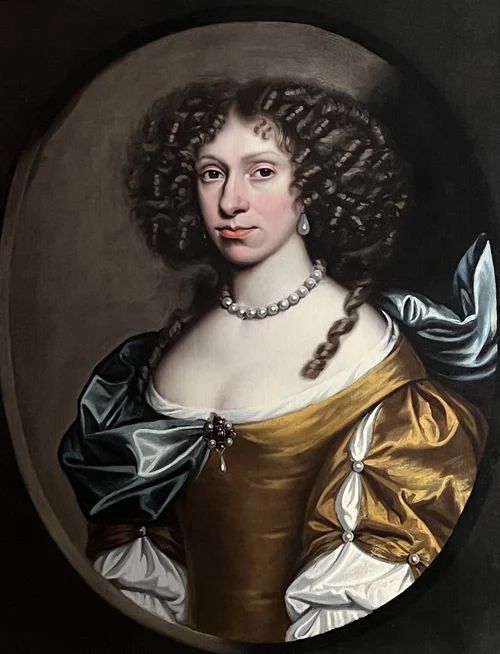
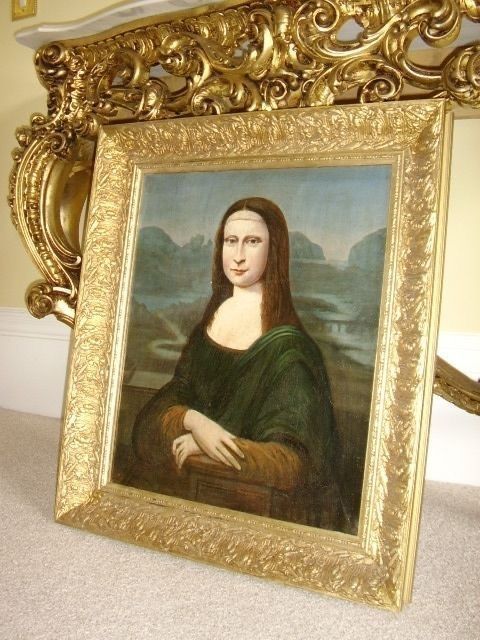
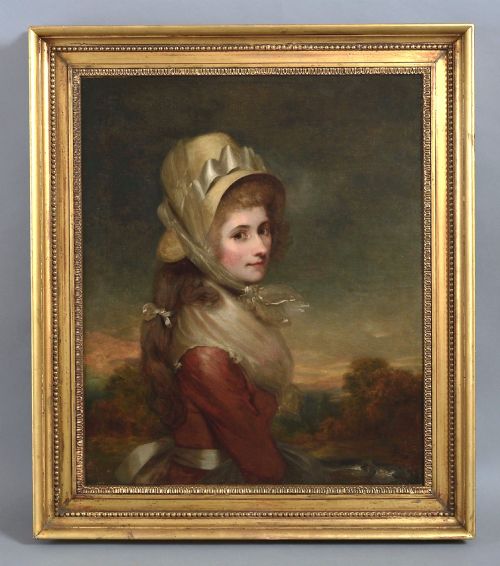
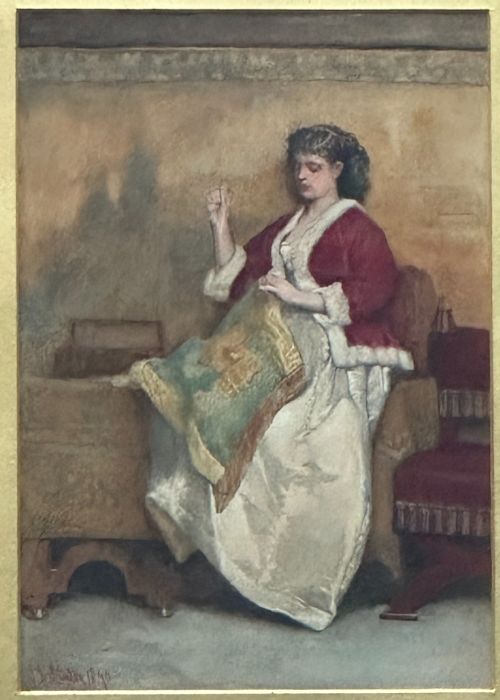
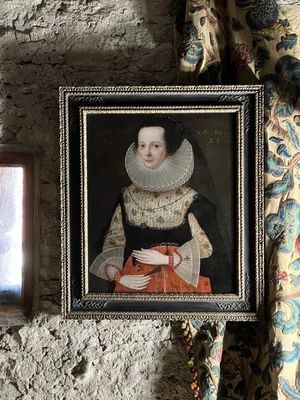
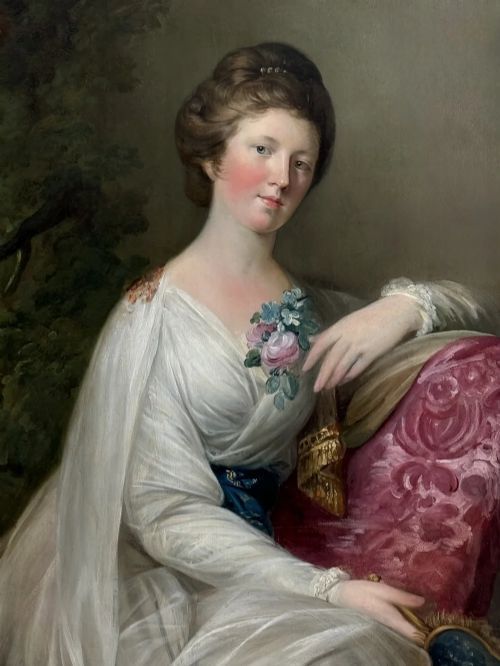
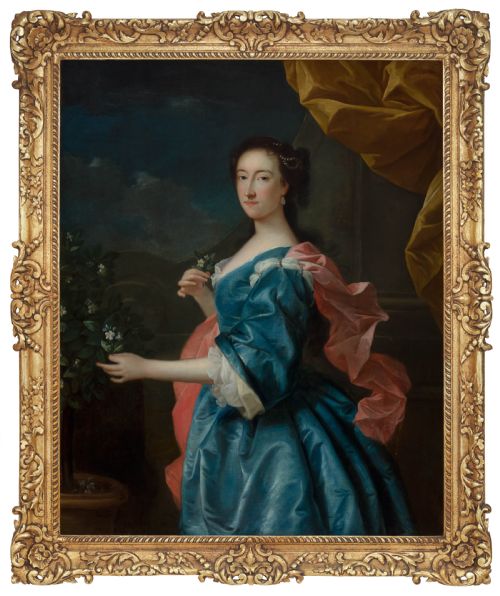
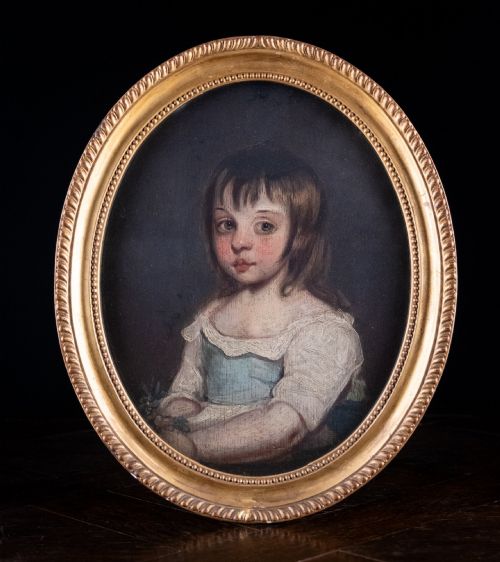
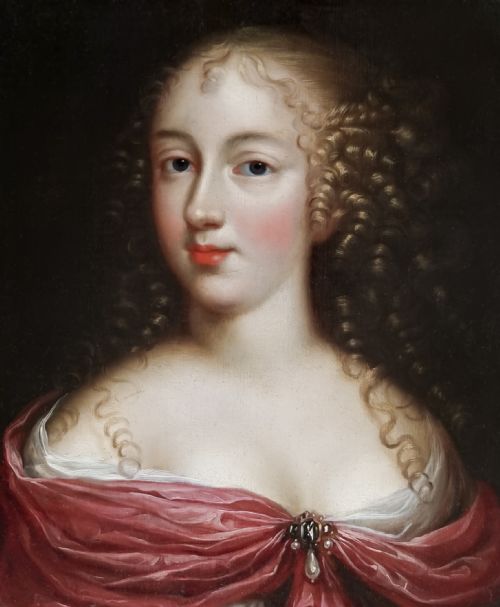
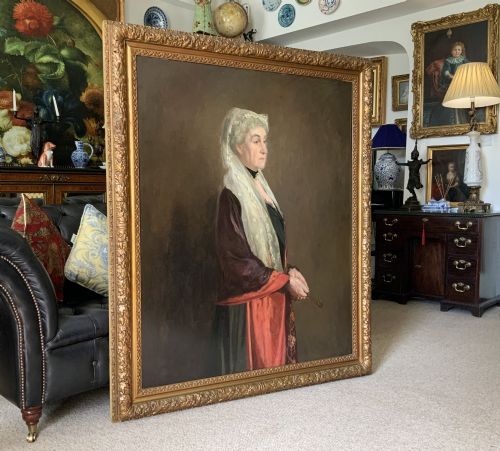
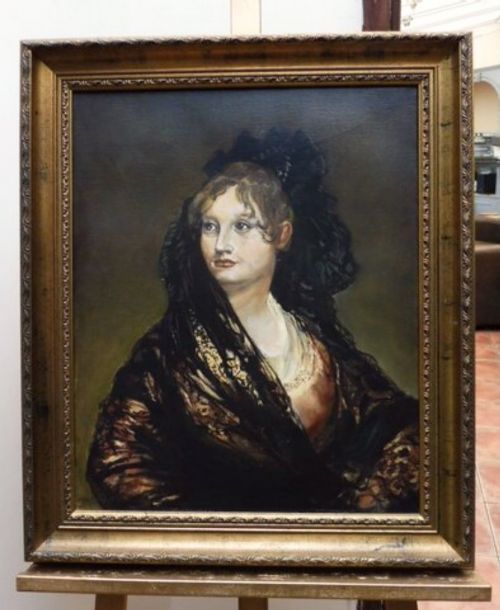
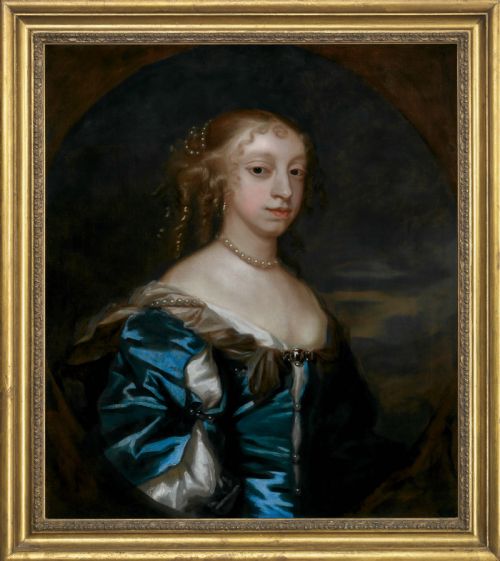
A fine art female portrait captures the character of its subject through centuries of changing artistic styles and techniques.
Fine Art Female Portrait
When searching for a fine art female portrait, you examine historical representations of women spanning from the seventeenth century through to the mid-twentieth century.
The selections on this page feature notable oil paintings on canvas and panel, alongside works in pastel and watercolour, representing diverse European and British schools.
You will encounter grand aristocratic depictions from the Baroque and Georgian periods alongside more intimate nineteenth-century works and later twentieth-century interpretations.
How They Were Made
Artists built these compositions primarily using oil paint applied to stretched canvas or wooden panels, often finishing the works with protective layers of varnish.
Many of the historical frames utilise carved giltwood and gold leaf, constructed to complement the aesthetic of the period in which the portrait was created.
Several ladies share wall space with their beloved dogs, orange trees, and blue necklaces across the centuries.
What Varies in Quality
The distinction in quality rests upon the mastery of draughtsmanship, the subtlety in rendering facial expressions, and the skilful handling of light and fabric texture.
Works produced by the primary hand of an established master or executed within a recognised studio command greater artistic authority than anonymous provincial copies.
John Hayls·David Scougall·Sir Martin Archer Shee·Sir James Dromgole Linton·George Willison·Jeremiah Davison·Pierre Mignard·Sir Peter Lely·John Russell·Kenneth Cozens·John Vanderbank·Thomas Beach·Van Dyck·Eric Robertson·Sir Thomas Lawrence·G. J. S. Bary·Sir Allan Ramsay·Robert Byng·Valentine Green·Sir Joshua Reynolds·Toussaint Gelton
The Fine Art Female Portrait Glossary
- Oil on Canvas
- Pigments suspended in a drying oil medium, typically linseed, applied to a woven fabric support stretched across a wooden frame. This technique became the predominant medium for fine portraiture from the seventeenth century onward.
- Panel Painting
- An artwork executed on a flat piece of wood rather than fabric. Artists frequently utilised prepared wooden boards before the widespread adoption of canvas.
- Mezzotint
- A printmaking process of the tonal method, enabling the reproduction of paintings with subtle gradations of light and shade. It was widely used in the eighteenth century to copy notable portraits.
- Giltwood
- Wood that has been decorated with a thin layer of gold leaf or powder. Elaborately carved gilt frames often provide crucial contextual dating for historical artworks.
Fine Art Female Portrait: Frequently Asked Questions
How do I date a portrait?
Dating relies heavily on the style of costume, hair styling, and accessories depicted in the artwork. Supporting evidence such as original framing and artist signatures further refines the timeline.
Historical records and provenance details also help establish the likely decade in which the sitter was painted.
What is a studio work?
A studio work is a painting produced by assistants or pupils working under the direct supervision or within the workshop of a master artist. These pieces often reflect the composition and style of the principal painter.
Such works provide insight into the collaborative production methods prevalent in historical art academies.
How should I hang portraits?
Portraits require stable environmental conditions away from direct sunlight and excessive humidity to protect the delicate paint layers and wooden supports. Proper wall fixings must match the substantial weight of framed oil paintings and heavy giltwood.
Displaying them at eye level allows the viewer to engage properly with the expression and scale of the subject.
Why do some have inscriptions?
Inscriptions on historical portraits often identify the sitter, record their age, or note the date the canvas was completed. These notes were added to preserve the identity of the individual for future generations.
They serve as primary historical evidence when researching the lineage and background of the portrayed subject.