



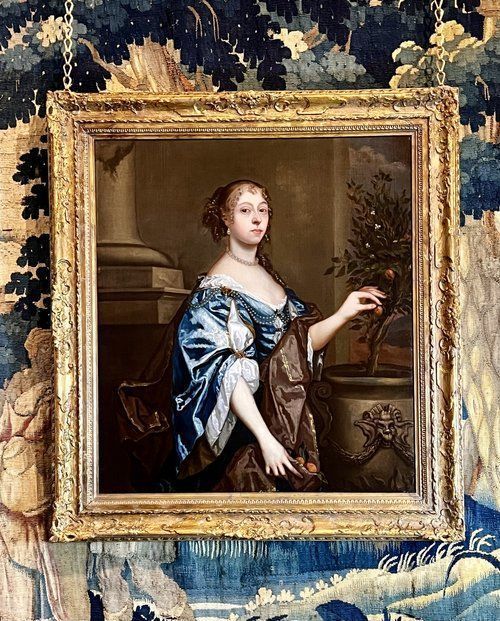
Female Portrait Canvas Painting
A female portrait canvas painting captures likenesses across centuries, offering collectors a direct window into the dress, status, and artistry of the past.
Female Portrait Canvas Painting
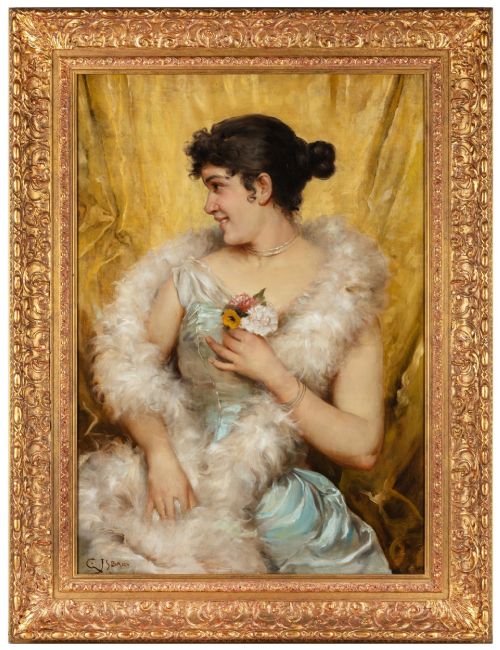
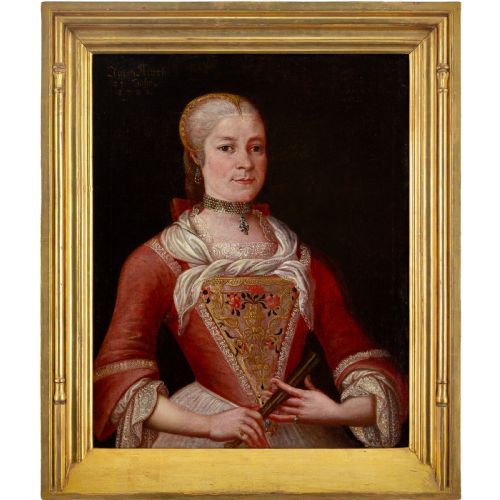
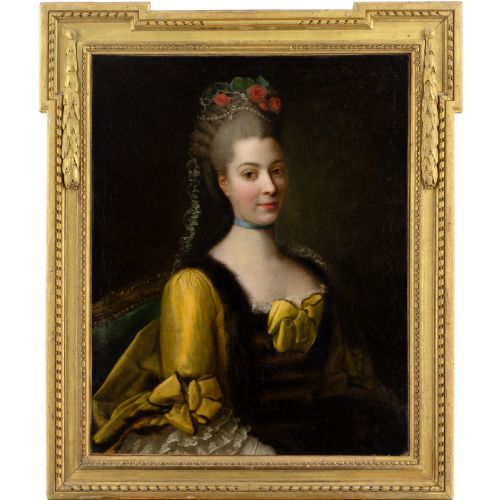
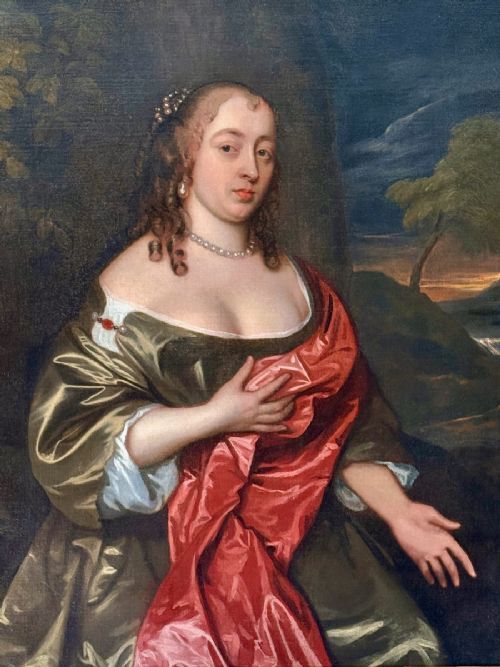
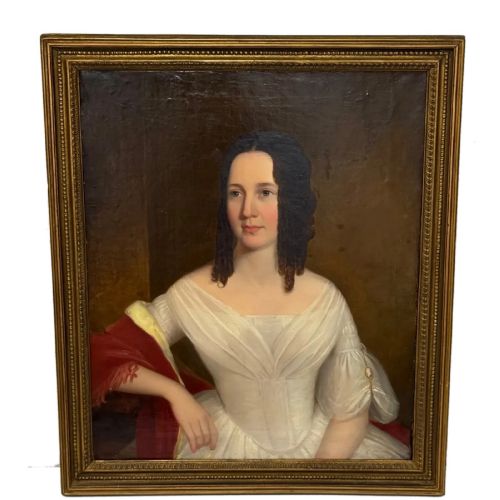
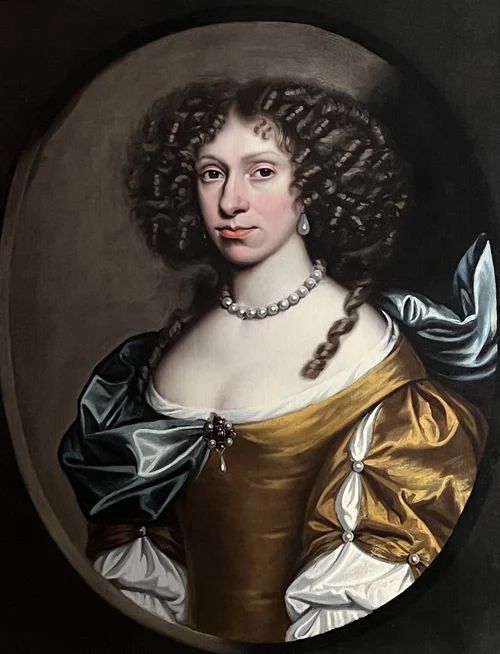
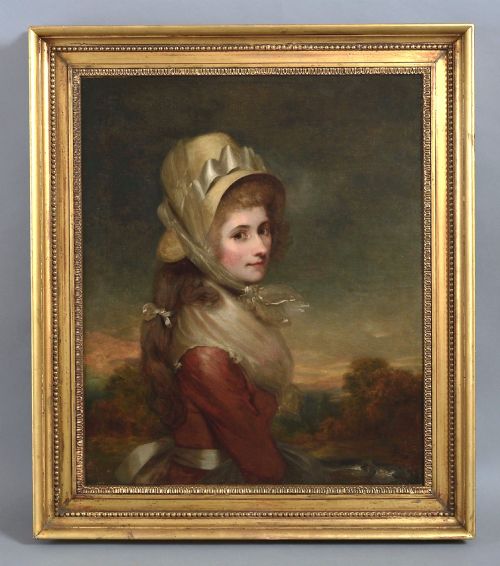
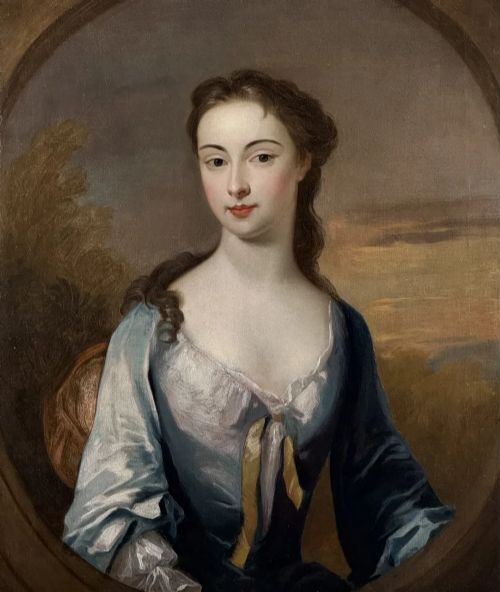
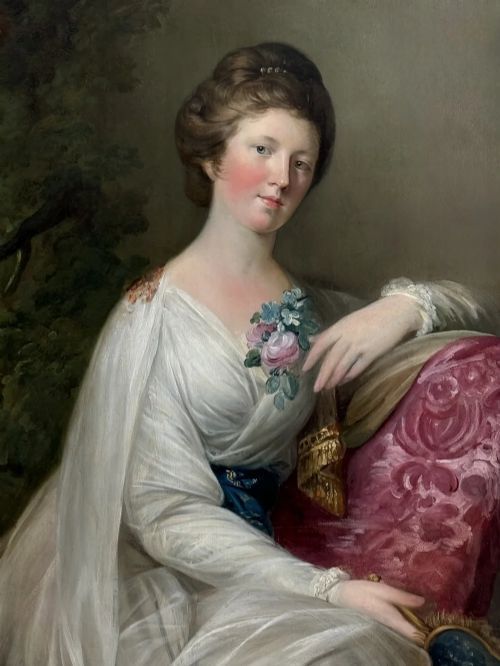
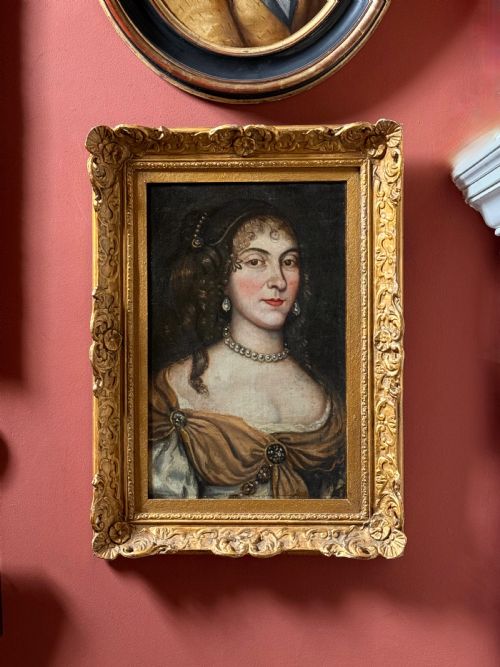
A female portrait canvas painting encompasses centuries of artistic endeavour, ranging from austere 17th-century depictions of nobility to expressive 20th-century works. These pieces frequently record specific historical figures, noblewomen, and society ladies, often identified by name, family lineage, or detailed costume.
Buyers browsing this selection encounter works spanning the Baroque era, Georgian period, Victorian age, and mid-20th-century modernism. The most prevalent examples on this page are oil paintings on canvas, framed variously in period wooden mouldings or ornate giltwood.
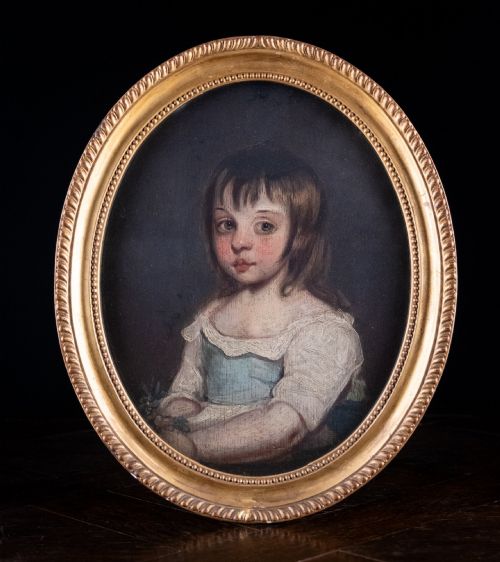
The subjects range from formal aristocratic commissions set within extensive landscapes to intimate character studies of country girls, society beauties, and anonymous sitters. Each canvas preserves the aesthetic conventions and social aspirations of its specific period of production.
Materials and technique
These works rely fundamentally upon oil paint applied to a woven canvas substrate, a technique that allowed artists to build rich layers of colour, subtle tonal gradations, and intricate details of fabric and skin. The flexibility of oil medium permitted painters to achieve remarkable depth and luminosity in depicting drapery, lace, and facial expressions.
Many of these canvases are housed within their original or period-appropriate frames constructed from wood and embellished with gold leaf, gilt wood, or gesso ornamentation. The framing materials often reflect the prevailing decorative style of the sitter's era, from heavy Baroque carvings to refined Regency mouldings.
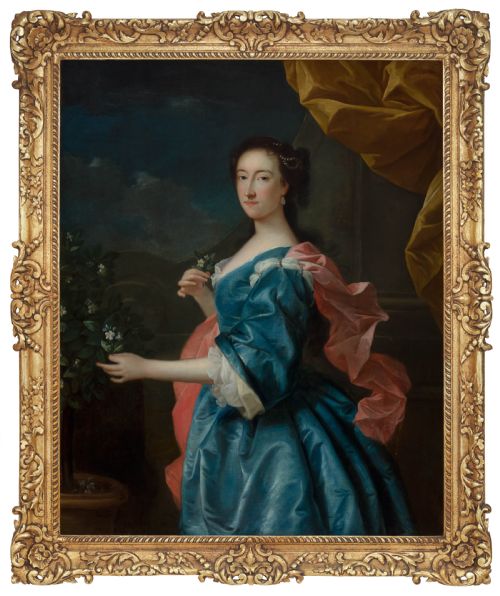
Several ladies gaze across the centuries holding oranges, proving that a citrus display was the ultimate 17th-century flex.
Distinctions in quality
The distinction between ordinary and exceptional works rests upon the mastery of anatomical rendering, the finesse with which textiles and lighting are handled, and the psychological depth captured in the sitter's expression. Superior examples demonstrate a confident handling of brushwork that brings vitality and presence to the subject, whereas lesser works can appear stiff or formulaic.
Provenance and attribution also dictate distinction within the market. Canvases tied directly to documented studio practices, known historical portraitists, or identified sitters carry greater documentary weight and artistic authority than anonymous works from provincial schools.
JOHN HAYLS·DAVID SCOUGALL·CHARLES JERVAS·GEORGE WILLISON·JEREMIAH DAVISON·PIETER BORSSELER·SIR PETER LELY·THOMAS BEACH·SIR THOMAS LAWRENCE·JOHN OPIE·SIR ALLAN RAMSAY·ROBERT BYNG·JEAN-GABRIEL DOMERGUE
The Female Portrait Canvas Painting Glossary
- Oil on Canvas
- A traditional painting medium where pigments are suspended in a drying oil, typically linseed, and applied to a stretched fabric support. This combination allowed for prolonged working times and rich colour blending.
- Giltwood
- Wood that has been coated with a thin layer of gold leaf or gold dust. It was commonly utilised for ornate picture frames throughout the Baroque, Georgian, and Victorian periods.
- Attributed To
- A term used when a work is judged by experts to be by a particular artist, though the documentation falls short of absolute certainty. It denotes strong stylistic similarities to a known master.
- Baroque
- An artistic style prevalent from the early 17th century to the mid-18th century, characterised by drama, deep shadow, rich colour, and dynamic movement. Portraits from this period often feature theatrical drapery and dramatic lighting.
- Provenance
- The chronological history of the ownership of a painting, establishing its authenticity and pedigree. A clear provenance connects the canvas back to its original commission or early collections.
Female Portrait Canvas Painting: Frequently Asked Questions
How can I date an old portrait?
Dating relies heavily on the sitter's costume, hairstyle, and the surrounding accessories, which closely follow the fashion trends of their decade. Additionally, the canvas weave, stretcher construction, and framing style provide physical clues to the period of creation.
Paintings executed in the seventeenth century often display rigid lace collars and dark backgrounds, whereas eighteenth-century canvases favour softer pastels, flowing silks, and pastoral settings. Comparing the brushwork and signature conventions against known historical examples further refines the timeline.
What is the difference between an attributed work and a school piece?
An attributed work is one where scholarship connects the painting to a specific named artist whose hand is recognised in the brushwork or composition. It represents a strong expert opinion that the master created the piece, even without a signature.
A school piece, such as a 17th-century English school painting, denotes an anonymous artist working within the style, region, and period of a particular tradition without necessarily studying directly under a master. These paintings reflect the wider aesthetic standards of an era rather than an individual signature hand.
How should I care for an oil painting on canvas?
Maintaining an oil painting requires stable environmental conditions away from direct sunlight, high humidity, and extreme temperature fluctuations. Sunlight can degrade pigments over time, while moisture changes cause the canvas to expand and contract, risking the paint layer.
Dust should be gently removed from the surface using a soft, dry brush without applying pressure. Professional conservators should handle any cleaning, varnish removal, or canvas repairs to prevent permanent damage to the historic medium.
Why do some portraits include specific objects like fruit or flowers?
Symbolism played a major role in historical portraiture, where items like orange trees, blossoms, or letters conveyed the sitter's wealth, status, or virtues. Oranges specifically often signified high social standing and affluence due to the cost of importing citrus trees into northern Europe.
Other props might hint at the sitter's family alliances, literary interests, or personal achievements. These details transformed a simple likeness into a complex visual narrative about the subject's place in society.