

Oil Painting Lady Portrait
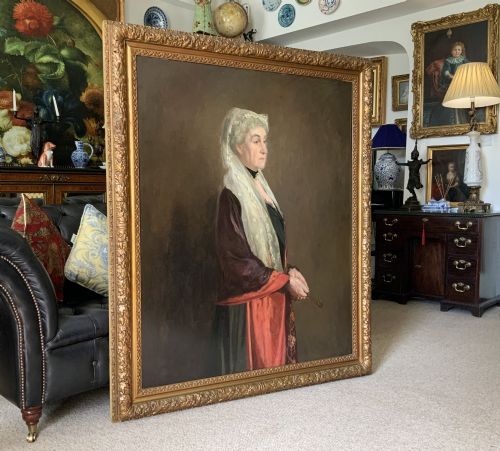
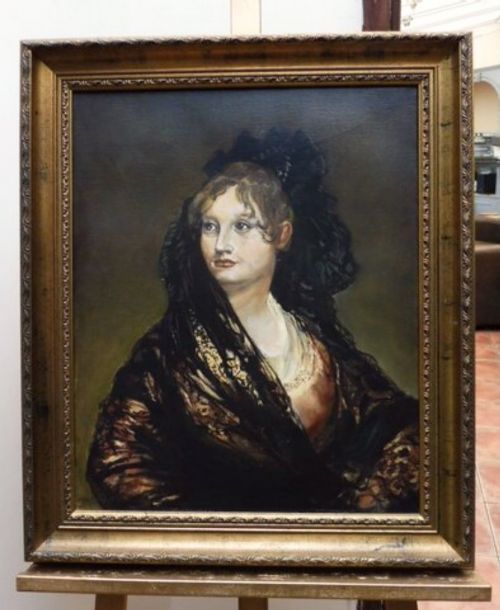
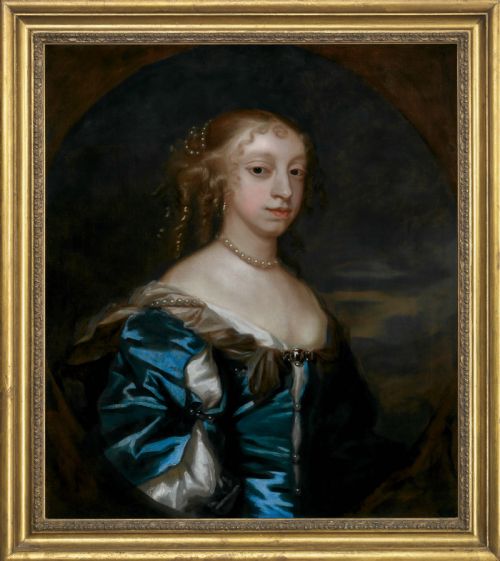
These oil painting lady portrait works capture centuries of individual likeness, offering collectors historic presence and tangible artistic heritage for domestic walls.
Oil Painting Lady Portrait
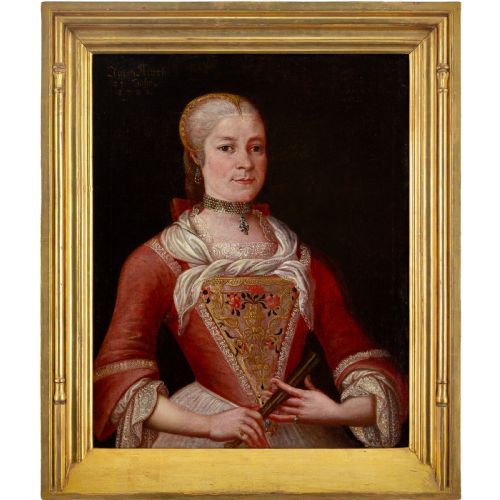
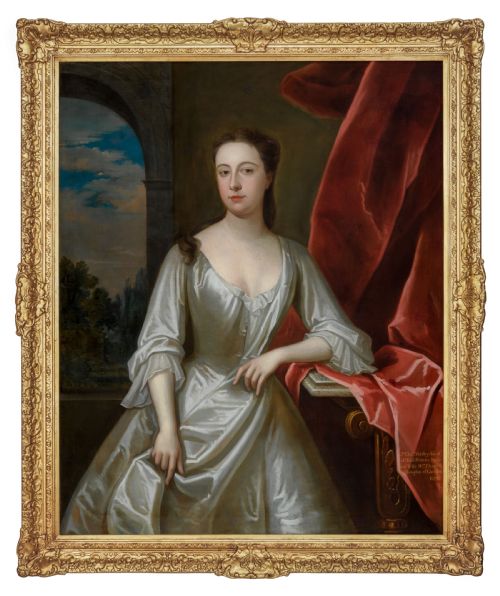
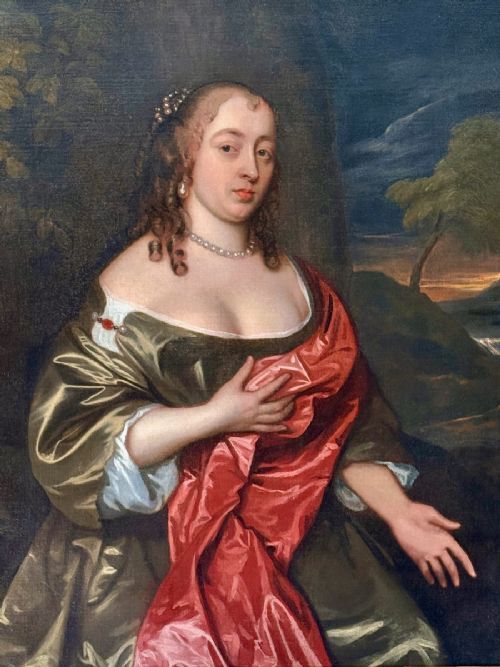
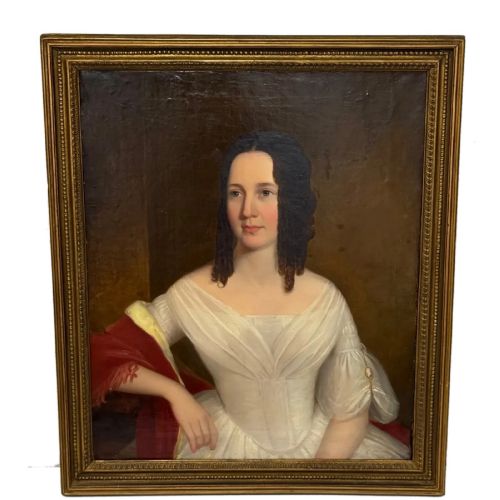
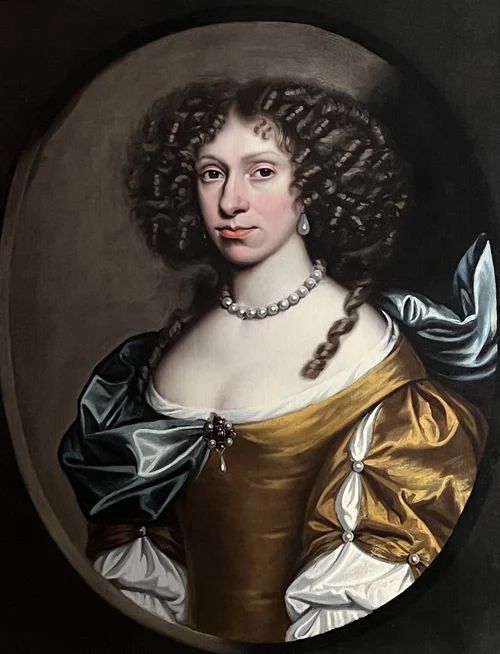
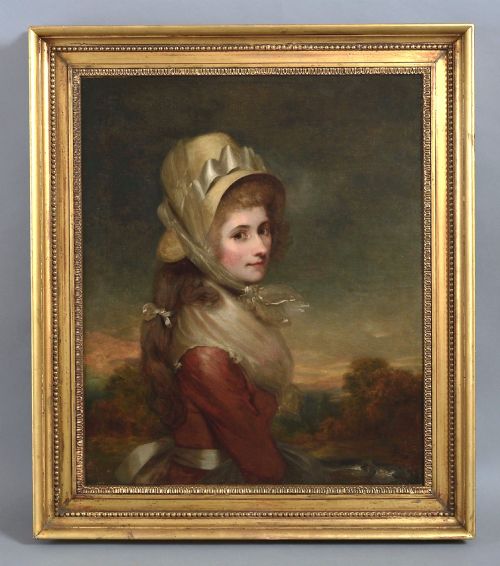
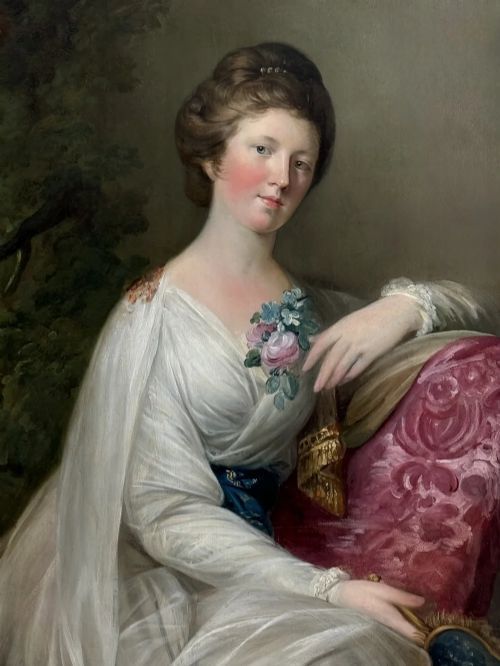
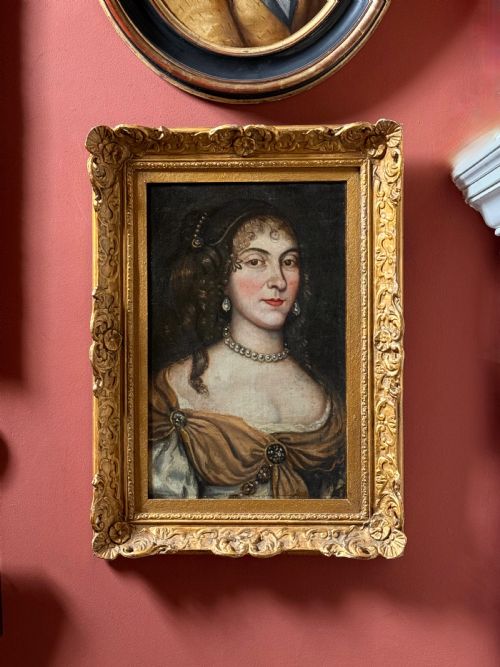
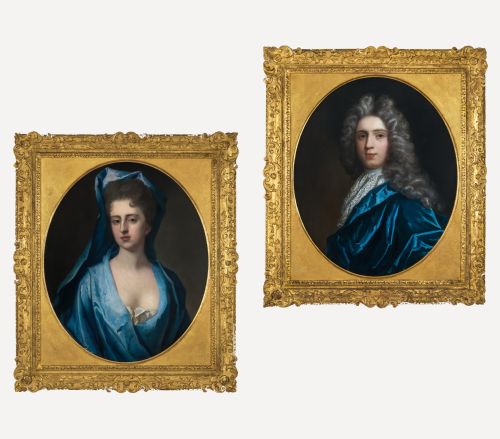
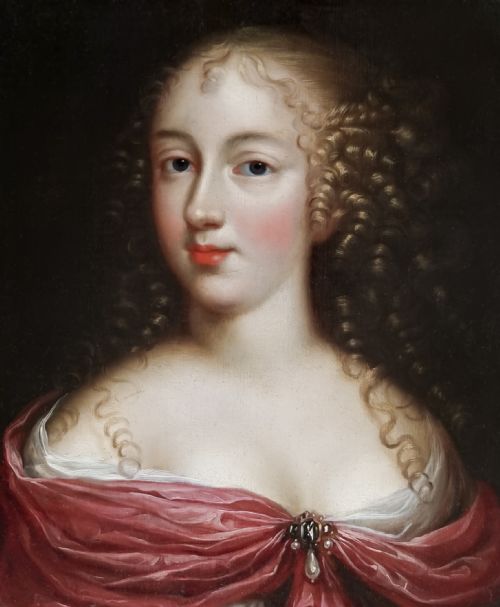
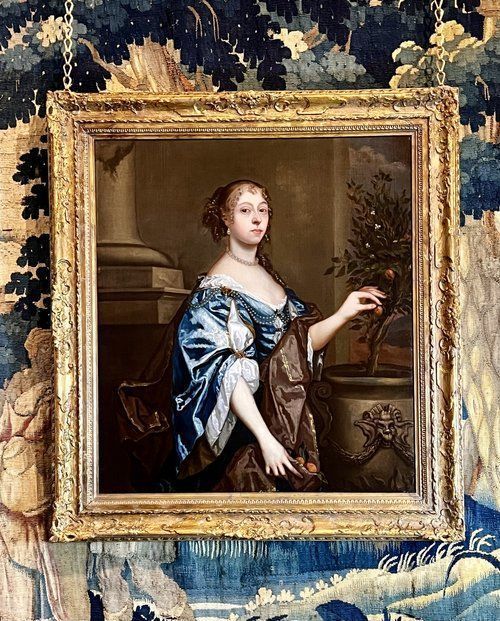
An oil painting lady portrait represents female sitters from various historical periods, spanning elite nobles to everyday subjects. When searching this phrase, buyers encounter works ranging from seventeenth-century panel paintings to twentieth-century canvases.
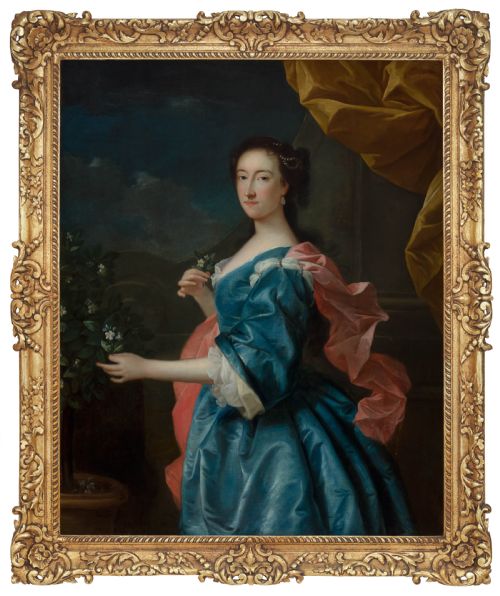
Surviving formats include framed oils on canvas, wooden panels, and boards, often preserved within period giltwood frames. These artworks document shifting fashions in dress, lace ruffs, and jewellery across generations.
How They Were Made
Earlier centuries relied on sturdy wooden boards or heavy woven canvas supports prepared with gesso grounds before painting. Later nineteenth and twentieth-century works utilise standard commercial canvas stretched over wooden frames, often retaining original stretchers and carved gilt wood surrounds.
The inventory encompasses works spanning the seventeenth century through the mid-twentieth century, executed in oil on canvas, panel, and board.
What Varies In Quality
The distinction between standard works and exceptional pieces rests upon the surety of brushwork, anatomical proportion, and the psychological depth of the sitter's expression. Master painters handled textiles, lace, and skin tones with a luminous transparency that lesser studio assistants or copyists failed to achieve.
Condition and originality heavily influence standing, particularly the survival of the original canvas surface, minimal overpainting, and the presence of a period-appropriate carved giltwood frame. Works with documented sitter identities and established provenance carry distinct historical weight compared to anonymous portraits.
Sir Godfrey Kneller·John Hayls·David Scougall·Sir Martin Archer Shee·John Maler Collier·George Willison·Jeremiah Davison·Michael Dahl·Thomas Murray·Pierre Mignard·Pieter Borsseler·Cornelius Johnson·Sir Peter Lely·Kenneth Cozens·John Vanderbank·Thomas Beach·W.R. Waters·G. J. S. Bary·Sir Allan Ramsay·Jean-Gabriel Domergue·William Oliver·Charles d'Agar·Otto Knille·Franz Xaver Winterhalter·Sir Anthony van Dyck
The Oil Painting Lady Portrait Glossary
- Oil on Canvas
- A traditional painting medium where pigments bound in oil are applied to woven fabric stretched across a wooden frame. This combination allows for subtle blending and rich colour depth.
- Giltwood
- Wood that has been coated with a thin layer of gold leaf or metallic powder. It frequently frames historic portraits to enhance their visual presence.
- Panel Painting
- Artwork executed on a flat wooden board rather than canvas. This solid support is typical of earlier centuries before stretched fabric became standard.
- Ruff
- A voluminous starched collar worn during the sixteenth and seventeenth centuries. Its intricate pleats provide a reliable indicator of early portrait dates.
- Provenance
- The documented history of ownership of an artwork from its creation to the present day. Clear records verify authenticity and past exhibitions.
Oil Painting Lady Portrait: Frequently Asked Questions
How do I date an old portrait?
Dating relies heavily on the clothing styles, hairstyles, and accessories worn by the sitter, such as lace collars, ruffs, or specific dress cuts. Comparing these elements with known fashion timelines provides a reliable window of creation.
Additionally, examining the stretcher bars, canvas weave, and framing materials offers physical clues that support the stylistic evidence found within the paint layer.
What is an English school painting?
The term refers to works produced by artists active in England or working within the British artistic tradition during a specific era. These pieces often reflect local portraiture conventions and patronage demands of the period.
Such designations help historians group unsigned or workshop-produced canvases when specific master attributions remain unconfirmed by documentation.
How should I hang an oil painting?
Oil paintings require stable wall environments away from direct sunlight, heating vents, and damp exterior walls to prevent canvas warping and paint cracking. Secure picture hooks rated for the combined weight of the canvas and heavy giltwood frame are essential.
Professional mirror plates or heavy-duty D-rings screwed firmly into the wooden stretcher frame rather than the outer frame ensure safe vertical suspension.
Why are some sitters unidentified?
Many historical sitters lost their identities over centuries as family collections dispersed, inventories were misplaced, or inscriptions on canvases faded away. Anonymous portraits were often valued primarily for their aesthetic appeal or as decorative representations of historic types.
Researching costume details, heraldic crests, or background props occasionally helps modern researchers reconnect a nameless face with historical archives.