



Figured Walnut Secretary Desk
A figured walnut secretary desk offers rich grain patterns paired with practical fall-front writing compartments, making it a timeless centrepiece for any study.
Figured Walnut Secretary Desk
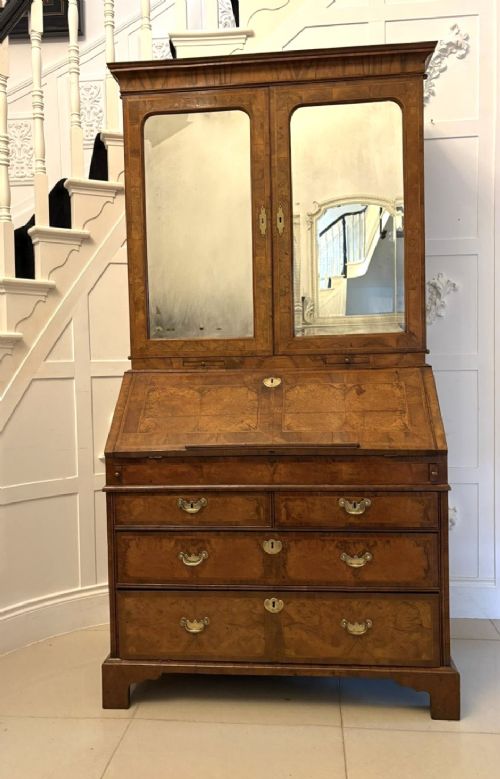
A figured walnut secretary desk combines a writing slope with enclosed storage, frequently appearing in the records as bureau bookcases, escritoires, and bureau cabinets. These pieces span several distinct historical periods, including the seventeenth and eighteenth centuries alongside Edwardian interpretations.
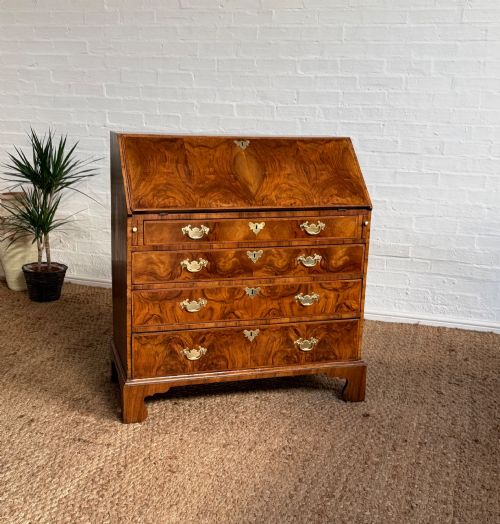
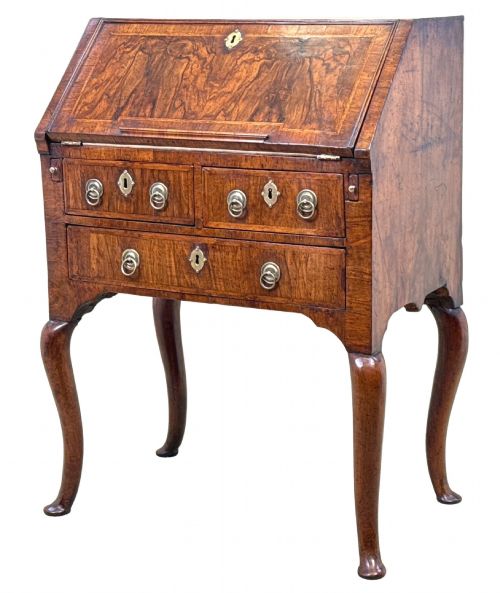
The most common examples encountered on this page originate from the Georgian and Queen Anne eras, alongside earlier William and Mary pieces. Forms range from compact bureaus on legs to grand bureau bookcases equipped with glass-fronted upper sections.
Regional variations also emerge within these listings, including South German Baroque examples alongside English pieces. Buyers frequently encounter objects described under alternative historical terminology such as escritoires or secretaire cabinets.
Materials and Construction
Makers utilised walnut, burr walnut veneer, and figured walnut over secondary woods like oak to achieve striking decorative surfaces on the exterior. The application of highly figured veneers required skilled cabinetmaking to mirror grain patterns across large surfaces and drawer fronts.
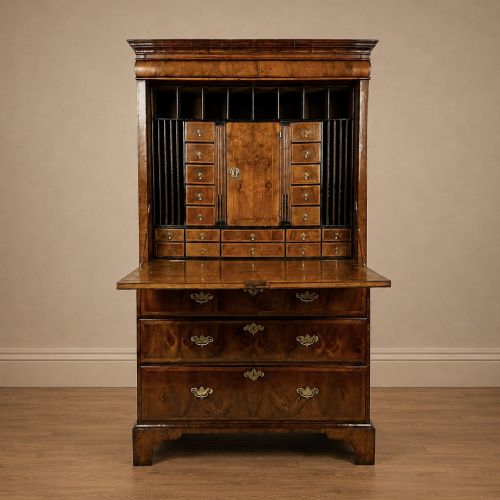
Interiors often incorporate fitted compartments, pigeonholes, and drawers, while writing surfaces frequently feature inset leather. Hardware such as brasses and drop handles complete the construction, alongside glass panels fitted into upper bookcase doors.
Figured Walnut Secretary Desk Retail Price Guide 2026
Typical asking prices for figured walnut secretary desk among the pieces listed under this phrase on Sellingantiques today, from the lower quarter to the upper quarter. They describe what is for sale here now, not the wider market.
Current listings feature walnut, figured walnut, burr walnut veneer, oak, brass, glass, and leather across the seventeenth, eighteenth, and twentieth centuries.
Distinctions in Quality
Quality in a figured walnut secretary desk rests primarily upon the choice and arrangement of the timber veneers. Finer examples display deeply figured, matched grain patterns that cover the fall-front and drawer facades with deliberate symmetry.
The sophistication of the internal fittings and the retention of original brass hardware and secondary timbers heavily influence the standing of an individual piece. Proportion, such as the slender height of bureaus on legs or the architectural balance of taller bookcase cabinets, distinguishes the finer output of the period.
The Figured Walnut Secretary Desk Glossary
- Escritoire
- A writing cabinet featuring a fall-front that opens to reveal internal drawers and compartments. This term often appears interchangeably with bureau cabinet in early periods.
- Burr Walnut Veneer
- Thin slices of wood cut from walnut tree growths, producing swirling, knotty grain patterns. Cabinetmakers applied these veneers to primary display surfaces.
- Bureau Bookcase
- A two-part form combining a lower writing desk with an upper shelving or cabinet section enclosed by doors. Upper doors frequently incorporate glass panels.
- Secretaire Cabinet
- A tall furniture form incorporating a dedicated writing drawer or fold-down writing surface. These pieces often feature extensive internal partitioning.
- Fall-Front
- A hinged writing flap that drops down to provide a horizontal surface for correspondence. It conceals pigeonholes and small drawers when closed.
Figured Walnut Secretary Desk: Frequently Asked Questions
How do I date an antique walnut bureau?
Dating relies on observing construction methods, hardware styles, and the specific characteristics of the walnut veneers used. Pieces from the late seventeenth and early eighteenth centuries often display different leg structures, such as early cabriole legs or bracket feet, compared to later Edwardian revivals.
Examining secondary woods like oak within the internal drawer construction also assists in determining the correct period of origin.
Where were these desks placed originally?
These desks were typically used in private studies, libraries, or withdrawing rooms by literate households requiring secure storage for correspondence and documents. The upper bookcase variants served to house valuable book collections alongside writing materials.
Today, they function well in home offices or living spaces where traditional cabinetwork complements the room.
What is the difference between a bureau and an escritoire?
An escritoire generally refers to a tall cabinet with a horizontal drop-front writing surface, frequently associated with late seventeenth and early eighteenth-century design. A bureau often describes a desk featuring a sloped front lid that hinges from the bottom.
Both terms describe variants of writing furniture, though historic listings often apply them interchangeably based on regional terminology.