

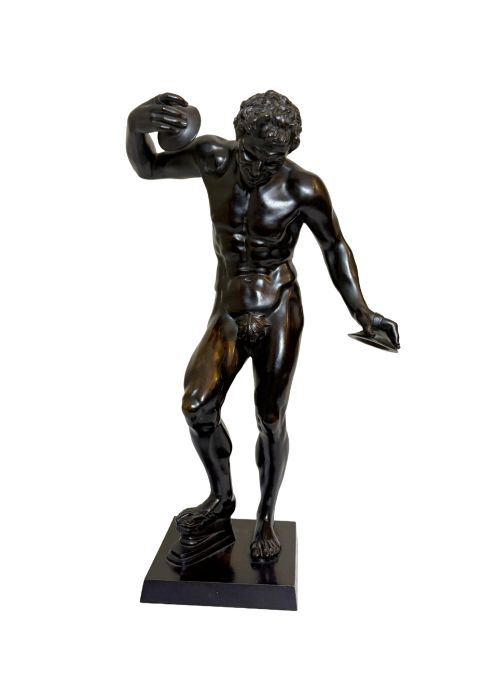
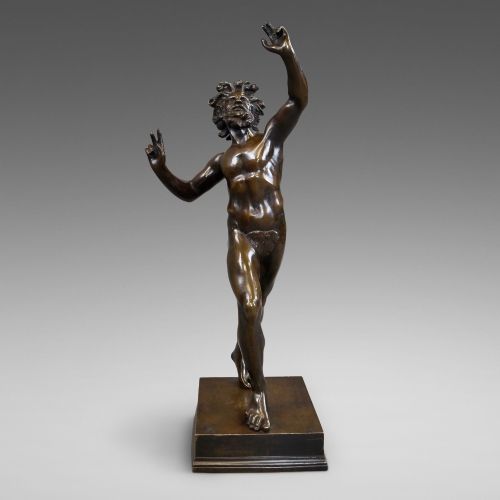


Faun of Pompeii Statue
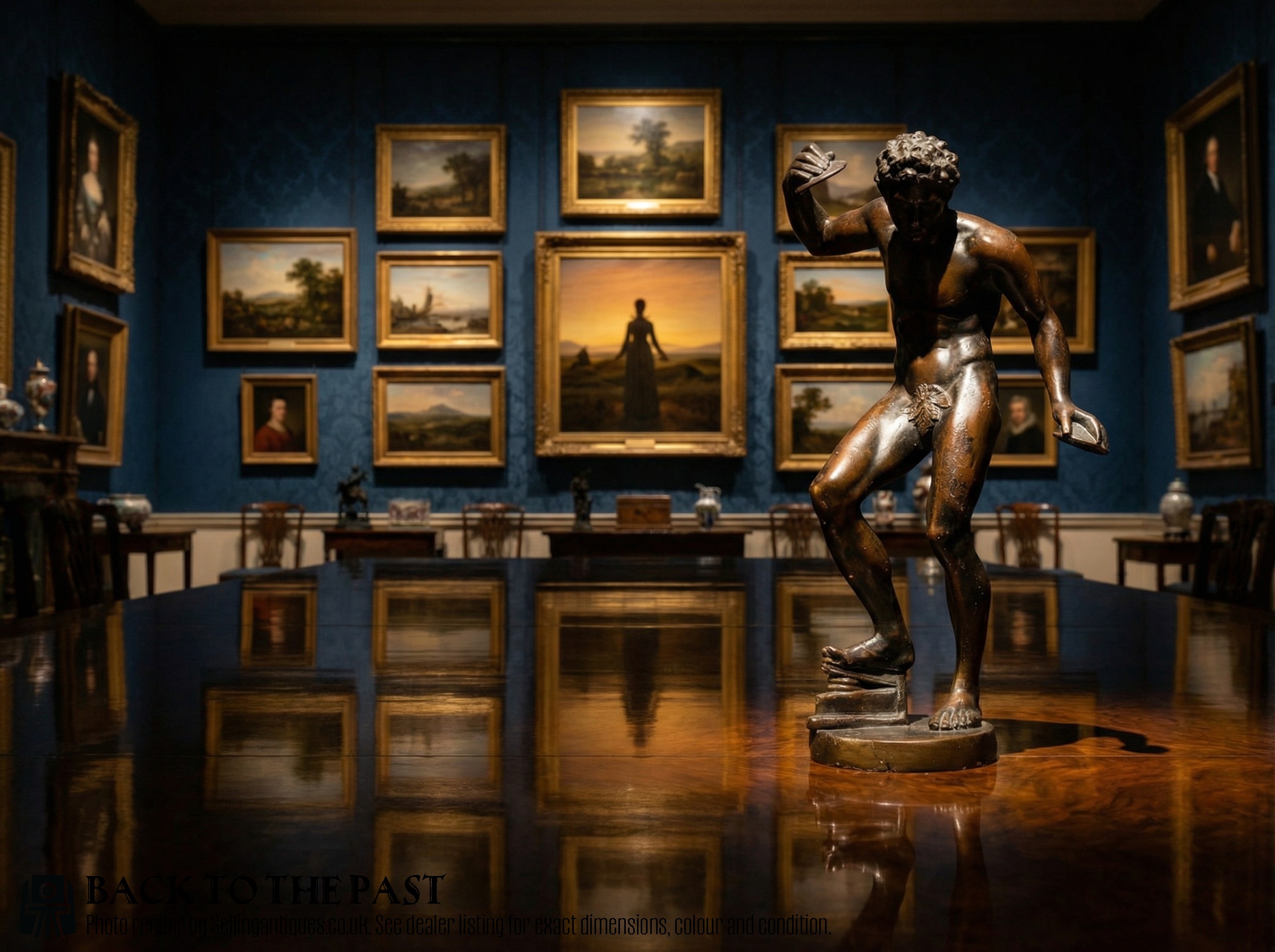
A faun of pompeii statue brings neoclassical grandeur into a room, capturing the lively spirit of ancient sculpture through nineteenth-century craftsmanship.
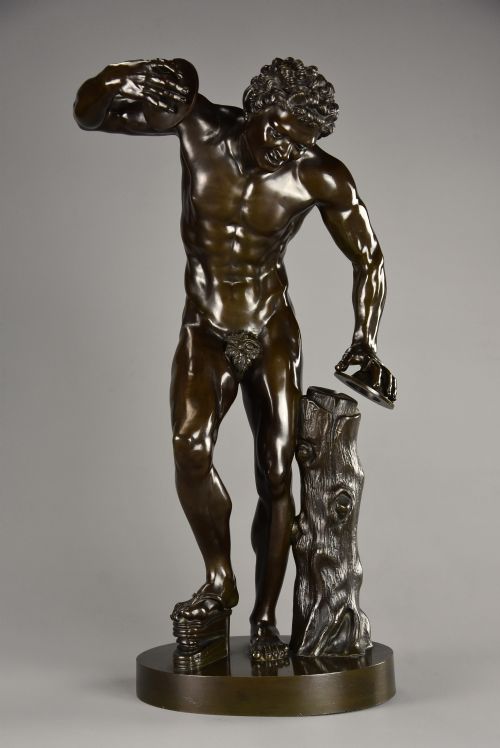
Faun of Pompeii Statue
When you search for a faun of pompeii statue, you encounter nineteenth-century interpretations of the famous ancient bronze discovered in the House of the Faun. These sculptural works capture the dynamic pose of the dancing figure, immortalising classical antiquity for nineteenth-century collectors.
Most examples appearing on this page belong to the Victorian era and the Grand Tour tradition. Makers produced these souvenirs in various scales for travellers touring Italy and admirers of classical art.
The assortment includes figures cast in bronze and patinated bronze, alongside occasional plaster versions. These sculptures typically depict the dancing faun with cymbals or in characteristic poses after the antique originals.
How they were made
Foundries produced these figures primarily in bronze using traditional casting methods suited to sculptural work. Artisans applied patination treatments to achieve varied surface tones, ranging from dark metallic finishes to warm brown shades.
Some workshops mounted their bronze figures on marble bases to provide stability and enhance the display quality. Makers occasionally stamped their bronzes, leaving marks such as Duchemin to record the foundry or maker involved.
Faun of Pompeii Statue Retail Price Guide 2026
Typical asking prices for faun of pompeii statue among the pieces listed under this phrase on Sellingantiques today, from the lower quarter to the upper quarter. They describe what is for sale here now, not the wider market.
Site listings for a faun of pompeii statue feature works from the nineteenth century, including Victorian examples produced in bronze and plaster.
What varies in quality
The fidelity of the casting separates standard souvenir pieces from finer works. Superior nineteenth-century bronzes capture the muscular definition and expressive detail of the original Pompeian statue with crisp precision.
Surface patination and finishing also distinguish the execution. A carefully handled patina creates depth and highlights the contours of the figure, whereas lesser examples present flat or uniform surfaces lacking nuance.
Duchemin
The Faun of Pompeii Statue Glossary
- Grand Tour
- A traditional journey through Europe undertaken by upper-class travellers to study classical art and culture. Pieces acquired during these travels often served as domestic displays of sophistication.
- Neoclassical
- An artistic movement drawing inspiration from the classical art and culture of ancient Greece and Rome. This style influences the proportions and theatrical posture of the figures.
- Patinated bronze
- Bronze treated with chemical solutions to produce a specific surface colour or aged finish. This process protects the metal while enhancing the visual depth of the sculpture.
- After the antique
- A term describing artworks created in direct imitation of surviving ancient Greek or Roman pieces. Nineteenth-century founders frequently utilised this approach to replicate celebrated museum sculptures.
Faun of Pompeii Statue: Frequently Asked Questions
How were grand tour bronzes displayed?
Collectors typically placed these statues on mantelpieces, desks, or dedicated sculpture pedestals where their details could be appreciated up close. Many were mounted on heavy marble bases to anchor the composition.
Their moderate scale made them well-suited for interior decoration, allowing travellers to integrate classical motifs into domestic Victorian spaces.
Are these statues from ancient Rome?
No, these works date from the nineteenth century rather than the Roman period. They are revival pieces inspired by the famous archaeological discoveries in Pompeii.
Foundries in Italy and France produced them to satisfy the demand from tourists and collectors seeking portable representations of ancient art.
What materials are common in these pieces?
Bronze and patinated bronze dominate the available material types, offering durability and a traditional metallic finish. Plaster also appears among nineteenth-century examples.
Marble frequently forms the base material for the bronze figures, providing a contrasting texture and structural support.