
Classical Mythological Figure
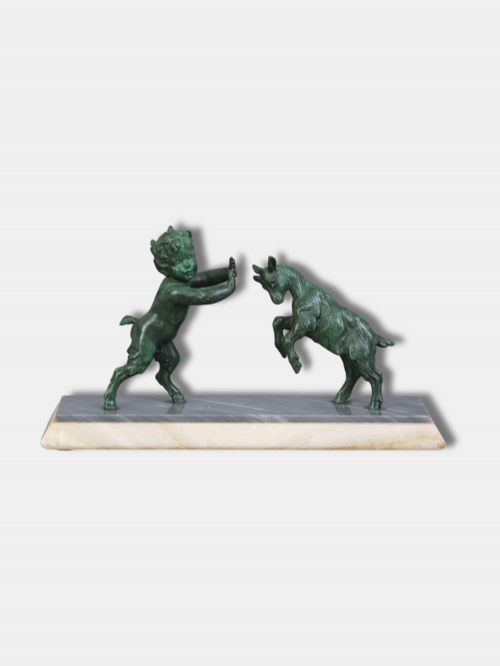
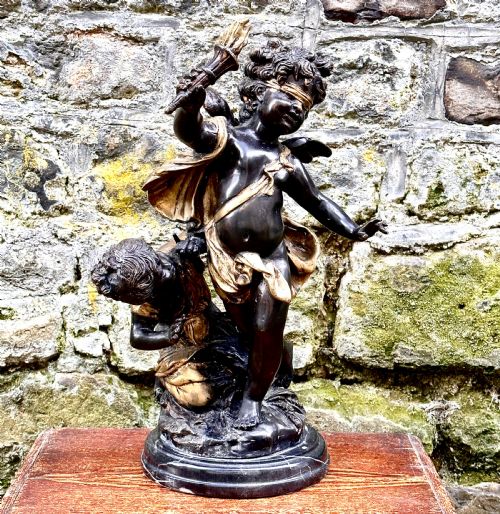
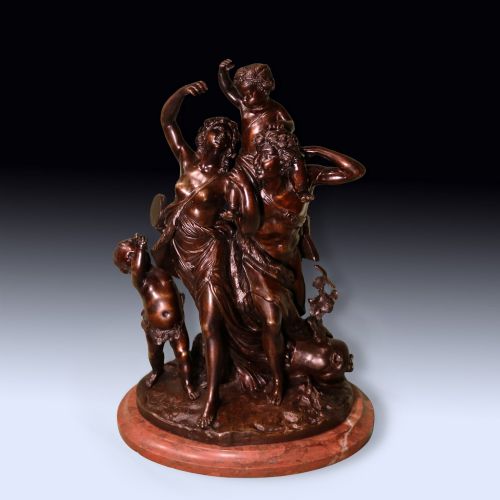
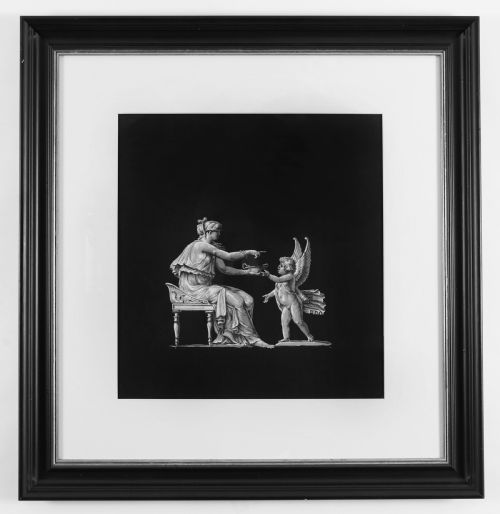
When you search for a classical mythological figure, you encounter sculpted bronzes, painted canvases, and porcelain figurines depicting ancient gods and heroes.
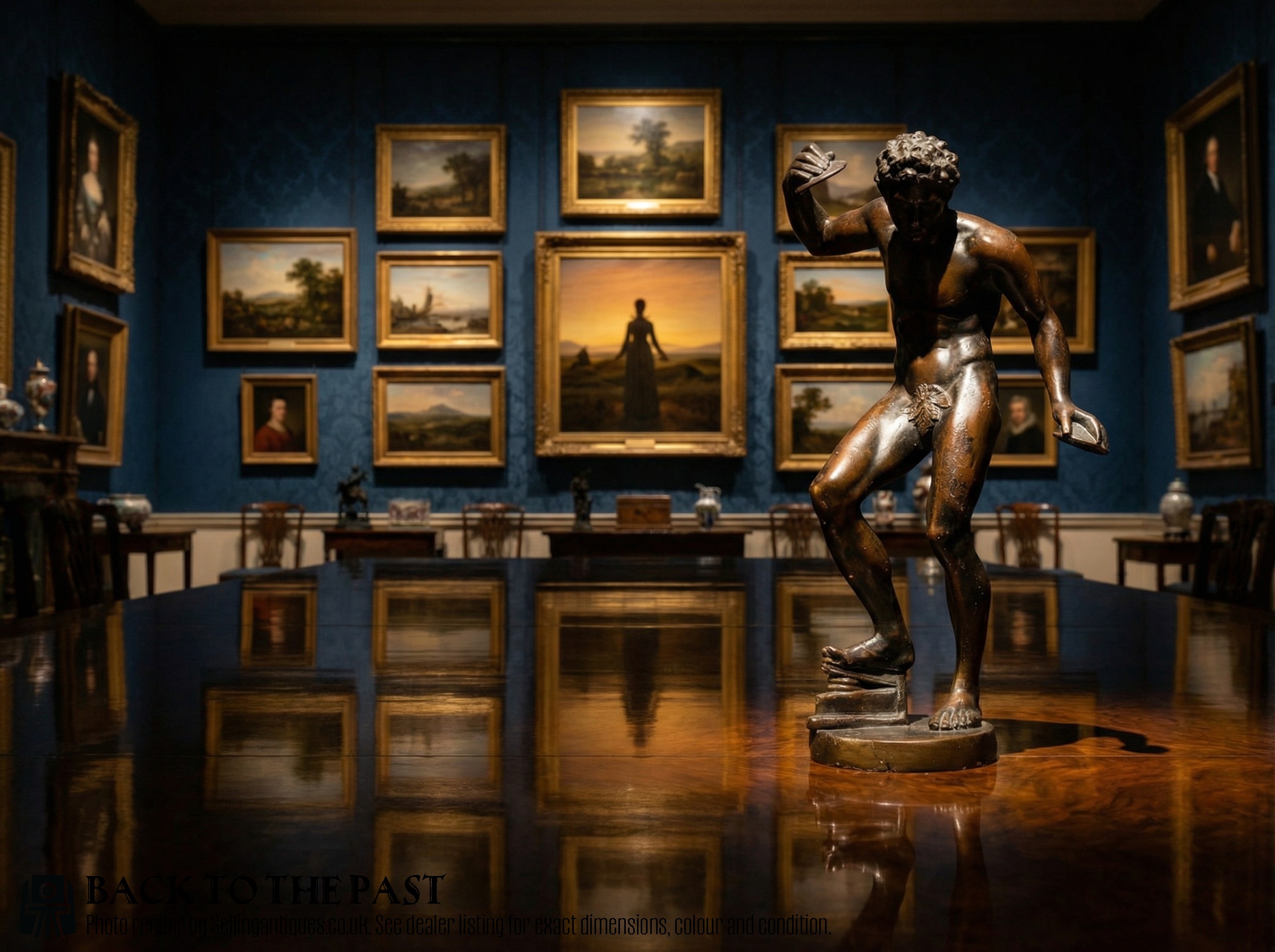
Classical Mythological Figure
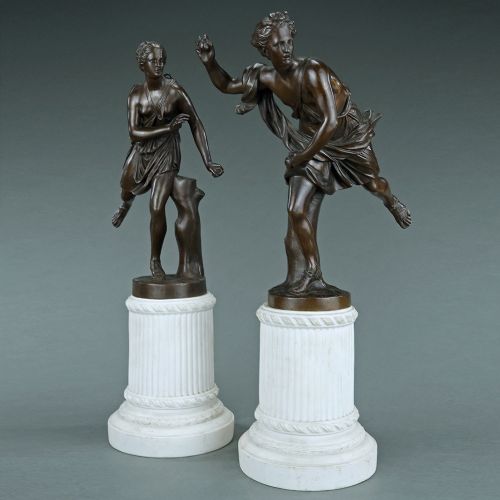
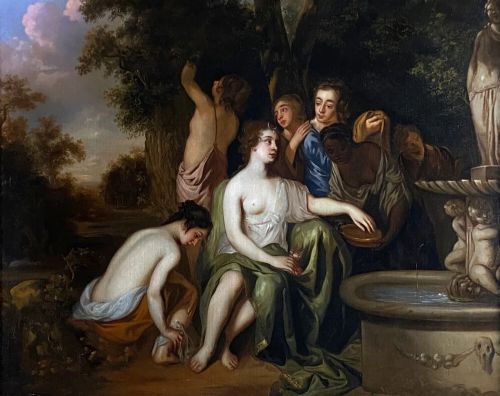
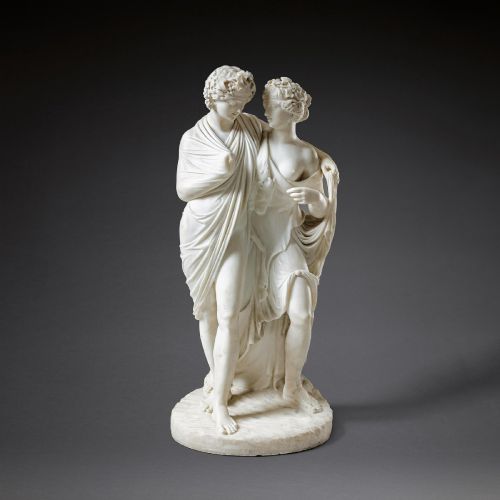
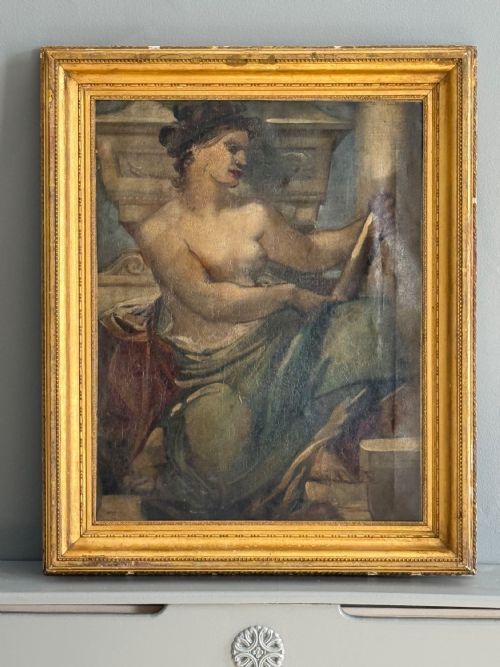
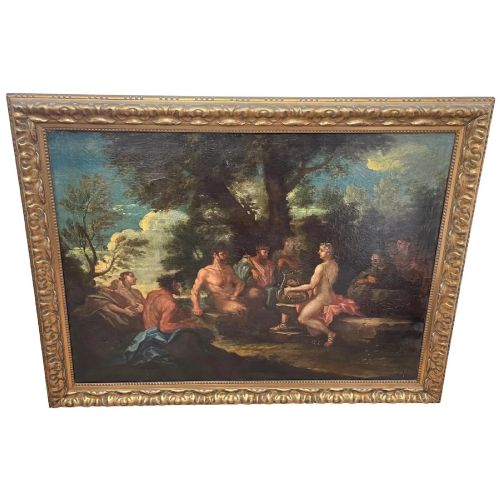
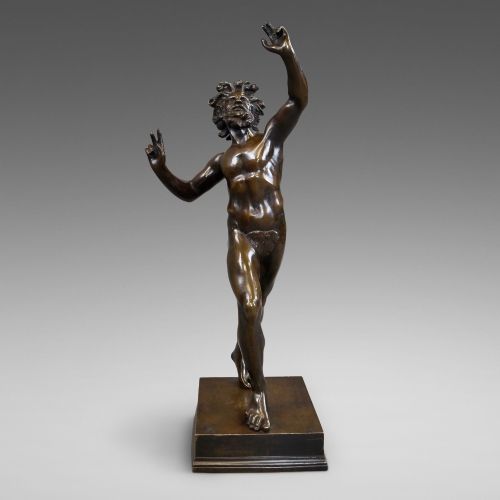
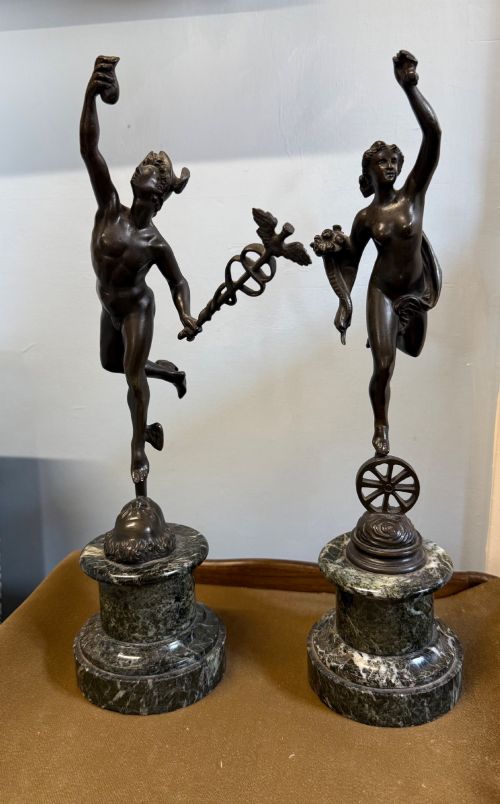
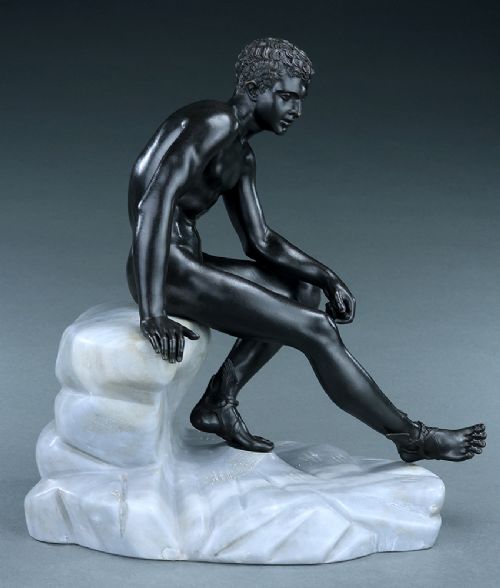
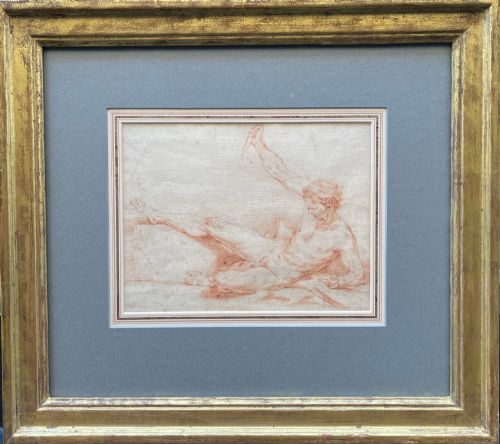
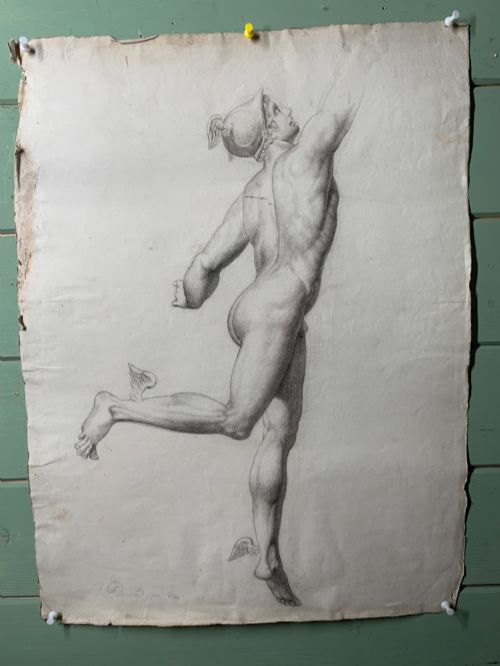
A classical mythological figure represents ancient deities, mortals, and legends drawn from Greek and Roman literature, rendered in physical form for domestic display. The pieces on this page span from the seventeenth century through to the early twentieth century, taking the form of freestanding bronze sculptures, oil paintings on canvas and panel, and glazed porcelain figurines.
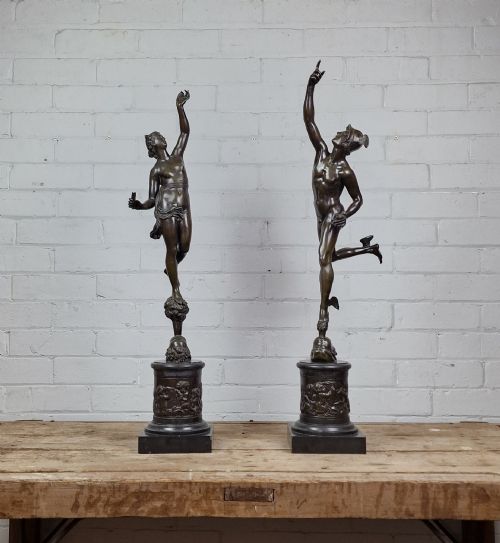
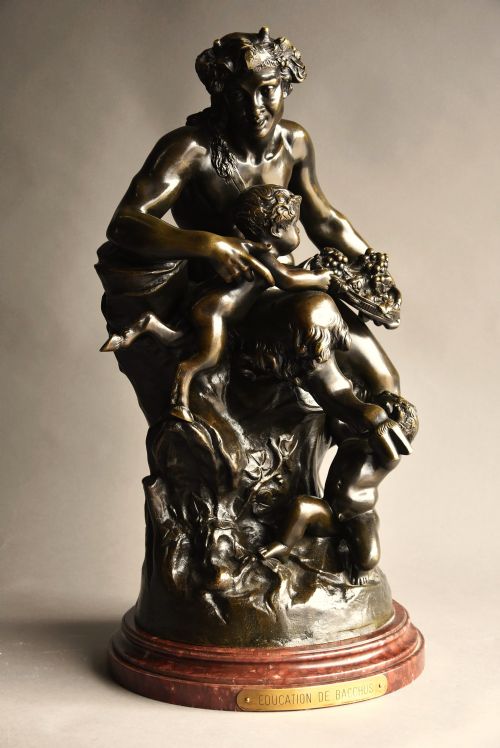
Many of these objects are nineteenth-century Grand Tour souvenirs or revival pieces modelled after famous antiquity sculptures found in European collections. Others draw on Renaissance and Baroque interpretations of deities such as Mercury, Venus, Bacchus, and Diana, placing mythological narratives into domestic interiors across Britain and Europe.
How They Were Made
Bronze sculptures utilise traditional casting methods, often finished with dark patination or gilt highlights to accentuate muscle and drapery. Marble and terracotta carvings involve skilled hand-chiselling and modelling to capture the fluidity of cloth and form seen in antique prototypes.
Painted works combine oil on canvas or panel with detailed brushwork, while porcelain figures employ hand-painted enamel glazes fired at high temperatures. Giltwood and gold leaf frequently frame these works or accent the bases upon which the figures stand.
Neoclassical and Grand Tour styles dominate the sculptural works, drawing directly from ancient Greek and Roman prototypes.
What Varies In Quality
In painted works and porcelain figures, quality appears in the subtlety of the colour blending, the delicacy of the brushwork in facial expressions, and the stability of the support or glaze. Master-workshop execution displays a command of light and shadow that cheaper commercial copies omit.
Barbedienne·Claude Michel Clodian·Emile Carlier·Royal Crown Derby·Samson Paris
The Classical Mythological Figure Glossary
- Grand Tour
- A cultural trip undertaken by wealthy young Europeans to the continent, resulting in the acquisition of small bronzes and souvenirs. These miniature sculptures replicated famous antiquities.
- Patination
- The chemical or natural surface alteration on metal or bronze over time. Dark patination was frequently applied deliberately to nineteenth-century bronzes to mimic ancient excavated metal.
- Neoclassical
- An artistic movement drawing inspiration from the classical art and culture of ancient Greece and Rome. This style dominated late eighteenth and nineteenth-century sculpture and painting.
- Terracotta
- Fired clay used for sculptural models and finished figures. It allows for expressive, direct hand-modelling by the artist before firing.
- Giltwood
- Wood that has been treated and coated with a thin layer of gold leaf. It appears on frames and decorative bases supporting figures.
Classical Mythological Figure: Frequently Asked Questions
What is a Grand Tour bronze?
A Grand Tour bronze is a small-scale replica of an ancient sculpture purchased by travellers touring Italy and Europe during the eighteenth and nineteenth centuries.
These pieces served as educated reminders of classical art and culture, designed to be displayed on desks or mantelpieces in British homes.
How do I identify the god or hero?
Attributes provide the primary clue for identification, such as winged sandals for Mercury or a bow and quiver for Diana. Accompanying animals, like a goat for Pan or dolphins for Venus, also point to specific mythological figures.
Inscriptions on the base or records from the foundry often confirm the subject matter explicitly.
Are these pieces antique?
The listings on this page span from the seventeenth century through to the early twentieth century, encompassing Georgian, Victorian, and Edwardian periods. Many draw inspiration from much older Roman and Greek prototypes.
Stylistic conventions, materials, and foundry marks help establish the actual date of manufacture for each individual object.
Where were these figures displayed?
In period interiors, these figures occupied libraries, studies, and drawing rooms as expressions of classical learning and refined taste. Bronze groups and marble statues stood on pedestals or tabletops, while smaller porcelain figurines sat within display cabinets.