



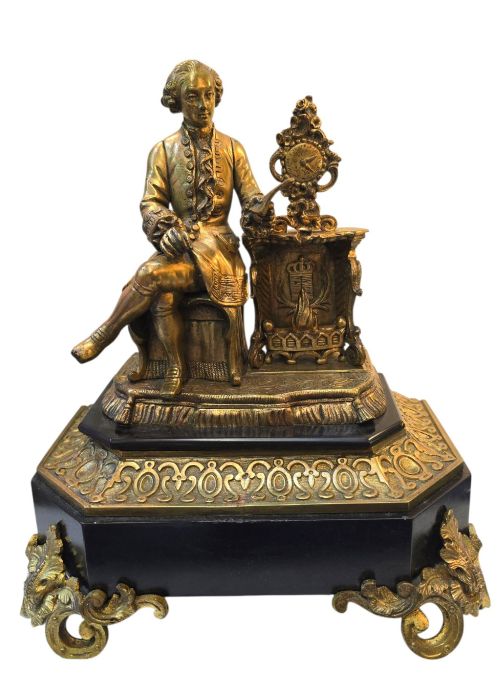
Neoclassical Figure Sculpture
Neoclassical figure sculpture brings home the carved deities, mythological heroes and imperial busts collected on the Grand Tour.
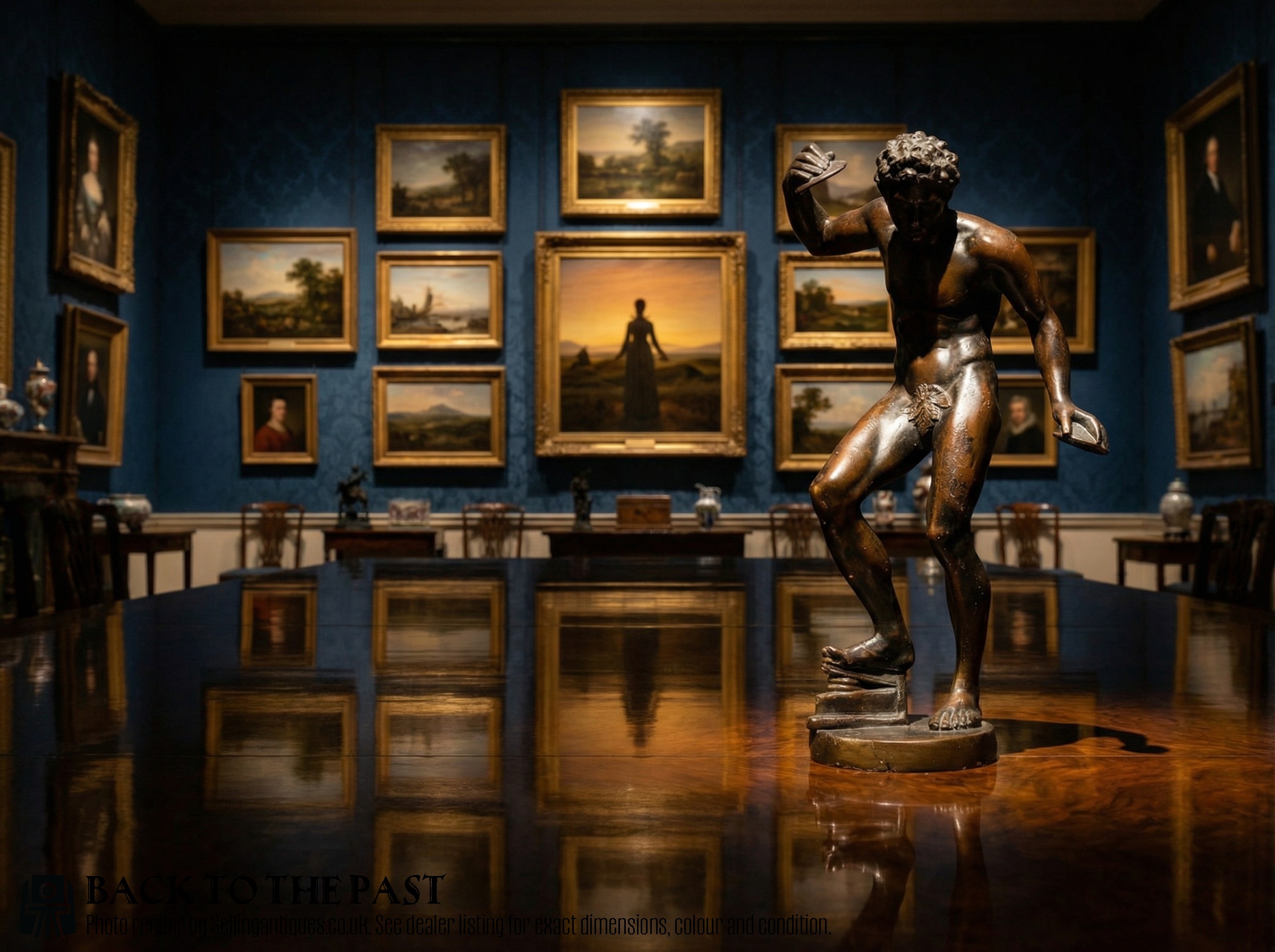
Neoclassical Figure Sculpture
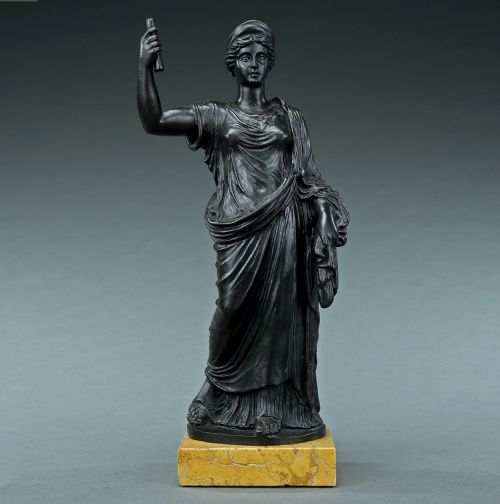
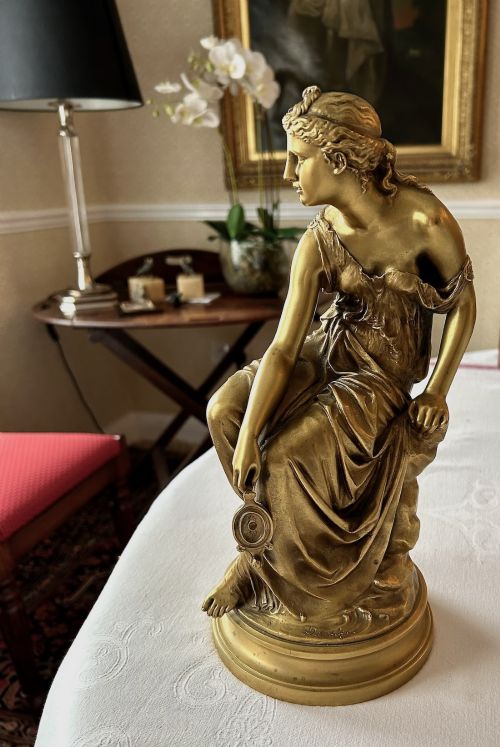
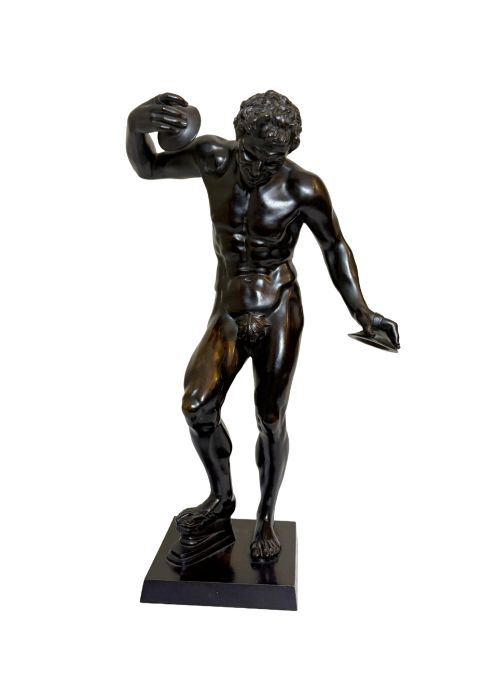
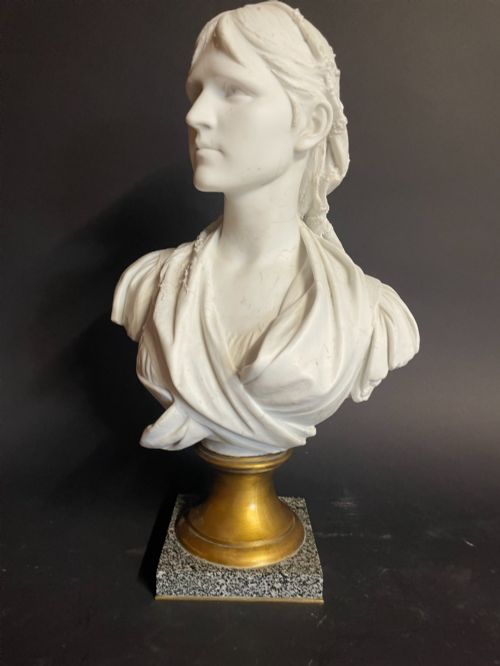
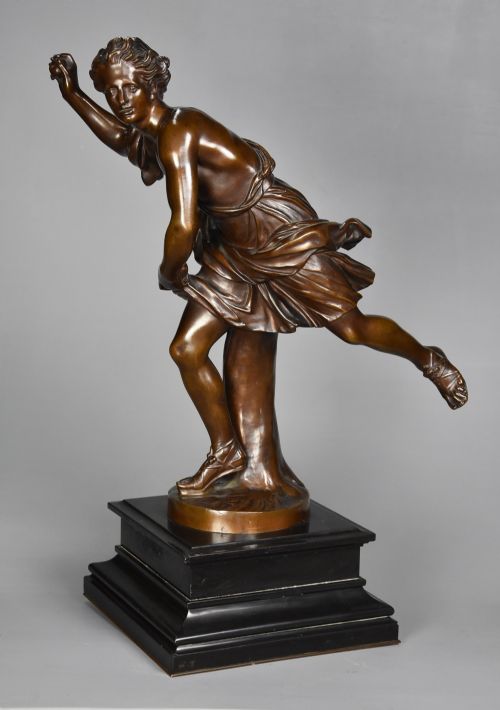
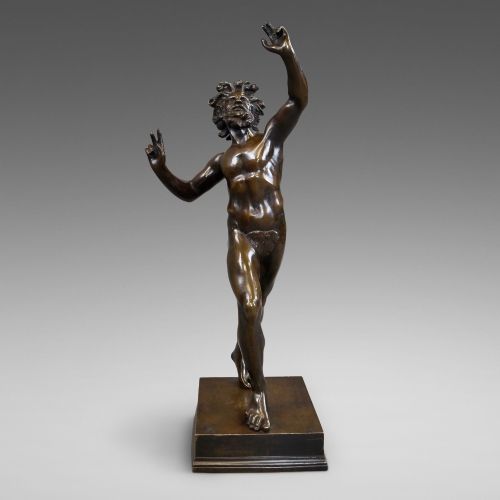
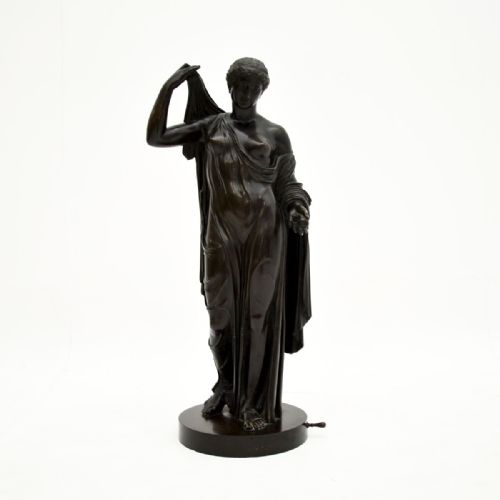
Neoclassical figure sculpture comprises bronze, marble, and gilt metal statues, busts, and figurines modelled on ancient Greek and Roman prototypes. These works capture the nineteenth-century fascination with classical antiquity, often produced as souvenirs for travellers or as library ornaments for domestic display.
The selections encountered here span the nineteenth century, including French neoclassical works, Victorian period pieces, and early twentieth-century revivals. Common subjects range from mythological deities like Venus and Bacchus to philosophers, Roman soldiers, and portraits of historical figures.
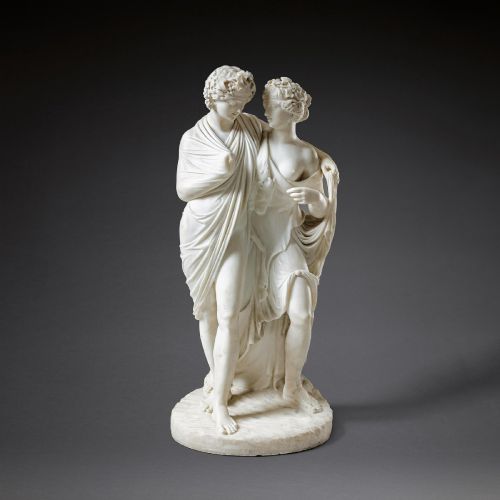
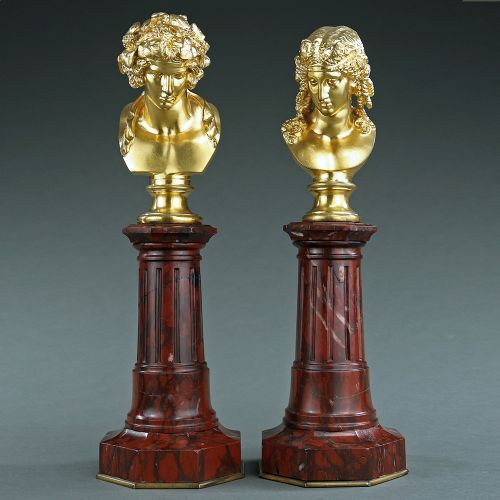
The forms vary from large sculptural groups on marble bases down to miniature bronze figures and portrait busts of Caesars. Many derive directly from famous antiquities housed in Italian museums and archaeological sites, translated into portable scales for collectors.
How they were made
Makers utilised traditional casting methods for metal pieces, producing patinated, gilt, and verdigris bronze works, alongside occasional cast iron and spelter editions. Founders applied chemical patination or mercury gilding to achieve the desired surface finish on the bronze.
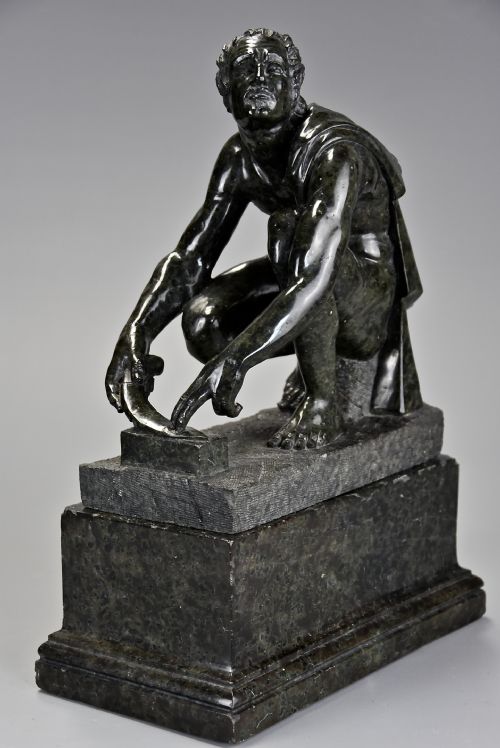
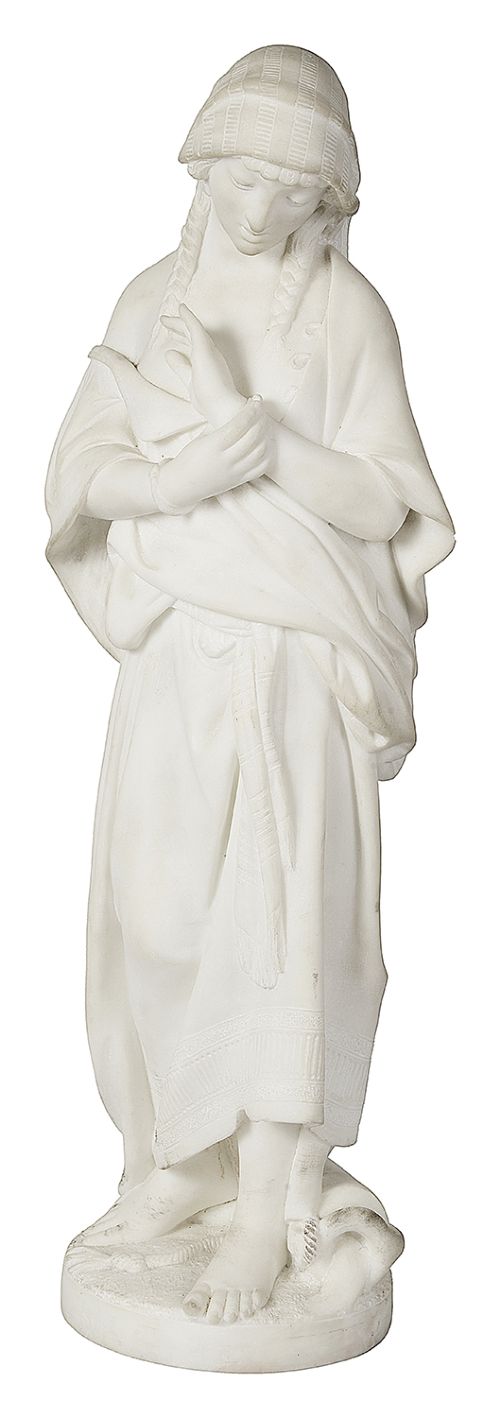
Carved stone pieces required skilled hand work in white Carrara marble, serpentine, verdo prato, and grey marble, frequently mounted upon contrasting coloured marble bases. Stucco, parian porcelain, and wood also appear as sculptural media for these classical subjects.
Listings feature works in bronze, white Carrara marble, parian porcelain, and cast iron.
What varies in quality
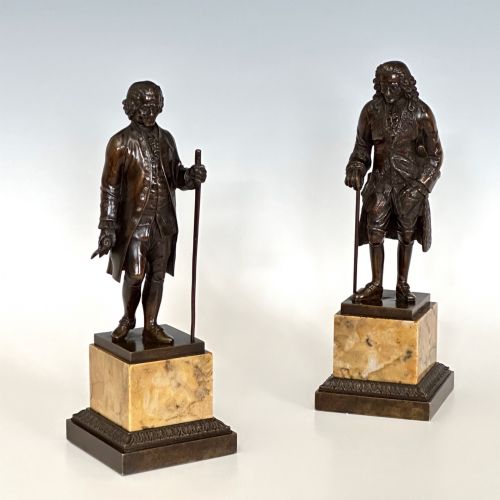
The integrity of the material combination dictates the standing of a piece, such as the harmonious pairing of bronze figures with genuine Siena or grey marble bases. Known foundries and named sculptors elevate the standing of a work through documented skill and signatory precision.
Etienne-Henri Dumaige·Ferdinand Barbedienne·Carlo Albacini·Barranti·Coustou·Émile Louis Picault·Eugene Aizelin·Antonio Canova·Johann Heinrich Dannecker·Jean Antoine Houdon
The Neoclassical Figure Sculpture Glossary
- Grand Tour
- A traditional educational journey through Europe undertaken by upper-class young men, acquiring art and antiquities as souvenirs along the way.
- Patinated bronze
- Metal sculpture treated with chemical solutions to produce a controlled surface colour, ranging from deep brown to green.
- Carrara marble
- A type of white or blue-grey marble quarried in the city of Carrara in Tuscany, prized for classical sculpture.
- Spelter
- An alloy of zinc and lead often used as a cheaper alternative to bronze for nineteenth-century figurative castings.
- Verdo prato
- A dark green ornamental marble frequently utilised for architectural details and small sculptural supports.
Neoclassical Figure Sculpture: Frequently Asked Questions
What is a Grand Tour bronze?
A Grand Tour bronze is a small-scale replica of a famous classical sculpture, purchased by travellers visiting Italy during the nineteenth century.
These pieces served as portable reminders of classical art and culture, designed to be displayed in studies and libraries across Europe.
How do I identify marble types?
Marble types are distinguished by their colouration and veining, with white Carrara showing subtle grey streaks and green stones like verdo prato displaying mottled tones.
Examining the base and support materials often reveals the regional origin of the Italian workshop that produced the sculpture.
Were these sculptures made in pairs?
Many nineteenth-century classical figures and portrait busts were produced as balanced pairs depicting complementary mythological characters or Roman emperors.
Foundries frequently cast symmetrical literary or historical counterparts, such as philosophers or opposing rulers, to decorate mantelpieces.
How should I care for bronze figures?
Bronze sculptures require gentle dusting with a soft, dry cloth to protect the original patination from abrasive particles.
Applying wax is unnecessary unless recommended for specific finishes, and moisture should be kept away from both the metal and any attached marble bases.