



19th Century Grand Tour Statue
When you search for a 19th century grand tour statue, you enter the sophisticated world of classical sculpture souvenirs collected by travellers abroad.
19th Century Grand Tour Statue
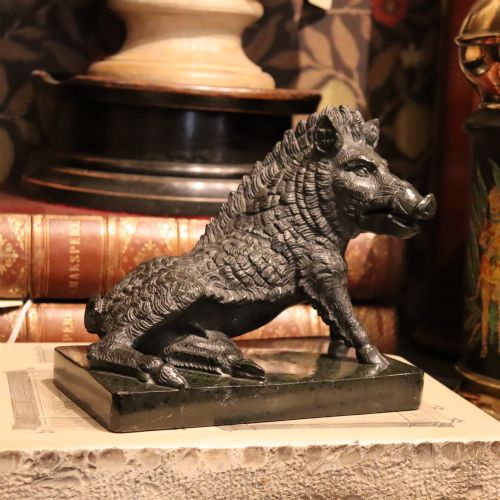
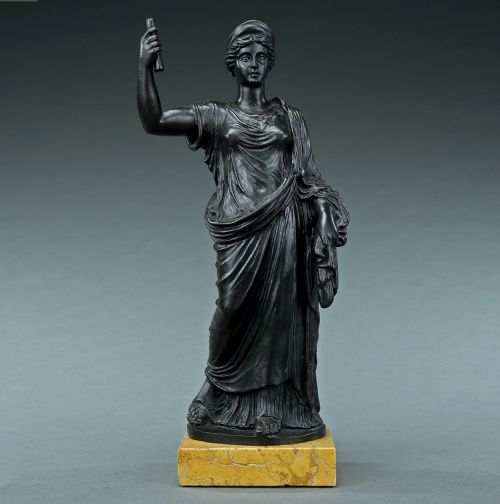
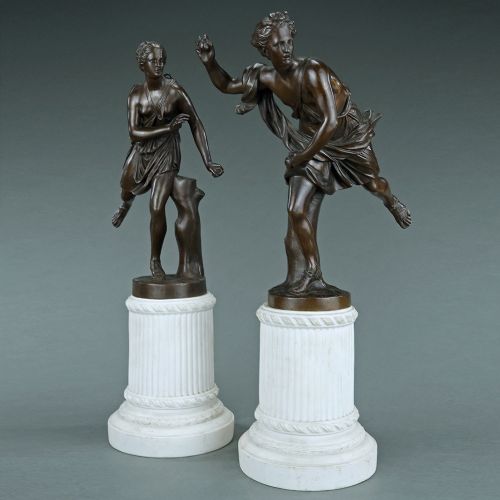
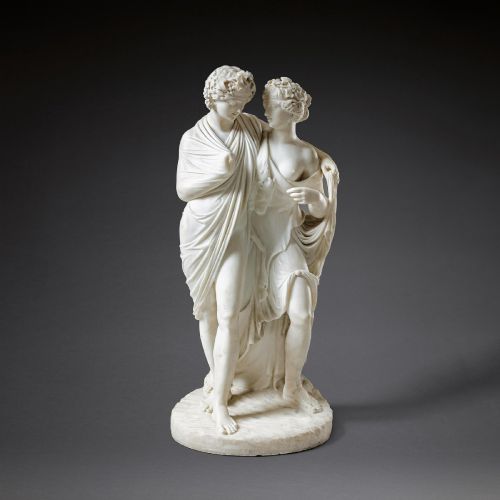
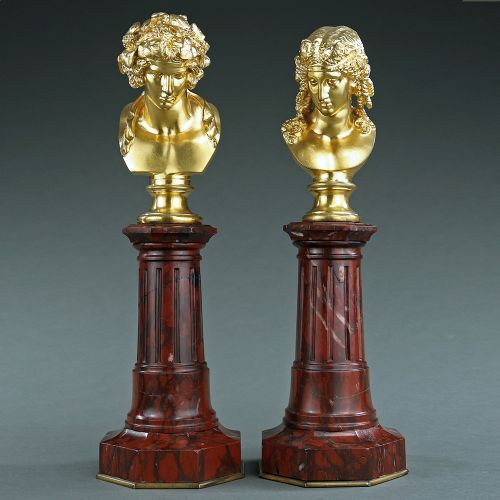
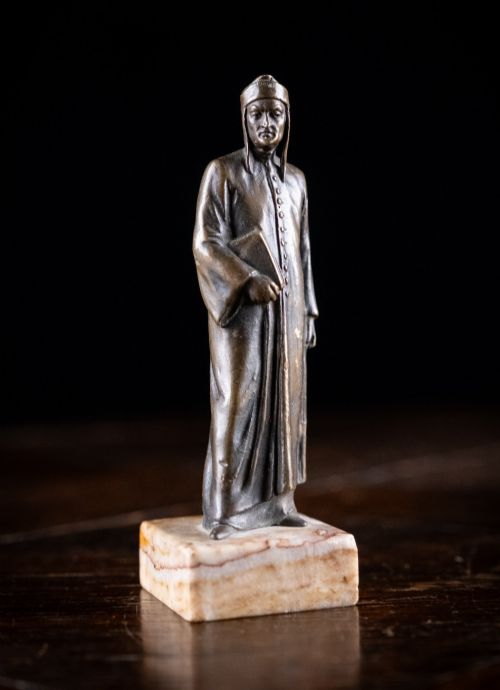
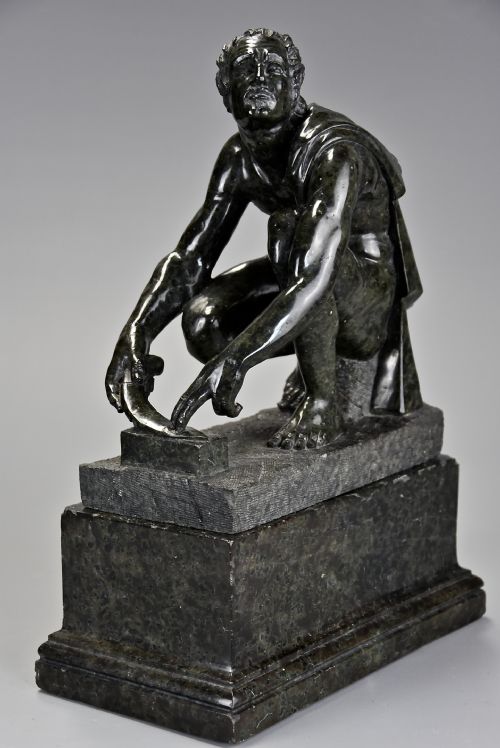
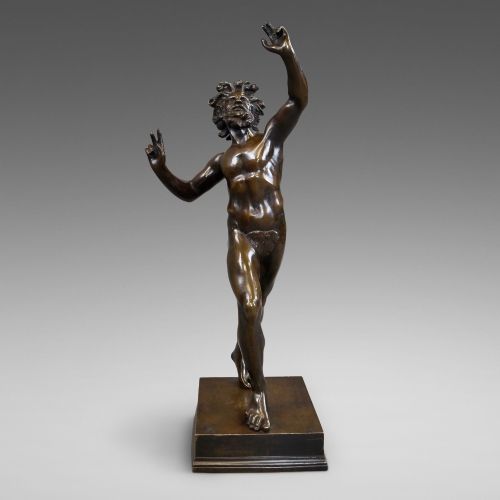
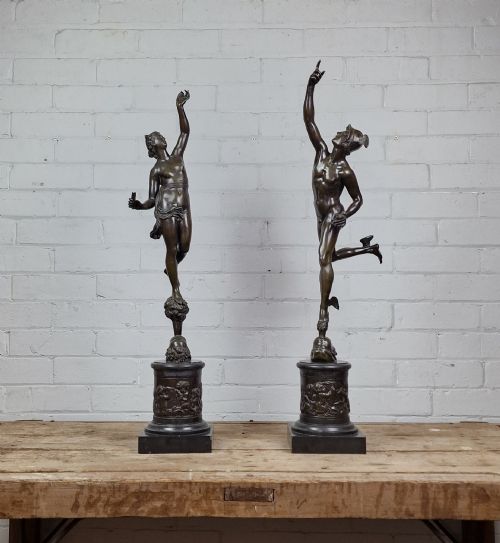
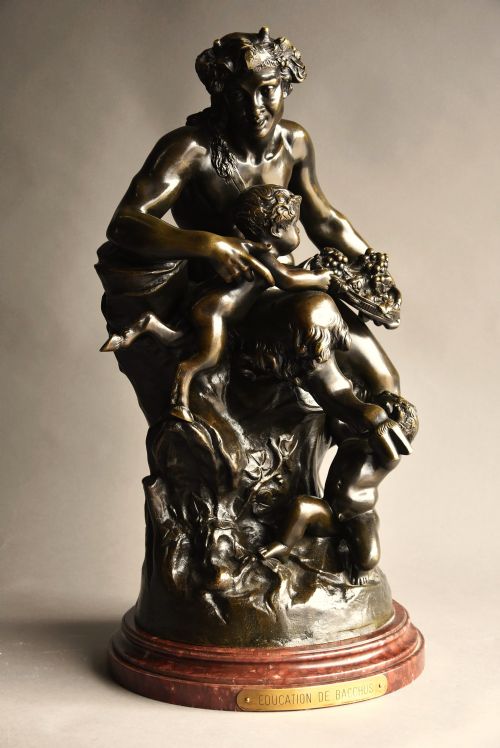
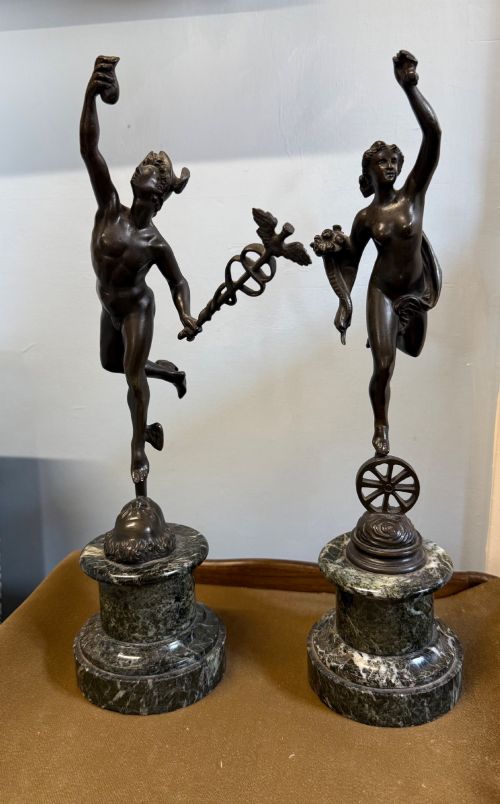
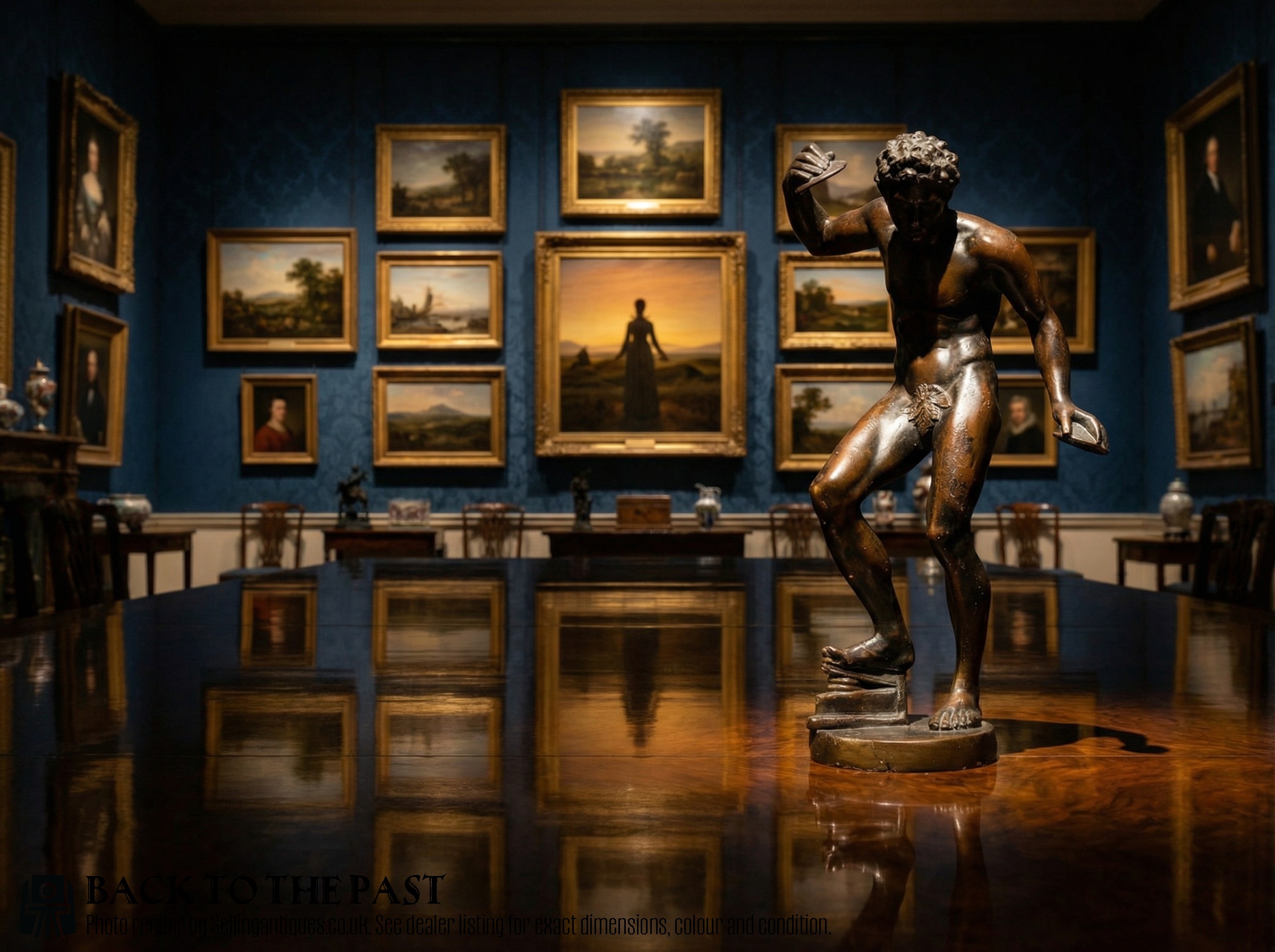
A 19th century grand tour statue comprises miniature or reduced-scale bronze, marble, and terracotta figures modelled after celebrated antiquities and Renaissance masterpieces.
You will most frequently encounter bronze figures mounted on marble bases, depicting mythological deities, Roman emperors, and classical architectural motifs.
Italian and French workshops produced these pieces extensively throughout the Victorian era to satisfy the cultural ambitions of travellers returning from educational journeys.
How They Were Made
Foundries utilised the lost-wax casting technique for bronze figures, allowing artisans to capture intricate musculature and drapery before applying chemical patination.
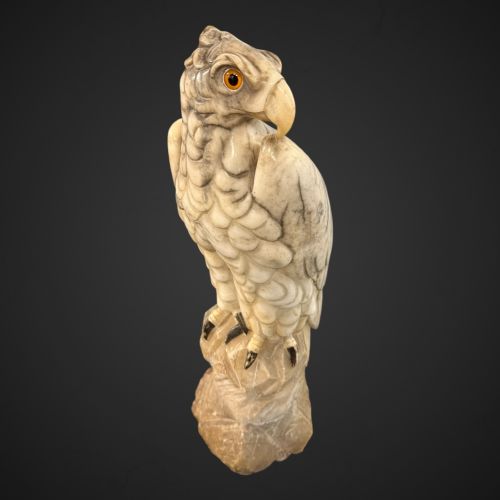
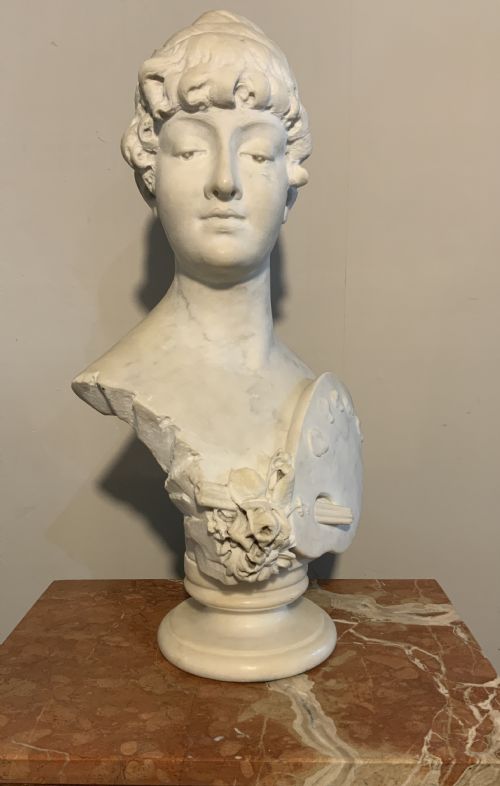
Stone pieces relied on meticulous hand-carving in Carrara marble, veined varieties, and serpentine to translate monumental classical statues into portable cabinet sculptures.
Listings feature bronze, Carrara marble, terracotta, and serpentine materials shaped into mythological figures, portrait busts, and lions.
What Varies in Quality
The nuance of the chasing work on bronze surfaces separates standard commercial foundry output from pieces displaying crisp anatomical definition and deliberate chisel work.
The selection of the mounting plinth, such as fossil marble or specialised hardstones, indicates the care taken in the final assembly of the souvenir.
Ferdinand Barbedienne·Carlo Albacini·Hamo Thornycroft·Émile Louis Picault
The 19th Century Grand Tour Statue Glossary
- Patination
- The chemical or natural surface colouring applied to bronze sculptures to simulate age or create specific tonal effects. This treatment ranges from deep black to warm green.
- Neoclassical
- The dominant artistic style of the period drawing inspiration from the classical art and culture of ancient Greece and Rome. It prioritises restraint and symmetry.
- Verdo prato
- A green ornamental stone or marble frequently utilised for architectural details and statue bases during the period. It provides a rich, mottled background for metal figures.
- Reduction
- A smaller scale copy of a large monumental sculpture, achieved through specialised measuring instruments utilised by 19th-century foundries.
19th Century Grand Tour Statue: Frequently Asked Questions
What is a grand tour statue?
These pieces are portable bronze or marble sculptures collected by affluent travellers touring cultural centres in Italy and France during the nineteenth century.
They served as tangible evidence of a classical education and a refined appreciation for antiquity.
Which materials were used most often?
Foundries relied heavily on cast bronze with varying patinations, alongside marbles such as Carrara and serpentine for bases and standalone carvings.
Some examples incorporate gilt bronze or specialised stones like verdo prato to enhance visual contrast.
How do I identify the subject?
Subjects derive directly from ancient Greek and Roman mythology, historical figures, or celebrated Renaissance sculptures housed in European museums.
Inscriptions on the base or distinctive poses often reference specific antiquities like the Venus de Milo or the Borghese Gladiator.
Where should I display them?
These sculptures suit tabletops, mantelpieces, and dedicated cabinets where their detailed casting and compact proportions can be examined closely.
Ensure they rest on stable, level surfaces due to the considerable weight of the marble or bronze components.