



Classical Plaster Sculpture
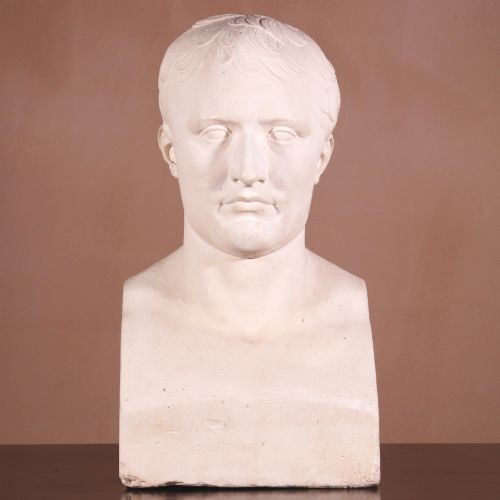
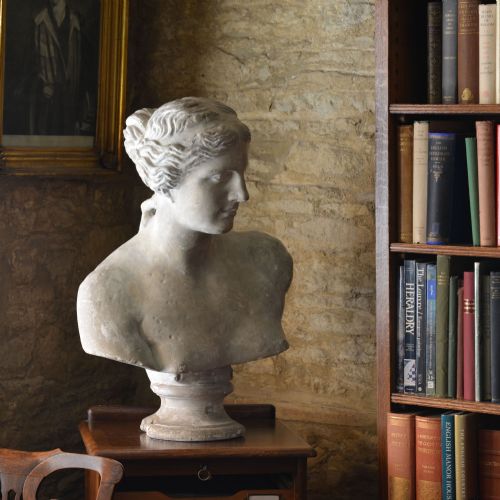
Classical plaster sculpture brings the solemn weight of antiquity into a room through moulded likenesses of Caesars, muses and classical heroes.
Classical Plaster Sculpture
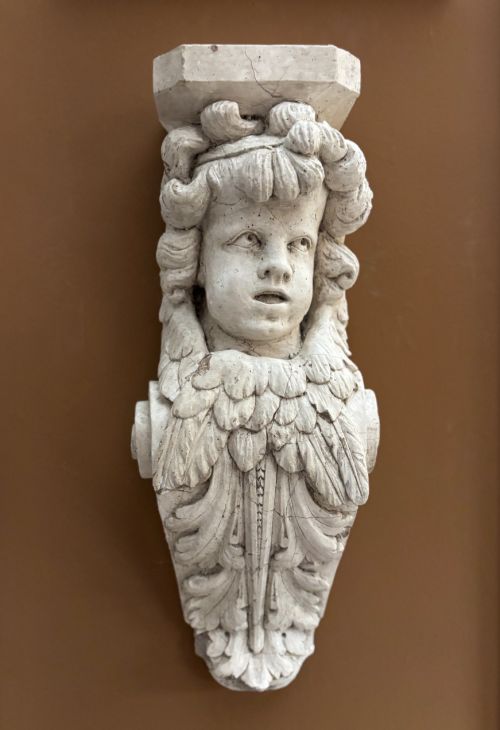
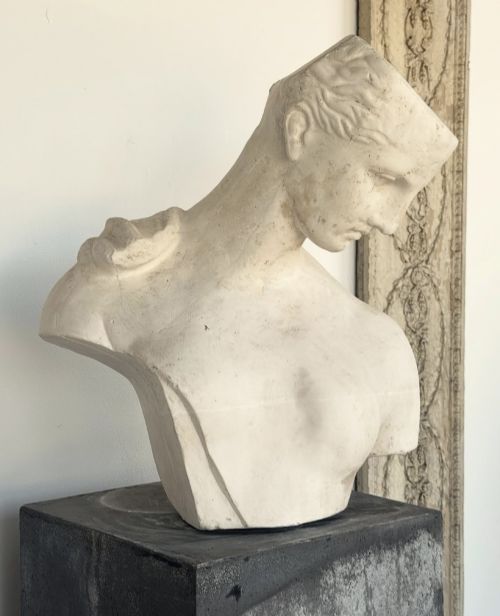
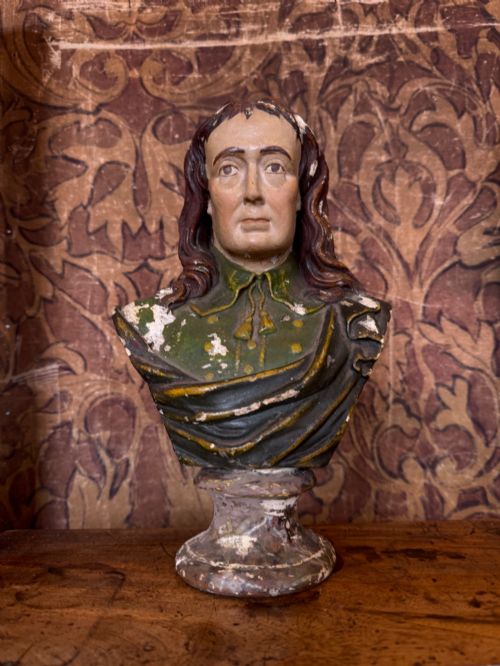
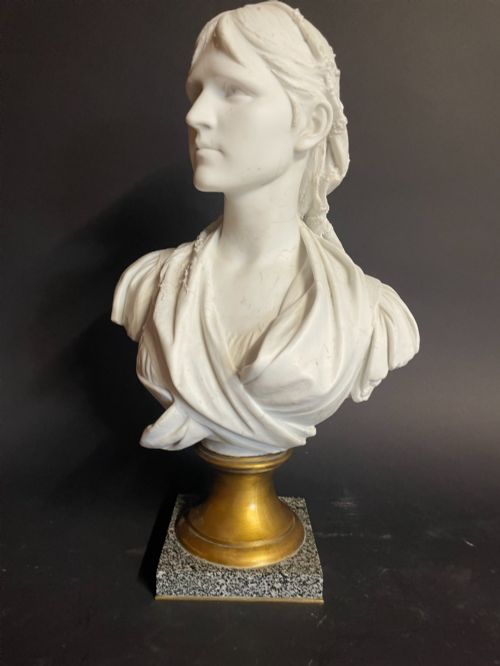
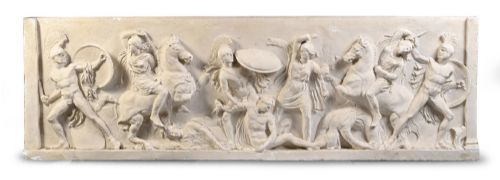
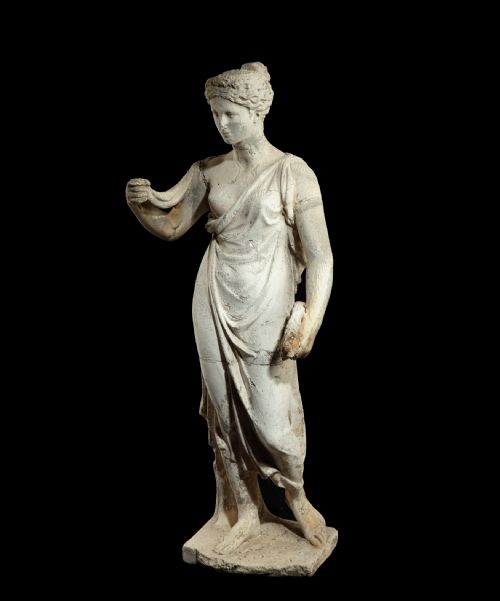
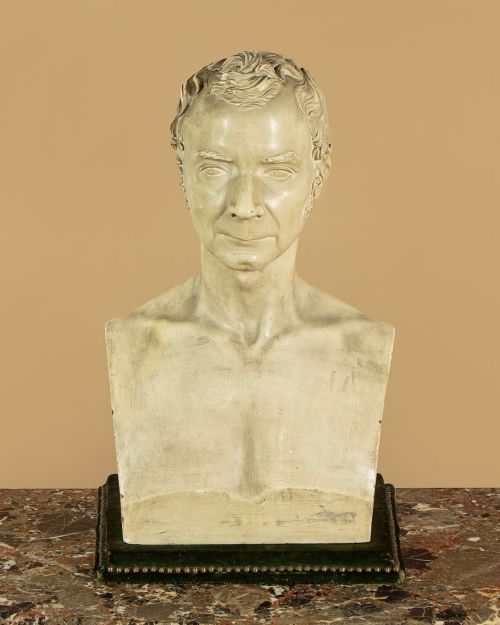
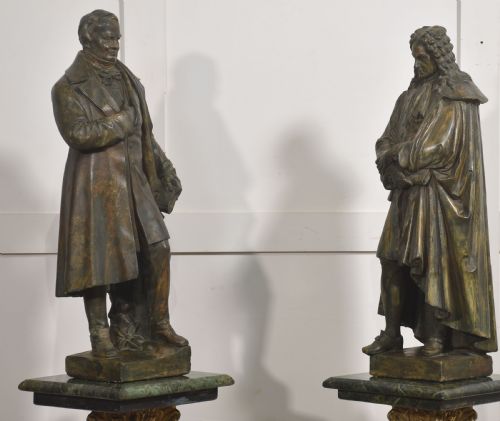
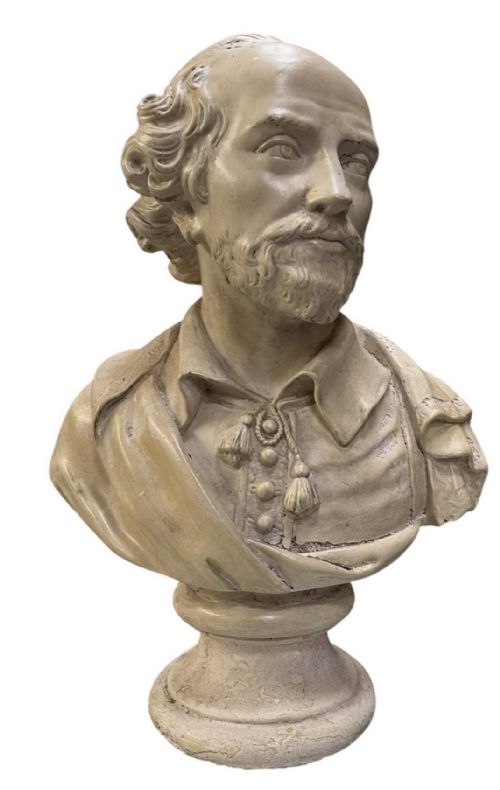
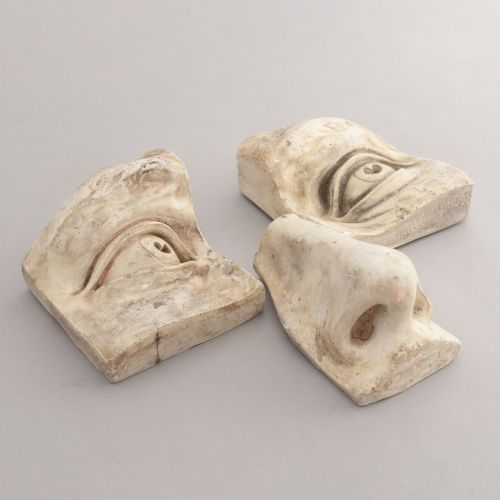
Classical plaster sculpture encompasses three-dimensional busts, wall plaques and full figures drawing upon ancient, Neoclassical and Renaissance models. These pieces record historical figures, literary characters and mythical subjects, often serving as library ornaments or Grand Tour souvenirs.
The selections span from the Regency era through the Victorian period and into the early twentieth century, including the Art Deco era. Buyers encounter French and Italian school works alongside English interpretations modelled after ancient marbles.
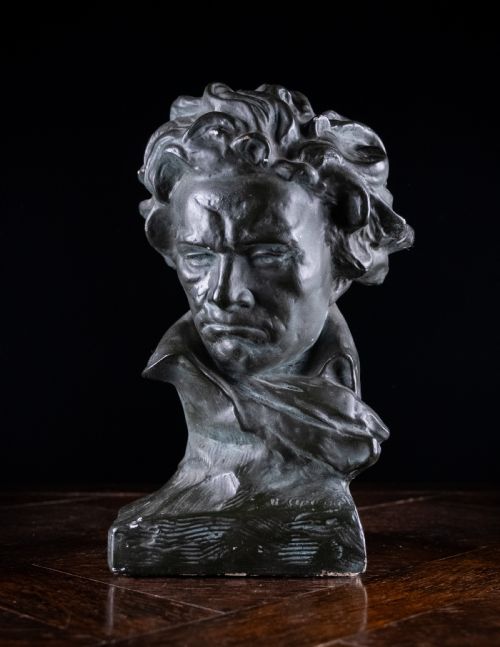
Portrait busts of historical figures like Beethoven, Shakespeare and Roman emperors dominate the offerings, frequently accompanied by relief sculptures and figures after Michelangelo and Donatello.
Materials and Construction
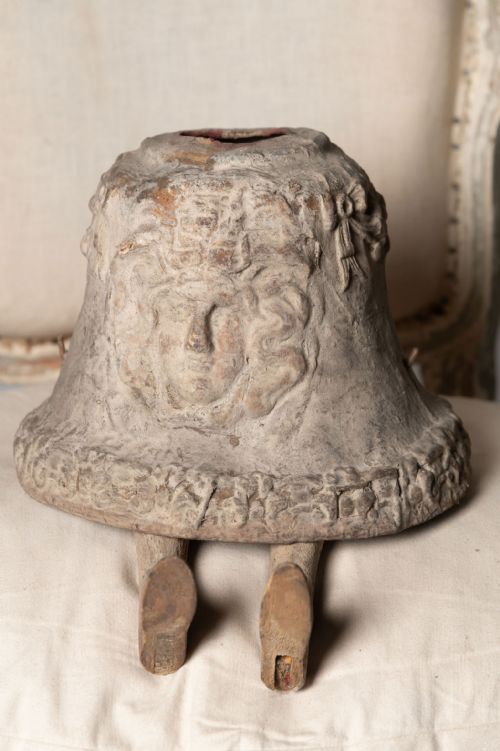
Plaster, gypsum, and gesso form the primary structural body of these works, frequently reinforced with wood or mounted on brass and terracotta elements. Makers cast these materials into moulds derived from ancient sculptures or original clay models.
Surface finishes range from simple paint and patinated chalk to gold leaf and scagliola effects, mimicking heavier stone or bronze. Marble dust is also utilised in reliefs to achieve a denser, more stone-like texture.
Many items incorporate pedestals, brackets, or wooden backing to support the weight of the cast, reflecting the methods of nineteenth-century workshops and theatre properties.
Classical Plaster Sculpture Retail Price Guide 2026
Typical asking prices for classical plaster sculpture among the pieces listed under this phrase on Sellingantiques today, from the lower quarter to the upper quarter. They describe what is for sale here now, not the wider market.
Listings feature 19th-century works alongside 1930s pieces, uniting Neoclassical and Art Deco styles through the medium of plaster.
Markers of Quality
Quality rests primarily in the crispness of the cast and the fidelity to the original source model, distinguishing a sharp rendering from a softened copy. Finer pieces retain the subtle musculature, facial expressions and crisp drapery lines intended by the sculptor.
The treatment of the surface finish dictates the visual success of the piece, where skilful painting or patination enhances the illusion of stone or bronze without obscuring fine detail. Substantial weight and solid construction, including well-formed brackets or integral pedestals, separate robust studio works from fragile alternatives.
Raffaelo Monti·Humphrey Hopper·Dopmeier·Octave Galliard-Sansonetti·B. Rezl
The Classical Plaster Sculpture Glossary
- Plaster
- A workable mixture of gypsum or lime with water that sets hard upon drying. It serves as the principal medium for casting portable copies of antique sculpture.
- Grand Tour
- A traditional trip through Europe undertaken by upper-class young men in the eighteenth and nineteenth centuries. Travellers collected classical sculpture reductions and plaster casts as cultural mementos.
- Scagliola
- A composite material made from selenite, glue and pigments, mimicking marble and other hard stones. It appears in pedestals and architectural ornaments.
- Relief
- Sculptural elements carved or cast to project from a flat background. These include wall plaques and panel depictions of historical scenes.
- Gesso
- A white paint mixture consisting of a binder mixed with chalk, gypsum or pigment. It prepares the surface of casts to receive paint or gilding.
Classical Plaster Sculpture: Frequently Asked Questions
What is a plaster cast?
A plaster cast is an object created by pouring liquid plaster into a mould taken from an original sculpture. This technique allowed workshops to produce accurate replicas of famous ancient and Renaissance works for study or display.
These replicas brought museum art into private libraries, schools and homes during the nineteenth and early twentieth centuries.
How were these sculptures displayed?
Sculptures were traditionally placed on dedicated pedestals, wall brackets, or library shelves to elevate them for viewing. Full figures and large busts required sturdy wooden or scagliola pedestals to support their significant weight.
Smaller reliefs and wall plaques were hung directly on walls, often integrated into the wood panelling of Victorian and Edwardian interiors.
What is the Grand Tour connection?
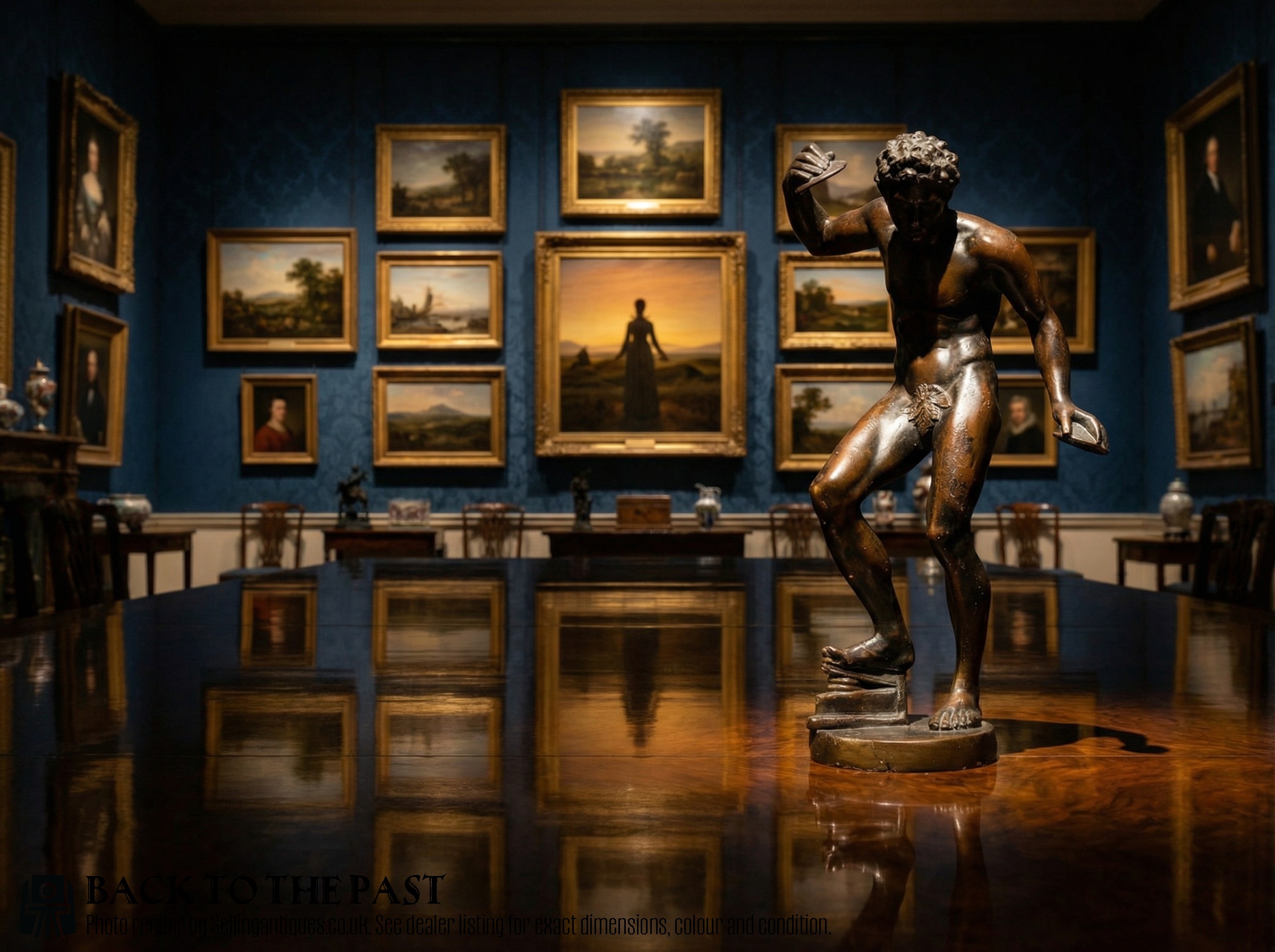
The Grand Tour encouraged travellers to bring home portable representations of classical antiquity, including plaster figures of famous statues like the Dancing Faun. These objects served as evidence of a classical education and refined artistic taste.
Many nineteenth-century pieces on the market originated as these prized travel souvenirs.
How do I care for antique plaster?
Antique plaster requires a dry environment away from moisture, which can dissolve the gypsum and soften the material. Dusting should be done gently with a soft, dry brush rather than liquid cleaners.
Because the surfaces are often painted or patinated, abrasive cloths and water must be avoided to preserve the original finish.