


Farmhouse Pine Bench
A farmhouse pine bench brings honest utility and warmth to a room, offering simple seating built for everyday domestic life.
Farmhouse Pine Bench
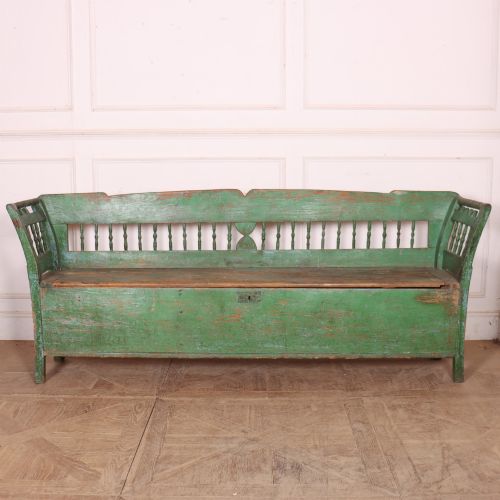
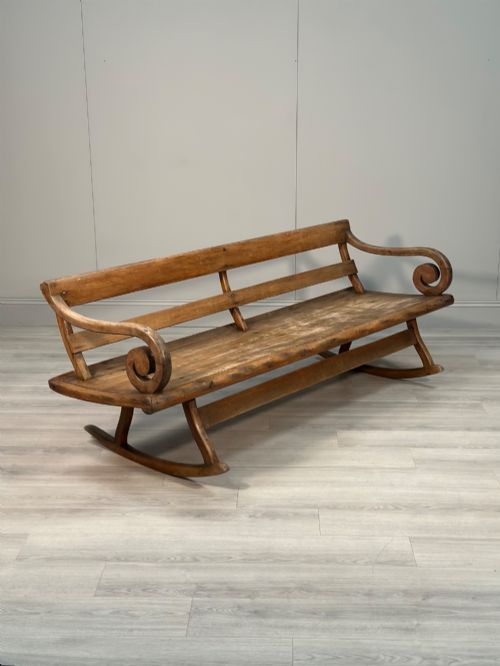
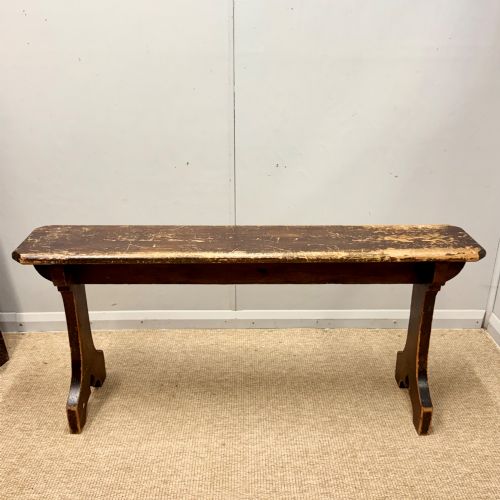
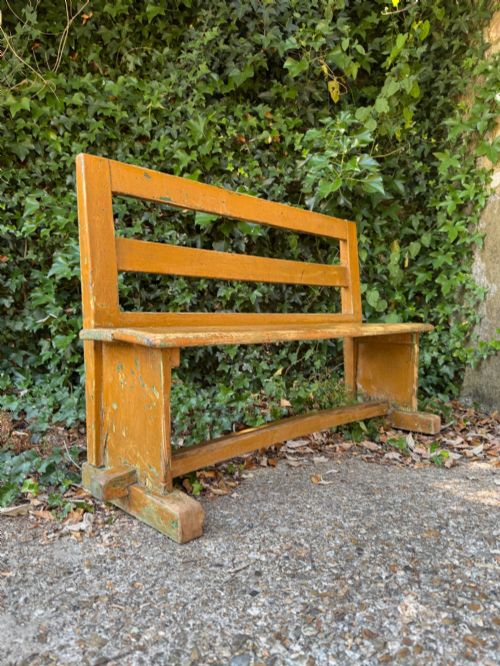
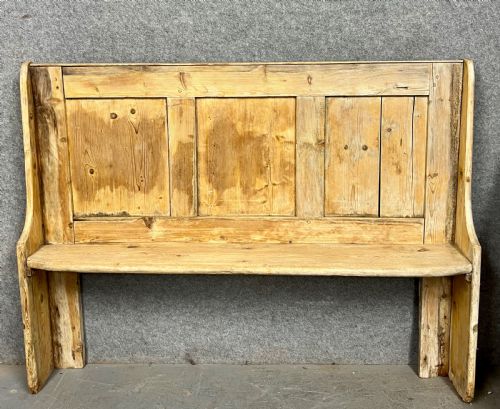
A farmhouse pine bench is a utilitarian seat built from timber for heavy daily use in kitchens, halls and dining spaces. When you search for a farmhouse pine bench, you encounter forms ranging from long dining seats and low coffee tables to high back settles and box benches with storage.
The selection here includes pieces originating from English, French, and Austrian country traditions. Many examples date from the nineteenth century, including specific years like 1850, 1890, 1900, 1910, and 1920, alongside Victorian era items.
Materials and Construction
These pieces are constructed primarily from pine and softwood timber, occasionally incorporating oak, sycamore, elm, or iron elements. Carpenters utilised solid boards for seats and backs, employing straightforward joinery suited to workshop production.
Surface finishes vary between natural waxed timber, scrubbed surfaces, and original painted coats in distressed green or other tones. Scratch built and primitive construction methods reflect the regional vernacular of the makers.
Some nineteenth century settles doubled as draught excluders and secret storage lockers for the family's Sunday boots.
Assessing Quality
Quality in these pieces rests upon the integrity of the timber and the honesty of the construction. Retained original paint finishes or deeply scrubbed surfaces demonstrate the historical treatment of the wood.
Proportion and scale distinguish finer examples, particularly in very long dining benches or curved settles. The balance between utilitarian strength and pleasing rural design dictates the standing of each piece.
The Farmhouse Pine Bench Glossary
- Pine
- A softwood timber commonly utilised in country furniture for its accessibility and workability. It takes wax and paint finishes readily.
- Settle
- A wooden bench with a high back and solid arms, often featuring a box seat for storage. It was designed to block draughts in farmhouse kitchens.
- Trestle
- A structural support consisting of a horizontal beam supported by two flared legs. This construction is frequently found on tables associated with benches.
- Scratch built
- A term indicating an item made individually by hand using basic workshop tools rather than factory machinery. Such pieces often display unique regional characteristics.
- Scrubbed
- A finish achieved through repeated vigorous cleaning of the wooden surface, removing old finishes to expose the pale timber underneath.
Farmhouse Pine Bench: Frequently Asked Questions
How do I use a pine bench in a modern home?
These benches fit naturally beside dining tables, in hallways, or against living room walls for casual seating. Their narrow depth allows them to sit comfortably in confined spaces without dominating a room.
Pairing a long bench with a rustic table creates an informal dining arrangement. Alternatively, a high back settle functions well as a standalone hall seat.
Are nineteenth century benches sturdy enough for daily use?
Nineteenth century pine and softwood furniture was built for heavy agricultural and domestic labour. The solid timber construction ensures enduring strength.
While joints may show age, the fundamental build remains robust for modern seating requirements. Regular care with wax helps preserve the timber.
What is the difference between a bench and a settle?
A standard bench provides simple horizontal seating supported by legs or trestles. It offers an open design suitable for moving easily around a room.
A settle incorporates a high back, solid sides, and sometimes a box base to keep out draughts. This enclosed form creates a sheltered seating nook by a hearth.
How do I identify French provincial pine benches?
French provincial pieces often exhibit distinct regional joinery and lighter framing compared to heavier English country furniture. Scrubbed sycamore and elm elements occasionally appear alongside pine.
These benches frequently accompany trestle tables in dining settings. Their proportions reflect the domestic habits of rural French households.