


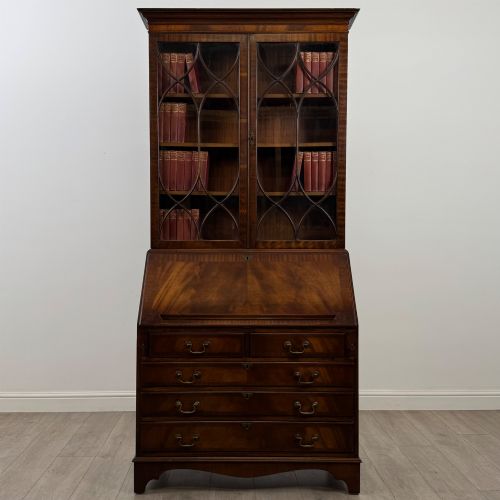
Fall Front Desk Cabinet
A fall front desk cabinet provides a concealed writing surface and internal compartments behind a hinged flap, combining storage with a compact workspace.
Fall Front Desk Cabinet
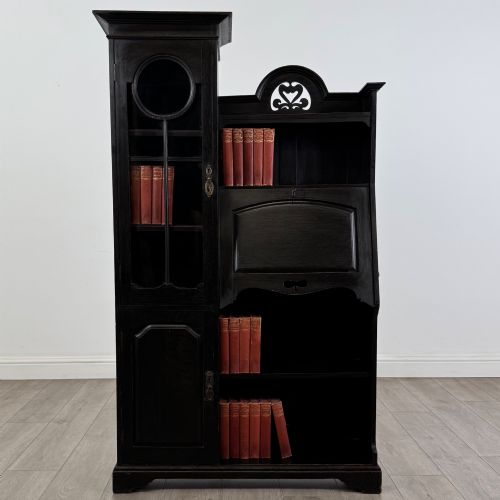
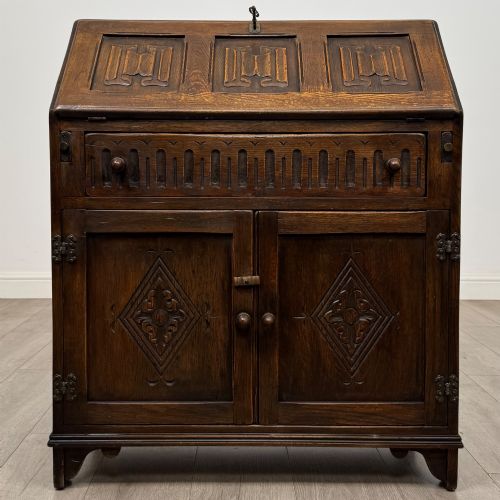
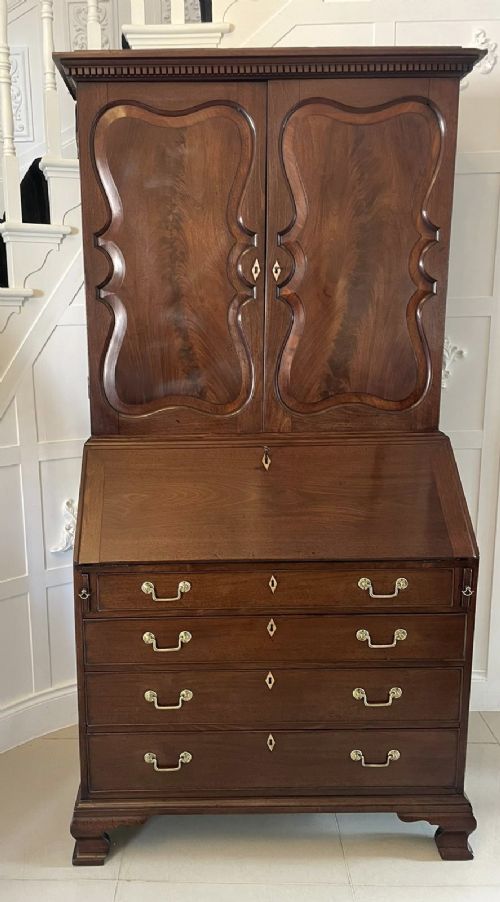
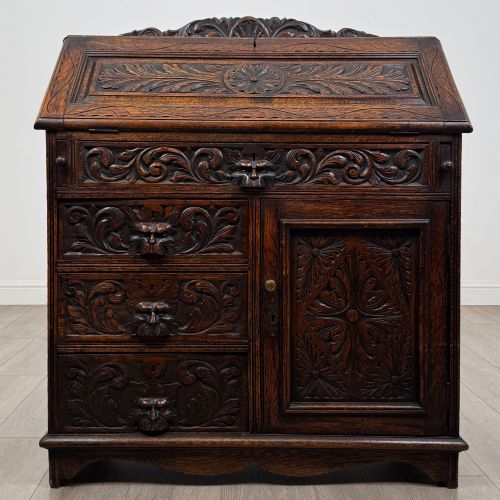
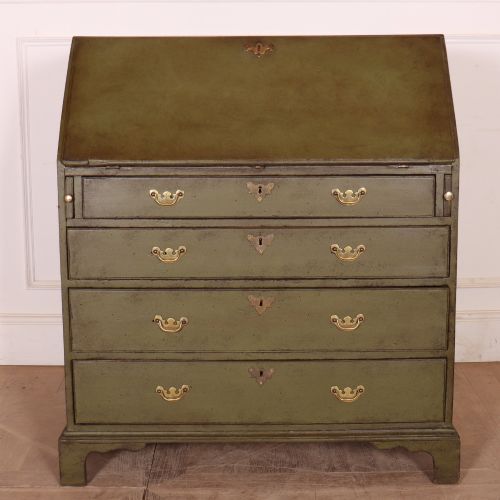
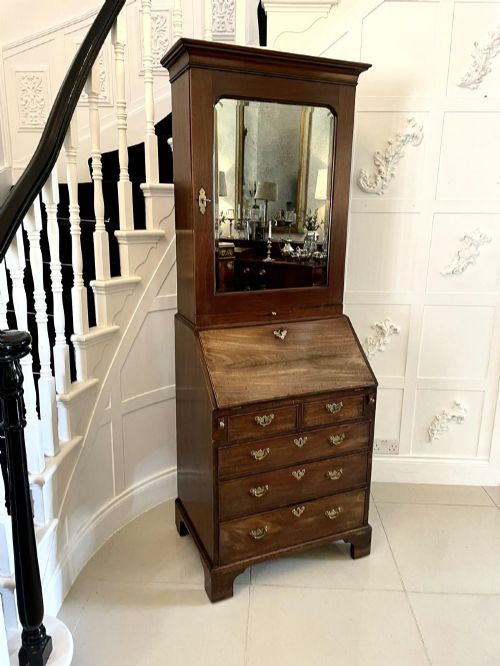
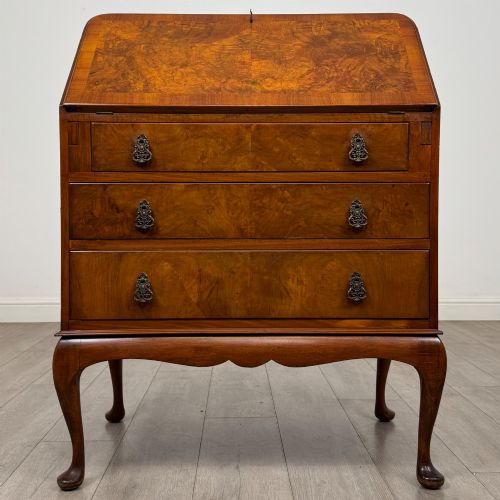
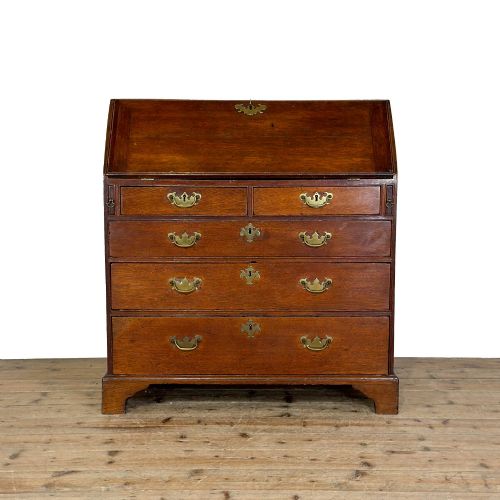
A fall front desk cabinet, appearing across titles as bureaux, secretaire abattants and escritoires, serves as a dual-purpose piece of furniture with a writing flap that drops open to reveal pigeonholes and small drawers. Buyers searching for a fall front desk cabinet encounter variations from simple oak examples to elaborate marquetry-inlaid bureau bookcases spanning multiple centuries.
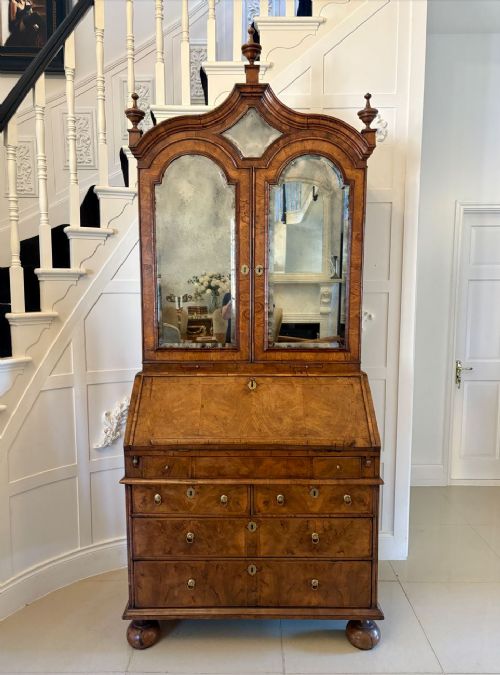
The material selection recorded in the evidence ranges from sturdy native timbers like oak and mahogany to decorative veneers such as burr walnut, accompanied by periods extending from the seventeenth century through the Edwardian era and into the twentieth century. Forms include compact fall front writing desks as well as taller two-part bureau bookcases fitted with glass-fronted upper sections.
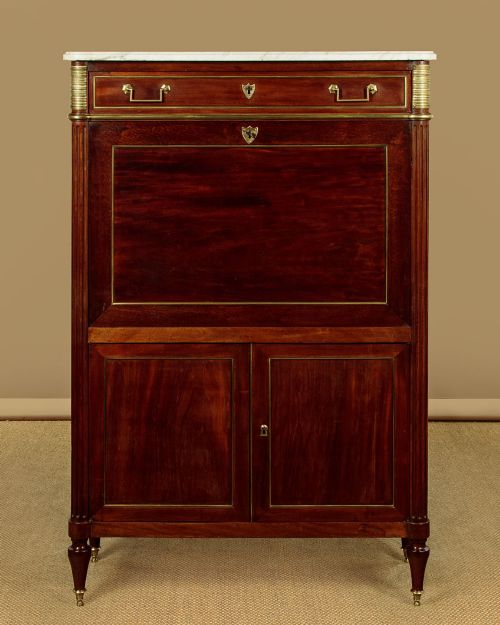
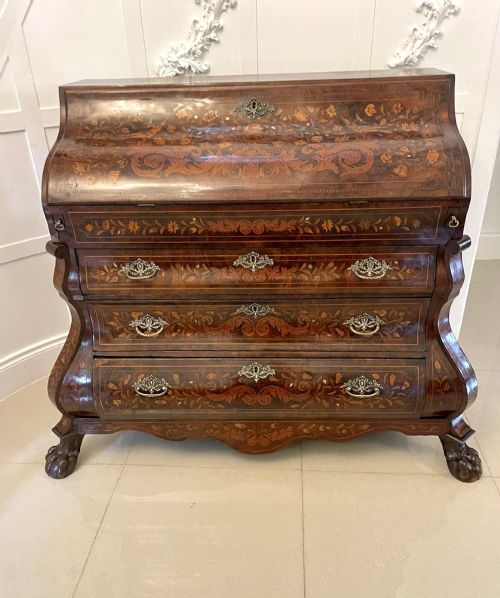
Regional and stylistic diversity shapes the selection, encompassing English Georgian pieces, French marquetry escritoires with marble tops, and Arts and Crafts designs from the Cotswold school. This variety ensures that buyers find both understated vernacular oak furniture and highly decorative walnut pieces featuring floral inlay or bombe shapes.
Materials and construction
Cabinet makers constructed fall front desk cabinets using solid timbers such as oak and mahogany for structural integrity, whilst applying decorative veneers like burr walnut and yew wood to prominent exterior surfaces. Techniques such as herringbone inlay, floral marquetry, and featherbanding enhanced the visual depth of walnut and mahogany facades.
Selected fall front desks include specialised adaptations, such as early oak bureau bookcases converted to house television sets.
Evaluating craftsmanship and detail
Quality in a fall front desk cabinet rests on the selection of figured veneers and the precision of the cabinet work, particularly around the hinge mechanisms and the internal stepped compartments. Pieces utilising high-grade burr walnut with matched grain patterns or intricate marquetry display a higher level of artisan skill than plain vernacular examples.
The integrity of the structural joinery, the retention of original brass hardware, and the harmony of proportion between the fall front section and any accompanying bookcase top distinguish finer examples from standard production pieces across the Georgian and Edwardian periods.
ARTHUR BASIL REYNOLDS·LARKIN
The Fall Front Desk Cabinet Glossary
- Bureau
- A desk with a sloping hinged lid or fall front that opens to reveal a writing surface and small compartments. This form evolved significantly between the seventeenth and nineteenth centuries.
- Secretaire abattant
- A tall vertical cabinet with a fall front writing flap, originating in France. These pieces often incorporate marble tops and fitted interiors.
- Escritoire
- A writing cabinet or desk, frequently featuring a drop-down writing surface and decorative marquetry or veneer work. The term often describes continental European forms.
- Marquetry
- Decorative veneer work where pieces of different woods, shell, or ivory are fitted together to form pictorial or geometric designs. It appears frequently on walnut and mahogany furniture.
- Bombe
- A swelling, outward-curved shape characteristic of furniture fronts and sides, seen on select eighteenth-century pieces. This silhouette requires advanced woodworking skill to execute.
- Featherbanding
- A type of inlay using thin strips of veneer arranged in a herringbone or V-shape pattern to frame drawer fronts and panels. It adds subtle linear detail to walnut furniture.
Fall Front Desk Cabinet: Frequently Asked Questions
What is a fall front desk cabinet?
A fall front desk cabinet is a piece of furniture featuring a hinged writing flap that opens forward to provide a horizontal surface for correspondence. Inside, these cabinets typically contain small drawers and pigeonholes for organising documents.
Historically referenced as bureaux or secretaire abattants, these pieces combine enclosed storage with a dedicated workspace that can be concealed when not in use.
How do I date an antique bureau?
Dating a bureau involves examining the construction techniques, timber choices, and hardware styles used by the cabinet maker. Earlier seventeenth and early eighteenth-century pieces frequently utilise oak or walnut with hand-cut dovetails and pegged joints.
Later Edwardian and twentieth-century interpretations often exhibit machine-sawn elements, different secondary woods, and revival styles that mirror Georgian or Queen Anne aesthetics.
What is the difference between a bureau and a bureau bookcase?
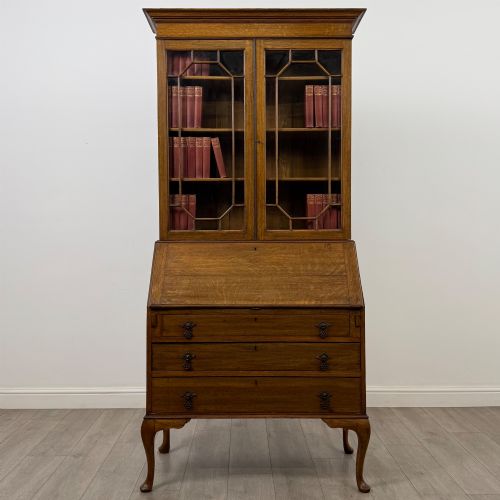
A standard bureau consists of a lower desk section with a fall front writing flap and storage drawers below. A bureau bookcase incorporates an upper shelving or cabinet section, often enclosed by glass doors, resting directly on top of the desk base.
This taller configuration provides additional display and storage space for books or collections while maintaining the integral writing desk function.
Where were fall front desks placed in a home?
Fall front desks were traditionally used in libraries, parlours, or private bedrooms as functional furniture for managing personal correspondence and household accounts. Their compact footprint made them suitable for rooms where a full-sized writing table took up too much floor space.
Today, they serve similar decorative and practical roles in home studies or living areas, offering concealed storage for modern stationery or laptops.