


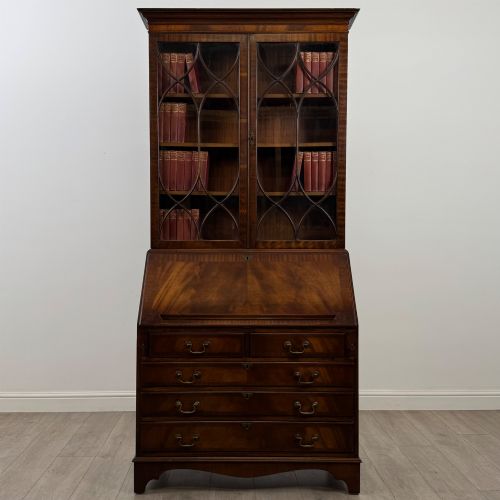
Fall Front Bureau Cabinet
A fall front bureau cabinet provides a concealed writing surface and storage, and these pieces suit studies and living rooms alike.
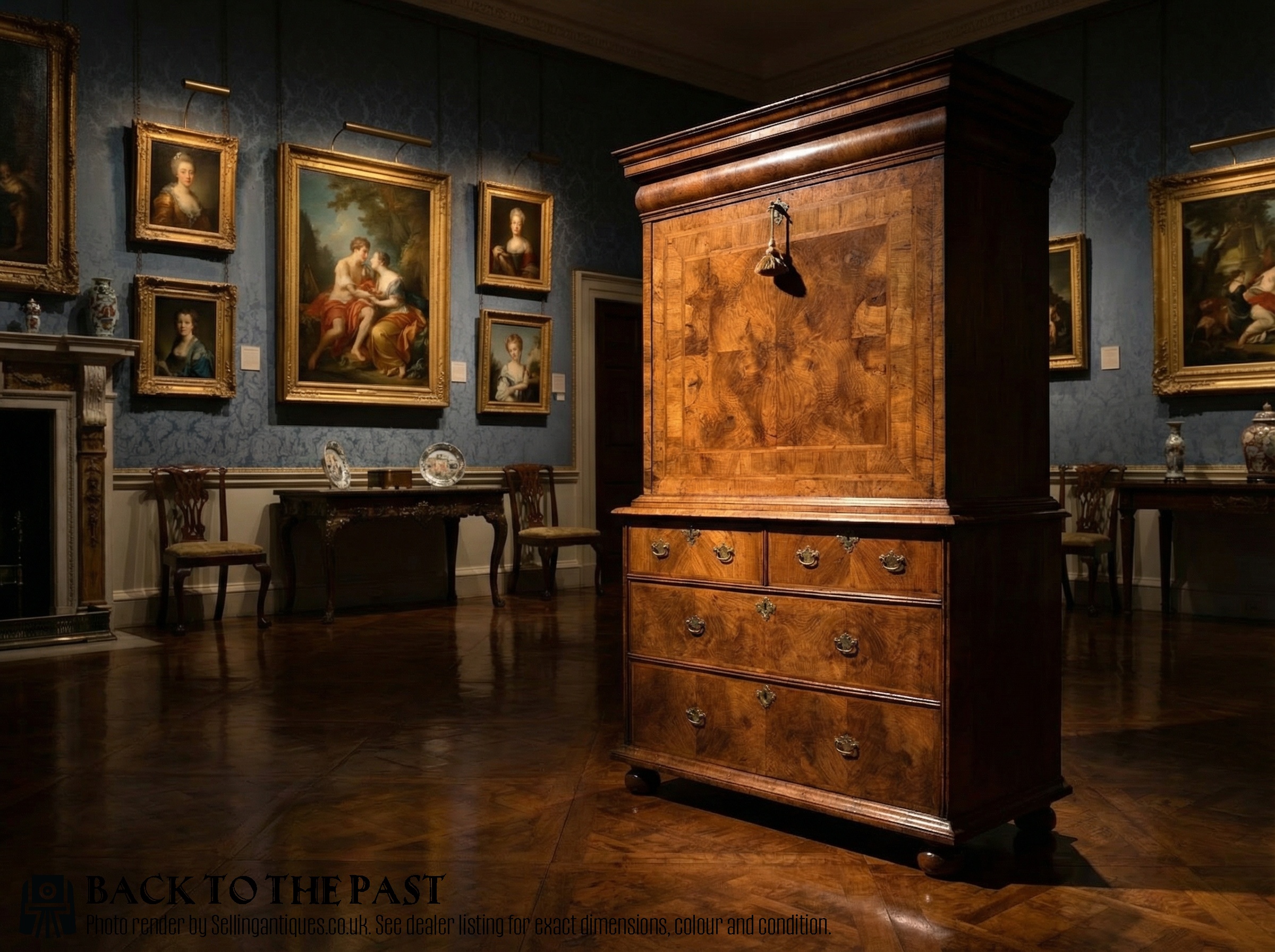
Fall Front Bureau Cabinet
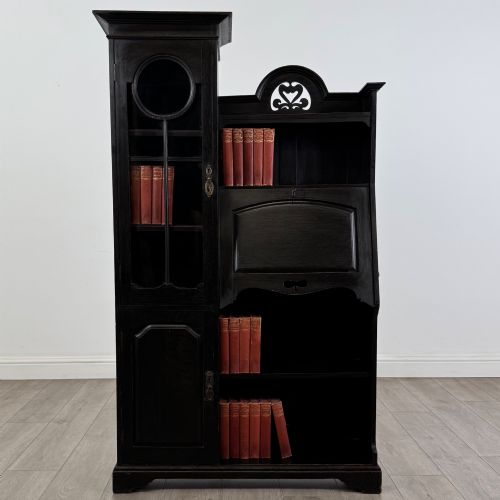
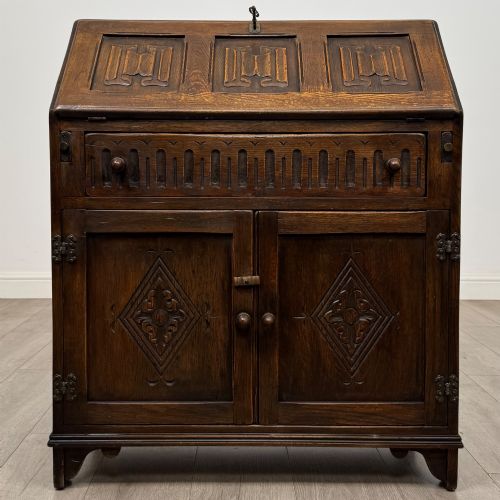
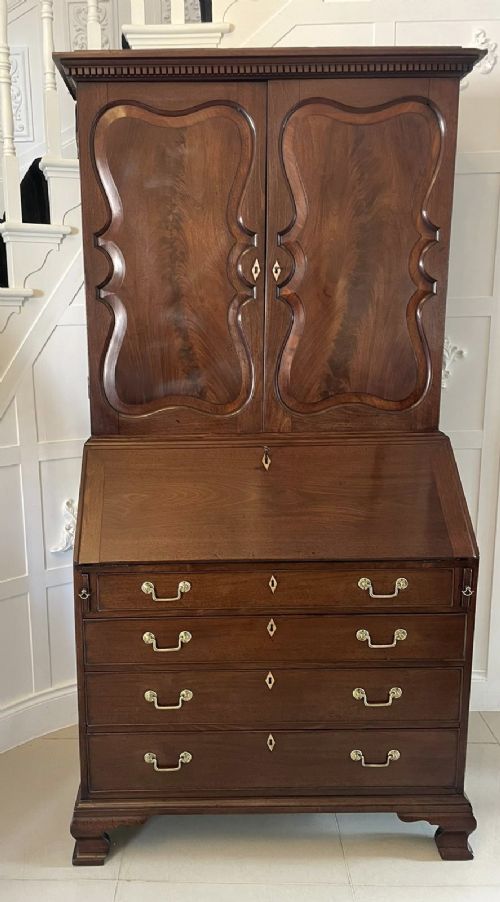
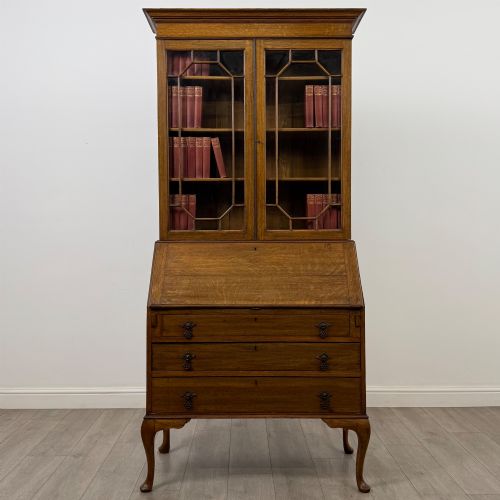
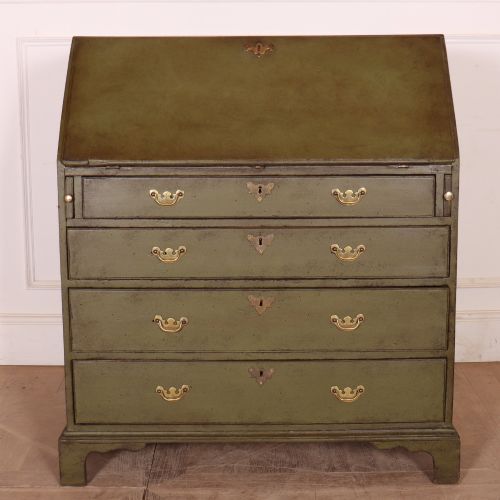
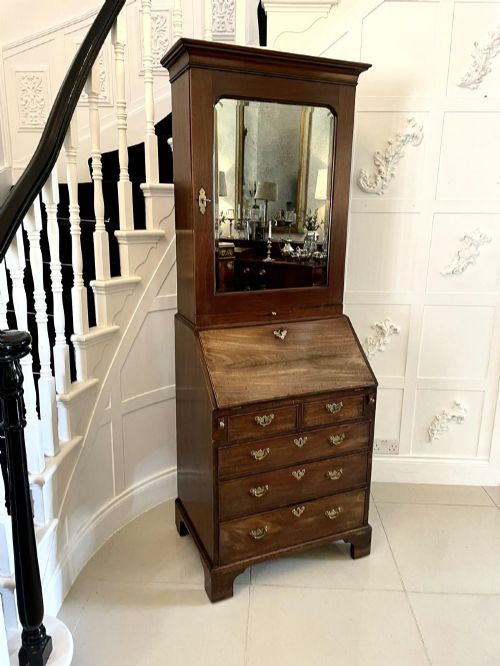
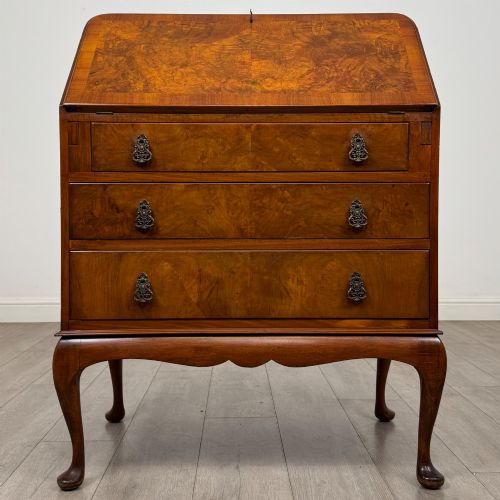
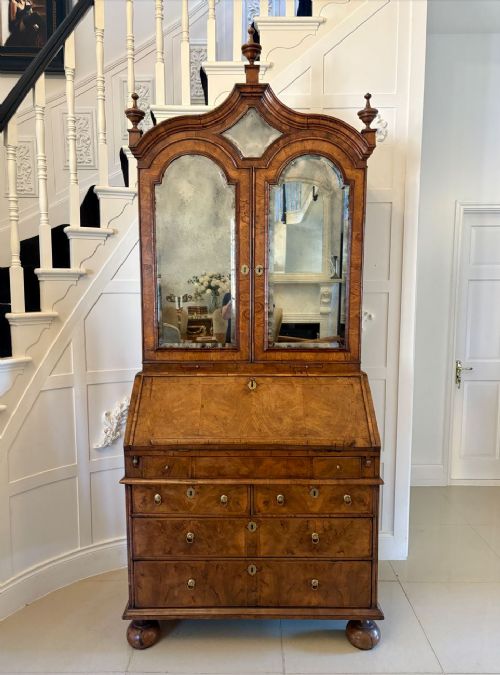
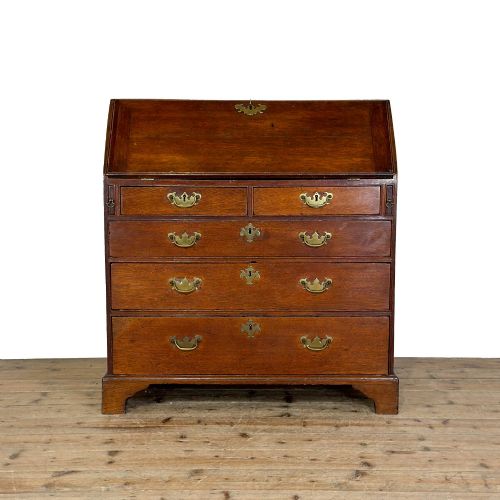
A fall front bureau cabinet combines a hinged writing flap with compartments, drawers and sometimes upper bookcase sections. When you search for a fall front bureau cabinet, you encounter forms ranging from compact Edwardian oak writing desks to substantial 18th century walnut bureau bookcases.
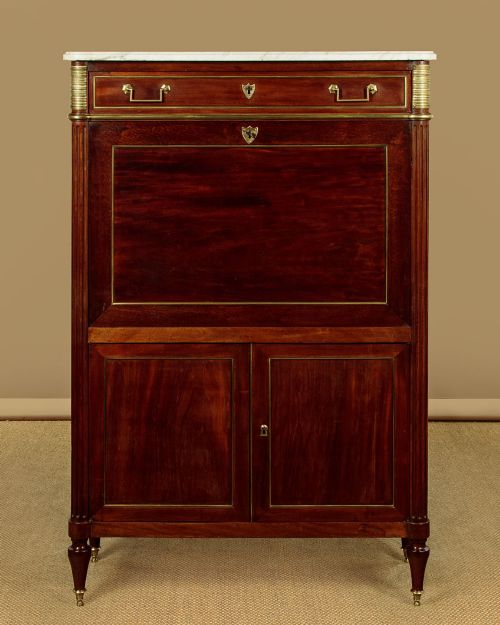
The selection spans centuries of cabinet making, drawing on periods from the 17th century through to the Edwardian era and 1930. Pieces appear in formats such as bureau bookcases, secretaire abattants and writing desks with fitted interiors.
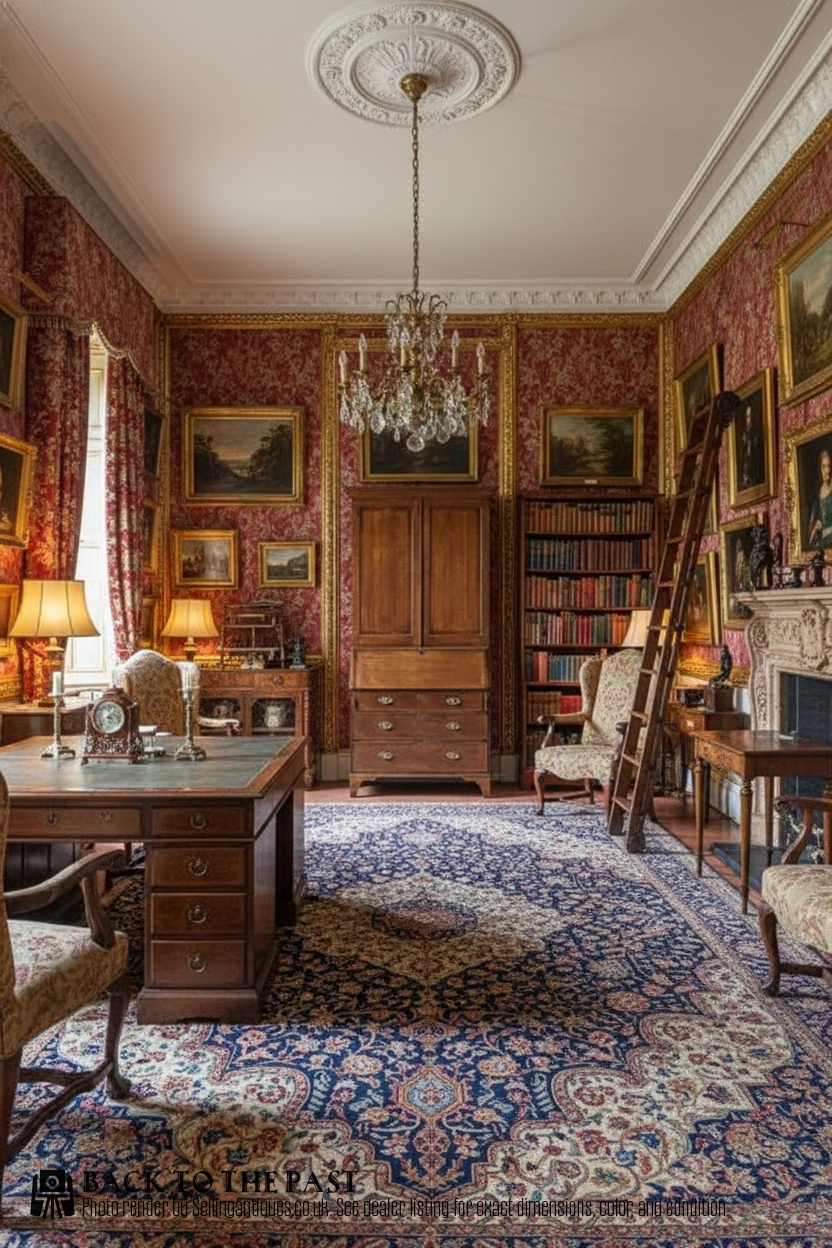
Materials and construction
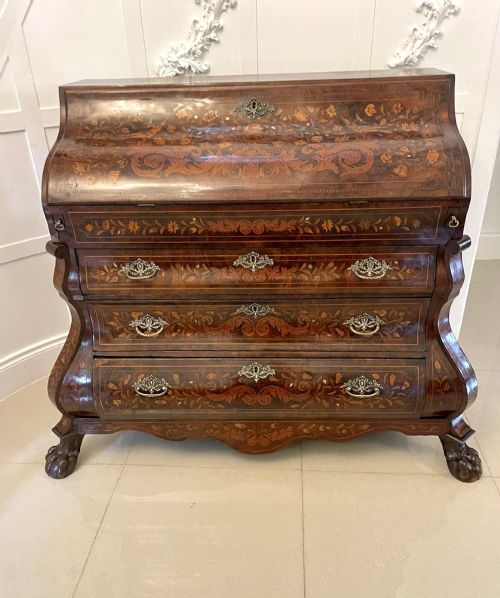
Cabinet makers built these pieces using timbers like oak, mahogany, walnut, burr walnut, rosewood and yew wood, often applying marquetry, floral inlay or herringbone patterns to the surfaces. Brass handles, escutcheons and glass panels complete the construction of the larger bookcase variants.
Structural methods involve joining solid timbers and decorative veneers to folding fall fronts, which conceal stepped interiors, pigeon holes and small drawers designed for correspondence.
Fall Front Bureau Cabinet Retail Price Guide 2026
Typical asking prices for fall front bureau cabinet among the pieces listed under this phrase on Sellingantiques today, from the lower quarter to the upper quarter. They describe what is for sale here now, not the wider market.
Listings include pieces from the 17th century through to 1930, utilising oak, mahogany, walnut, burr walnut, rosewood, yew wood and brass.
Assessing quality and execution
The standard of a piece rests on the selection of figured timbers, such as burr walnut or mahogany, and the precision of inlaid marquetry and featherbanding. Superior examples display careful timber matching across the fall front and drawer fronts.
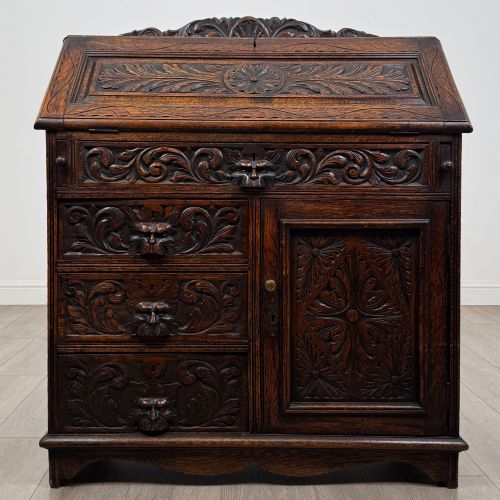
Interior architecture distinguishes finer cabinets, particularly where stepped drawers, secret compartments and fitted pigeon holes demonstrate advanced joinery. The crispness of carved details, such as green man motifs or floral inlay, separates workshop tiers.
ARTHUR BASIL REYNOLDS·LARKIN
The Fall Front Bureau Cabinet Glossary
- Fall front
- A hinged writing flap that drops down to form a horizontal desk surface. It conceals internal drawers and pigeon holes when closed.
- Bureau bookcase
- A writing bureau combined with an upper shelving or cabinet section enclosed by doors. These taller pieces offer expanded storage and display capacity.
- Secretaire abattant
- A vertical cabinet featuring a drop-front writing surface, frequently associated with French and 19th-century designs. This form maintains a neat wall footprint while providing internal compartments.
- Marquetry
- Decorative patterns formed by fitting together thin slices of wood veneer and other materials onto a carcass. It appears on bureau fronts and borders.
- Featherbanding
- A type of inlay using matched strips of veneer arranged in a herringbone or chevron pattern around the edges of panels. This technique frames drawer fronts and fall flaps.
Fall Front Bureau Cabinet: Frequently Asked Questions
What is a fall front bureau cabinet?
A fall front bureau cabinet is a piece of furniture featuring a hinged writing flap that opens outward for use. Behind this flap lie small drawers and compartments for papers.
Such cabinets often include lower storage drawers and sometimes upper bookcase sections enclosed by glass or wooden doors.
How were these cabinets used historically?
These cabinets served as private writing desks for correspondence and record keeping in homes and studies. The enclosed fall front kept writing materials tidy and private when not in use.
Upper bookcase variants provided space for storing and displaying library books and ledgers.
How do I date a bureau cabinet?
Dating relies on timber choices, construction techniques and stylistic markers associated with periods like Queen Anne, Georgian or Edwardian. Walnut and marquetry frequently point to earlier 18th-century work, while oak and specific handle types indicate Edwardian production.
Internal configurations and secondary woods also help establish the era of manufacture.
Where should I place one at home?
These cabinets fit well in studies, living rooms or hallways where surface space and concealed storage prove useful. Their vertical proportions allow them to occupy minimal floor space while offering substantial storage.
Placing them away from direct heat sources protects the timber veneers and polished finishes.