




Engraved Sterling Silver Cup
An engraved sterling silver cup brings tactile history to your desk, offering tangible weight and intricate hand-carved detail from centuries past.
Engraved Sterling Silver Cup
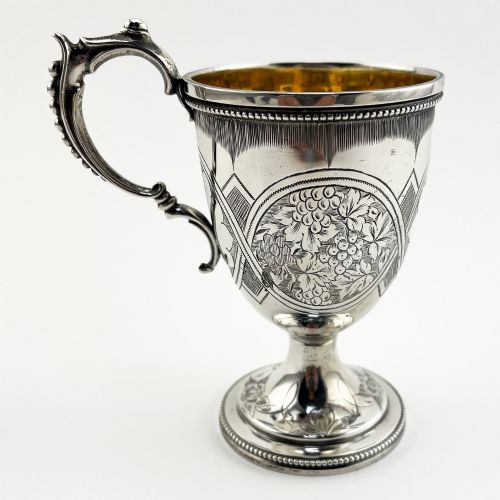
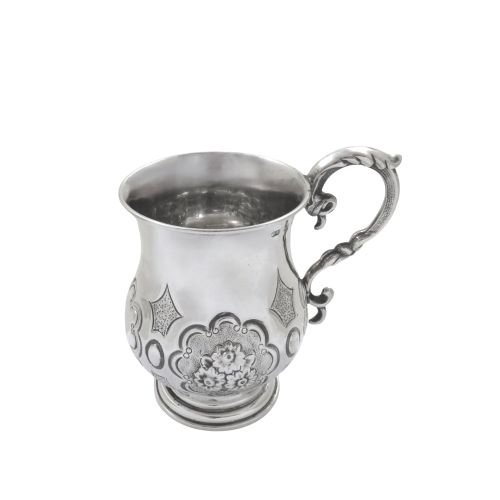
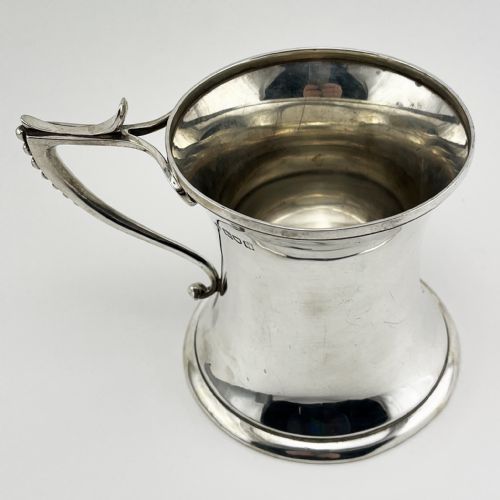
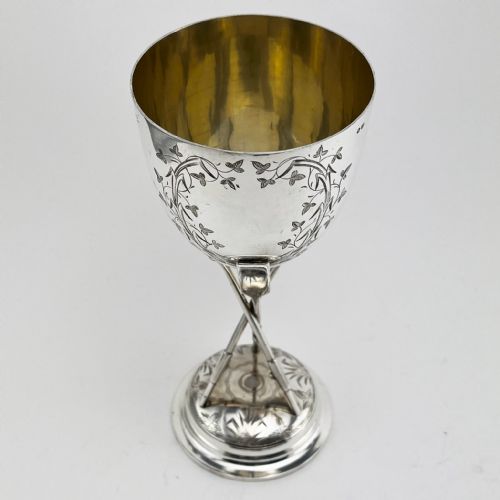
When you search for an engraved sterling silver cup, you encounter a variety of forms spanning centuries of silversmithing, from intimate christening mugs to tall presentation goblets. The pieces on this page lean heavily toward Victorian and Georgian examples, reflecting domestic milestones, sporting triumphs, and personal presentations.
Christening mugs and tankards dominate the domestic items, often bearing ornate floral motifs or intricate scroll handles designed for small hands. Larger trophy cups and goblets appear with dedicated inscriptions, recording rowing victories, cricket matches, and civic presentations in crisp period lettering.
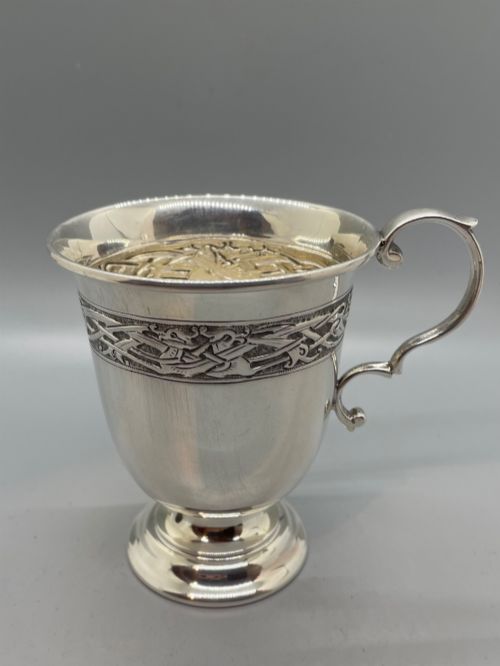
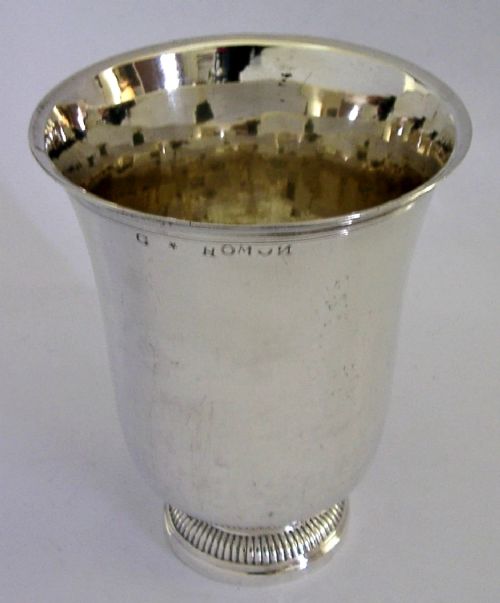
Geographic diversity enriches the selection alongside traditional British pieces, featuring items originating from Ireland, France, China, Australia, and India. These regional variations alter the proportions and engraving styles, offering distinct aesthetic choices for the discerning collector.
Materials and technique
Silversmiths constructed these vessels primarily from sterling silver, occasionally utilising silver gilt, parcel gilt, or gold plate to enrich the interior and highlights. Certain examples incorporate interior liners or supplementary materials like leather and velvet, adding textural contrast to the metallic surface.
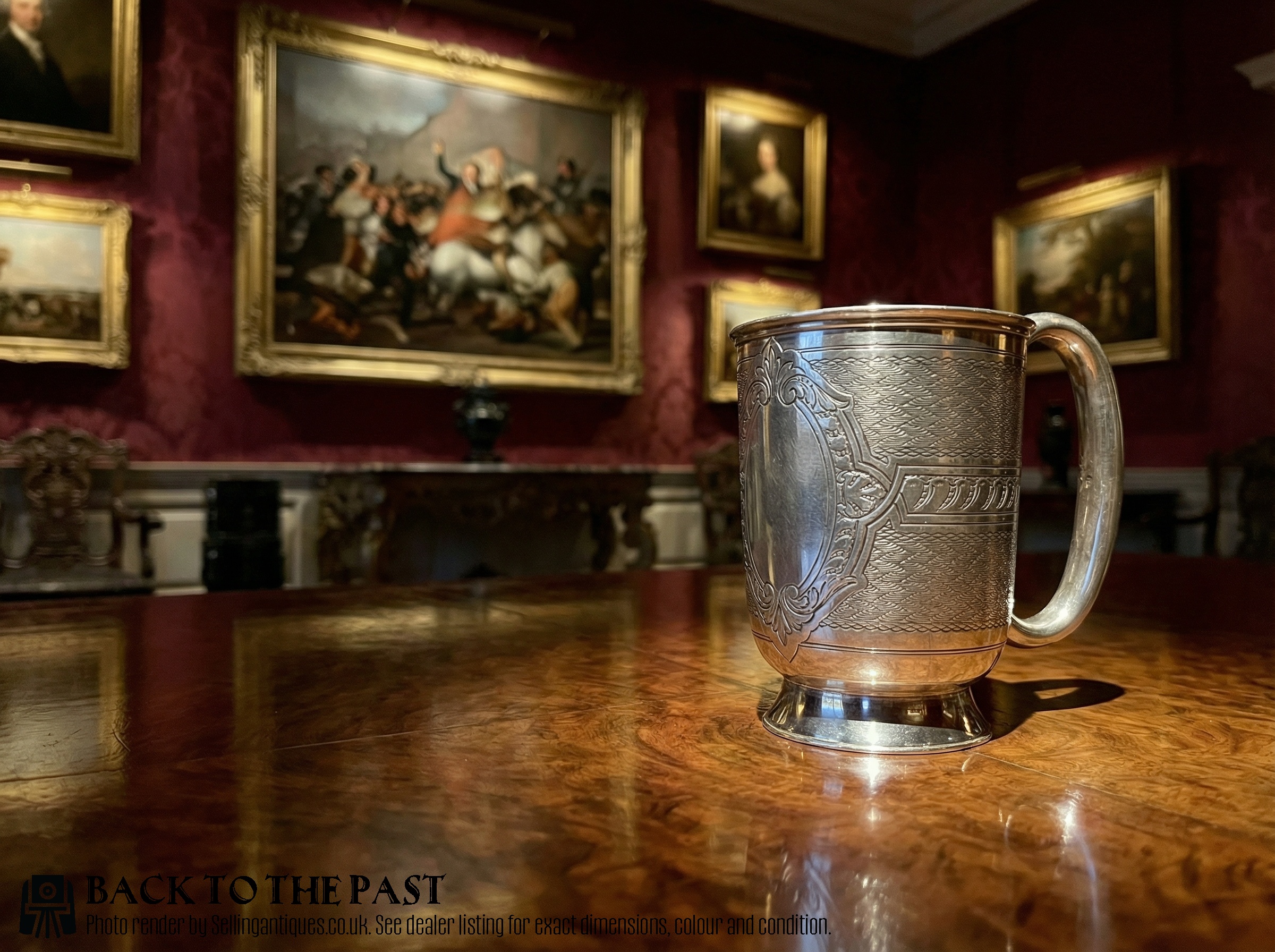
Decoration relied heavily on manual engraving techniques, including bright-cut carving and floral chasing, executed by skilled artisans using gravers and chisels. Makers also employed casting and raising methods to shape the vase-shaped bodies, scroll handles, and flared pedestals before applying the final surface ornamentation.
Listings feature items spanning the 17th, 18th, 19th, and 20th centuries, executed in sterling silver, silver gilt, and 875 silver.
Distinctions in craftsmanship
The distinction between standard utility items and exceptional pieces rests on the crispness and depth of the hand engraving. Superior examples display confident, deeply cut motifs that retain sharp edges, whereas lesser pieces show shallow, worn tool marks from hurried production.
Proportion and structural integrity define the higher tiers of the range, visible in balanced vase-shaped bodies and securely joined scroll handles. The weight of the metal and the clarity of the hallmarks stamped into the silver provide further evidence of deliberate, high-status manufacture.
R E Stone·George Unite·William Bateman·Bernard Muller·John hunt and Robert Roskell·Henry Tatton & Son·Thomas Sutton
The Engraved Sterling Silver Cup Glossary
- Sterling silver
- A standard alloy consisting of ninety-two point five percent silver and seven point five percent other metals, chosen for durability and lustre.
- Bright-cut
- An engraving technique utilising faceted cuts that reflect light from multiple angles, creating a brilliant, glittering surface pattern.
- Parcel gilt
- A decorative treatment where specific areas of a silver object, such as the interior or handles, are coated in gold while the rest remains silver.
- Porringer
- A small, two-handled bowl or cup used historically for porridgelike foods, featuring shallow proportions and distinct ear handles.
- Christening mug
- A small presentation vessel traditionally given to an infant to mark a baptism, frequently decorated with botanical engravings or personal initials.
Engraved Sterling Silver Cup: Frequently Asked Questions
What were these cups used for?
These vessels served various practical and ceremonial functions across different centuries. Christening mugs were given to mark the birth or baptism of a child, while goblets and tankards were used for daily dining or celebratory toasts.
Larger presentation pieces and trophies commemorated specific events, such as rowing regattas, cricket matches, and civic achievements. Many served as personal keepsakes, recording family milestones and heraldic crests through detailed engraving.
How do I care for silver?
Maintaining these items requires gentle cleaning with a soft microfibre cloth to remove dust and oils. Avoid harsh abrasive dips that can strip away the original patina and soften delicate hand engraving.
Store the pieces in a dry environment away from direct sunlight, and consider anti-tarnish cloths or specialised storage bags. Regular, careful handling allows the natural oils from your hands to impart a soft, glowing finish over time.
How do I date an antique silver cup?
Dating relies primarily on the official hallmarks stamped into the metal by various assay offices, such as London, Birmingham, and Sheffield. These marks typically include a maker's mark, a standard mark, an assay office symbol, and a date letter.
Stylistic clues also help establish the era, such as the neoclassical proportions of Georgian pieces or the heavy, ornate floral motifs favoured during the Victorian period. Comparing the script style of any engraved inscriptions often supports the date indicated by the hallmarks.
Why do some cups have gold inside?
The golden interior seen in certain pieces is known as silver gilt or wash gilt, created by applying a thin layer of gold over the silver surface. This technique protected the pure silver from corrosive liquids like wine or citrus.
It also provided an aesthetically pleasing contrast between the polished exterior and the rich, warm interior tone. This treatment frequently indicates a piece of higher status or specialised manufacture.