
Engraved Silver Holders
Engraved silver holders comprise a diverse group of functional desk and pocket accessories spanning Victorian and later periods.
Engraved Silver Holders
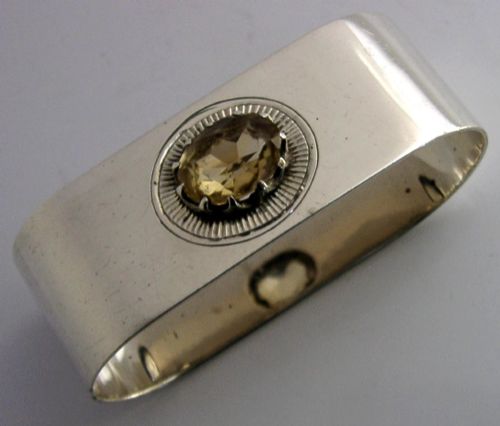
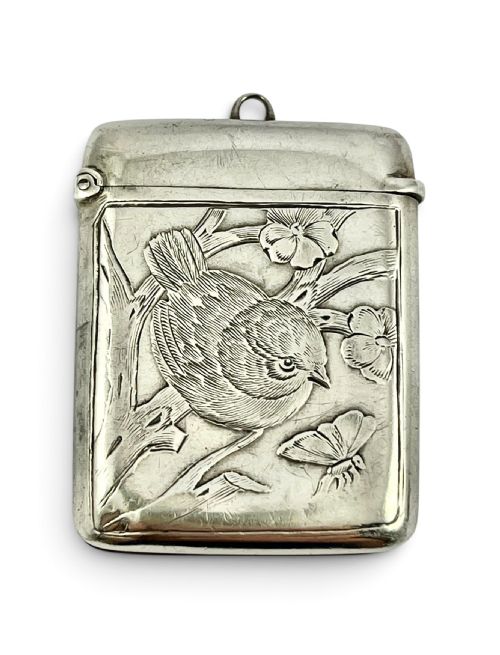
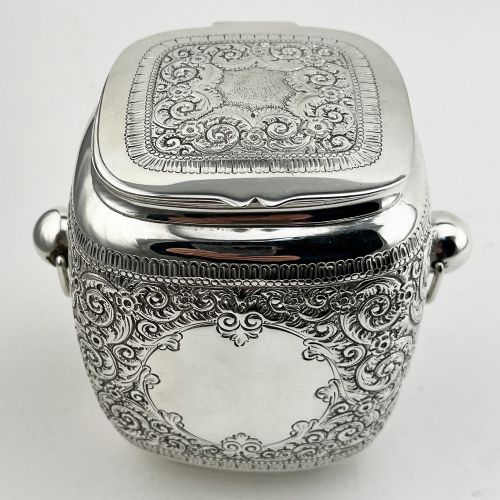
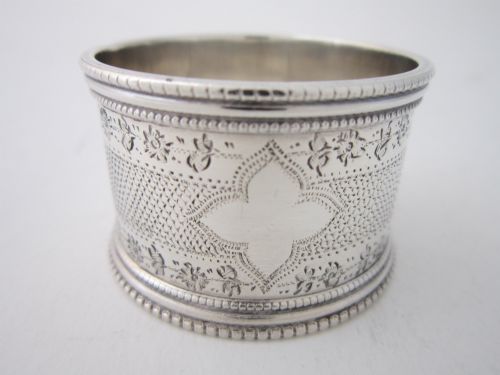
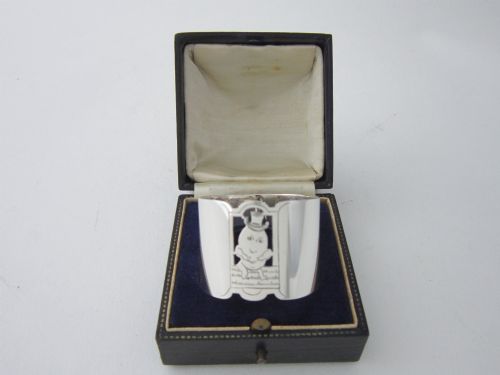
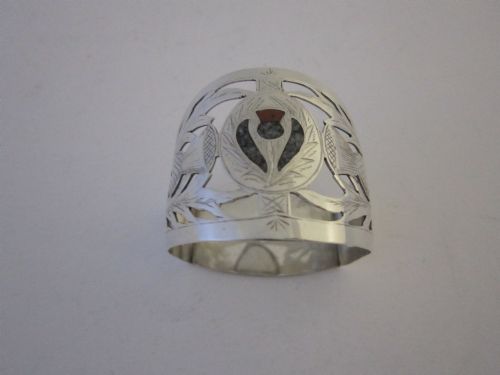
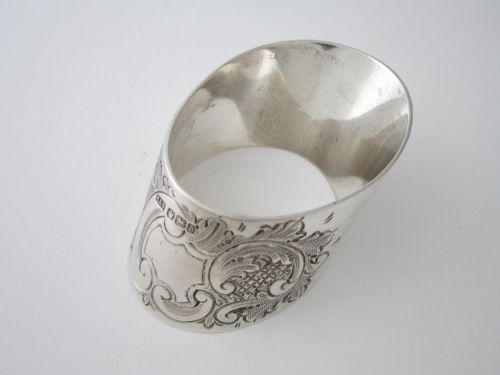
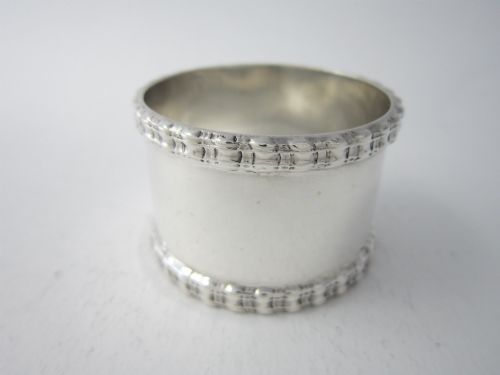
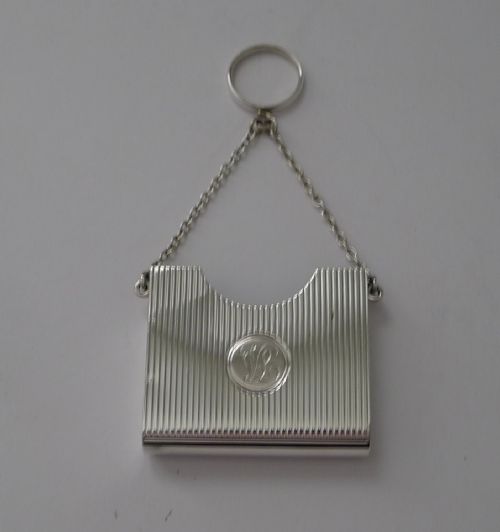
Engraved silver holders encompass various items designed to contain cards, vestas, cigarettes, and napkins, originating mostly from Victorian, Edwardian, and George V periods. You encounter functional objects such as vesta cases, card cases, napkin rings, and chatelaine accessories like prayer book or string holders.
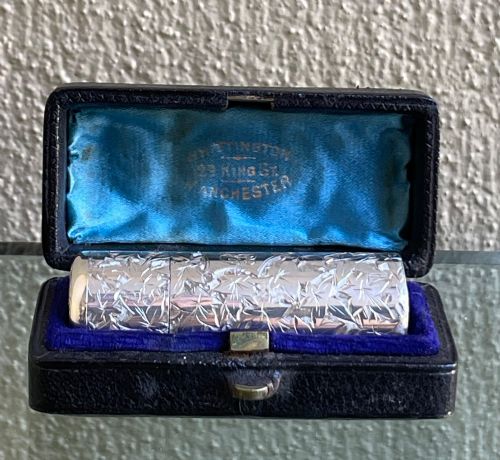
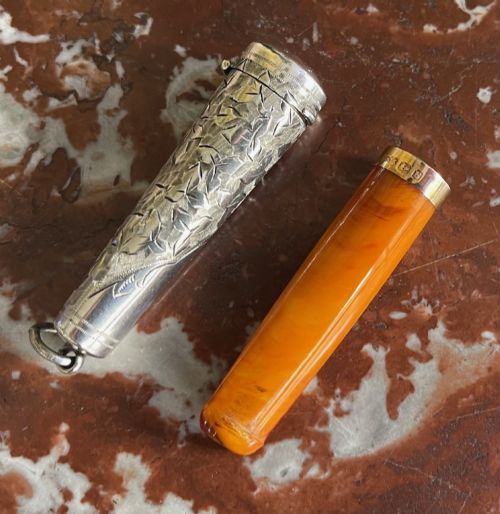
The form ranges from simple napkin rings and vesta boxes to architectural castle top card cases and novelty double-ended cigar pieces. These items serve everyday domestic and personal uses, often featuring detailed chasing or surface engraving characteristic of their respective eras.
How They Were Made
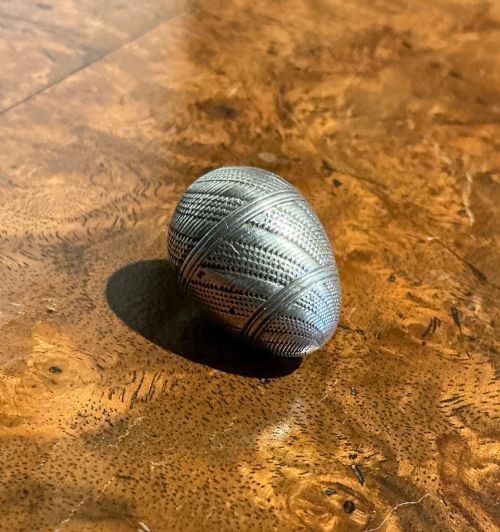
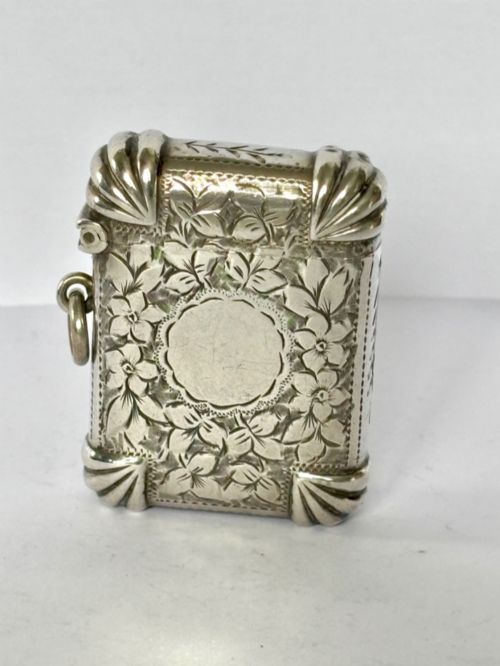
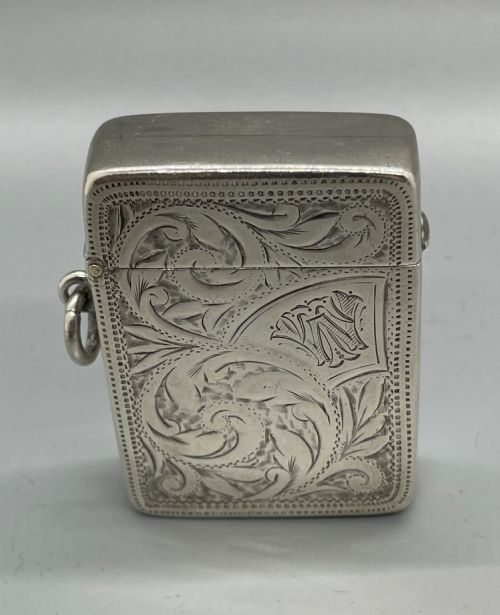
Makers utilised sterling silver and silver plate, frequently incorporating elements of velvet, silk, leather, citrine, and enamel into the designs. Techniques involved stamping, casting, and hand engraving to ornament surfaces with foliate scrolls, scenic views, or geometric patterns.
Structural components relied on secure hinges, clasps, and bezels, particularly in pocket wear like vesta cases and card cases. Internal linings of silk or leather provided protection for delicate contents such as prayer books and calling cards.
Listings feature sterling silver, silver plate, and mixed media objects spanning the Georgian, Victorian, and Edwardian periods up to mid-century British design.
What Varies in Quality
The depth and crispness of the hand engraving distinguish finer examples from mass-produced or worn pieces. Crisp relief work on architectural castle top card cases or detailed figural scenes indicates superior skill.
Substantial gauge metal and robust mechanical parts, such as tightly closing spring lids on vesta cases or secure hinges on card cases, separate higher-grade items from lighter, more fragile counterparts.
EV Pledge & Son·Horton & Allday·Sampson Mordan & Co·Nathaniel Mills·George Unite·Crisford & Norris
The Engraved Silver Holders Glossary
- Vesta case
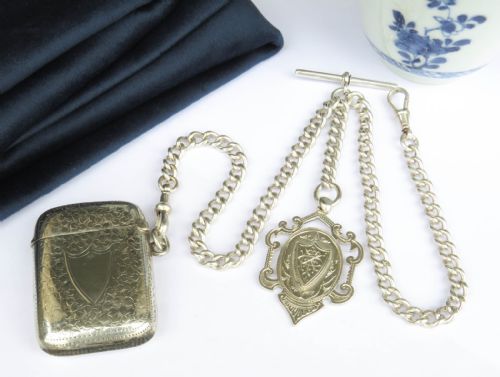
- A small pocket container designed for holding wax matches, known as vestas, often fitted with a striking stripe on the base. These cases typically feature hinged lids and suspension loops for attachment to chains.
- Card case
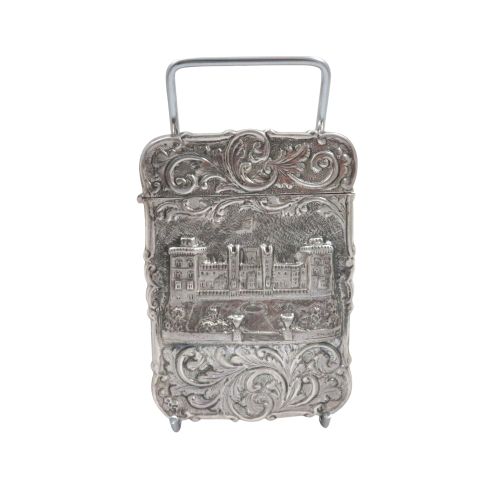
- A flat container used historically for carrying visiting or calling cards. Finer examples display engraved architectural views known as castle tops.
- Chatelaine accessory
- An item suspended from a waist hook by chains, designed to hold practical objects like sewing gear, prayer books, or scent bottles. They combine utility with decorative personal display.
- Castle top
- A style of card case or similar small silver object featuring a detailed topographical engraving of a specific building or landmark on the cover. Nathaniel Mills worked extensively in this manner.
Engraved Silver Holders: Frequently Asked Questions
What are engraved silver holders used for?
These items held everyday personal effects such as calling cards, matches, cigarettes, and napkins during the Victorian and Edwardian eras. They provided both protection and decorative display for small valuables carried on the person or kept at home.
Desk and chatelaine versions held items like prayer books, stamps, or string, keeping necessary tools close at hand. The engraving distinguished personal property while adding ornamental value to utilitarian objects.
How do I identify a Victorian piece?
Victorian items often display hallmarks indicating assay offices like Birmingham or Chester alongside date letters specific to the nineteenth century. Stylistic markers include deep foliate scroll engraving, Gothic Revival motifs, and architectural castle top scenes.
Heavier gauges of sterling silver and specific maker marks, such as those of Nathaniel Mills or George Unite, further point to this period. Examining the hinge construction and overall patination helps confirm age.
Are these items suitable for daily use?
Many napkin rings and card cases remain structurally robust enough for contemporary handling and use. However, delicate items with intricate enamel or thin silver plates require more careful treatment to preserve their condition.
Items like vesta cases and cigarette cases function reliably as pocket containers if the internal springs and hinges remain sound. Proper storage prevents unnecessary wear on antique surfaces and chased details.
What does castle top mean?
Castle top describes a specific engraving style found on nineteenth-century card cases depicting famous British or international buildings in high relief. Windsor Castle and Trinity Church serve as prominent examples of this decorative technique.
Silversmiths achieved these detailed scenes through meticulous hand chasing and engraving on the flat surface of the silver. These pictorial covers represent sought-after examples of Victorian metalwork.