



Victorian Silver Menu Stand
These Victorian silver menu stand pieces bring tabletop formality and character to dining, shaped by clever silversmiths across diverse Victorian and Edwardian designs.
Victorian Silver Menu Stand
A victorian silver menu stand is a decorative tabletop accessory designed to hold dinner menus and place cards in sight of guests. Buyers searching this phrase encounter various forms, from simple upright stands to novelty animal figures.
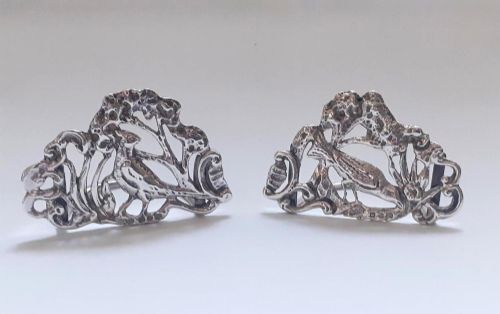
The pieces listed here span the Victorian and Edwardian periods, including designs with Scottish or Anglo-Indian influences. Double-sided stands and novelty figures such as owls, sentry boxes, and literary characters appear frequently.
Makers produced these items for formal dining tables where guests needed to know the courses ahead. Today, collectors value them for their intricate silverwork and whimsical domestic history.
Assessing quality
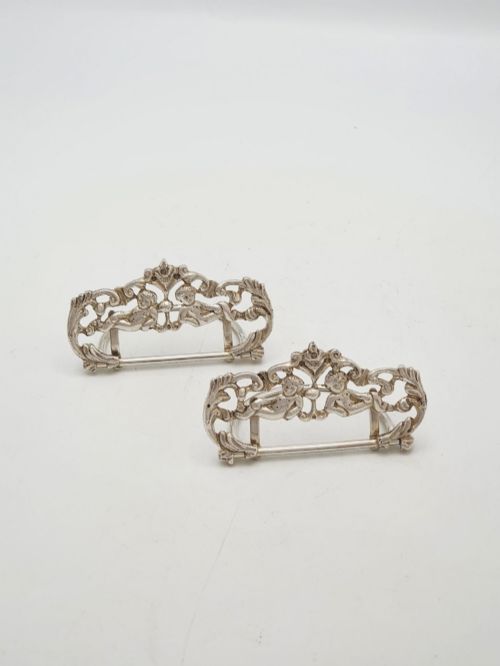
Quality rests upon the crispness of the casting and the depth of the detail in figurative and novelty pieces. Superior examples exhibit sharp engraving and balanced proportions that hold cards securely without tipping.
The reputation of the maker and the complexity of the design elevate certain items above standard production. The integration of supporting base materials also influences the overall substantial feel of the piece.
Victorian Silver Menu Stand Retail Price Guide 2026
Typical asking prices for victorian silver menu stand among the pieces listed under this phrase on Sellingantiques today, from the lower quarter to the upper quarter. They describe what is for sale here now, not the wider market.
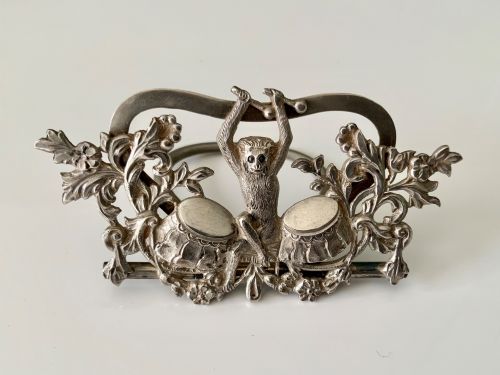
Dinner guests once consulted silver monkeys playing drums to find out what soup was coming next.
Sampson Mordan
The Victorian Silver Menu Stand Glossary
- Sterling silver
- A silver alloy containing 92.5 percent pure silver and 7.5 percent other metals, usually copper, ensuring durability for decorative items.
- Sampson Mordan
- A prominent nineteenth-century maker known for producing high-quality silver novelties, including mechanical pencils and menu holders.
- Novelty
- A collectible item shaped to resemble an animal, building, or character rather than following a standard geometric form.
- Assay mark
- A stamped symbol indicating the purity of the metal, the place of testing, and the year of manufacture.
Victorian Silver Menu Stand: Frequently Asked Questions
What is a victorian silver menu stand used for?
These items held printed dinner menus upright on dining tables during formal meals so guests could read the courses. They often doubled as name card holders to designate seating arrangements.
Today, collectors display them on sideboards or use them in modern table settings for special occasions.
How do I date these silver items?
Dating relies heavily on hallmarks stamped into the metal, which indicate the assay office and the year of production. Stylistic clues, such as Edwardian novelty shapes or Victorian aesthetic influences, also help narrow the period.
Checking historical maker marks provides a reliable method to confirm the exact decade of manufacture.
How should I clean silver menu stands?
Cleaning requires a soft microfibre cloth and specialised silver polish applied gently to avoid wearing down fine engraved details. Avoid harsh abrasive cleaners that can damage delicate surfaces or attached velvet and leather bases.
Regular, gentle dusting helps maintain the natural shine without stripping the desirable patina.