

English Twist Stem Glass
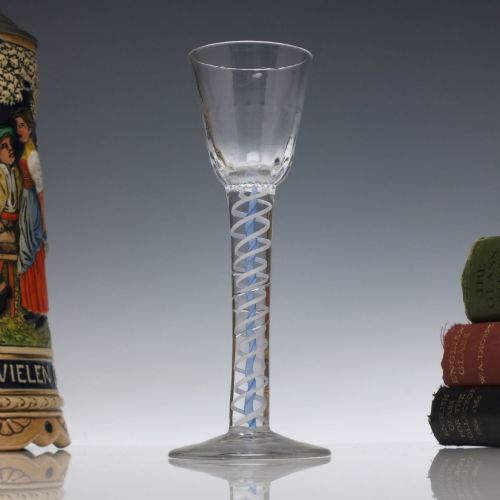
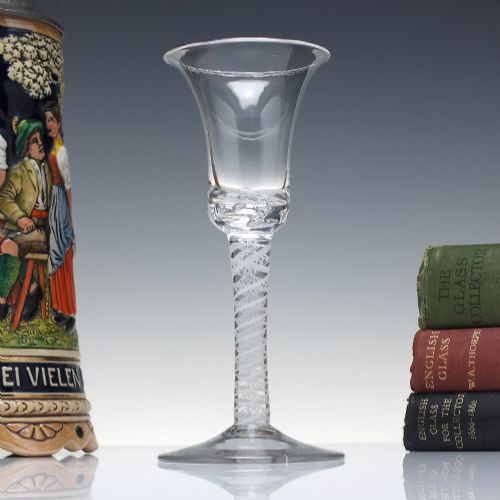
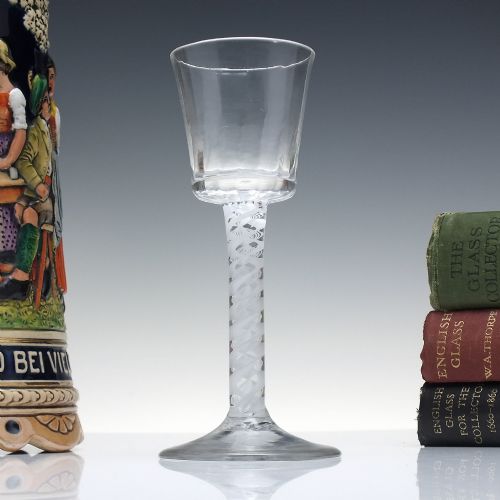
An English twist stem glass brings eighteenth-century drinking culture to the table through intricate internal optical threads.
English Twist Stem Glass
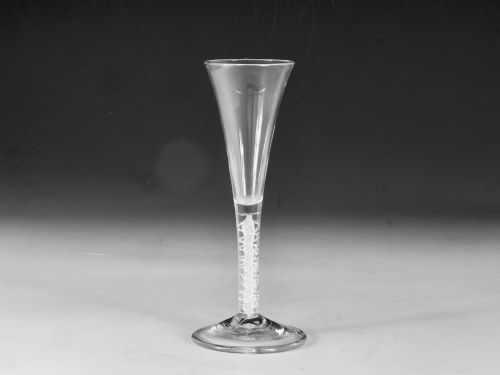
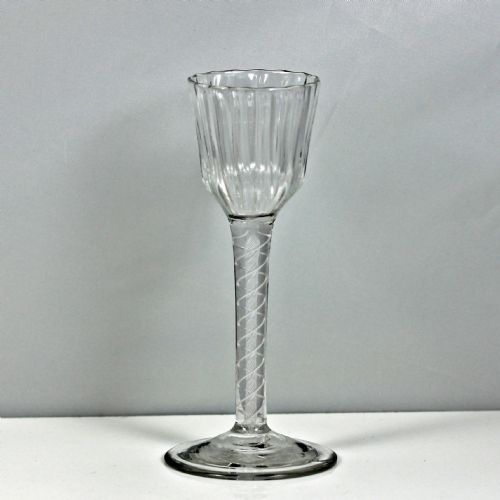
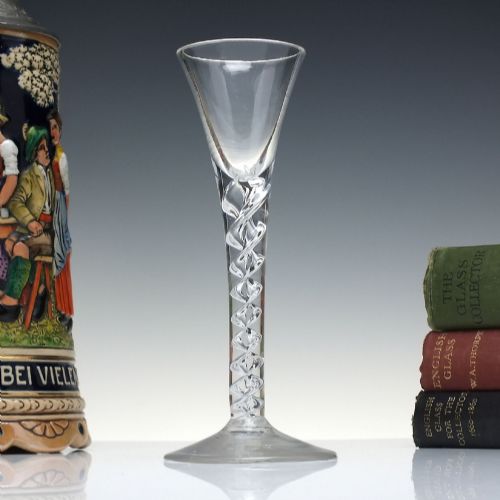
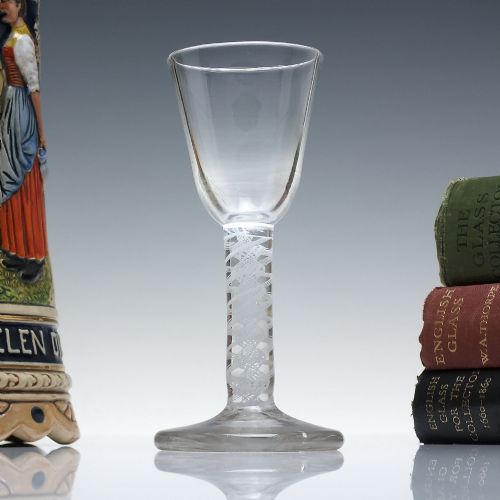
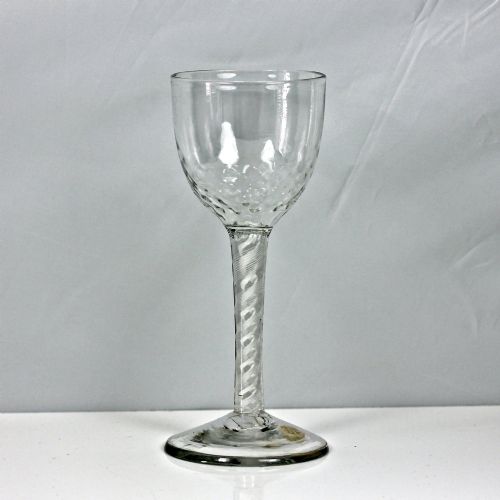
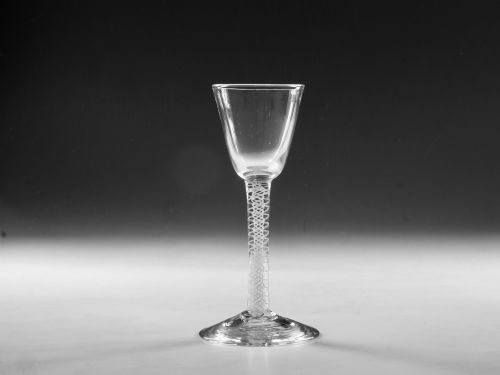
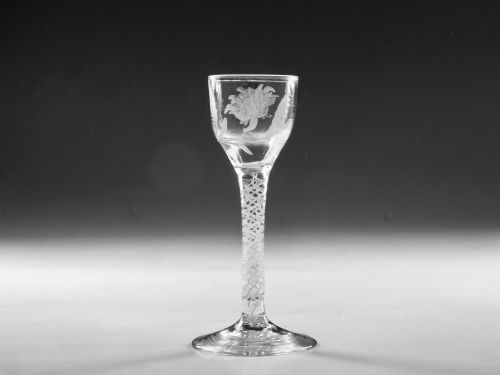
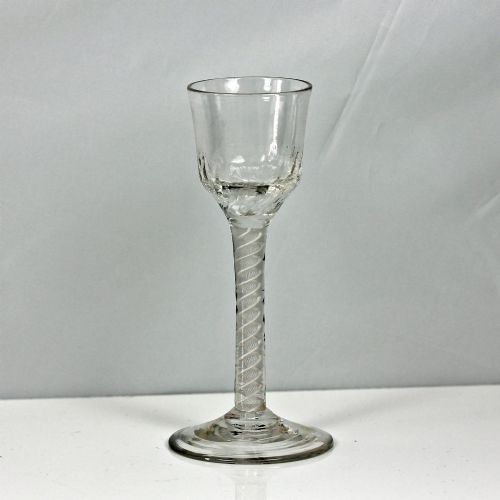
When you search for an English twist stem glass, you encounter drinking vessels predominantly originating from the Georgian period during the eighteenth century.
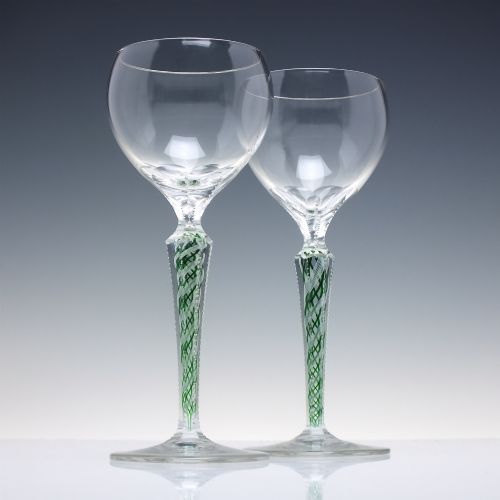
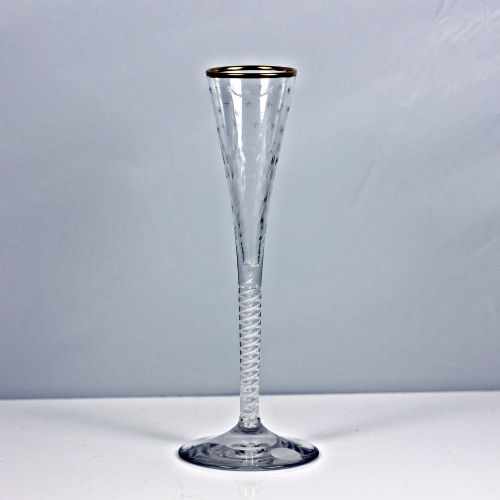
The pieces on this page span wine glasses, cordials, ales, and champagne flutes featuring distinct stem formations produced by glassmakers generations ago.
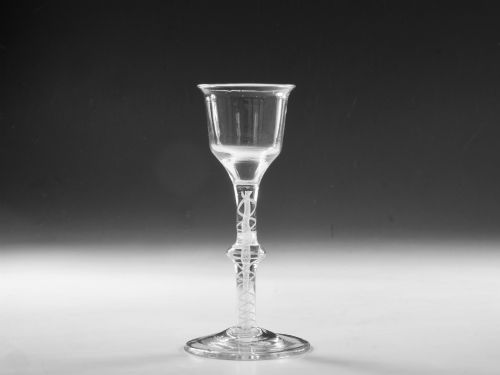
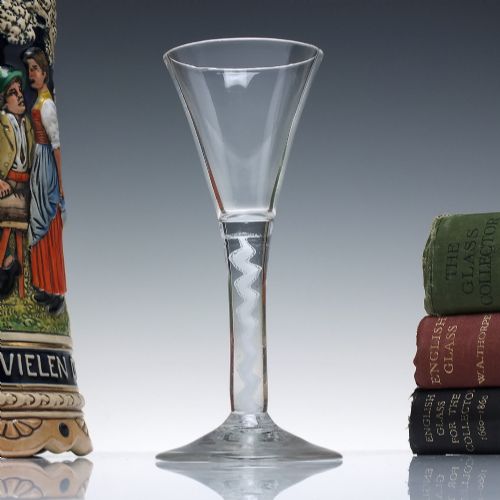
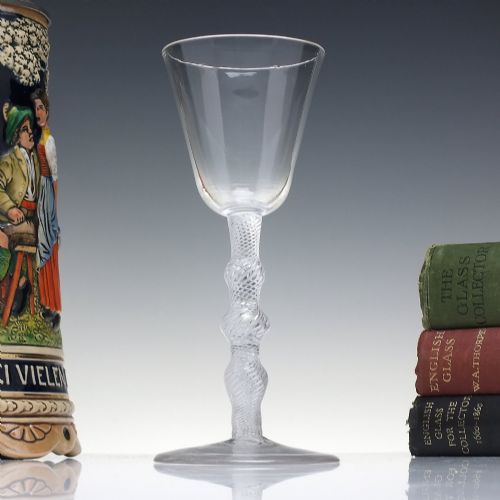
Opaque twist and air twist configurations dominate the selection, often paired with ogee, trumpet, or bucket bowls.
Evaluating the Pieces
Quality rests in the precision of the internal twist and the symmetry of the bowl relative to the foot.
Complexity adds distinction, separating simple single-series stems from elaborate double-series, mixed-twist, or colour-twist examples.
English Twist Stem Glass Retail Price Guide 2026
Typical asking prices for english twist stem glass among the pieces listed under this phrase on Sellingantiques today, from the lower quarter to the upper quarter. They describe what is for sale here now, not the wider market.
The listings show eighteenth-century forms alongside occasional twentieth-century revivals in clear lead crystal and enamel.
The English Twist Stem Glass Glossary
- Air twist
- A stem formation containing elongated internal air bubbles drawn into spiral threads. This technique defines many mid-eighteenth-century drinking glasses.
- Opaque twist
- A stem containing white enamel threads twisted into spiral or multi-spiral patterns inside clear lead glass. These canes create stark visual contrast within the stem.
- Double series
- A twist stem incorporating two distinct sets of opaque white enamel or air threads, often pairing an outside cable with an inner spiral.
- Ogee bowl
- A bell-shaped drinking vessel with a concave lower section curving outward to a slightly flared rim. It appears frequently on Georgian wine glasses.
- Firing foot
- A heavy, folded or thick glass base designed to withstand the heat of tavern tables when struck during toasts. It provides exceptional stability for tall stems.
English Twist Stem Glass: Frequently Asked Questions
How do I identify an air twist from an opaque twist?
Air twists contain trapped elongated bubbles that catch the light to form transparent spiral channels inside the stem.
Opaque twists utilise solid white enamel rods drawn into similar corkscrew paths, offering a clean, solid white visual against the clear glass.
What were these glasses originally used for?
Eighteenth-century households used these vessels for serving fine wines, ales, cordials, and champagne during formal meals and toasts.
The specific bowl shapes, such as trumpet or bucket forms, were tailored to the particular beverage served.
How should I care for an antique twist stem glass?
Wash each piece by hand in warm water using mild soap, avoiding sudden temperature changes that could stress the old lead glass.
Store them securely on flat surfaces away from the edges of cabinets to protect the delicate stems and thin rims.
What is a mixed twist?
A mixed twist combines both air bubbles and white enamel threads within the same glass stem.
This sophisticated technique creates layered internal patterns that demand high skill from the glassmaker.