

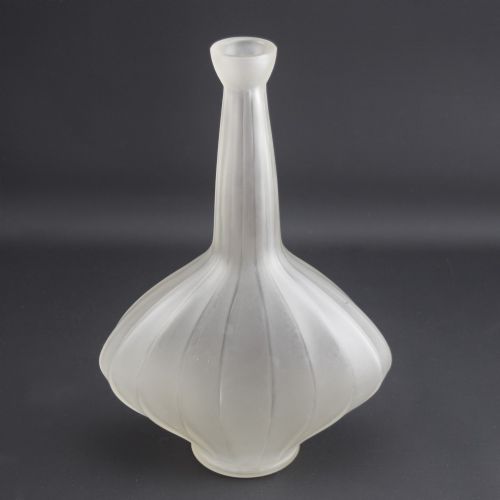

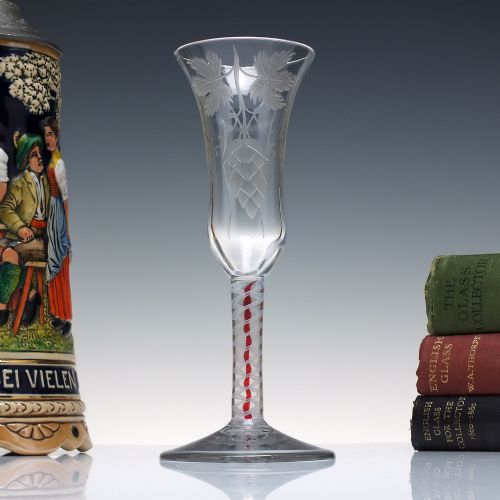
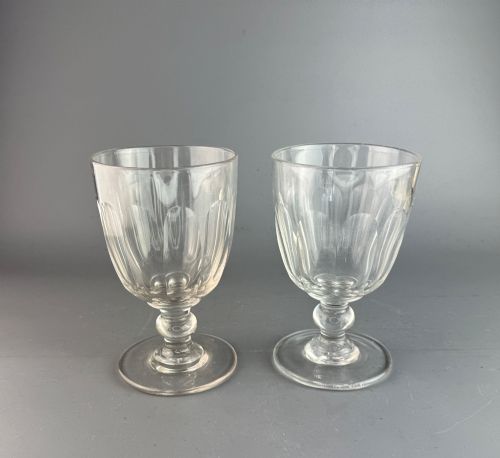
Fluted Wine Glass
A fluted wine glass antique brings tactile history to the table, offering drinking vessels shaped by Georgian and Victorian hands.
Fluted Wine Glass
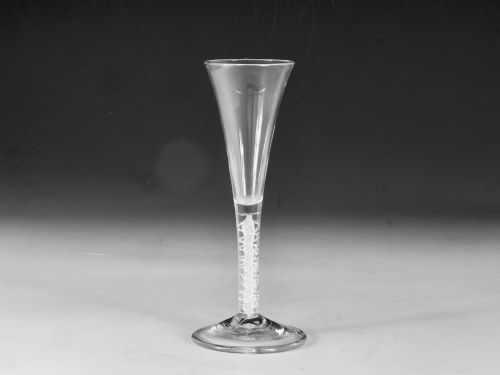
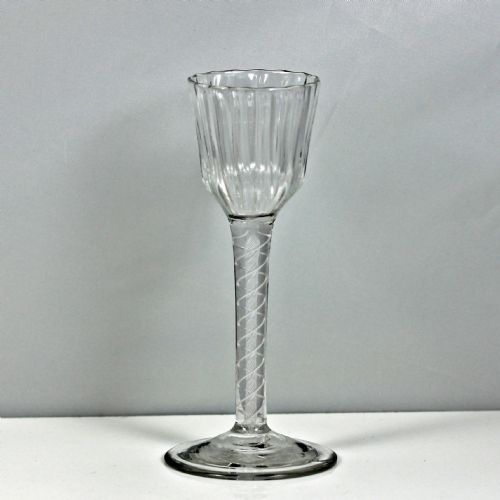
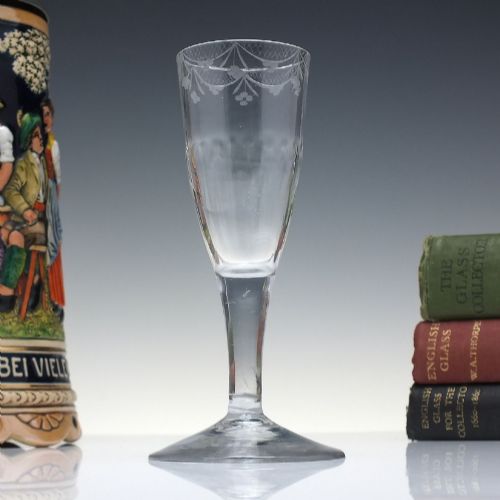
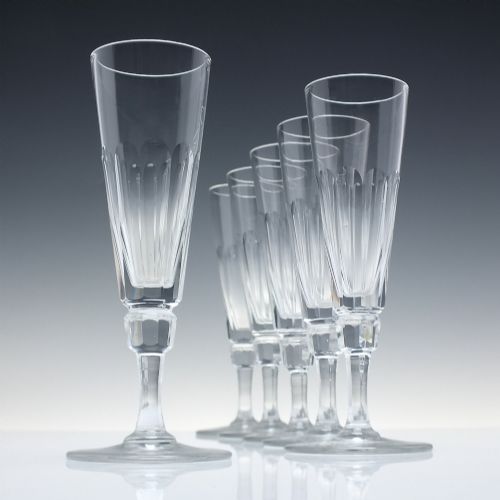
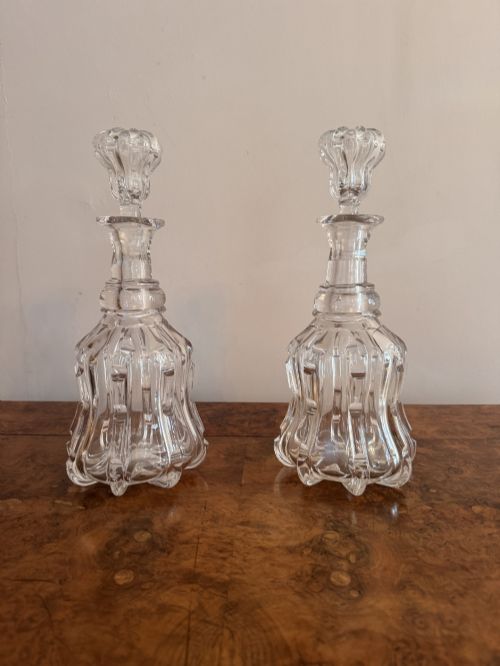
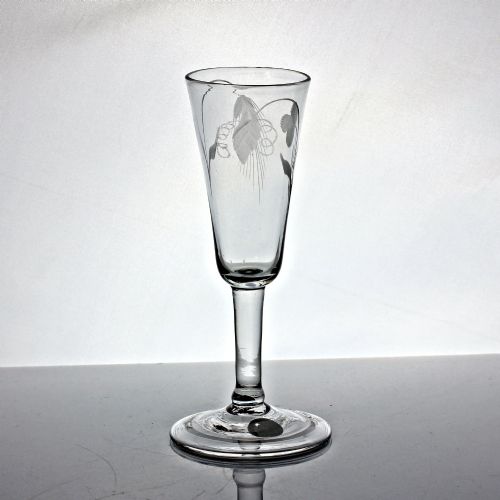
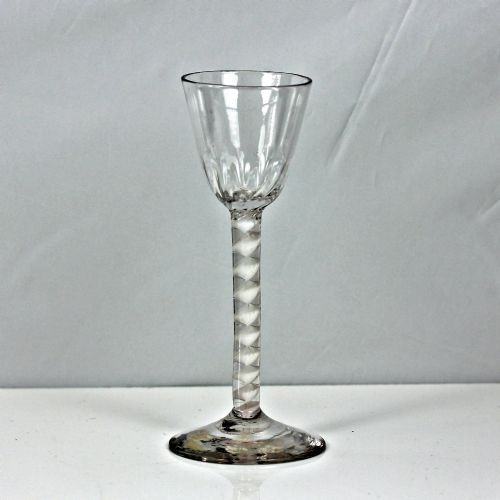
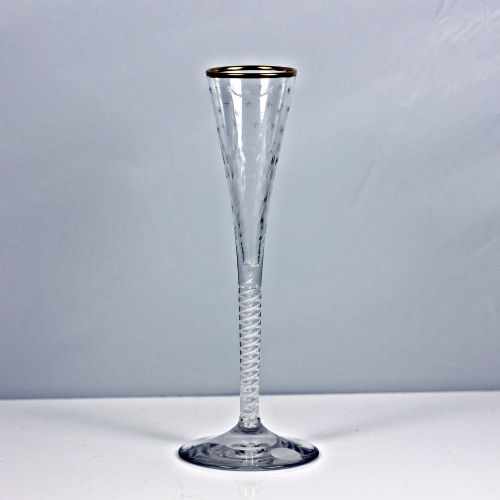
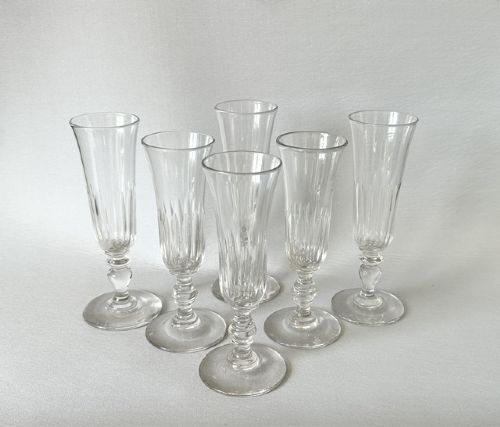
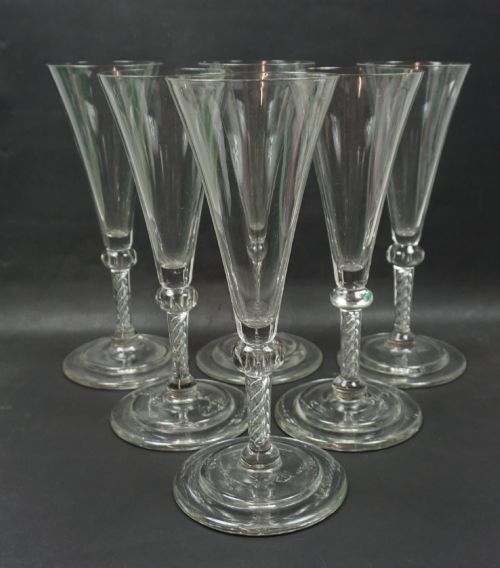
When searching for a fluted wine glass antique, buyers encounter drinking vessels, champagne flutes, rummers, and decanters spanning the eighteenth and nineteenth centuries. The selections on this page centre heavily on Georgian lead glass examples alongside Victorian creations, featuring bowls with flute-moulded panels or slender stems.
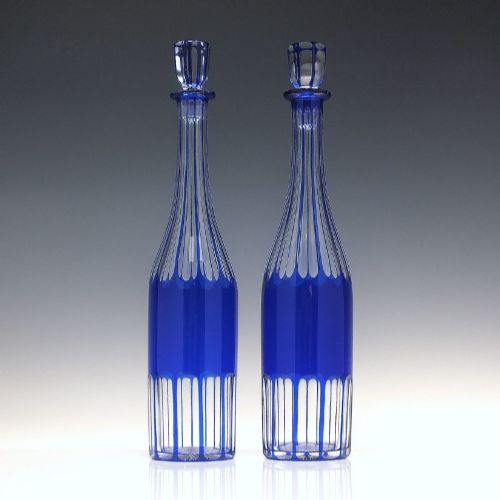
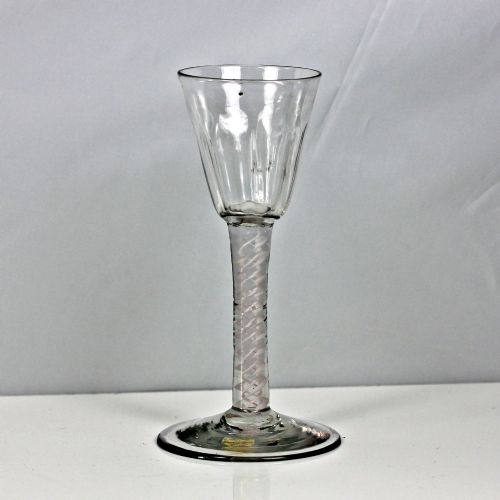
The forms range from opaque twist wine glasses with rounded funnel or ogee bowls to tall champagne flutes and decanters. Georgian pieces dominate the earlier end of the spectrum, while Victorian production introduces coloured glass and larger serving bottles.
Materials and methods in historic glass
These vessels are formed from lead glass, flint glass, and clear crystal, shaped through blowing and moulding techniques. Artisans created optical effects such as wrythen fluting in the bowl, while twists of opaque white or coloured glass were drawn into the stems during formation.
Decoration relied on wheel-engraving, gilding, and deep cutting to catch the light on decanters and rummers. Feet were frequently formed with folded rims for stability, and metal mounts were occasionally added to items like claret jugs.
Fluted Wine Glass Retail Price Guide 2026
Typical asking prices for fluted wine glass among the pieces listed under this phrase on Sellingantiques today, from the lower quarter to the upper quarter. They describe what is for sale here now, not the wider market.
Some eighteenth-century glasses managed to smuggle tiny air bubbles inside their stems as permanent signatures of breath and fire.
Assessing quality in antique glassware
Quality rests in the crispness of the flute-moulding and the regularity of the glass material, distinguishing finely finished pieces from heavier, plain production. The complexity of internal stem structures, such as double series opaque twists or air bubbles, indicates the glassmaker's skill.
Proportion, weight, and the clarity of the metal define the upper tier of these objects. Surface engraving depth and the precision of cut facets on decanters and rummers further separate standard utilitarian items from finer examples.
The Fluted Wine Glass Glossary
- Flute-moulded
- A decorative technique featuring vertical concave channels pressed into the lower portion of a glass bowl.
- Opaque twist
- A stem containing interior threads of white or coloured enamel glass twisted together within the clear metal.
- Ogee
- A bowl profile curving outward at the rim and inward toward the stem in a continuous 'S' shape.
- Rummers
- Large, sturdy drinking glasses on short stems, popular for wine, ale, and punch during the Georgian and Victorian periods.
- Balustroid
- A heavy stem style reminiscent of architectural balusters, featuring nodes and knops below the bowl.
Fluted Wine Glass: Frequently Asked Questions
Can I use these antique glasses for daily dining?
Many people enjoy using Georgian and Victorian stemware for special occasions, treating the historic glass with care.
Hand washing is essential to preserve the surface finish and engraving.
What is the difference between flint glass and crystal?
Flint glass historically referred to heavy, clear glass containing lead oxide, which increased refractive brilliance.
Crystal denotes similar high-clarity lead compositions used for sharp cutting and resonant ring.
How do I identify a Georgian wine glass stem?
Examine the interior of the stem for air bubbles, twist threads, or baluster formations characteristic of eighteenth-century manufacturing methods.
Straight plain stems or faceted designs also appear depending on the exact decade.