




English Tea Tray
When choosing an english tea tray, collectors examine pieces ranging from Georgian silver stands to Victorian papier-mâché platters designed for formal afternoon service.
English Tea Tray
The search for an english tea tray encompasses a diverse array of serving platters, presentation pieces, and occasional tables spanning the eighteenth, nineteenth, and early twentieth centuries.
Most examples encountered on this page derive from the Victorian and Edwardian periods, constructed as serving trays, butler platters, or raised stands for afternoon tea.
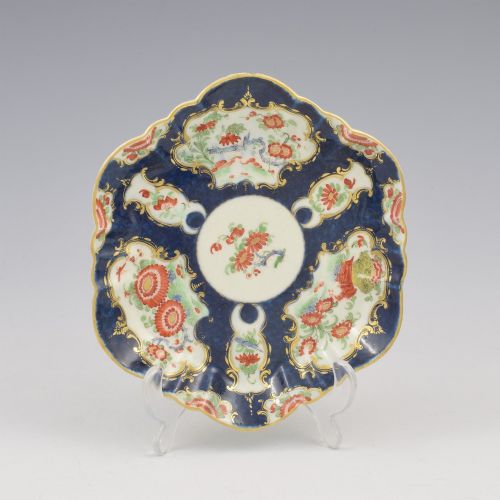
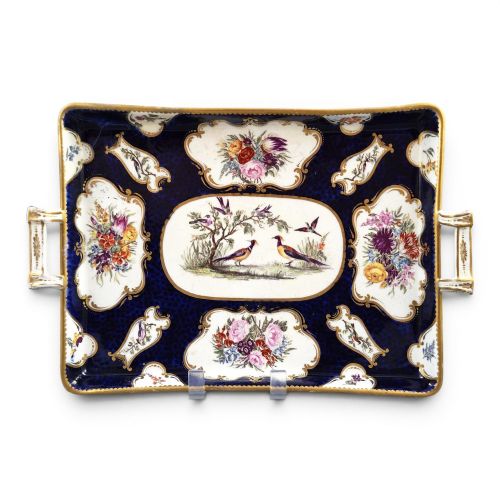
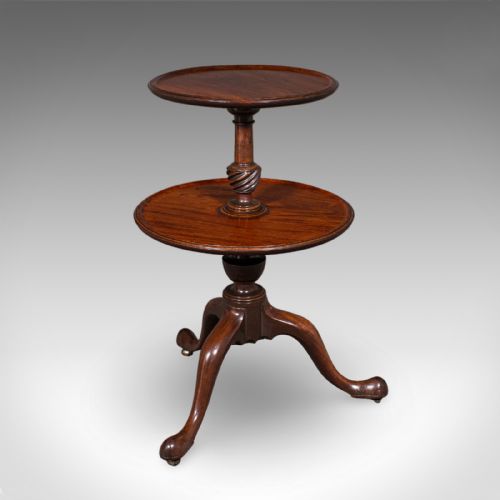
Forms vary from flat wooden trays and silver-plated platters to multi-tiered cake stands, tea table combinations, and delicate porcelain teapot stands.
Materials and Construction
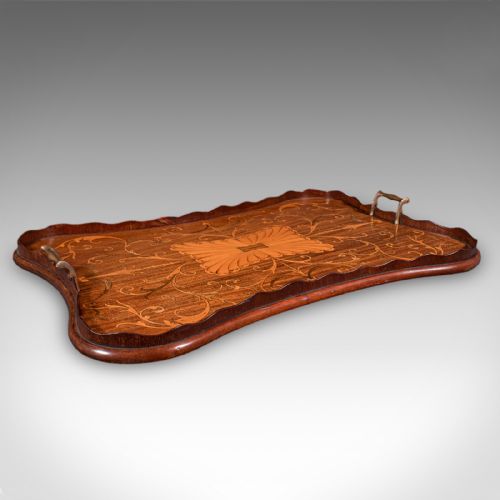
Construction relies heavily on traditional cabinet timbers like mahogany, walnut, and oak, often enhanced with satinwood inlay, brass handles, or gallery borders.
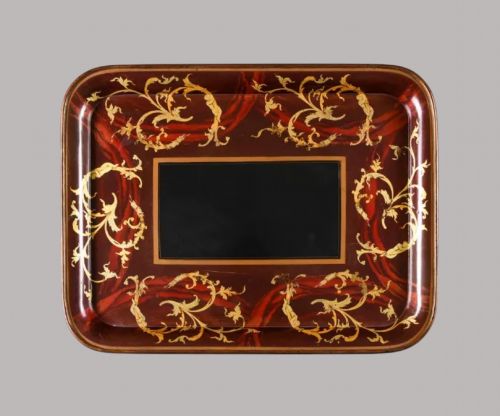
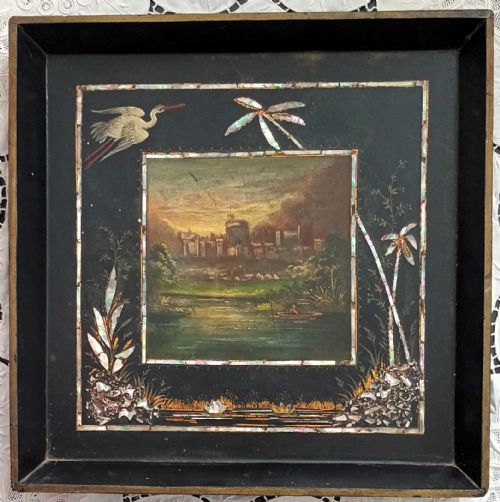
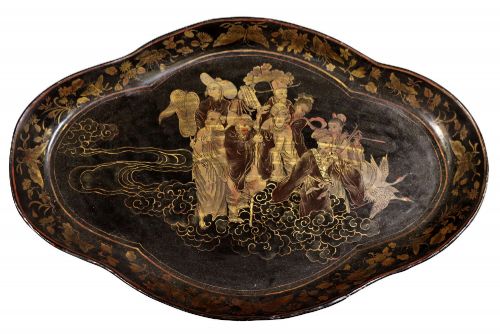
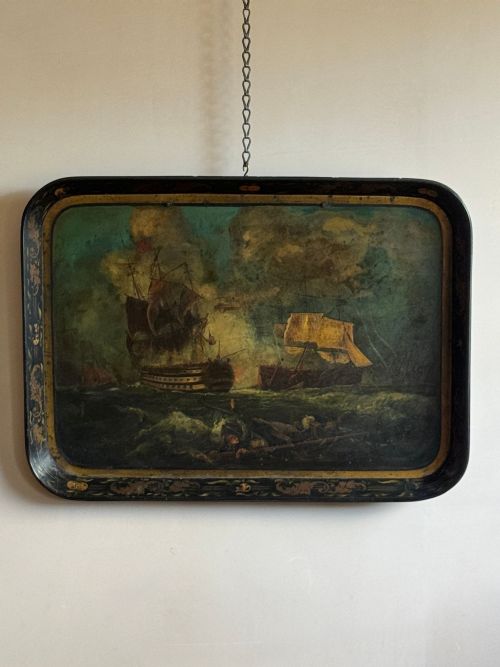
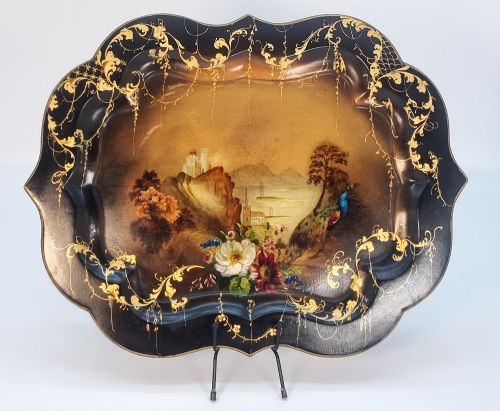
Victorian and Regency examples frequently utilise papier-mâché or ebonised surfaces finished with hand-painted floral motifs, gold leaf, and Chinoiserie decoration.
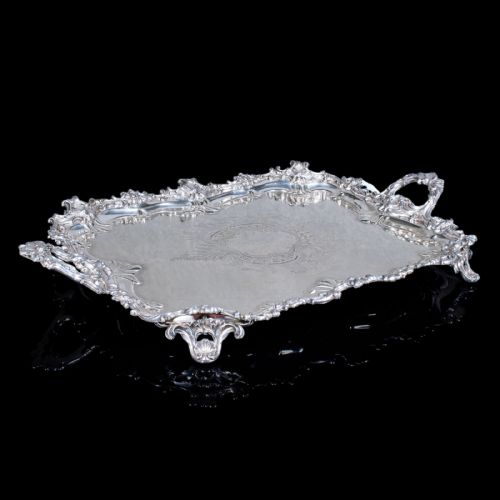
Metal pieces combine silver plate, nickel silver, and pewter over base metals, featuring reticulated pierced rims, engraved presentation surfaces, and maker stamps.
Several trays served historical cartographers, doubling as portable desks for unfolding European maps during Edwardian country house visits.
Evaluating Quality
Quality in an english tea tray is defined by the crispness of surface decoration, whether hand-painted landscape scenes on papier-mâché or finely pierced silver-plated galleries.
The integrity of timber joints, the original retention of brass handles and feet, and the survival of distinct maker marks separate standard production pieces from fine workshop examples.
Subtle details such as original japanning, intact gold leaf highlights, and well-preserved surface patination indicate superior craftsmanship and careful period preservation.
Jennens & Bettridge·J B Chatterley & Sons·James Dixon & Sons·Asprey London·Elkington·Atkin Brothers·Lee & Wigfull·J H Potter·Liberty & Co
The English Tea Tray Glossary
- Papier-mâché
- A composite material made from paper pulp or layers of paper reinforced with glue, baked and painted to form sturdy, lightweight trays.
- Chinoiserie
- European imitation of Chinese artistic styles and motifs, commonly applied to lacquered and ebonised serving trays during the nineteenth century.
- Reticulated
- Describes metalwork featuring openwork patterns, piercing, or trellis designs along the borders of serving trays and platters.
- Japanned
- A European technique of finishing surfaces with heavy black or coloured varnishes to emulate East Asian lacquerware.
- Teapot stand
- A small, elevated tray or dish designed specifically to protect tabletops from the heat of a heavy ceramic or silver teapot.
English Tea Tray: Frequently Asked Questions
What is an english tea tray used for?
These trays served historically for carrying teapots, cups, and silver service items during formal afternoon gatherings in British homes.
Today, they function equally well as decorative display surfaces, cocktail platters, or fitted tops for occasional butler tables.
How do I identify a papier-mâché tray?
Papier-mâché trays feel remarkably light yet rigid, constructed from compressed layers finished with smooth lacquer and hand-painted details.
Many period examples feature deep black ebonised grounds accented with mother-of-pearl inlay or gilded Chinoiserie landscapes.
Are silver-plated trays marked?
Maker marks, town marks, and electroplate stamps typically appear near the rim or on the underside of silver-plated and sterling pieces.
Familiarising yourself with these maker signatures helps establish the origin and production period of nineteenth-century metalware.
How do I care for an antique wooden tray?
Maintain wooden and inlaid surfaces by applying appropriate wax polish sparingly and keeping them away from direct heat sources and moisture.
Avoid submerging antique trays in water, particularly those with delicate brass galleries, papier-mâché finishes, or painted decoration.