

English Staffordshire Ceramics
English staffordshire ceramics bring enduring character to a room through traditional earthenware figures, jugs and transfer-printed tableware made across the Georgian and Victorian eras.
English Staffordshire Ceramics
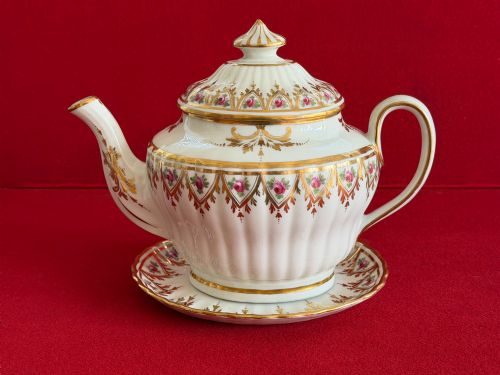
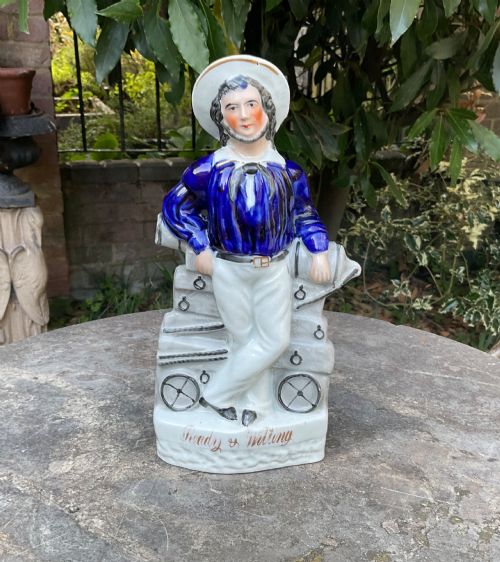
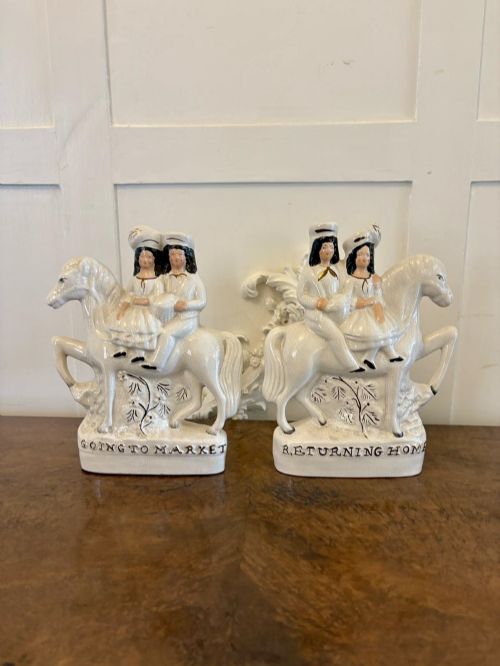
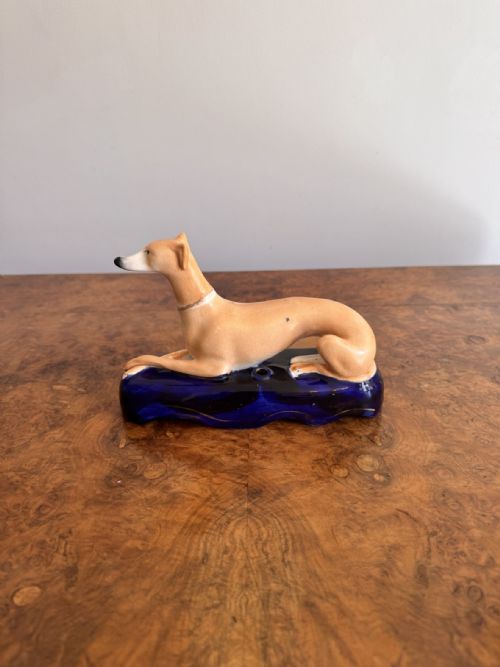
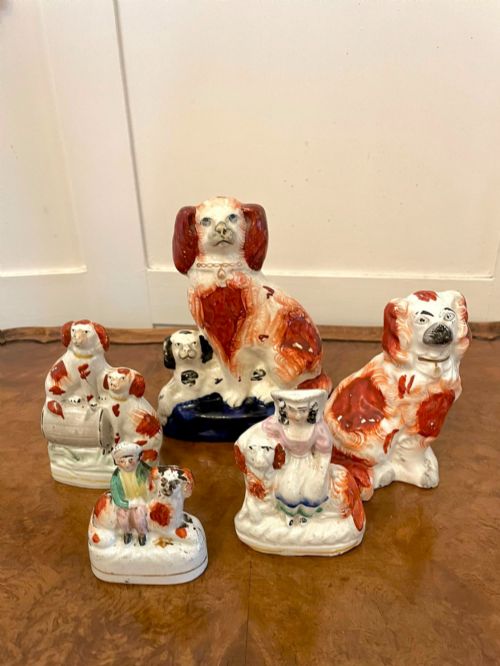
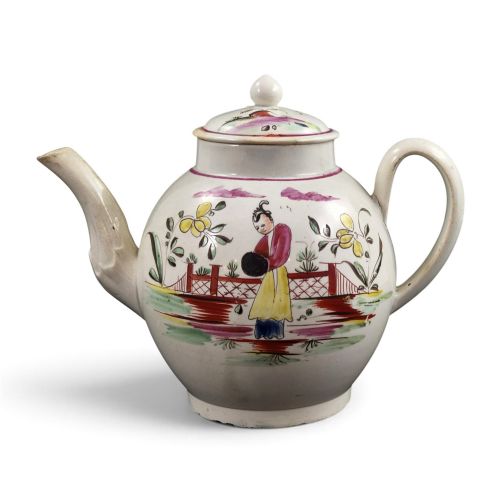
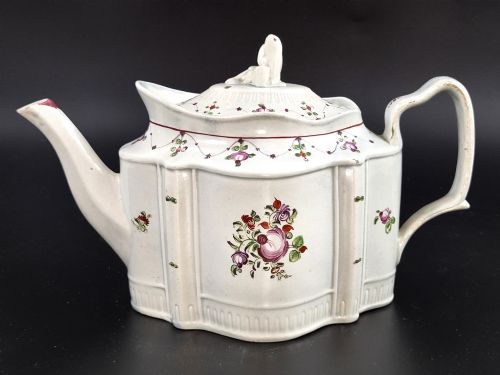
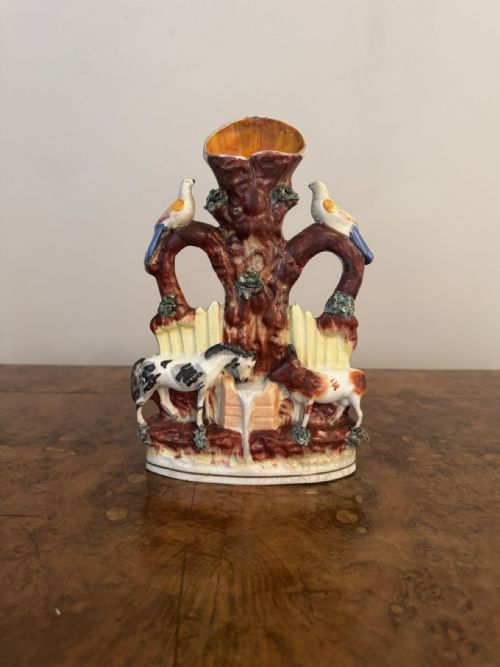
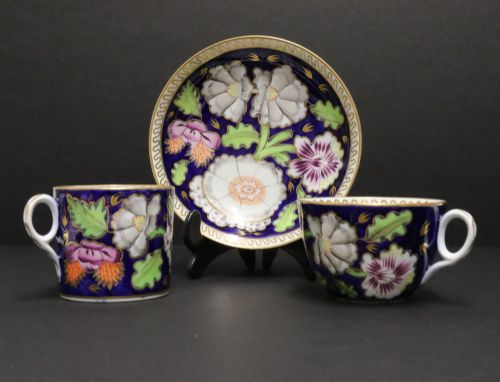
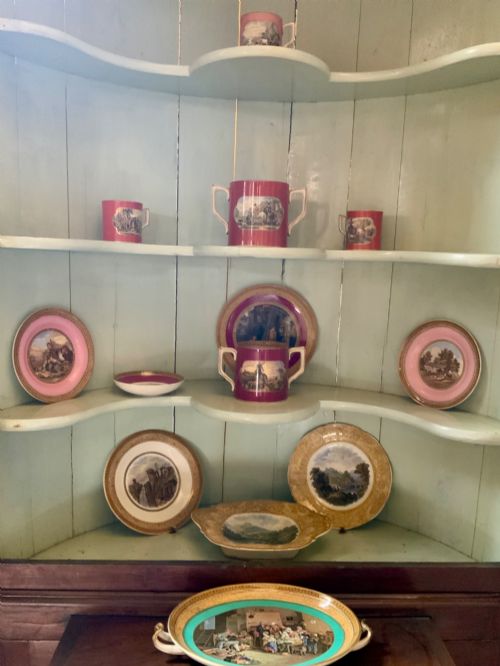
English staffordshire ceramics encompass a diverse range of earthenware and porcelain objects, from decorative animal figures and portrait groups to practical tableware such as teapots, tureens and jugs. The selection met most frequently spans the Georgian and Victorian periods, showcasing traditional craftsmanship from regional potteries.
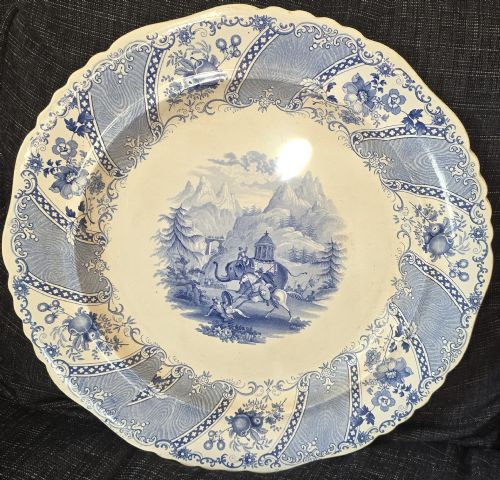
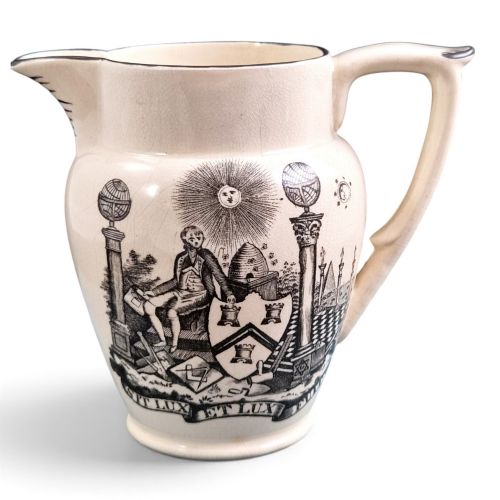
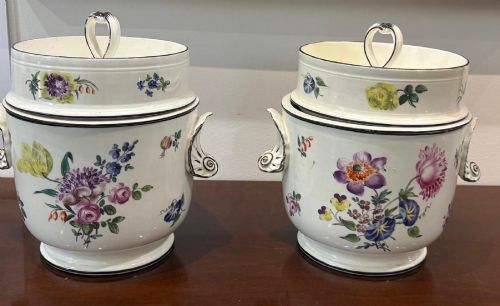
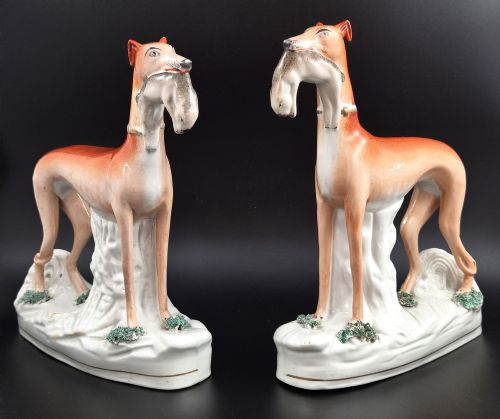
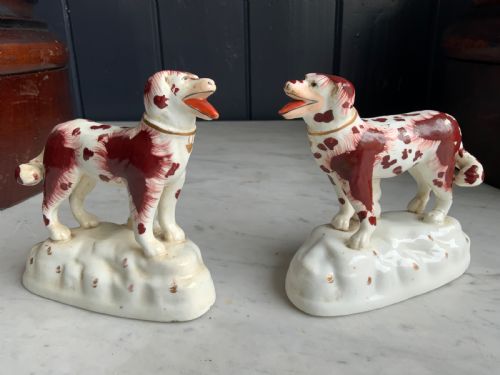
Figurative pieces often depict historical events, literary characters or domestic animals like greyhounds and poodles, while utilitarian wares display intricate blue and white transfer prints. Collectors encounter various forms ranging from spill vases and creamware ice pails to large chargers and commemorative toby jugs.
How they were made
Potters utilised refined local clays, creamware, pearlware and ironstone, shaping vessels on the wheel or pressing figures into moulds before applying tin or lead glazes. Artisans then decorated the surfaces by hand with vibrant enamels, copper lustre or black and magenta transfer prints.
Many items underwent multiple firings in traditional kilns to set the transfer designs and fix hand-painted details or gilt highlights, achieving the durable glazed finish characteristic of this regional pottery.
Materials recorded across the inventory include creamware, pearlware, ironstone and porcelain, decorated with enamel paints, gold leaf and copper lustre.
What varies in quality
The standard of an item depends significantly on the crispness of the moulding and the clarity of the hand-painted enamels or transfer printing. Superior examples display precise facial expressions on figures and sharp registration in multi-coloured or blue and white patterns.
The finesse of the ceramic body itself, whether a thinly potted creamware or a robust ironstone vessel, influences desirability, alongside the preservation of original gilding and enamel colours.
Newhall·Spode·Hicks and Meigh·Keeling and Co·Robert Hamilton·John Rogers and Son·J and R Clews·J and R Riley·Stubbs
The English Staffordshire Ceramics Glossary
- Creamware
- A refined light-coloured earthenware developed in the eighteenth century, known for its warm yellowish hue and clear glaze.
- Pearlware
- An improved earthenware body featuring a pale bluish glaze that pooled in recesses to mimic the whiteness of Chinese porcelain.
- Transfer print
- A decorative technique where an engraved metal plate transfers a design onto paper, which is then stamped onto the ceramic body before glazing.
- Spill vase
- A hollow vertical ceramic holder designed to keep wooden spills used for lighting candles and fires near the hearth.
- Toby jug
- A pottery jug shaped like a stout, cheerful man usually wearing a eighteenth-century tricorn hat and holding a mug of ale.
English Staffordshire Ceramics: Frequently Asked Questions
What is Prattware?
Prattware refers to a distinct type of English earthenware decorated with specific low-firing metal oxide colours such as ochre, blue, green and manganese.
It is commonly found on early pieces like plaques, jugs and bread platters featuring raised moulded designs.
How should I clean antique earthenware?
Antique earthenware requires gentle dusting with a soft, dry cloth to prevent damage to fragile glazes and hand-painted enamel decorations.
Water and harsh chemical cleaners should be avoided, particularly on pieces with visible hairline cracks or restored sections.
What distinguishes creamware from pearlware?
Creamware exhibits a warm, butter-yellow tone beneath a transparent lead glaze, whereas pearlware has a subtle blue tint trapped in the crevices.
Potters introduced pearlware towards the end of the eighteenth century to create a whiter surface that competed directly with imported porcelain.