




English Sporting Painting
An english sporting painting captures the vigour of the field, the stable and the kennel in oil or watercolour.
English Sporting Painting
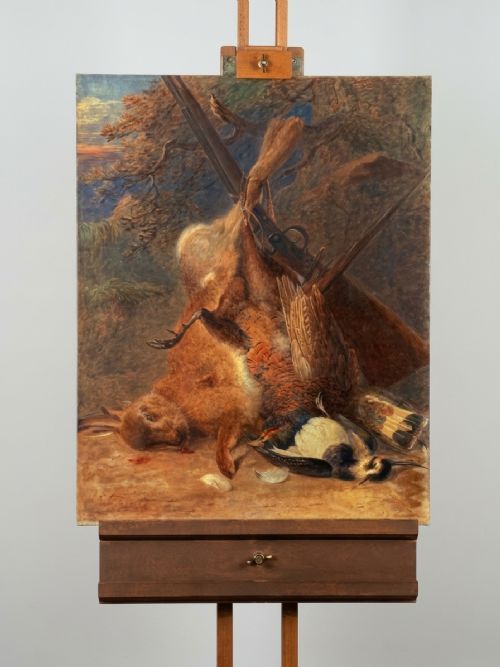
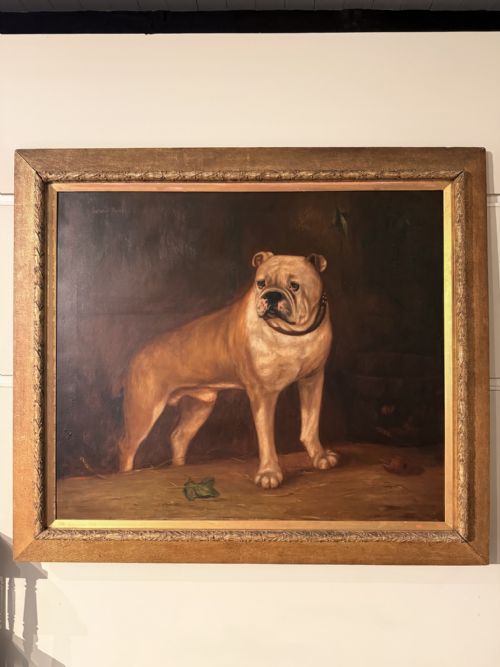
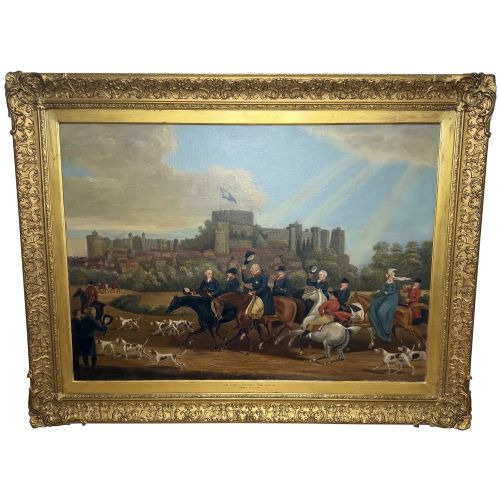
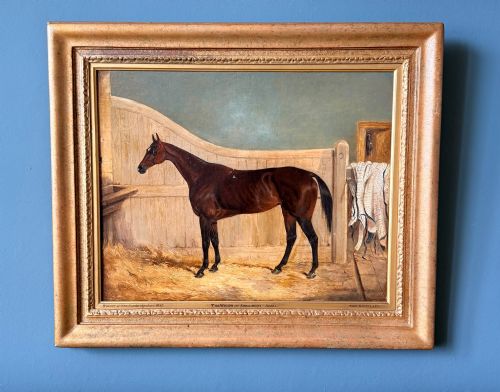
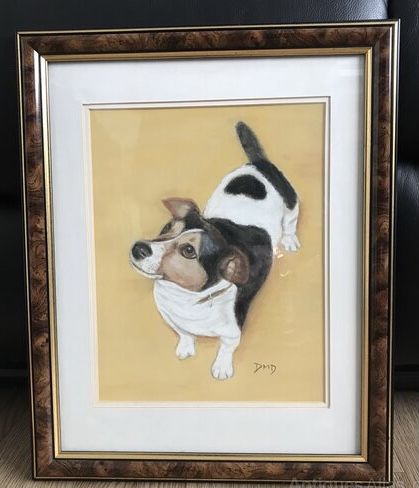
When you examine an english sporting painting, you encounter works dedicated to horses, hounds, game and rural pursuits. The pieces span centuries from the Georgian and Regency eras through the Victorian period and into the twentieth century, recording canine portraits, hunts in full cry and coaching scenes.
You will frequently meet depictions of gun dogs, hunters and game birds rendered in oil on canvas or watercolour on paper. The selection ranges from intimate studies of individual dogs to large canvases depicting historic hunts and racecourses.
How they were made
Artists built these works using oil paint applied to canvas or wood panel, alongside watercolours and bodycolour on paper. Canvases frequently sit within period giltwood frames finished with gold leaf.
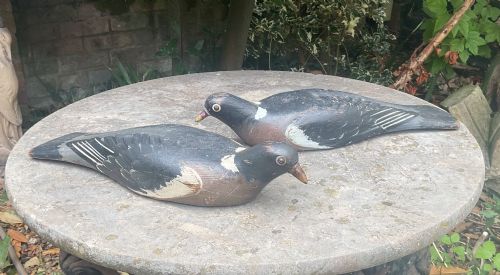
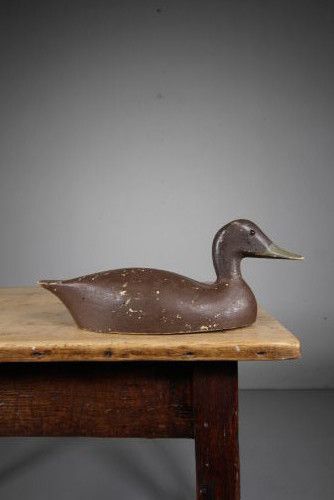
The physical components include hand-carved wooden decoy pigeons and ducks alongside traditional pigments. Painters employed fine brushes to capture the texture of a horse's coat or the feather of a game bird.
Periods represented span from the Georgian era through Victorian times to the mid-twentieth century.
What varies in quality
The distinction between ordinary and exceptional works lies in the precision of anatomical rendering and the handling of light within the landscape. Master painters conveyed the muscle tone of a horse and the alert posture of a pointer with acute observation.
Condition and originality dictate the standing of a piece. Works retaining their original giltwood frames and untouched paint surfaces carry greater authority than those subjected to heavy restoration.
John Frederick Herring Senior·Thomas Walker Bretland·Colin Graeme Roe·John Charles Maggs·Henri Schouten
The English Sporting Painting Glossary
- Oil on Canvas
- Pigment mixed with drying oil applied to a stretched cloth support. This technique allowed artists to build rich layers of colour and texture.
- Watercolour Painting
- Pigments suspended in a water-based solution applied to paper. It yields translucent washes often heightened with bodycolour for opaque details.
- Giltwood
- Wood carved and coated with a thin layer of gold leaf. It provided opulent framing for formal country house portraits.
- Decoy
- A carved wooden bird utilised by sportsmen to attract game. These objects combined utilitarian purpose with realistic painting.
- Bodycolour
- Watercolour mixed with a white pigment to render it opaque. Painters utilised it to add highlights and solid areas of tone to works on paper.
English Sporting Painting: Frequently Asked Questions
What subjects appear in these paintings?
The works depict horses, gun dogs, foxes, game birds and rural coaching scenes.
Human figures such as country gentlemen, huntsmen and grooms also feature prominently in the landscape settings.
How do I identify the period of a painting?
Clothing styles, frame construction and painting techniques offer clear clues to the date of execution.
Victorian works often display heavier gilt frames, while Georgian and Regency pieces reflect earlier portrait conventions.
Were these works made as interior decoration?
Many were commissioned by landowners to record prized horses, favourite hounds and notable hunt meetings.
They hung in country houses and sporting lodges to celebrate rural pursuits and achievements in the field.
What materials were used for framing?
Traditional frames are constructed from wood and embellished with gold leaf or gilt finishes.
These gilded surrounds were designed to complement the rich tones of the oil paint within.