
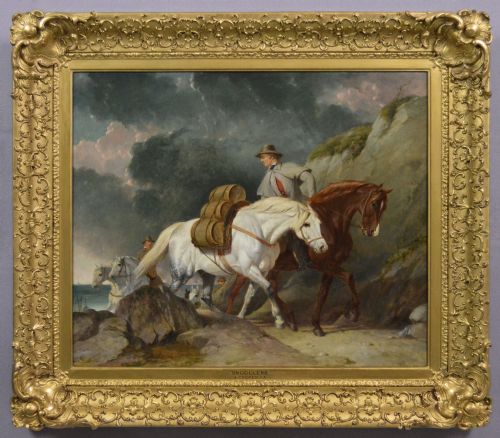
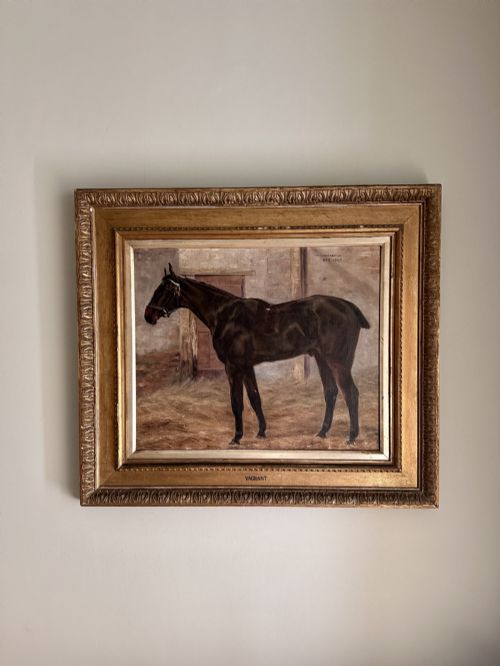
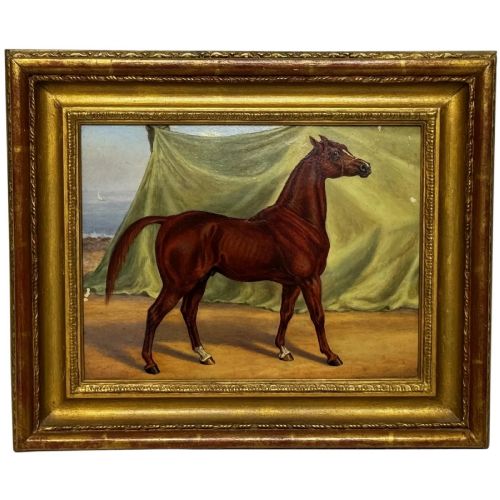
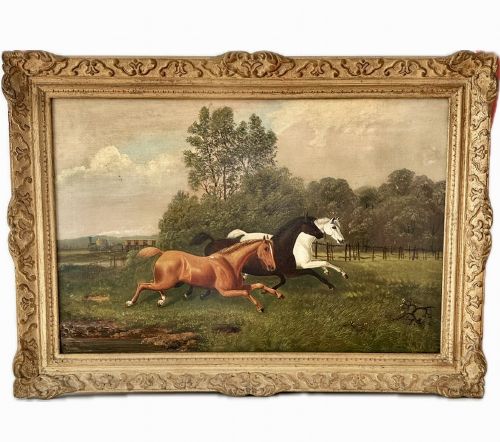
Gold Framed Equestrian Painting
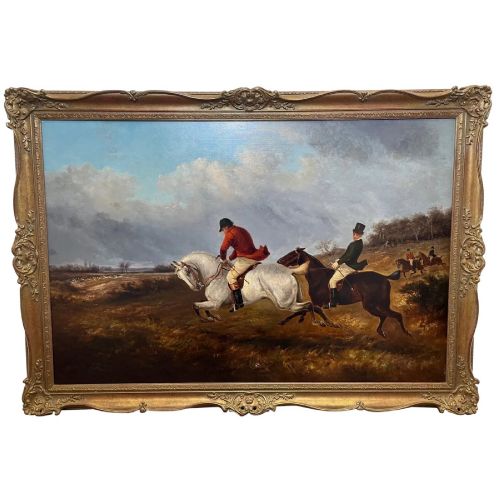
When you search for a gold framed equestrian painting, you are seeking historical horse portraits and sporting scenes housed in period gilt surrounds.
Gold Framed Equestrian Painting
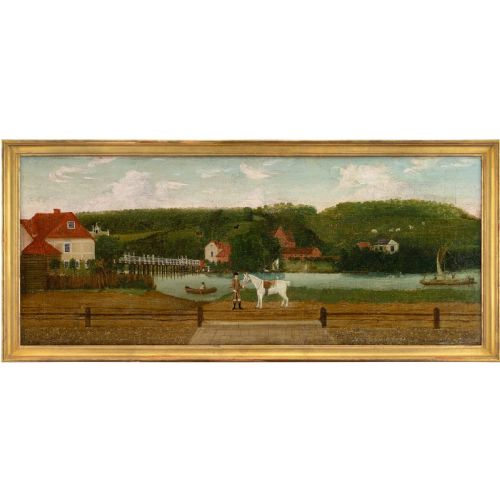
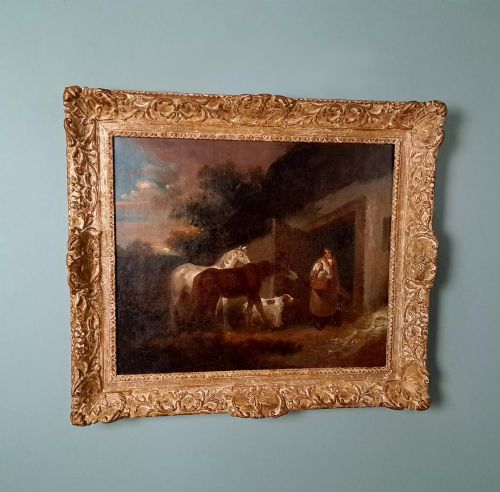
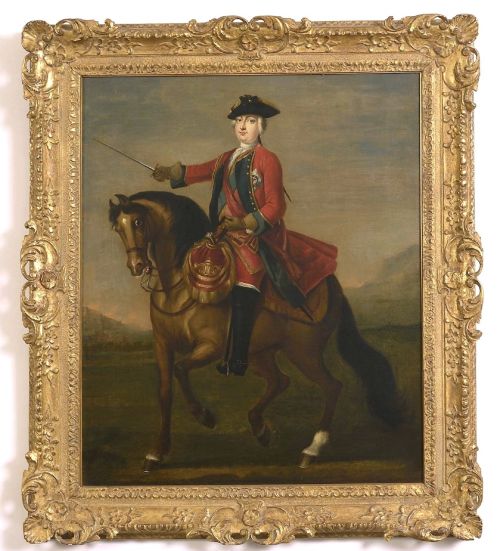
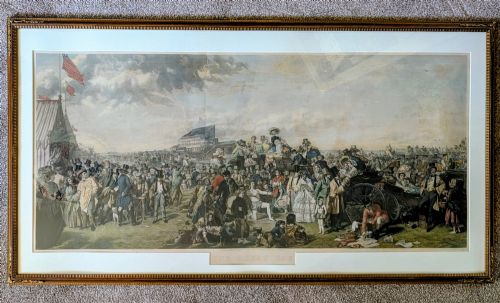
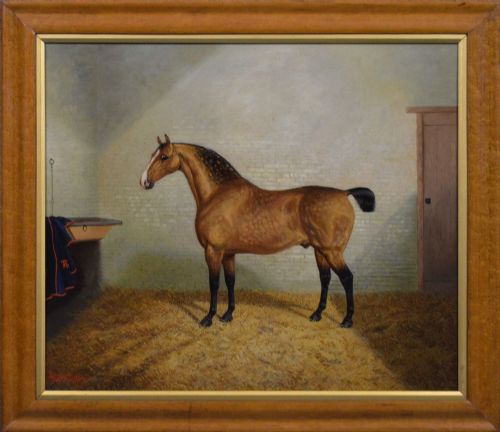
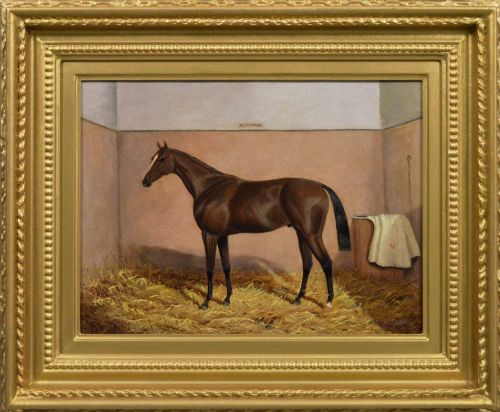
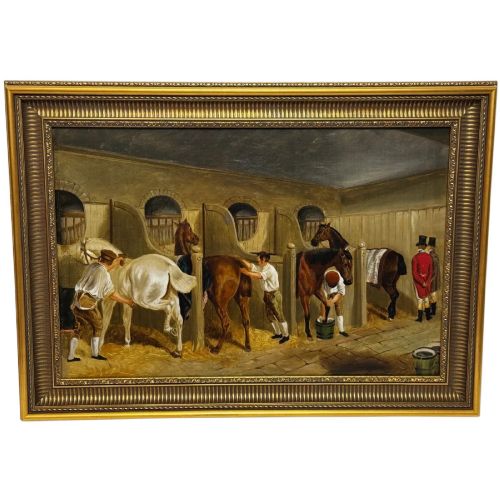
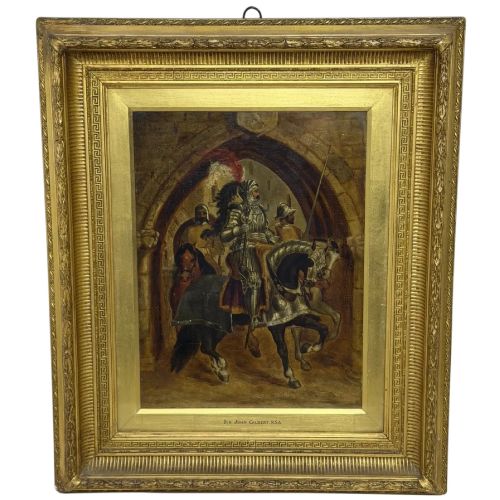
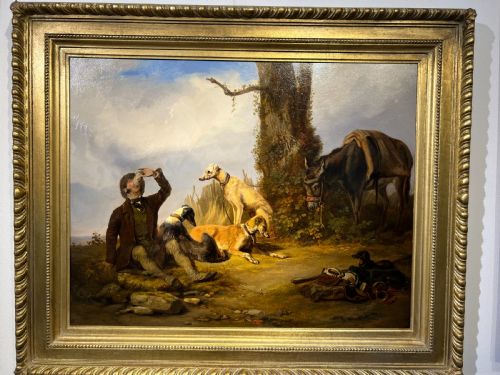
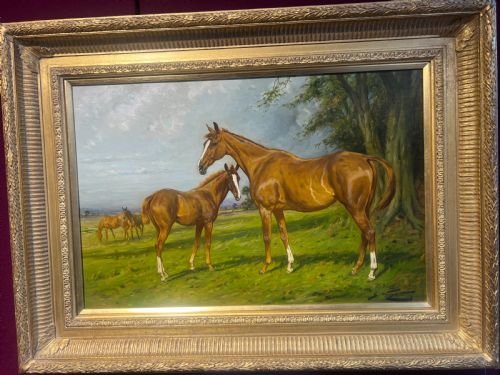
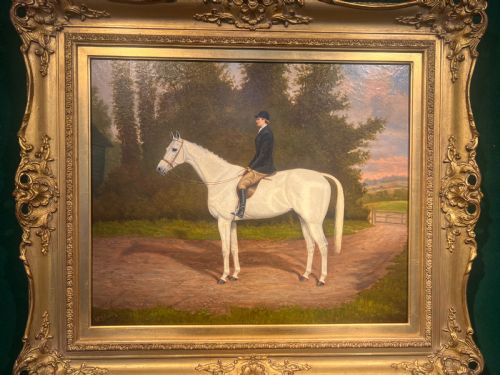
A gold framed equestrian painting captures horses, racing, hunting scenes, and coaching subjects executed primarily in oil on canvas across the eighteenth, nineteenth, and early twentieth centuries.
Buyers encountering this search phrase find single horse portraits commissioned by owners alongside wide landscape hunting studies attributed to notable sporting artists.
The aesthetic combines the movement of horses with the heavy ornamentation of giltwood frames, reflecting Victorian and Georgian tastes for country sports.
Materials and technique
Artists applied oil paint onto stretched canvas or wooden panels, utilising layered brushwork to render the sheen of horse coats and the textures of leather tack.
The accompanying frames are constructed from carved wood finished with layers of gilt or gold leaf, providing a reflective boundary that complements the dark palettes of traditional sporting art.
Listings span the eighteenth, nineteenth, and twentieth centuries, featuring oil on canvas and watercolour works within giltwood frames.
What separates the standard
Quality rests upon the anatomical accuracy of the horse and the handling of light across the landscape, distinguishing skilled portraitists from commercial studio copyists.
The integrity and originality of the gilt frame contribute heavily to the piece, as period frames matched to the canvas hold greater historical coherence than later replacements.
William Joseph Shayer Senior·Albert Clark·John Ferneley Senior·George Wright·Philip Henry Rideout
The Gold Framed Equestrian Painting Glossary
- Giltwood
- Wood carved and coated with gold leaf or metallic gilt powder to create a bright, reflective surface. This finish defines the traditional frames housing nineteenth-century sporting canvases.
- Sporting Art
- Genre of painting dedicated to equestrian subjects, hunting, racing, and shooting. These works record prized animals and field sports popular among landowners.
- Oil on Canvas
- Pigment mixed with drying oils applied to a woven fabric support stretched over a wooden frame. This medium allowed artists to build rich textures and deep tones.
- Reverse Glass Painting
- Technique where the artist paints directly onto the back of a glass pane, viewed from the front. This method creates a glossy, preserved surface unique to certain decorative periods.
Gold Framed Equestrian Painting: Frequently Asked Questions
How do I date a gold framed equestrian painting?
Dating relies upon examining the canvas preparation, stretcher construction, and the style of the clothing or horse tack depicted in the scene.
Period framing techniques and handwritten inscriptions on the reverse of the canvas also provide reliable chronological markers.
Where should I hang an equestrian painting?
These works suit traditional reception rooms, libraries, or studies where dark wood furniture complements the warm tones of the gilt frame.
Avoid placing the canvas in direct sunlight or areas of high humidity to protect the oil paint and gold leaf.
What subjects are common in these paintings?
Common subjects include named racehorses, fox hunting packs, coaching scenes with stagecoaches, and rural farmyard compositions featuring working horses.
Many depict specific estates or historical racing events commissioned by the owners.
Are the frames original to the paintings?
Many paintings retain their period giltwood frames, though some have been reframed over the centuries due to damage or changing decorative fashions.
Matching the age of the frame to the canvas requires inspecting the rabbet edges and corner joints for signs of synchronicity.