
Gilt Framed Sporting Artwork
Gilt framed sporting artwork captures the dynamic energy of nineteenth and twentieth-century equestrian, hound, and field pursuits through period oil paintings and prints.
Gilt Framed Sporting Artwork
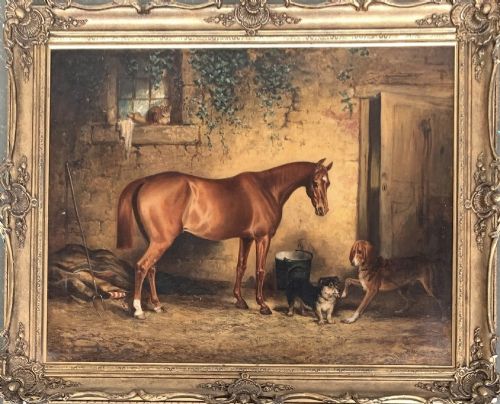
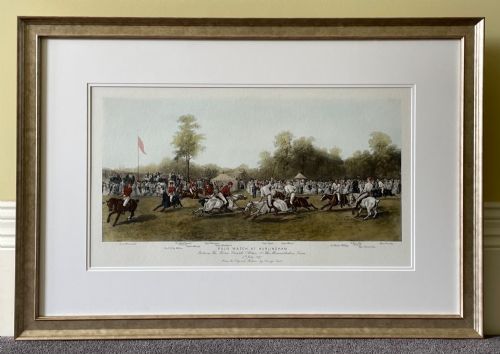
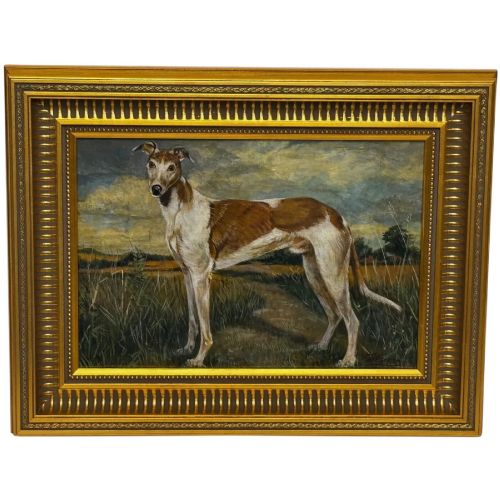
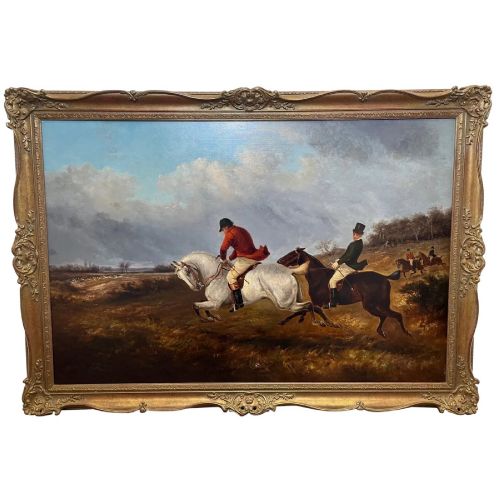
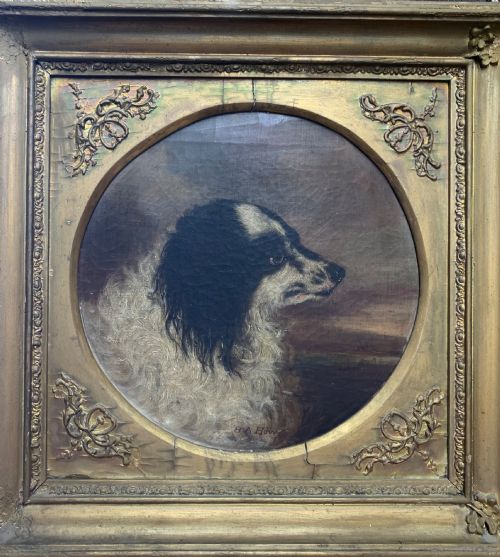
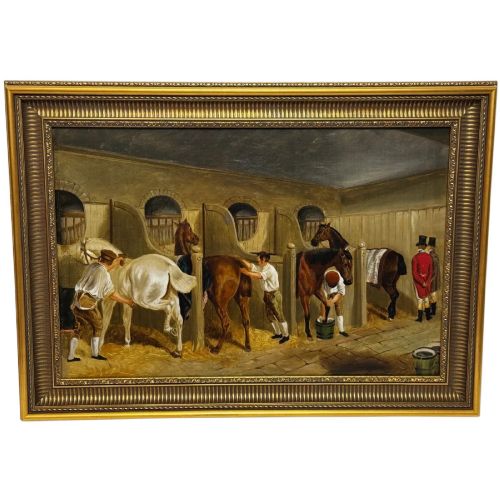
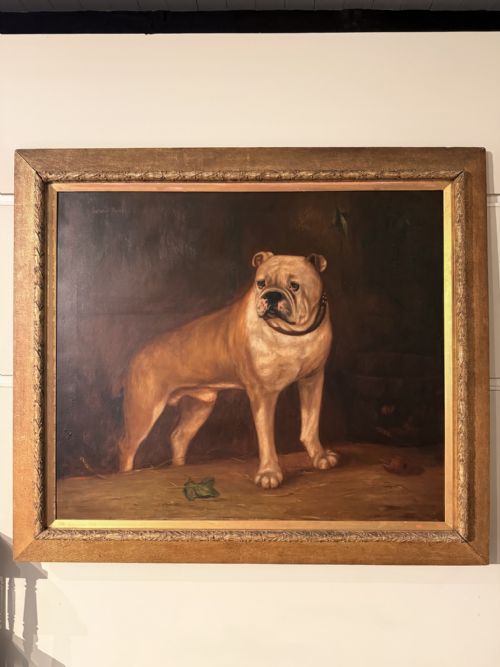
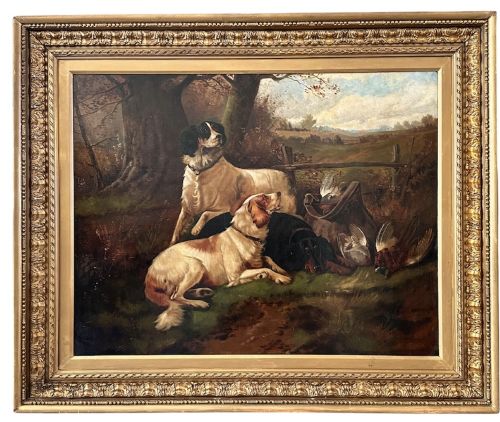
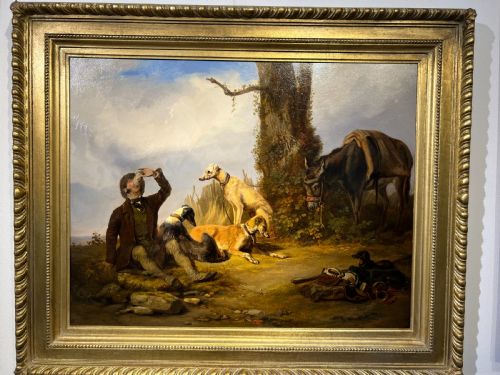
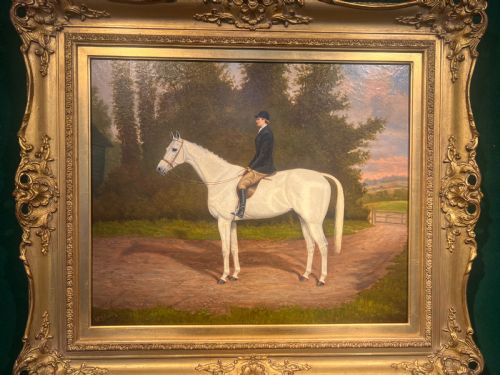
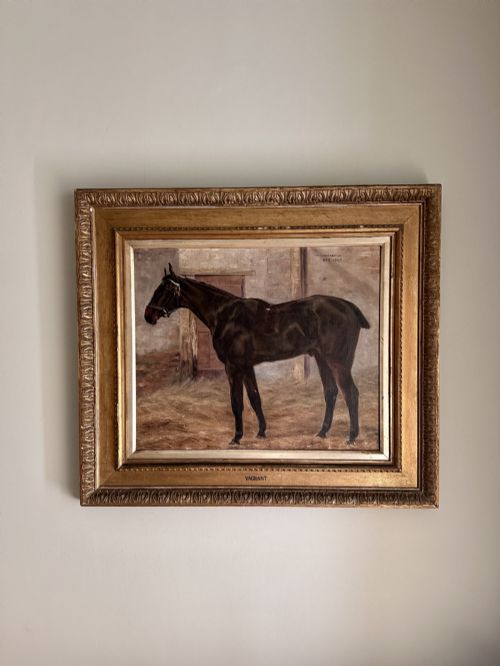
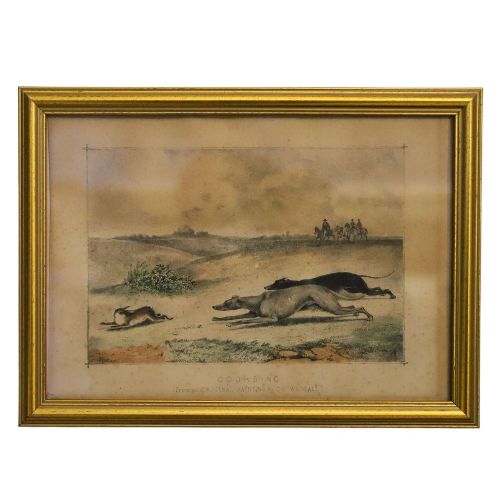
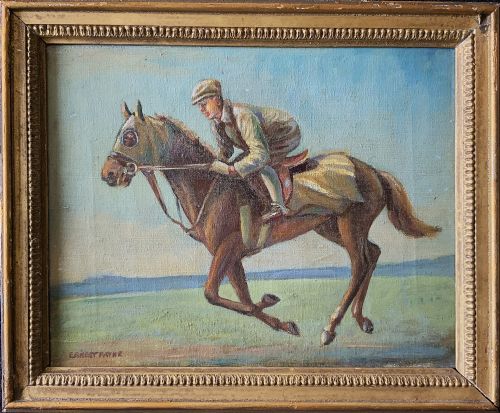
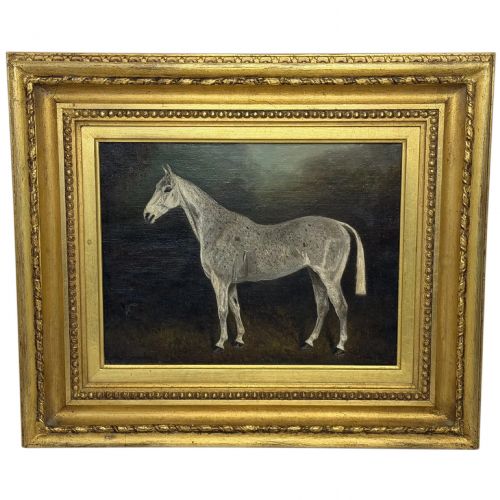
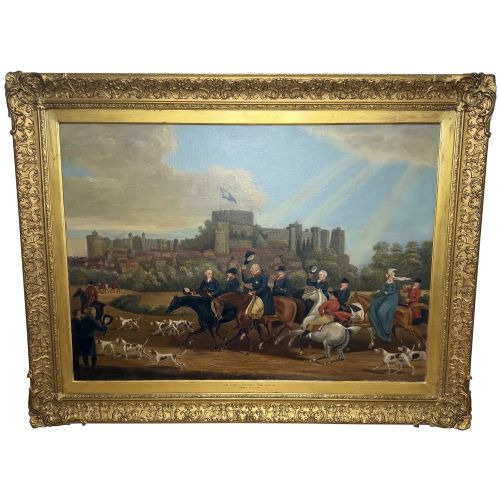
When you examine gilt framed sporting artwork, you encounter historical depictions of horses, hounds, gun dogs, and field sports originating primarily from Victorian and Edwardian Britain. The subjects range from individual equine portraits and racehorses with jockeys to sweeping fox hunting scenes, polo matches, and hare coursing.
You are most likely to meet original oil paintings on canvas or board, alongside period lithographs and engravings. These works record the social history of country pursuits, often naming specific animals, owners, and famous hunts of the era.
How They Were Made
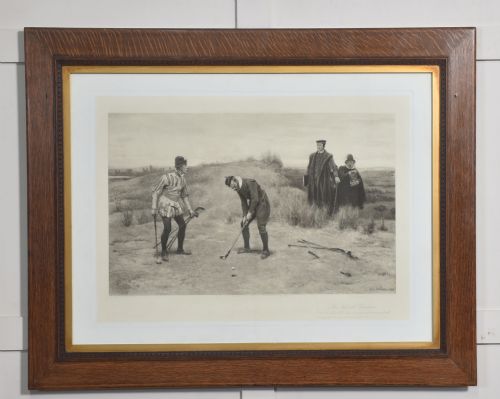
Artists built these compositions using oil paint on stretched canvas or wooden panels, applying layers of pigment to capture the musculature of animals and the gloss of horsehair. Prints from the period utilised lithography or engraving techniques on paper to reproduce popular compositions for broader circulation.
The surrounds consist of wooden mouldings finished with gold leaf, giltwood, or applied gold paint, adding reflective brilliance to the framed imagery. These decorative frames were constructed to complement the deep tones and dramatic lighting characteristic of nineteenth-century canvases.
Several Victorian hounds seem to stare directly out of the canvas with mild skepticism regarding the day's sport.
What Varies in Quality
The distinction between ordinary and exceptional pieces rests upon the artist's command of anatomy, movement, and individual characterisation. Master painters render the tension in a galloping horse or the alert posture of a spaniel with convincing depth, whereas lesser studio works rely on stiff, formulaic outlines.
Frame construction also dictates the standing of a piece, as hand-carved giltwood mouldings with original leaf hold far greater visual harmony than later replacement surrounds. Contemporary signatures, well-documented provenance, and detailed inscriptions naming the subject elevate specific canvases above anonymous studio output.
Henry Barraud·Thomas Smythe·John Sargent Noble·Fred Fitzpatrick·Ernest Payne·Philip Rideout·John Frederick Herring Snr·John Emms·Benjamin Blake·Arthur Wardle·Albert Clark·Gertrude Halsband·Basil Nightingale·William Barraud·Valentine Thomas Garland·John Trivett Nettleship·Samuel Spode·Colin Graeme Roe
The Gilt Framed Sporting Artwork Glossary
- Giltwood
- Wood carved and coated with gold leaf or powder to create a bright metallic finish. It forms the primary decorative border for nineteenth-century canvases.
- Equine portrait
- A painting dedicated solely to the likeness of a specific horse, often recording race winners or prized stud animals with their handlers.
- Lithograph
- A print produced by drawing an image on limestone or metal plate using an oily substance. This method allowed nineteenth-century publishers to issue multiple copies of popular field sports scenes.
- Hunt pack
- A collective grouping of hounds maintained for chasing game, frequently rendered in rural landscapes by specialist animal painters.
- Provenance
- The documented history of ownership surrounding an artwork. It establishes authenticity and connects a canvas to notable estates or galleries.
Gilt Framed Sporting Artwork: Frequently Asked Questions
What subjects appear in these artworks?
The visual record focuses heavily on British country sports, featuring prized racehorses, hunters, working spaniels, collies, and foxhounds. Scenes of hare coursing, polo matches, and mounted hunts across rural estates also recur frequently.
Artists documented these subjects with precise attention to the breed characteristics and the specific topography of historical hunting grounds.
How do I date these paintings?
Dating relies on the artist's recorded working periods, costume styles of any human figures present, and framing techniques. Many nineteenth-century works include inscriptions on the reverse or stretcher bars naming the animal and the year.
Stylistic shifts between Victorian academic realism and later twentieth-century brushwork provide additional chronological markers.
Where should I hang these pieces?
These works suit traditional study spaces, libraries, or dining rooms where timber furniture and rich wall colours complement the warm tones of gold leaf frames. They perform best away from direct sunlight to protect sensitive oil pigments and paper prints.
Pairing smaller companion pieces, such as coaching scenes or paired setters, creates a balanced display along a hallway or above a mantelpiece.
Are the frames original to the art?
Many pieces retain their period gilt wood surrounds, though some nineteenth-century canvases have received replacement frames over generations of ownership. Examining the corner joints, gesso application, and wear patterns helps determine whether the frame dates to the same era as the canvas.
Matching frames enhance the historical integrity of the artwork and its visual presentation.