



Framed Horse Racing Art
Framed horse racing art captures the speed and atmosphere of the turf through Victorian prints, mid-century oils and detailed engravings.
Framed Horse Racing Art
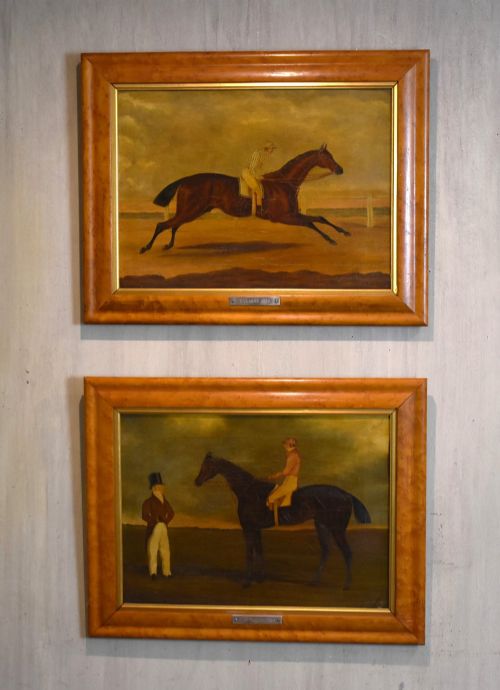
When you search for framed horse racing art, you encounter a varied selection of works dedicated to the turf and equestrian sport. These pieces span multiple centuries, capturing racehorses, jockeys, tracks and the surrounding social scene.
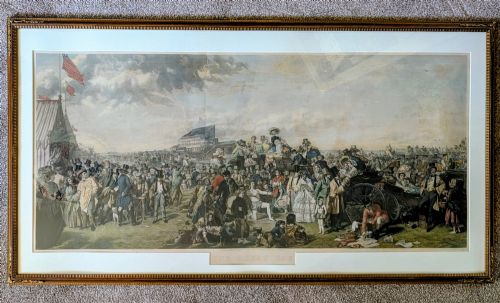
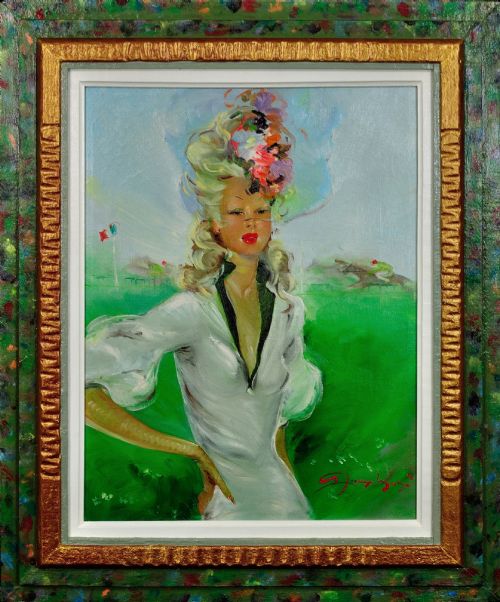
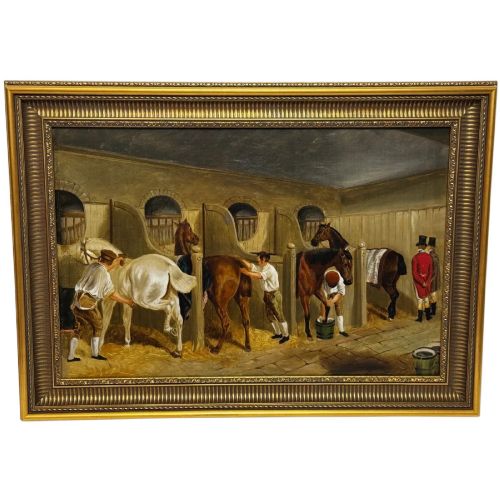
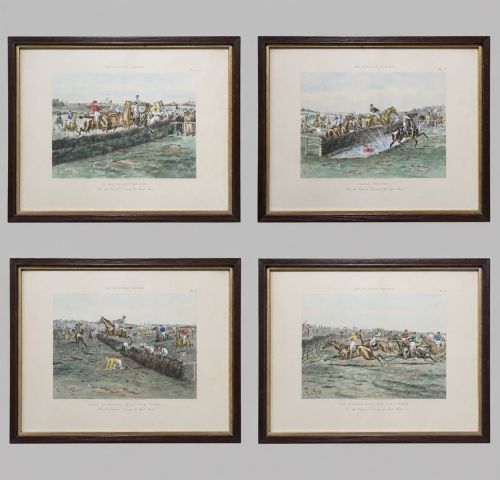
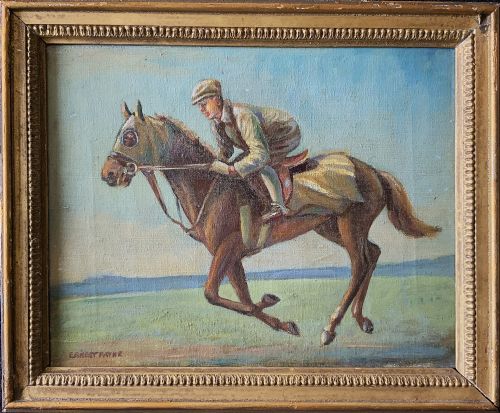
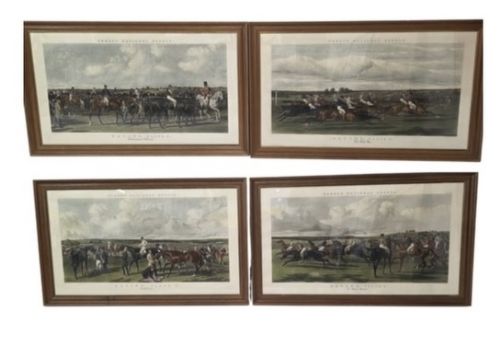
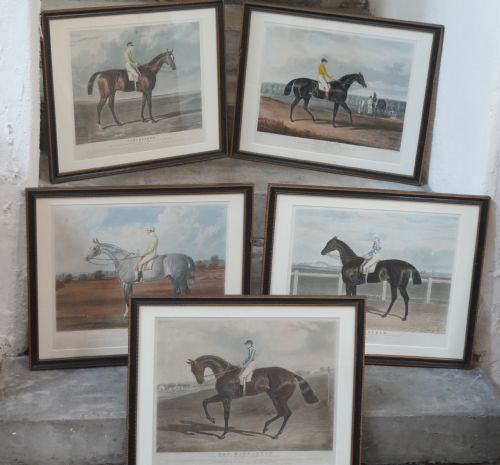
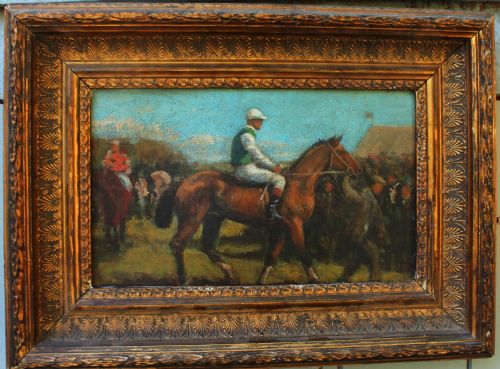
The objects on this page range from oil paintings on canvas and panel to original prints, engravings, aquatints and silk needlework. You will find individual portraits of winning racehorses alongside dynamic scenes set at Epsom, Newmarket and international tracks.
Materials and methods behind the pieces
Artists working on these pieces utilised traditional mediums including oil on canvas, gouache, watercolour, pastel on coloured paper and ink. Printmakers employed engraving, aquatint, chromolithography and photographic printing techniques to reproduce popular sporting subjects.
Framing materials reflect the period of production, incorporating timber mouldings, gesso and heavy gilding designed to complement the artwork. Protective glazing frequently covers works on paper and delicate prints to preserve the ink and pigments.
Factors that separate the tiers of work
Quality in these pieces rests upon the precision of the draughtsmanship and the artist's ability to convey equine anatomy and motion. Works by named painters and established sporting artists demonstrate superior handling of light, atmosphere and the tension of the race.
The condition of the medium and the originality of the framing contribute significantly to the standing of a piece. Clean paper without heavy toning, vibrant oil pigments, and period-appropriate gilt wood frames distinguish the higher end of the range.
William Powell Frith·Jean-Gabriel Domergue·George Finch Mason·Ernest Payne·Snaffles·John Frederick Herring Snr·John Rattenbury Skeaping·Gabriel Dauchot·Alfred Wheeler·Isaac Cullin·Charles Johnson Payne·Walter Herbert Wheeler·Thomas Worth
The Framed Horse Racing Art Glossary
- Aquatint
- A printmaking technique that produces tonal areas resembling watercolour washes. This method was widely utilised in nineteenth-century sporting prints to create depth and shadow.
- Chromolithography
- A planographic colour printing process used to produce multi-coloured images. Victorian publishers frequently employed this method for magazine supplements and art prints.
- Gouache
- An opaque water-based paint that dries to a matte finish. Artists used it to achieve solid blocks of colour and fine highlights in works on paper.
- Engraving
- A technique where an image is incised onto a metal plate with a sharp tool. The resulting lines hold ink to transfer sharp details onto paper.
- Silk needlework
- Textile art created by stitching patterns onto a fabric ground. Examples on this page depict detailed track scenes using fine coloured threads.
Framed Horse Racing Art: Frequently Asked Questions
How do I date a racing painting?
Dating relies on stylistic clues, artist signatures, clothing fashions of the spectators and the specific horses or races depicted. Framing materials and backboard construction also provide helpful chronological markers.
Comparison with documented works by the same hand or publisher helps narrow the period of creation further.
Are these works original or reproductions?
The selection includes both unique hand-painted works, such as oil paintings and pastels, and period-produced prints and engravings. Each listing specifies the exact medium utilised by the creator.
Original prints were pulled from plates or stones during the active period of the artist or publisher rather than being modern digital copies.
How should I hang framed art?
Hang pieces at eye level using appropriate wall anchors matched to the weight of the timber and glass frames. Keep them away from direct sunlight and damp environments to protect paper, canvas and gilt surfaces.
Groupings of smaller prints benefit from consistent spacing to maintain visual balance on the wall.
What is a signature print?
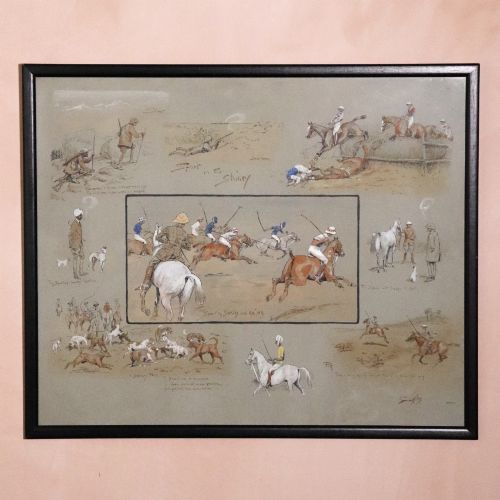
Signature prints in this context typically refer to works by specific recognised sporting artists whose graphic output was published in limited or popular editions. Artists like Snaffles signed many of their published plates in pencil.
These prints capture the distinct style and character associated with the draughtsman's wider body of work.