



English Sporting Art Painting
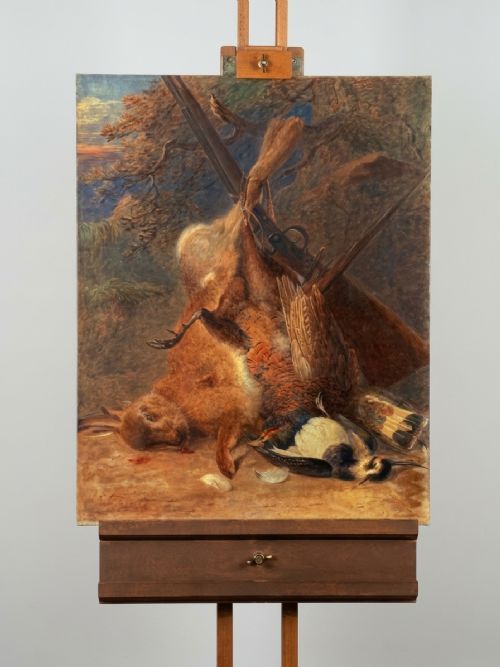
When you search for english sporting art painting, you enter a tradition that captures horses, hounds, and field sports across centuries.
English Sporting Art Painting
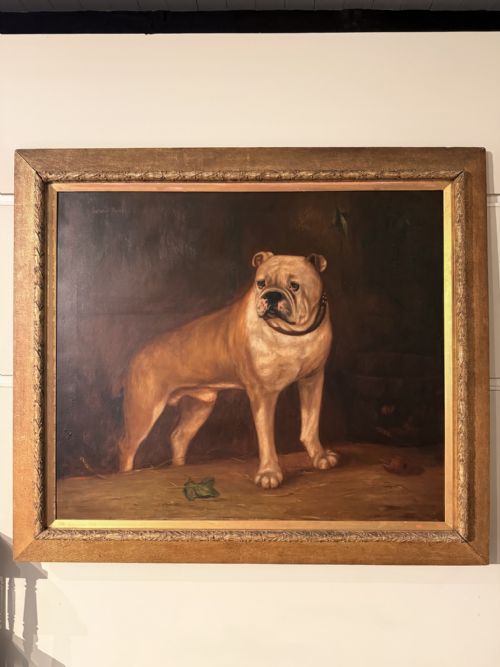
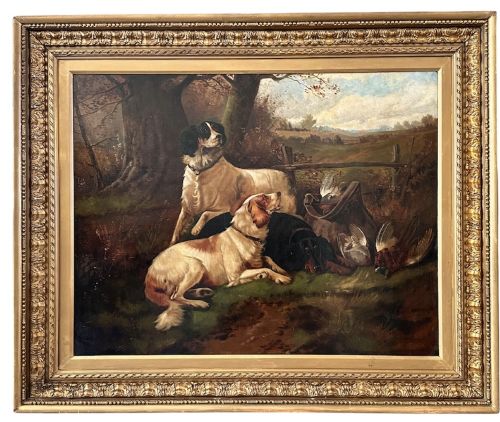
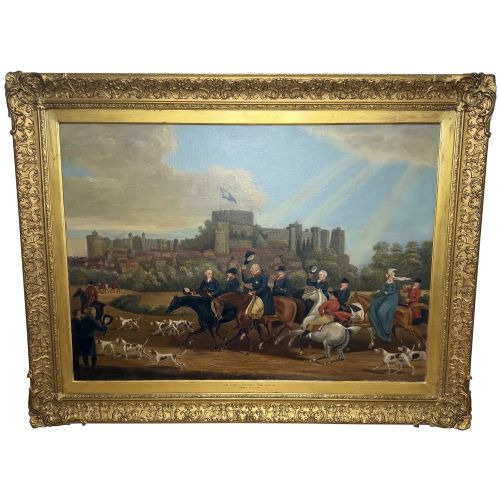
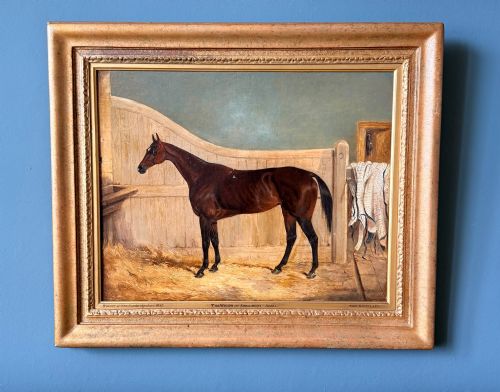
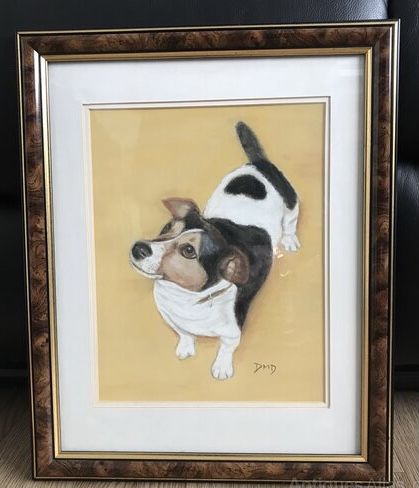
An english sporting art painting records the pursuits, animals, and landscapes central to rural life, spanning canine portraits, coaching scenes, and mounted hunts.
The selections available here focus heavily on nineteenth-century canvas works and watercolours, alongside mid-twentieth-century depictions of dogs, horses, and racing.
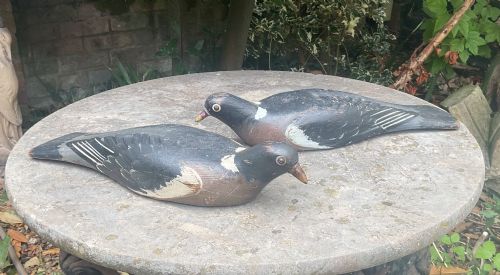
Buyers encounter oil on canvas, framed watercolours, and painted wooden decoys from periods ranging from the Georgian era through to the 1960s.
How They Were Made
Artists applied oil paint or watercolour to canvas, paper, or board, often framing the finished pieces in gilt wood or gold leaf frames.
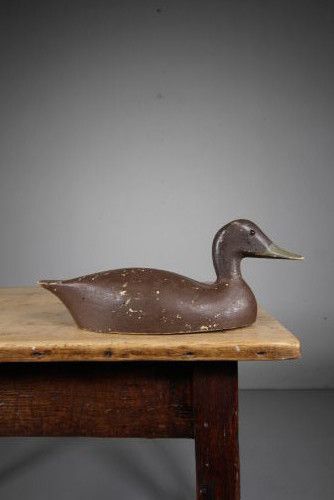
Wooden decoys and painted objects demonstrate utilitarian craftsmanship adapted for display, utilising carved wood painted to represent birds.
Listings feature oil paintings, watercolours, and painted wood decoys spanning the 1800s to the 1960s.
What Varies in Quality
Anatomy, proportion, and movement in animal subjects distinguish skilled handwork from rigid or hurried execution.
Handling of background landscapes and atmospheric conditions, such as snowstorms or misty pastures, sets master painters apart from lesser contemporaries.
John Frederick Herring Senior·Thomas Walker Bretland·Samuel Henry Alken·Colin Graeme Roe·John Charles Maggs
The English Sporting Art Painting Glossary
- Oil on Canvas
- Pigment mixed with drying oil applied to a stretched cloth support. This technique allows for rich colour blending and durability over centuries.
- Bodycolour
- Water-based paint mixed with a white pigment to make it opaque. Artists use this medium to add solid highlights and dense areas of colour to paper works.
- Gilt Wood
- Wood treated with gold leaf or metallic gilding. It frames many traditional paintings from the Georgian and Victorian periods.
- Decoy
- A carved wooden object shaped like a bird to attract game. These items combine functional carving with painted surface detail.
English Sporting Art Painting: Frequently Asked Questions
How do I identify the period of a sporting painting?
Examine the materials, framing styles, and clothing depicted in the subject matter. Nineteenth-century works frequently utilise heavy gilt frames and specific canvas preparations.
Brushwork and pigment analysis also offer clues, aligning with the Georgian, Victorian, or Edwardian eras recorded in the piece's history.
Where should I hang a sporting painting at home?
These works suit traditional studies, libraries, or living rooms where framed oils and watercolours complement wood furniture. Keep them away from direct sunlight to protect the pigments.
Ensure stable humidity levels to preserve both the canvas and the original gilt wood frames.
What is the difference between oil and watercolour sporting art?
Oil paintings utilise thick pigments on canvas or board, providing texture and deep colour saturation. Watercolours on paper offer a lighter, more translucent finish.
Watercolours are typically displayed under glass for protection, whereas traditional oils remain exposed on stretched canvas.
What subjects are most common in english sporting art?
Horses, hunting dogs, and coaching scenes dominate this category, reflecting rural pastimes and transport. You will frequently find portraits of individual prize animals alongside packed hunt scenes.
Game birds, racing events, and pastoral landscapes complete the typical repertoire found across these historic works.