


English Porcelain Sauce Boat
An English porcelain sauce boat brings eighteenth- and nineteenth-century dining tables to life with shaped bodies, hand-painted motifs, and graceful handles.
English Porcelain Sauce Boat
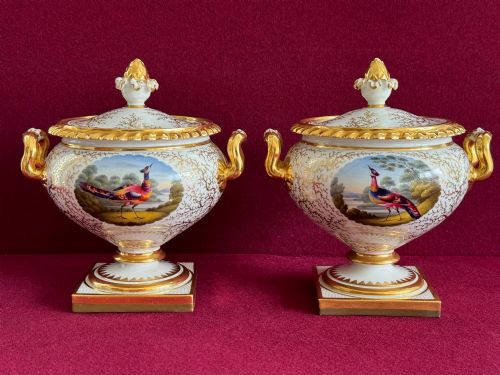
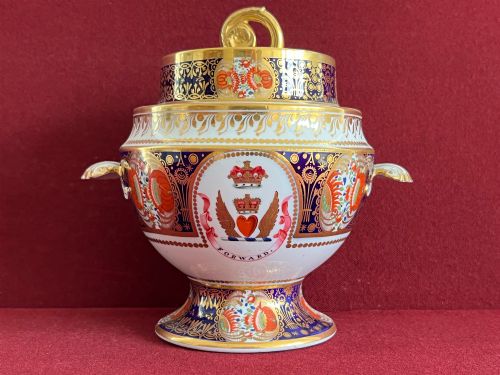
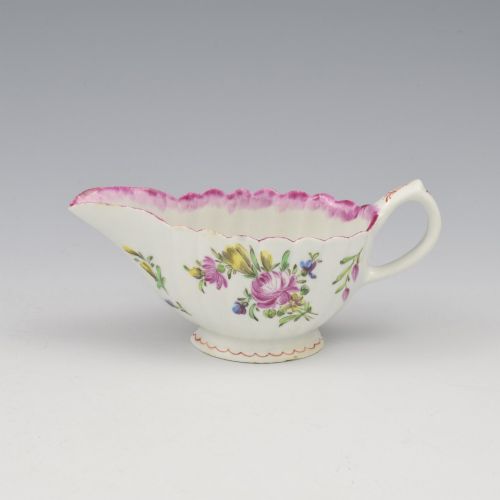
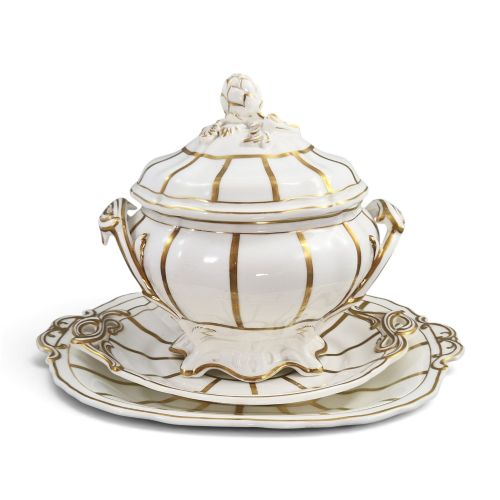
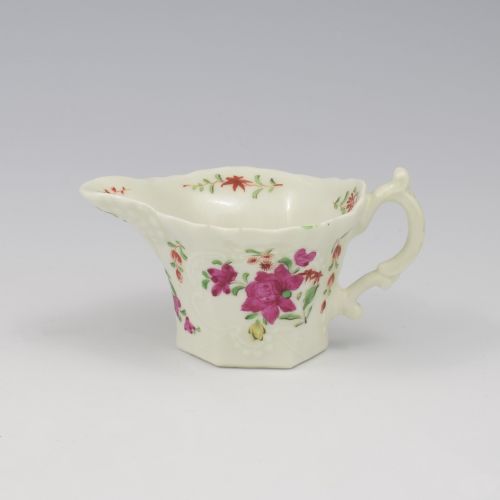
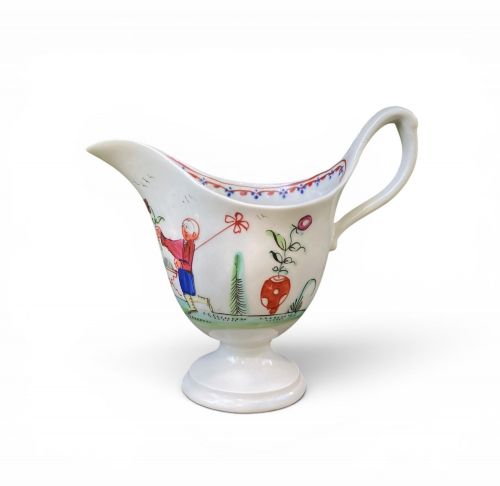
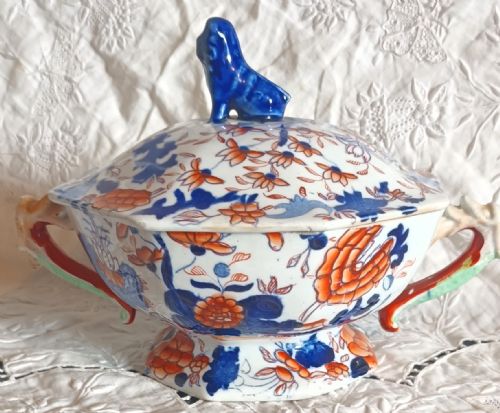
When you search for an english porcelain sauce boat, you encounter functional tableware designed to hold gravy, cream, or sauces during formal meals. The forms range from fluted vessels and lettuce-leaf moulds to covered tureens complete with matching ladles.
The pieces on this page span the eighteenth and nineteenth centuries, taking in periods from Georgian and Regency through to Victorian. Factory origins include prominent works such as Worcester, Bow, Chelsea Derby, Davenport, and Mason's.
Makers produced these items in various configurations, including triangular platform shapes, hexagonal bodies, and clip-handled jugs. Decoration stretches from blue and white transfer prints to intricate hand-painted Chinoiserie and Imari patterns.
How they were made
Potters utilised soft-paste porcelain, bone china, and ironstone to shape these vessels, often employing moulds to achieve fluted or leaf-shaped profiles. Cobalt glaze supplied the rich blue tones for underglaze painting, while enamel colours added vibrant details.
Artisans applied gold leaf and gilt highlights by hand to rims, handles, and borders, enhancing the visual depth of the porcelain. Kiln firing fixed the cobalt pigments and enamel layers into the glaze, producing durable surfaces for dining use.
What varies in quality
The standard of painting on an english porcelain sauce boat dictates much of its appeal, distinguishing hasty factory production from meticulous artisan work. Crispness in moulded details, such as fluting or leaf veins, also marks out superior pieces.
Preservation of fragile gilt highlights and enamel colours over centuries affects overall desirability. Furthermore, the presence of matching covers and ladles elevates the completeness and standing of a set.
Bow Porcelain·Chelsea Derby·New Hall·Davenport·Mason's Ironstone·Flight Barr & Barr·Derby
The English Porcelain Sauce Boat Glossary
- Soft-paste porcelain
- A glassy, early ceramic composition fired at lower temperatures than hard paste. It absorbs moisture through unglazed areas and yields a warm, creamy translucency.
- Cobalt glaze
- A deep blue metallic oxide pigment applied under the glaze before firing. It withstands high kiln temperatures without losing its intense hue.
- Chinoiserie
- European artistic style reflecting Chinese motifs and landscapes. Artisans painted imaginative oriental figures and pagodas onto domestic porcelain.
- Imari
- Decorative style incorporating underglaze blue, iron red, and gilt. Named after the Japanese port from which export wares travelled, English factories readily copied the palette.
- Ironstone
- A heavy, durable earthenware patent developed in the nineteenth century. It resists chipping better than soft-paste porcelain while accepting transfer-printed designs.
English Porcelain Sauce Boat: Frequently Asked Questions
What were sauce boats used for?
These vessels served gravies, melted butter, cream, and thin sauces at the dining table. Their spouts and handles allowed smooth pouring during formal meals.
Sauced dishes formed a central part of Georgian and Victorian dining customs, requiring dedicated tableware designed specifically for liquid condiments.
How do I date an antique sauce boat?
Dating relies on factory marks, paste composition, and stylistic clues such as Georgian rococo moulding or Regency neoclassical lines. Examining the glaze and footrim reveals manufacturing traits typical of specific decades.
Earlier pieces from the eighteenth century often use soft-paste porcelain, whereas later nineteenth-century examples frequently utilise ironstone or bone china.
How do I display a sauce boat?
These pieces sit comfortably inside glazed cabinets or on open dressers where their shapes and painted patterns remain visible. Placing them alongside period ceramics creates an authentic historical grouping.
Given their delicate handles and spouts, positioning them away from high-traffic household edges ensures their safety during daily life.