


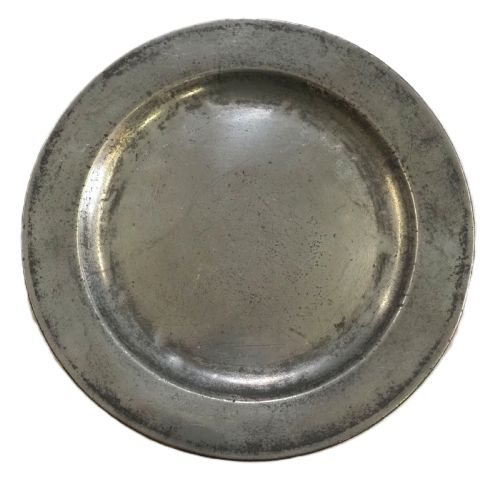

English Pewter Dish
An english pewter dish carries the quiet heft of centuries past, offering a tactile connection to domestic life and craft from the Stuart era onward.
English Pewter Dish
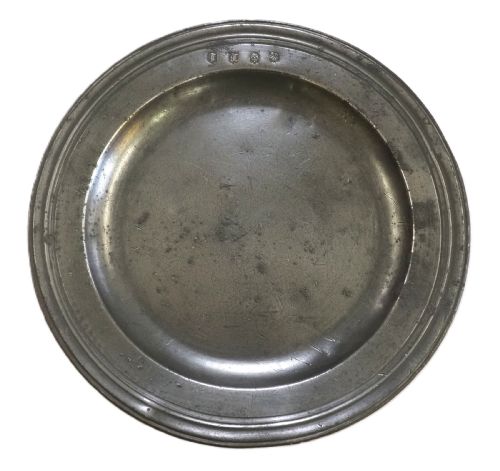
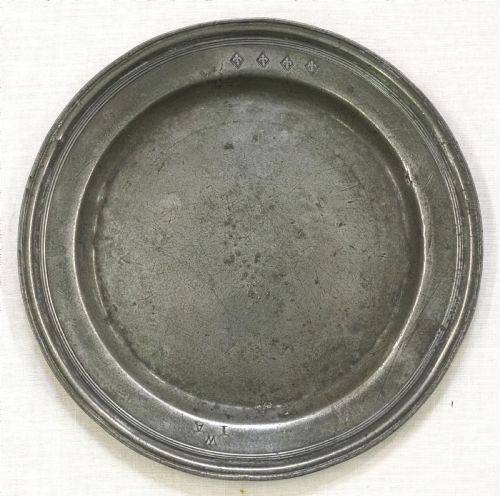
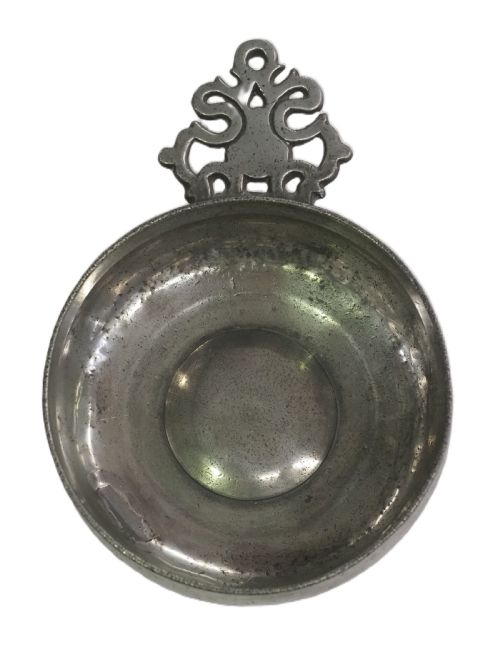
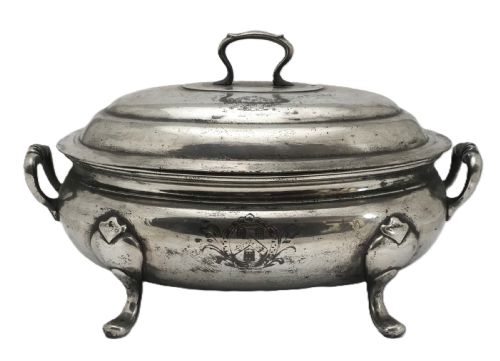
An english pewter dish encompasses a wide variety of domestic vessels, from broad chargers and deep plates to specialised bowls and porringers designed for daily use or display. These objects bridge the gap between utilitarian kitchenware and formal tablesetting, recording shifts in British dining habits over hundreds of years.
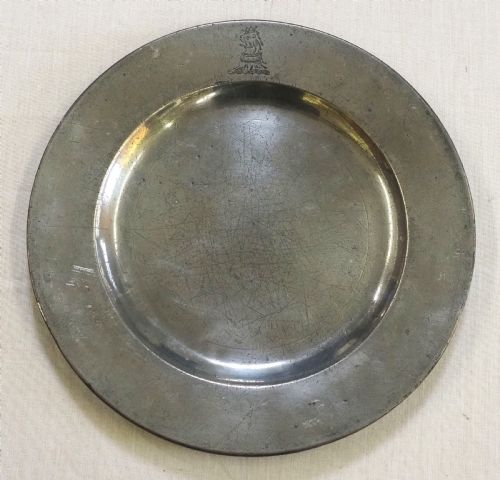
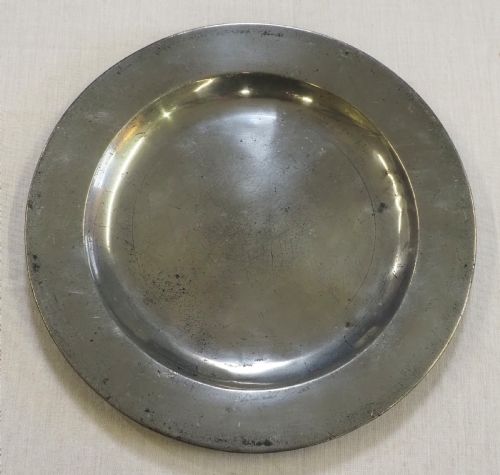
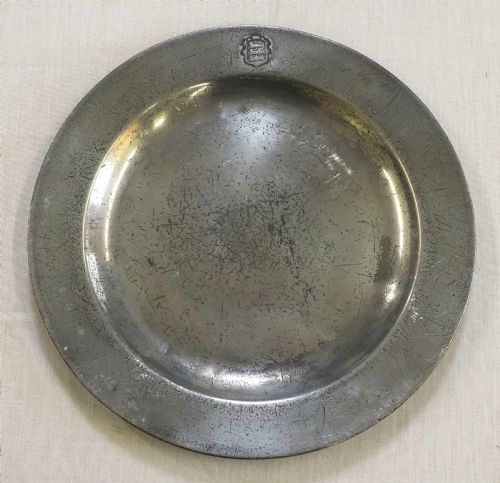
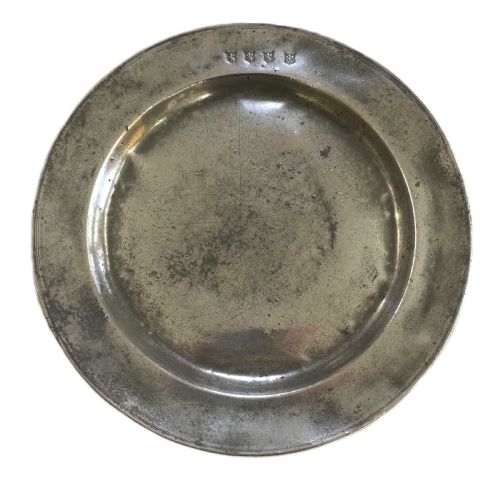
The pieces available span multiple centuries, originating predominantly in the seventeenth, eighteenth, and nineteenth centuries, alongside later Arts and Crafts interpretations. Buyers encounter forms ranging from plain rim plates to massive chargers bearing maker touchmarks or engraved armorial crests.
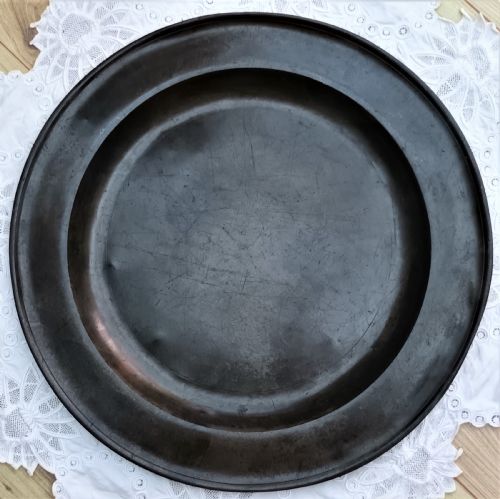
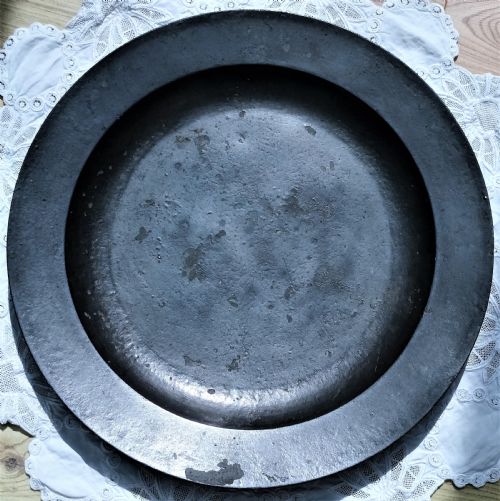
Makers fashioned these items in various sizes, with large chargers measuring over twenty inches sitting alongside compact plates and porringers of modest capacity. Regional variations also appear, including examples produced by provincial workers in locations such as Exeter, Bristol, and Worcester alongside London workshops.
Materials and Techniques
The primary material is an alloy traditionally composed of tin alloyed with lead, copper, or antimony to achieve the desired durability and sheen. Makers shaped these metal sheets through casting, hammering, and lathe-turning to create flat rims, reeded edges, and hollowware forms.
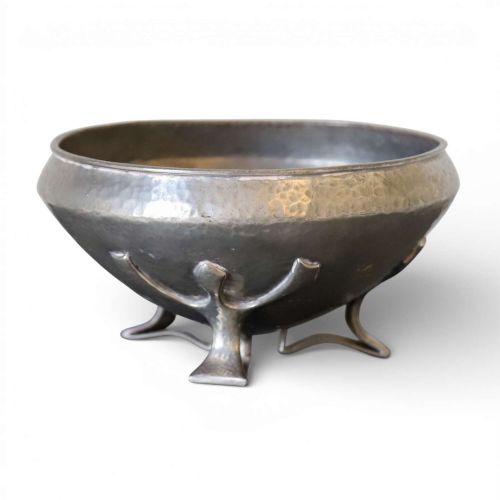
Surface finish depended heavily on the smith's hand, utilising hammering to strengthen the metal and impart texture across broad expanses. Engraving added personalization, recording family crests, municipal coats of arms, or ownership initials directly onto the metal surface.
Some seventeenth-century chargers still bear the scars of heavy tavern use, having doubled as impromptu targets for local darts.
Quality Variations
The distinction between standard domestic items and superior examples often rests on the weight of the metal and the crispness of the border mouldings, such as multiple reeded or incised rims. Heavier gauges of metal provided greater structural integrity, preventing warping over years of use.
Clear touchmarks stamped into the metal indicate the maker's workshop and adherence to guild standards, providing a baseline of accountability. Additional quality markers include crisp armorial engravings, crests, and the survival of original surface patination untouched by over-zealous cleaning.
John Duncomb·Samuel Smith·T & H Compton·James Spackman·Richard King·Wood & Michell·John Trapp II·John Tubb·Robert Moulins II·Humphrey Evans II·Thomas Templeman·Edward Leapidge I·Nehemiah Cloudesley·John Barlow·Yates Birch Spooner·John Whitaker·John Batcheler·Robert Garratt·John Shorey I·Carpenter And Hamberger·John Greenbank·Henry Richard Joseph·Oliver Baker·Archibold Knox
The English Pewter Dish Glossary
- Charger
- A large ornamental or serving dish, often measuring twenty inches or more across, designed to sit beneath smaller plates or serve as a centerpiece. These substantial pieces represent some of the most impressive surviving examples of early metalwork.
- Touchmark
- A personalized stamp applied by a pewterer to certify the quality and origin of their work, registered with the Worshipful Company of Pewterers in London. These marks serve as crucial evidence for dating and attributing individual makers.
- Porringer
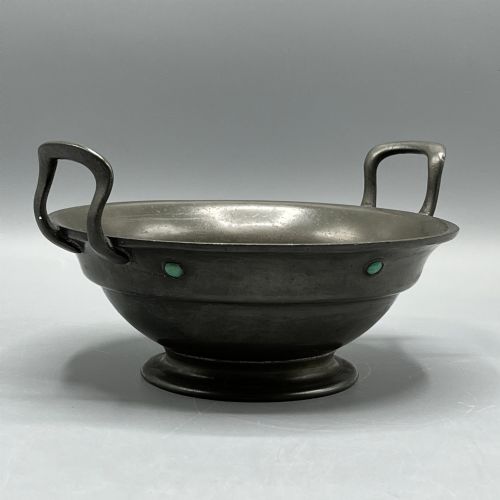
- A small, shallow bowl equipped with one or two flat ears or handles, utilised for consuming porridges, broths, or holding sugar. Capacity typically ranged in fluid ounces, marking them out as personal dining accessories.
- Reeded rim
- A decorative border featuring parallel raised concentric rings turned into the rim of a plate or dish. Variations include single, triple, or multiple reeding that structured the visual plane of the table.
- Tudric
- The trade name used by Liberty & Co during the early twentieth century for domestic wares executed in pewter, often designed by figures such as Oliver Baker and Archibald Knox in the Arts and Crafts style.
English Pewter Dish: Frequently Asked Questions
What is an english pewter dish made from?
These vessels consist primarily of tin combined with small proportions of other metals like copper or lead to increase rigidity. The exact alloy composition varied across different centuries to balance workability with daily durability.
Over time, this specific metal combination develops a deep, dark grey patina that collectors prize for its authentic historic character.
How do I identify the maker?
Makers stamped their personal touchmarks directly into the metal surface, usually near the rim or base of the plate. These small struck symbols often include initials, symbols, or town names corresponding to guild records.
Reference volumes by researchers like Cotterell help match these touchmarks to specific workshops and operating dates.
What is the difference between a plate and a charger?
Plates were produced in smaller diameters for individual dining use at the table. Chargers represent the much larger format dishes designed for communal service or grand display.
Broad rim chargers require significantly more metal and skill to cast and turn without distortion.
Can I use antique pewter for dining?
Historic formulations often contained significant amounts of lead, making them unsuitable for serving acidic foods or regular modern dining. Most collectors prefer to treat these items as decorative display pieces to preserve their historic surfaces.
Gentle dusting and minimal handling protect the soft metal and the accumulated patina of centuries.