

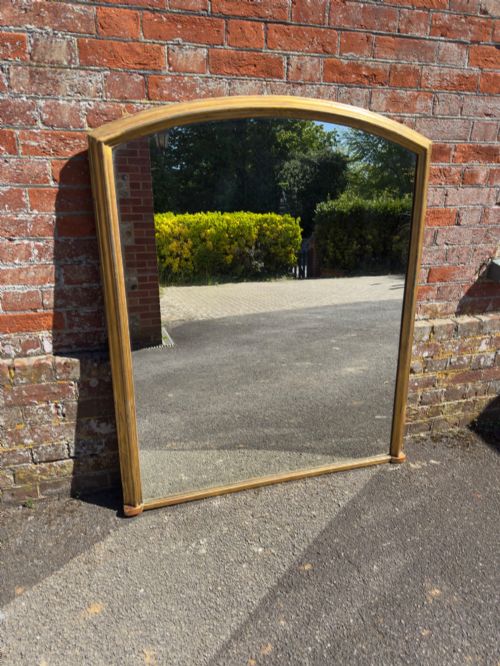


English Period Gilt Mirror
An English period gilt mirror brings warmth and reflective depth to a room, catching the light in a way modern glass simply cannot match.
English Period Gilt Mirror
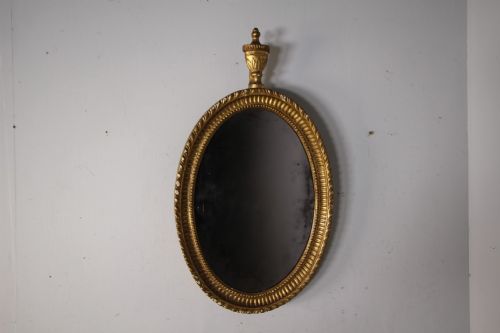
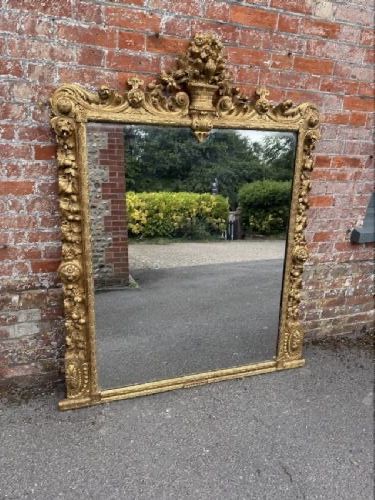
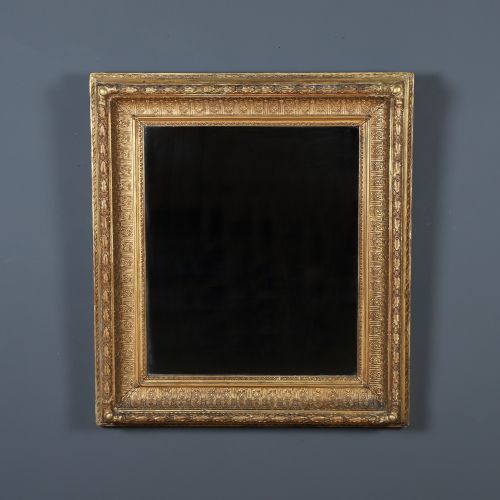
An English period gilt mirror encompasses wall mirrors, overmantels, and pier mirrors originating from the eighteenth and nineteenth centuries. These items trace through Georgian, Regency, and Victorian eras, reflecting the shifting tastes in interior decoration across centuries.
The most frequent examples encountered here belong to the Georgian and Regency periods, alongside substantial Victorian overmantels. Forms range from compact oval vanity pieces to large-scale wall fixtures designed to hang above mantelpieces or between windows.
Materials and construction
Carved wood frames, primarily pine, mahogany, or softwoods, form the structural foundation of these pieces. Artisans applied layers of gesso directly onto the timber to build up crisp relief detail before gilding.
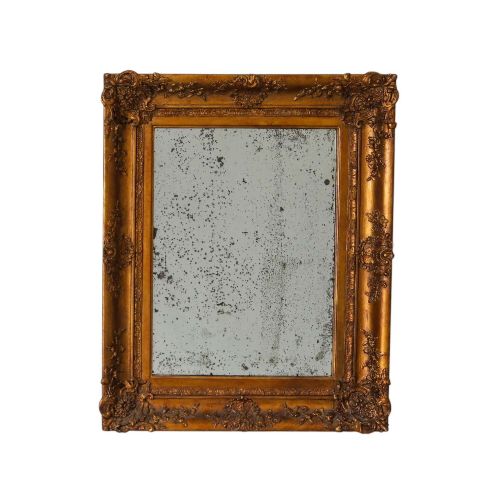
Gold leaf or oil gilt was laid over the prepared surfaces to achieve a brilliant metallic sheen. Early examples frequently retain mercury glass plates, which display characteristic foxing and soft, uneven reflection.
The listings here span the eighteenth and nineteenth centuries, featuring Georgian, Regency, and Victorian examples in giltwood, gesso, and mahogany.
Assessing quality and craftsmanship
The crispness and depth of the carved gesso and wood ornamentation dictate the upper tiers of quality. Finer examples show sharp, deliberate hand-carving rather than soft, moulded relief work.
Originality of the glass plate and the underlying gilding significantly influence the character of the piece. Retaining the original mercury glass and untouched gold leaf elevates the integrity of the object.
The English Period Gilt Mirror Glossary
- Giltwood
- Wood that has been coated with gold leaf. This finish gives the frame its characteristic metallic brilliance and warmth.
- Gesso
- A mixture of plaster of Paris and glue binder applied to wood. Artisans carved and moulded this substance to create ornate frame decorations.
- Mercury glass
- Double-walled glass blown with a silvering mixture containing mercury. It creates a dark, atmospheric reflection often marked by age spots.
- Overmantel mirror
- A large mirror specifically designed to hang above a fireplace mantel. These pieces frequently span considerable horizontal widths.
- Pier mirror
- A tall, narrow mirror made to hang on the wall space between windows. They often sat above small console tables in formal rooms.
English Period Gilt Mirror: Frequently Asked Questions
How do I date an English gilt mirror?
Dating relies on examining the construction methods of the wooden frame, the style of carving, and the composition of the glass plate. Georgian pieces often display different moulding profiles and joinery compared to later Victorian iterations.
Looking closely at the backboards, fixings, and the wear patterns on the gesso helps confirm the period of origin. Archival examples from the early eighteenth century exhibit distinct framing characteristics absent in nineteenth-century work.
Where should I hang an overmantel mirror?
An overmantel mirror traditionally anchors the wall directly above a fireplace, serving as the visual focal point of the reception room. Their substantial scale allows them to balance the heavy masonry of a traditional hearth.
Ensure the wall fixings are secured safely into structural studs or brickwork to support the considerable weight of the wooden frame and glass. Positioning the mirror opposite a window will maximise the reflection of natural light into the space.
What is foxed glass?
Foxing refers to the small dark spots, mottling, and discoloration that develop behind the glass over many decades. This occurs as the silvering or mercury backing slowly oxidises and ages.
Collectors often value foxed plates because they prove the glass is original to the period rather than a modern replacement. It provides a softer, more atmospheric reflection than pristine contemporary glass.