
Georgian Gold Leaf Mirror
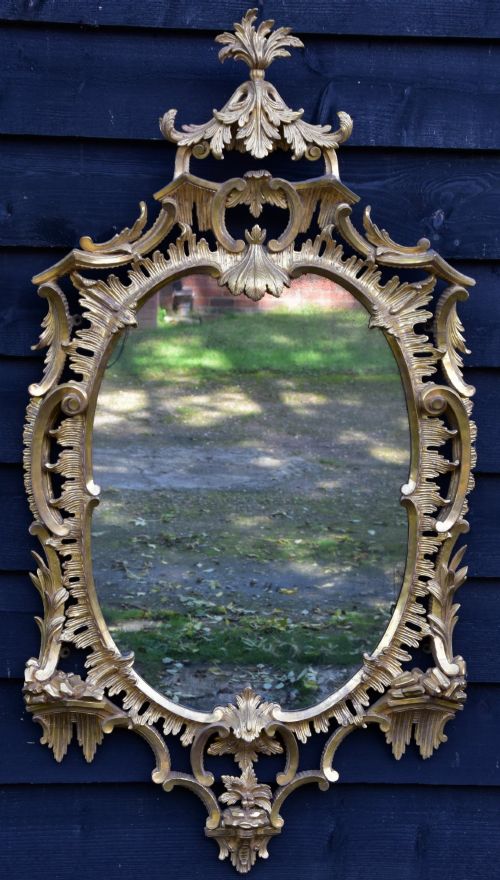
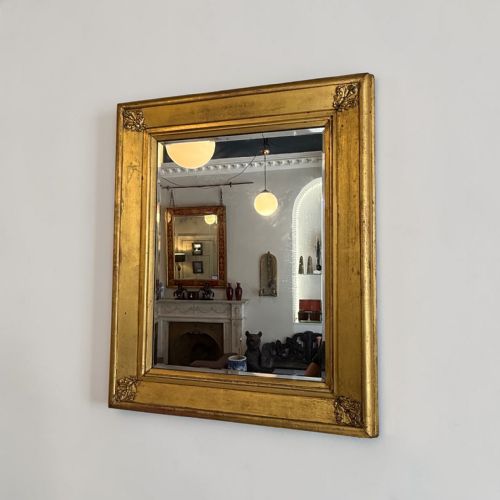
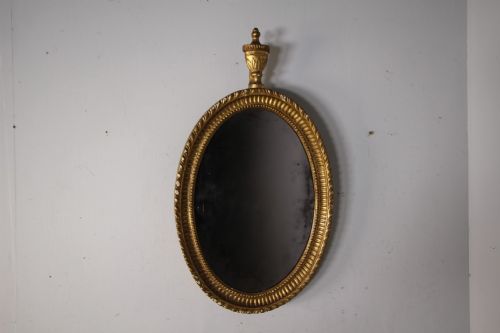
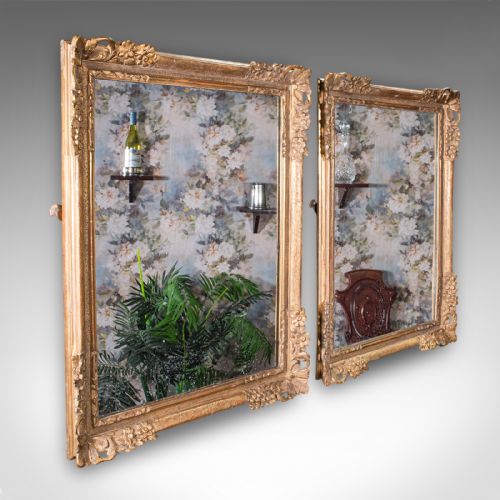
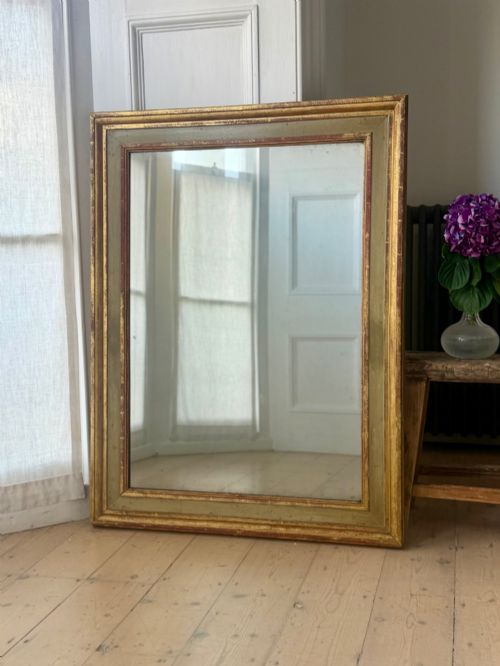
A georgian gold leaf mirror brings warmth and reflective depth to a room through gilded wooden frames shaped in eighteenth and nineteenth-century styles.
Georgian Gold Leaf Mirror
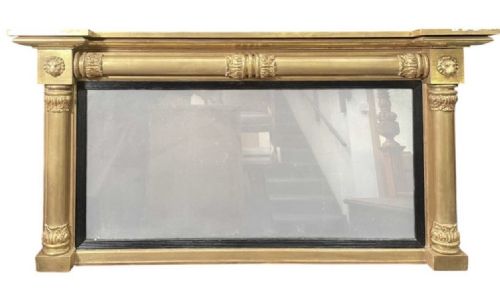
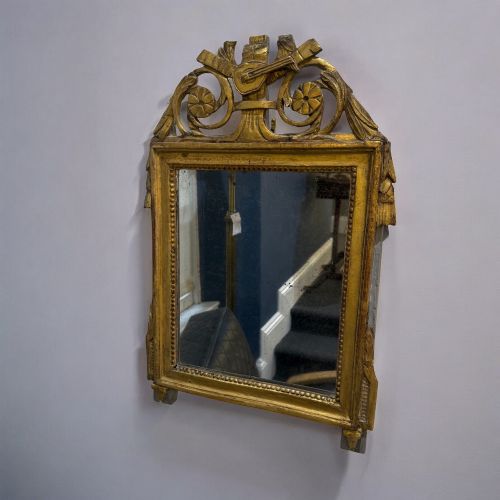
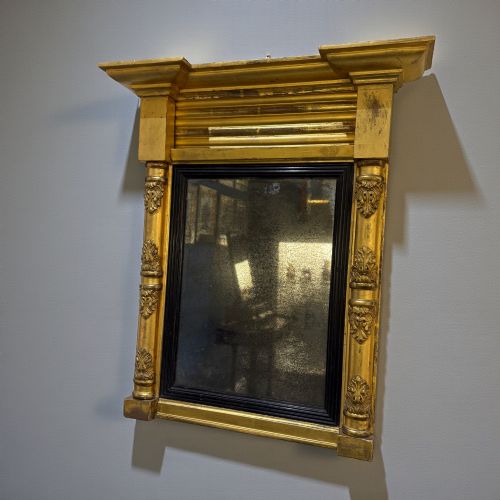
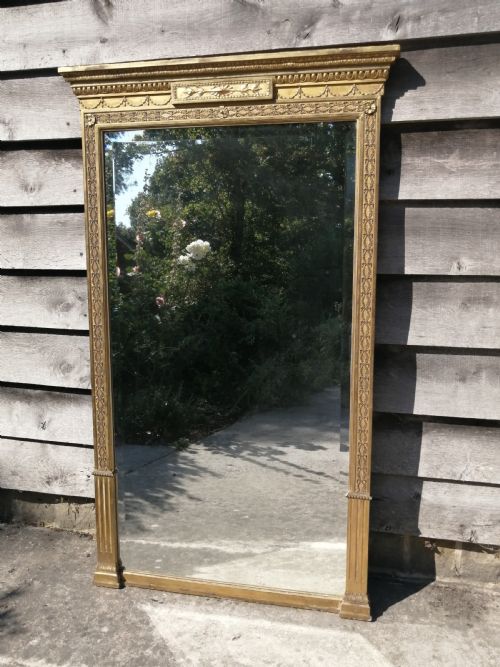
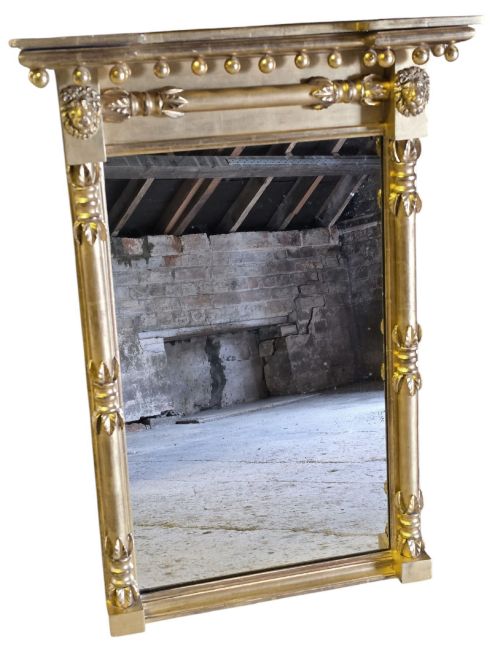
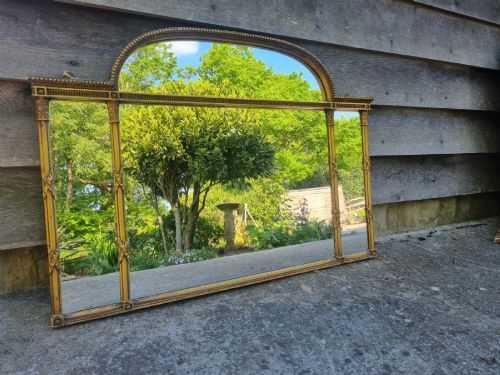
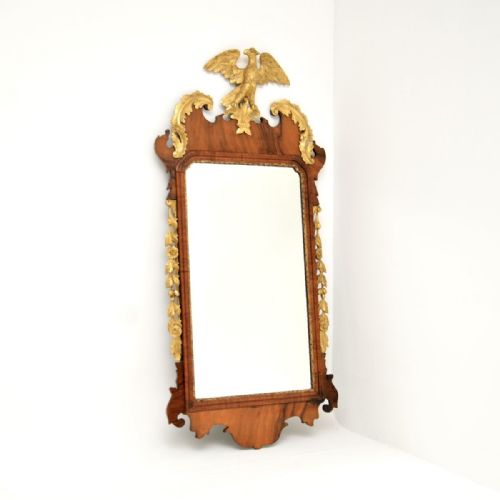
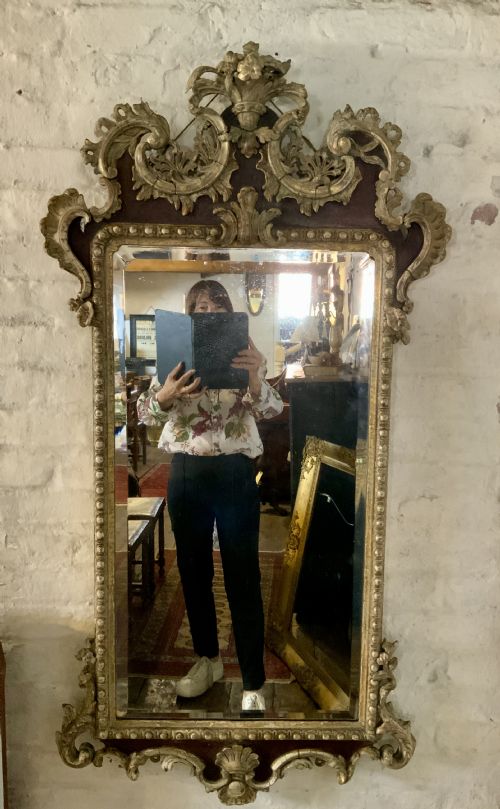
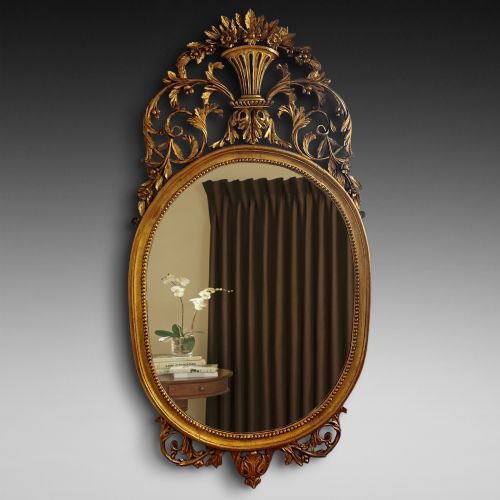
A georgian gold leaf mirror encompasses wall mirrors, overmantels, pier mirrors, and girandoles designed in Georgian, Regency, and Neoclassical styles. Pieces span the eighteenth and nineteenth centuries, taking rectangular, oval, round, and convex forms for placement above mantelpieces, dressing tables, and piers.
The version most commonly met on this page is the Regency giltwood pier or overmantel mirror, often bearing architectural details, convex plates, or verre églomisé panels. These examples reflect the classical taste of the early nineteenth century alongside earlier eighteenth-century prototypes.
Materials and Technique
Makers constructed these frames from timbers such as mahogany and walnut, applying gesso layers to carved wood surfaces to create crisp relief details before laying gold leaf by hand. Giltwood and composition ornaments defined the decorative vocabulary across Georgian and Regency workshops.
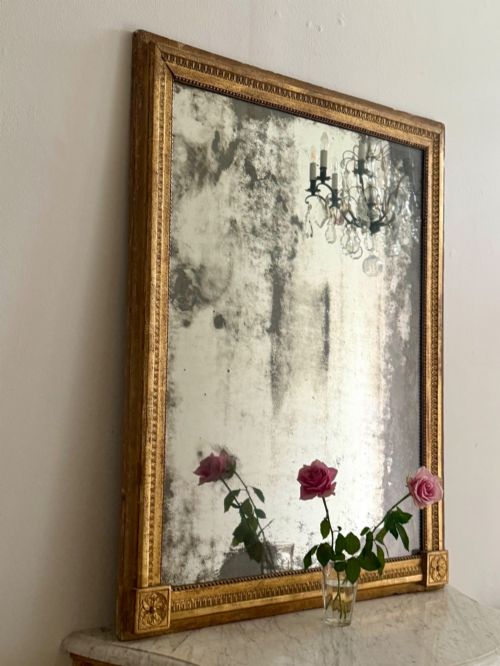
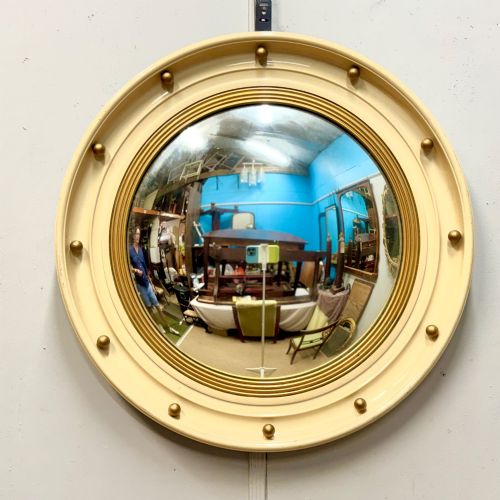
Mirrors utilised mirror glass or mercury glass plates, sometimes retaining foxing or original plates. Convex glass appeared in specialised circular wall mirrors designed to capture panoramic reflections of an interior.
Listings feature items spanning the eighteenth century through the nineteenth century, utilising giltwood, gesso, brass, and mercury glass.
Design and Execution
Quality rests in the crispness of the carved gesso and wood relief, where depth and proportion distinguish skilled workshops from simpler production. The handling of the gold leaf layer and the preservation of original mirror plates or mercury glass influence the character of each piece.
Proportion and scale dictate the visual impact of an overmantel or pier mirror within a room. Balanced frames with integrated architectural elements command greater presence than standard decorative adaptations.
John Belchier
The Georgian Gold Leaf Mirror Glossary
- Giltwood
- Wood carved and coated with gold leaf applied over a prepared gesso ground. This technique creates a luminous metallic surface characteristic of formal period frames.
- Gesso
- A plaster-like mixture applied to wooden frames and carved to create sharp decorative relief before gilding. It allows for intricate moulded ornamentation.
- Convex glass
- Curved mirror glass shaped outward to produce a wide-angle reflection of the surrounding space. These plates appear frequently in round Regency wall mirrors.
- Verre eglomise
- Reverse-painted glass panels incorporating gilt or silver leaf details. These panels often occupy the upper section of pier mirrors.
- Foxing
- Age-related spots and oxidation within the silvering of mirror glass. This natural degradation appears as dark speckles across older mercury plates.
Georgian Gold Leaf Mirror: Frequently Asked Questions
How do I hang a heavy overmantel mirror safely?
Secure heavy giltwood overmantels directly into wall studs using appropriate brackets and weight-rated fixings designed for large frames.
Consult a professional installer to distribute the substantial weight of timber and glass safely across the wall structure.
What is the difference between a pier mirror and an overmantel?
Pier mirrors are tall, narrow glasses designed to hang on the wall space between windows. Overmantels are wider horizontal mirrors proportioned specifically to sit above a fireplace mantel.
Both forms utilise gilded frames, but their dimensions respond to different architectural locations within a room.
Are convex mirrors original to the Regency period?
Convex wall mirrors gained widespread popularity during the Regency era and late eighteenth century. They were valued for their ability to illuminate corners and reflect entire rooms.
Round frames often incorporated eagle crests, candle arms, or ball-studded bezels typical of the period.
How should I clean antique gold leaf frames?
Dust surfaces gently with a soft dry brush to remove particles without disturbing delicate gesso or leaf layers. Avoid liquid cleaners and modern chemicals entirely.
Water and solvents can strip the historical gilding and damage the underlying wooden ground.