

English Painted Porcelain
When searching for english painted porcelain, a collector encounters centuries of hand-decorated ceramics spanning delicate Georgian tea wares to ornate Victorian cabinet plates.

English Painted Porcelain
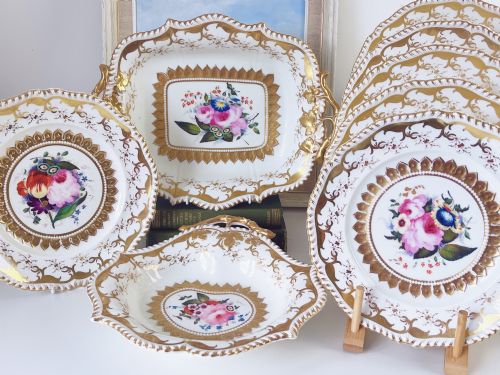
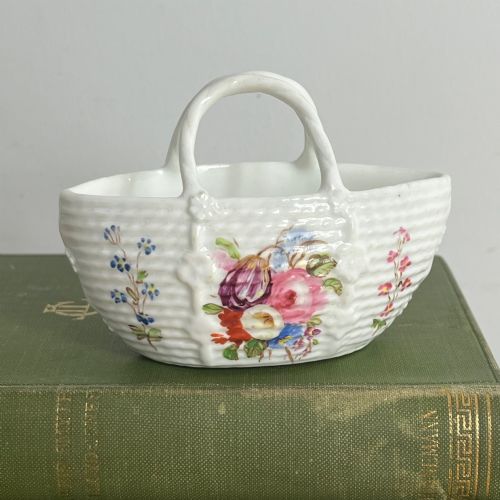
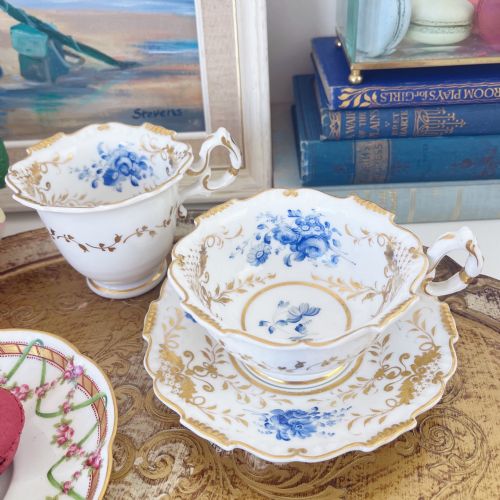
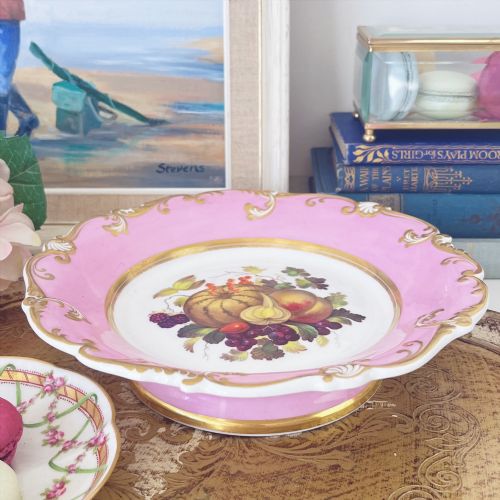
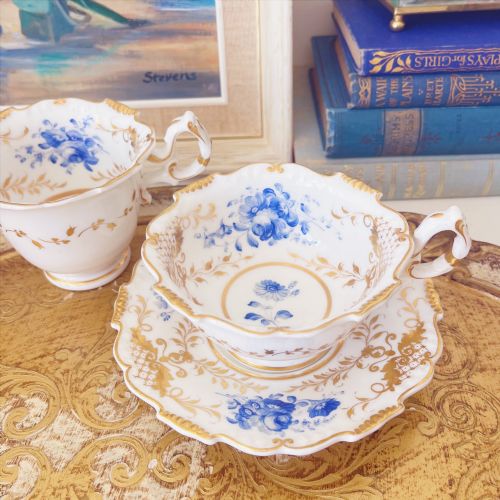
English painted porcelain encompasses a diverse range of domestic and decorative ceramics, from functional teacups and saucers to cabinet plates and comports. The selection draws heavily upon nineteenth-century Regency and Georgian production, alongside eighteenth-century factory output and occasional twentieth-century decorative pieces.
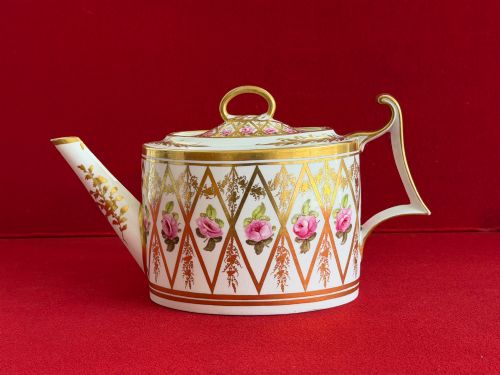
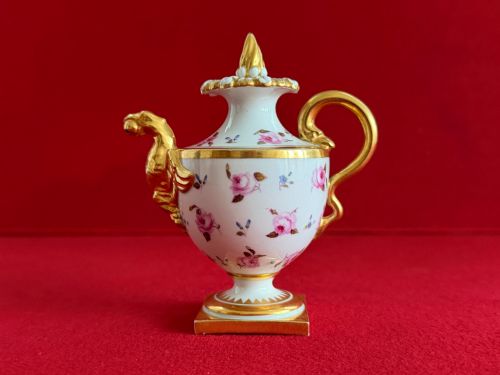
Buyers frequently encounter tableware items such as teapots, cream jugs, and dessert services, alongside specialised forms like rose water sprinklers, potpourri jars, and sweetmeat dishes. Makers ranged from major manufactories to smaller workshops across England, producing items intended for daily dining or formal display.
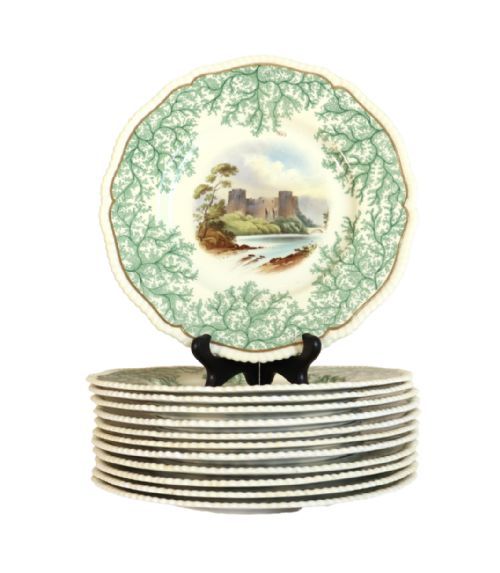
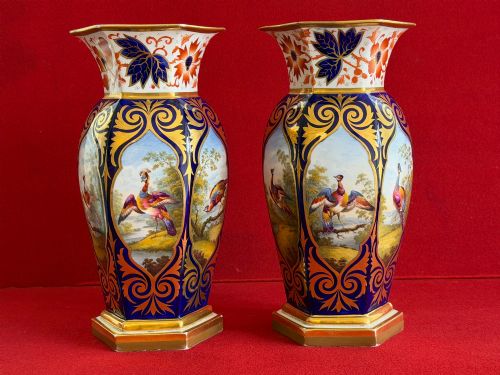
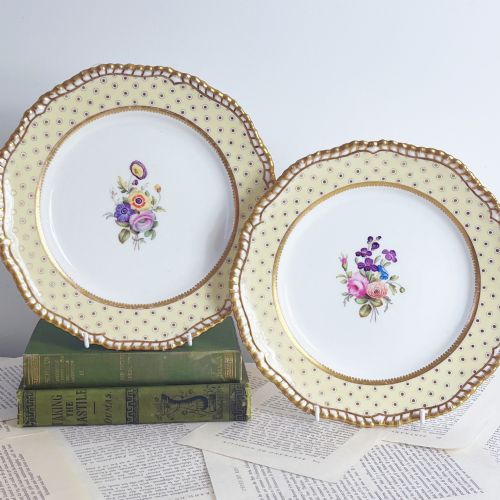
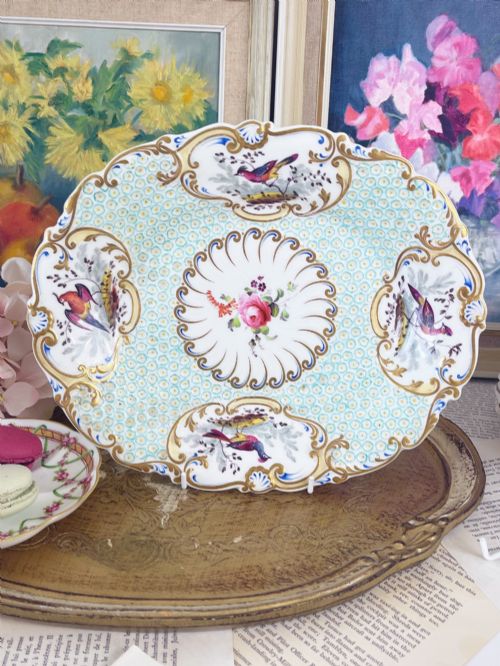
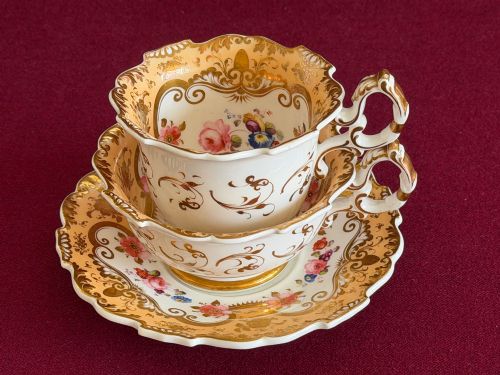
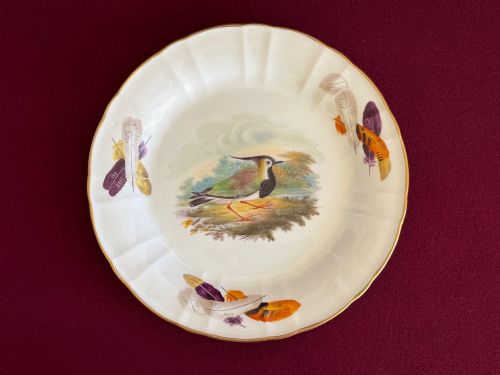
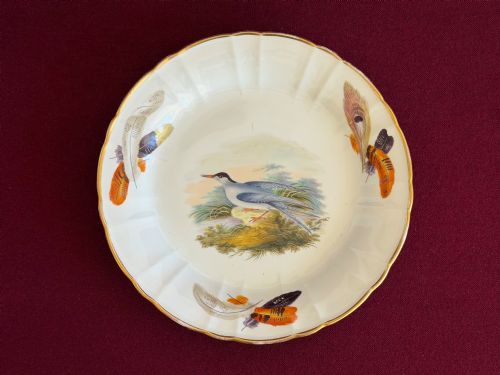
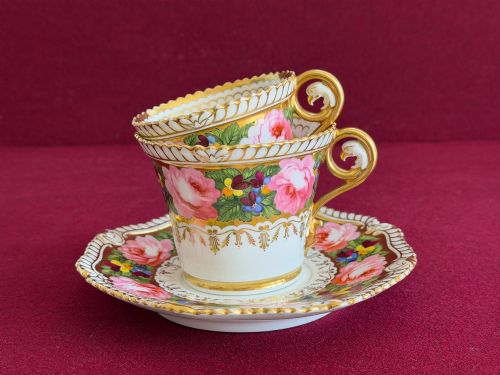
The decorative schemes on these ceramics often feature handpainted flowers, birds, botanical studies, and landscapes, frequently enhanced with gilding or gold leaf. Pieces emerge from historical periods including the 18th Century, Regency, and Victorian eras, reflecting shifts in taste from neoclassical simplicity to elaborate floral polychromy.
How they were made
Makers utilised porcelain bodies such as soft-paste porcelain, bone china, and felspar porcelain, shaping them on the wheel or casting them in moulds to create plates, cups, and hollowwares. Artisans then applied enamel colours by hand, painting botanical subjects, birds, and scenic views directly onto the glazed surface before firing.
Gilding played a crucial role in finishing these ceramics, with craftsmen applying gold leaf and burnished gilding to borders, handles, and rims to highlight the painted reserves. Many pieces required multiple firings in kilns to fix the underglaze patterns, overglaze enamels, and final gold accents securely.
A nineteenth-century moustache cup exists here to keep facial hair dry while sipping tea.
What varies in quality
The standard of painting determines much of the distinction between ordinary and exceptional pieces, with skilled artists producing finely detailed botanical studies, feathers on fancy birds, and nuanced facial expressions on figures. Lesser examples display repetitive, hastily applied floral motifs with minimal shading.
The crispness of the porcelain body and the precision of the moulding also set pieces apart, where early soft-paste bodies or finely potted felspar wares exhibit greater translucency and sharper relief details than heavier utilitarian ceramics. Richness and care in the application of gold leaf and burnished gilding further elevate the standing of a service or cabinet plate.
Grainger Lee & Co·Flight Barr & Barr·H & R Daniel·Royal Doulton·Spode·Chamberlain Worcester·Wedgwood·Derby·Liverpool·Bow·Coalport·Davenport·Chelsea·Newhall·Hadleys Royal Worcester
The English Painted Porcelain Glossary
- Bone china
- A type of porcelain incorporating bone ash into the paste, developed in England to create a strong, durable, and white ceramic body. This material allowed makers to produce thinner walls while maintaining structural stability.
- Soft-paste porcelain
- An artificial porcelain composition fired at lower temperatures than hard-paste, featuring a glassy body often found in eighteenth-century English wares. It typically exhibits a warm, creamy tone and a softer glaze surface.
- Comport
- A raised dish or bowl used for serving fruit or sweets as part of a formal dessert course on the dining table. These footed vessels often feature elaborate handpainted reserves and gilt borders.
- Cabinet plate
- A decorative plate intended for display in a cabinet or on a wall rather than for practical dining use. They frequently showcase complex handpainted scenes, botanical specimens, or ornithological studies.
- Trio
- A matching set comprising a teacup, a coffee cup, and a saucer, popular during the Georgian and Regency periods. They allowed drinkers to alternate between tea and coffee during social gatherings.
English Painted Porcelain: Frequently Asked Questions
How do I identify a Dr Wall Worcester piece?
Dr Wall period pieces, produced during the first period of Worcester porcelain manufacturing from the mid-to-late eighteenth century, are often recognised by their fine potting, characteristic blue underglaze marks, and meticulous handpainted oriental or botanical motifs. Collectors also look for the characteristic warmth of the early body and the careful application of hop trellis or blue and white designs.
These early items represent some of the finest technical achievements in English ceramic history. Examining the base for crescent marks, square seal marks, or disguised numeral marks helps confirm the period of origin.
What is the difference between bone china and soft-paste?
Bone china includes bone ash within the ceramic recipe, producing a robust and bright white body that became standard in nineteenth-century English production. Soft-paste porcelain relies on a mixture of white clays and glassy frit, creating a softer texture and a slightly warmer tone typical of eighteenth-century factories.
Understanding this distinction aids in dating items correctly and appreciating the technical evolution of English kilns. Each body reacts differently to light and glaze application, offering distinct visual clues to the trained eye.
Can I use antique porcelain for daily dining?
While these ceramics were originally created for functional use, antique painted porcelain from the eighteenth and nineteenth centuries is generally reserved for display or careful occasional use today. Enamel paints and delicate gilding can wear down with frequent washing and modern detergents.
Hand-washing in lukewarm water with mild soap preserves the fragile overglaze decorations and gold leaf. Treating these items as cabinet pieces ensures their historical surfaces remain undamaged for future generations.
How can I tell H & R Daniel porcelain apart?
H & R Daniel wares are typically identified by their vibrant colour grounds, such as pink, cobalt blue, or apple green, paired with meticulously handpainted flowers and fruits. The factory was renowned for inventing distinctive ornate shapes like the Shrewsbury shape and the Mayflower oval plate.
Many pieces also feature pattern numbers painted neatly in red or gold on the base, allowing researchers to trace specific designs. The high quality of the gilding and the sophisticated handling of botanical subjects mark out their production.
What does a dessert service include?
A traditional nineteenth-century dessert service generally comprises a central comport or tazza accompanied by a series of matching cabinet plates or smaller dishes. These services were designed to present fruit, sweetmeats, and confections at the conclusion of a formal dinner party.
Complete sets featuring handpainted botanical or landscape scenes are particularly sought after by collectors for display. The uniformity of the pattern across multiple plates demonstrates the skill of the factory's decorators.