
English Painted Cabinet
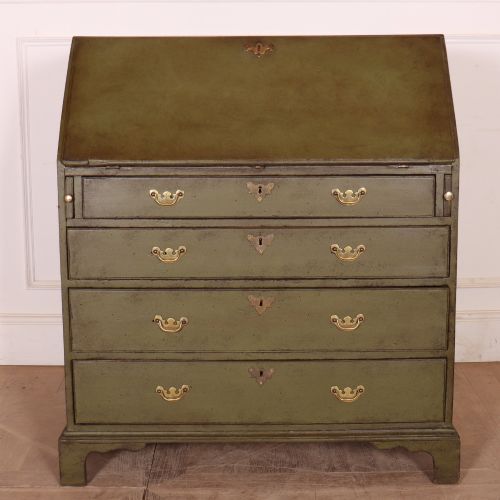
An English painted cabinet brings hand-painted artistry and practical storage together, offering a striking focal point for any collector.
English Painted Cabinet
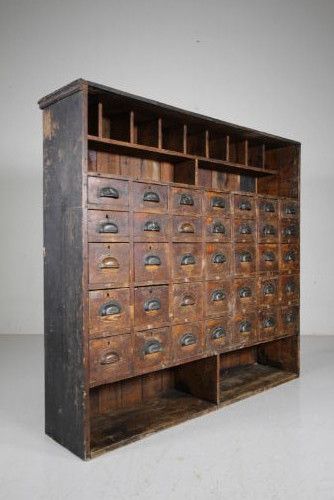
When you search for an english painted cabinet, you encounter a diverse range of furniture forms spanning the eighteenth, nineteenth, and twentieth centuries. These pieces encompass large kitchen dressers, breakfront side cabinets, upright display units, and compact bedside cupboards.
The selection ranges from Georgian pine and mahogany storage furniture to Victorian papier-mâché jewellery boxes and freestanding glazed bookcases. Many pieces feature traditional painted finishes, displaying chinoiserie scenes, floral motifs, or simple country aesthetics.
The most frequently encountered examples combine functional timber construction with decorative hand-painted details, originating from various English regional workshops and established periods.
How They Were Made
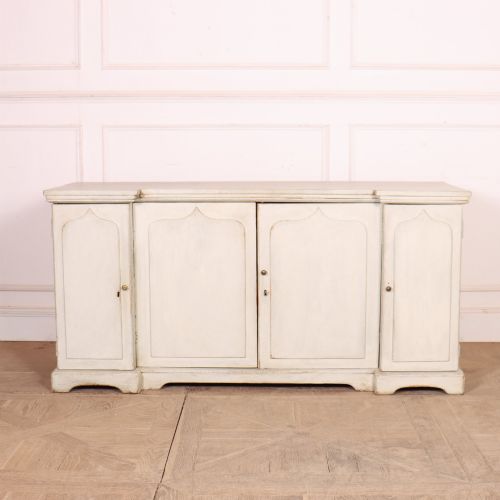
Craftsmen built these cabinets using sturdy timbers such as pine, oak, and mahogany, often shaping them into breakfront dressers, sideboards, or upright display units. Structural integrity relied on traditional joinery techniques suited to the period of manufacture.
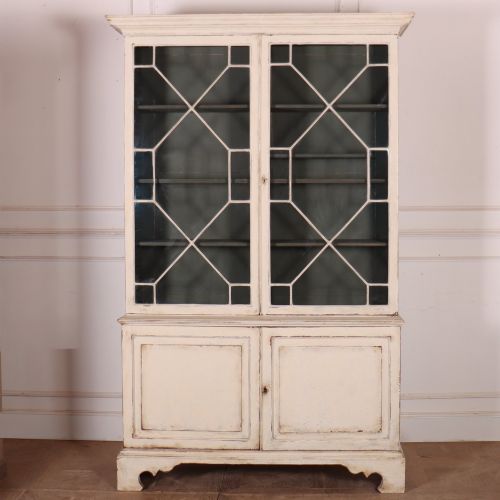
Surface decoration involved meticulous hand-painting directly onto prepared wooden panels or pine carcases, sometimes incorporating gilt highlights, brass fittings, and glass door panels to enhance the visual display.
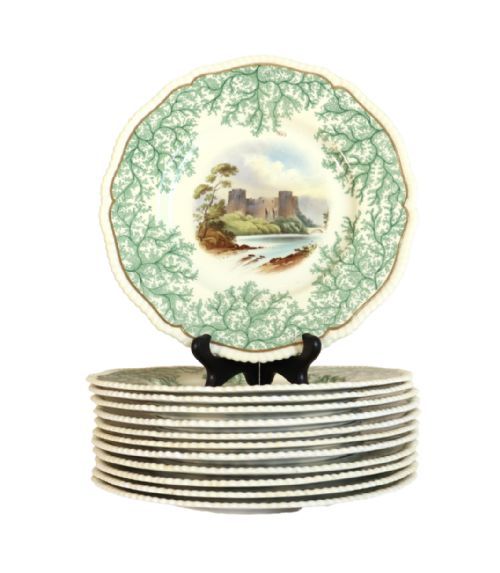
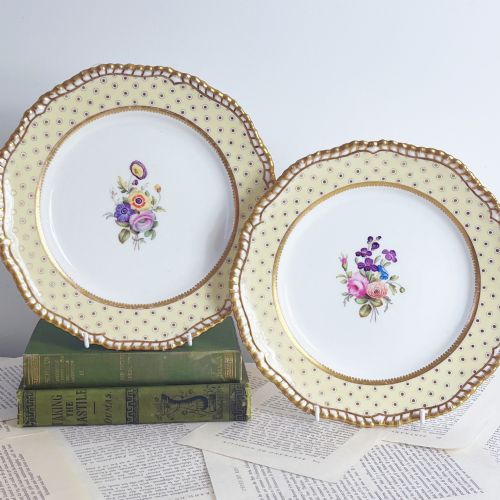
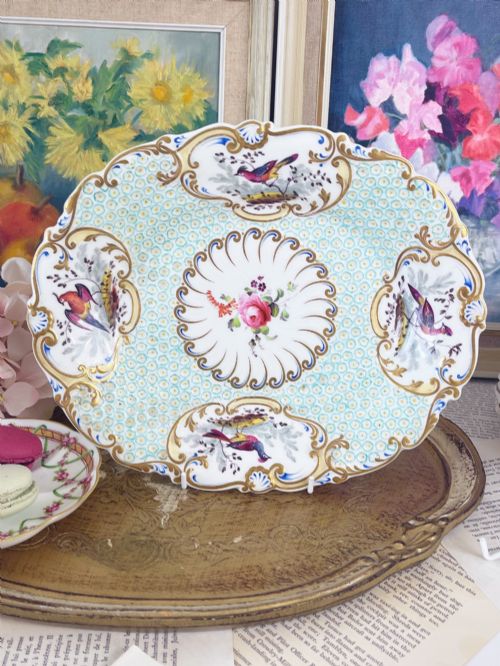
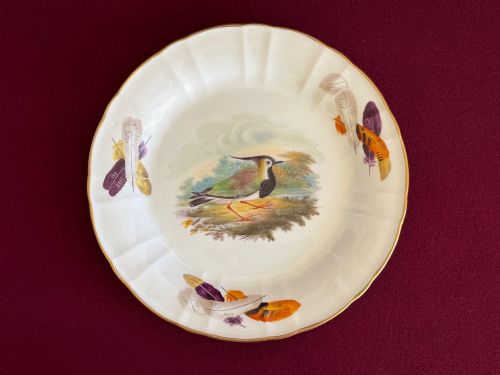
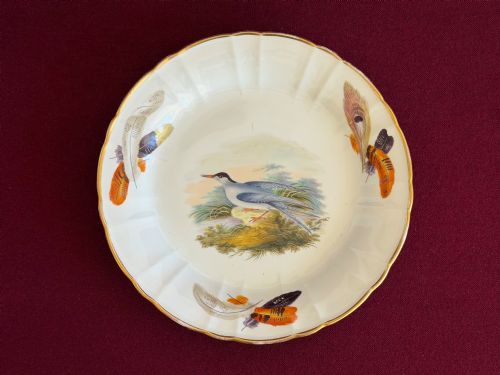
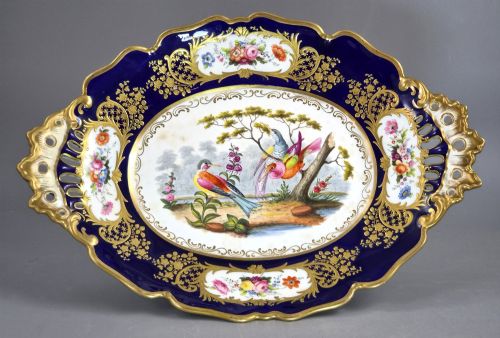
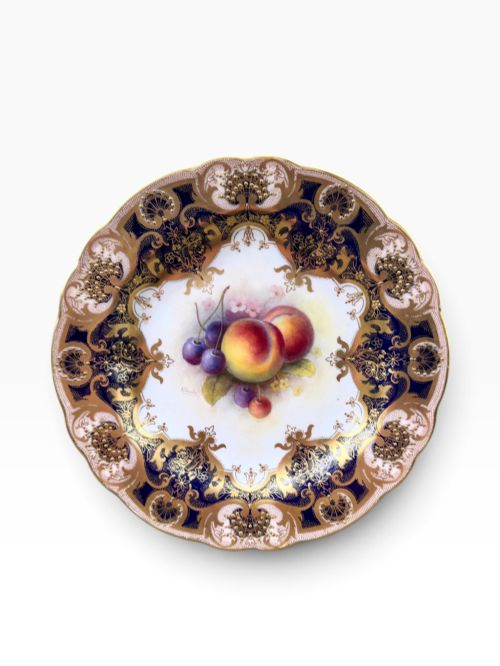
Object forms documented on this page include bookcases, dressers, chests of drawers, and decorative plates.
What Varies in Quality
The sophistication of the hand-painted artistry dictates much of the distinction between standard items and exceptional examples. Finer pieces display refined brushwork, detailed botanical or landscape subjects, and carefully preserved original surfaces.
Construction methods and timber selection also determine overall standing. Cabinets featuring robust hardwood carcases, intact original glass, and authentic period brassware represent superior craftsmanship compared to simpler utility items.
Spode·H & R Daniel·Wedgwood·Coalport·Royal Worcester·Royal Crown Derby·Royal Doulton·John Davenport·Copeland
The English Painted Cabinet Glossary
- Chinoiserie
- European artistic interpretation of Chinese and East Asian motifs, frequently applied to eighteenth-century painted furniture. This style often depicts imagined landscapes, figures, and pavilions.
- Breakfront
- A piece of furniture where the central section projects forward from the flanking outer sections. This architectural arrangement adds depth and visual interest to large cabinets and dressers.
- Gilt
- A thin layer of gold leaf or gold paint applied to surfaces to provide decorative highlights. It accentuates carved details and painted borders on finer period items.
- Dresser
- A traditional multi-tier kitchen or dining room furniture form used for storing and displaying tableware. These pieces often combine lower cupboards or drawers with upper shelving.
- Papier-mâché
- A composite material made from paper pulp or layers of paper bound with glue, pressed, and dried. Victorian artisans used it to create durable, highly decorated small cabinets and boxes.
English Painted Cabinet: Frequently Asked Questions
What is an english painted cabinet?
An english painted cabinet is a piece of wooden furniture decorated with hand-painted motifs, spanning utilitarian pine cupboards to formal Georgian and Victorian display pieces.
These items combine practical storage with decorative artistry, reflecting the distinct aesthetic preferences of their respective historical periods.
How were these cabinets used?
Historically, these cabinets served various domestic functions, from storing kitchen crockery in West Country dressers to displaying prized porcelain in formal reception rooms.
Smaller variations functioned as bedside cupboards or specialised jewellery storage units in nineteenth-century bedrooms.
How do I live with one?
Integrating an antique painted cabinet into a modern interior requires mindful placement away from direct sunlight to protect the fragile painted surfaces and original finishes.
Maintaining stable indoor humidity levels helps preserve the timber carcase and prevents any structural movement in older pine or mahogany.
How do I identify the period?
Dating a piece involves examining the underlying timber construction, joinery techniques, and the stylistic characteristics of the painted decoration. Georgian examples often feature classical proportions, whereas Victorian pieces frequently display eclectic revival styles.
Comparing the hardware, such as brass pulls and hinges, alongside the palette of the painted artwork provides further chronological clues.