
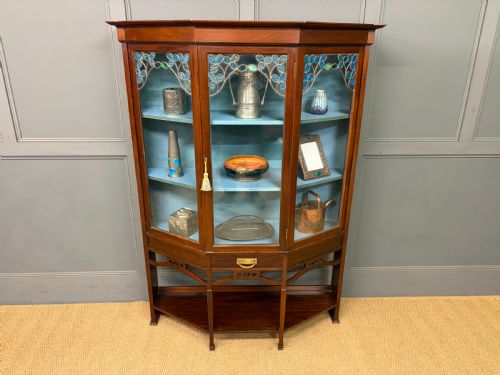


Blue Glazed Bookcase
A blue glazed bookcase brings character and practical storage to a room through painted timber and glass doors.
Blue Glazed Bookcase
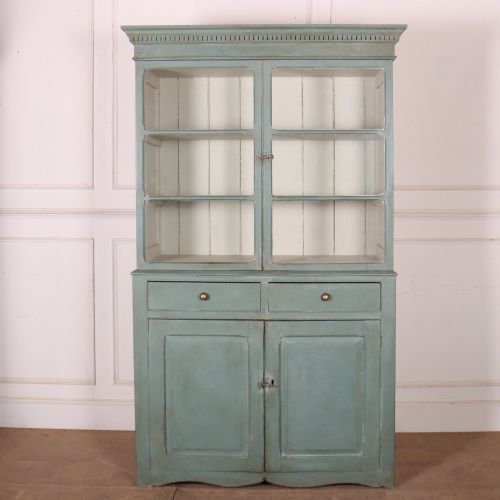
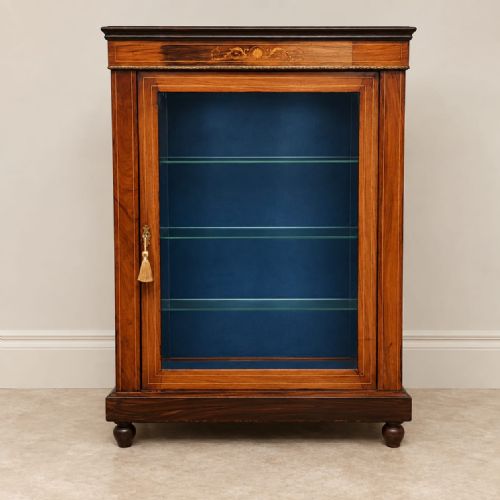
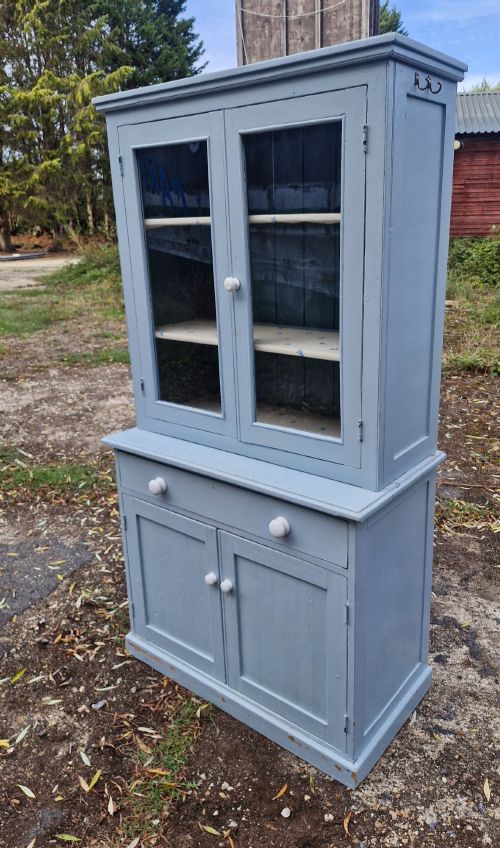
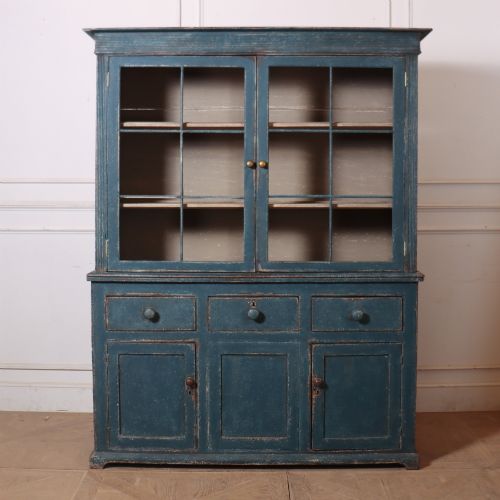
A blue glazed bookcase combines open or protected display space with painted wooden construction, typically seen in forms such as kitchen dressers, library bookcases, and pier cabinets. These items originate across various regional traditions including English, Scottish, Irish, and West Country styles, reflecting vernacular domestic furniture.
The examples found here range from the mid-nineteenth century through to the early twentieth century, spanning Victorian, Arts and Crafts, and Louis XVI Revival movements. Buyers encounter painted pine, mahogany, and rosewood carcasses paired with glass panelling for viewing collections of books or ceramics.
Regional vernacular pieces share space with more formal display furniture like pier cabinets and breakfront bookcases. Painted wood finishes dominate the selection, often applied to pine or hardwood frames to highlight architectural mouldings and glazed upper compartments.
Materials and construction
Makers constructed these pieces primarily using solid timbers like pine, mahogany, and rosewood, frequently incorporating boxwood and brass details for decorative contrast. Painted wood surfaces provide the characteristic blue finish, applied over pine or hardwood frames in both country workshops and urban cabinet-making establishments.
Glazing techniques utilise clear glass fitted into wooden doors, sometimes supported by stained glass elements within Arts and Crafts designs. Joinery methods combine traditional framing with two-part carcass construction on larger dressers and breakfront bookcases to ease transport and placement.
Listings feature items spanning the nineteenth and early twentieth centuries, constructed from pine, mahogany, and rosewood with glass and brass elements.
Judging quality and craftsmanship
Quality reveals itself in the handling of timber preparation and the application of paint finishes over surfaces like pine and mahogany. Superior examples display thoughtful proportions, balanced architectural details, and cleanly fitted glass panes that endure through decades of domestic use.
Refinement in hardware, such as brass fittings and boxwood stringing, separates standard vernacular furniture from pieces finished in the Arts and Crafts or Louis XVI Revival manners. The integration of two-part construction and stable joinery dictates the structural integrity across larger bookcases and dressers.
The Blue Glazed Bookcase Glossary
- Breakfront
- A cabinet design where the central section projects forward from the flanking outer sections. This architectural arrangement creates depth and shadow across large bookcases.
- Pier cabinet
- A low display cabinet designed to fit narrow wall spaces between windows or doors. These pieces frequently feature glazed doors for housing small collections.
- Two-part
- Furniture constructed in separate upper and lower sections for ease of movement. This method is common in large kitchen cupboards and tall library bookcases.
- Stained glass
- Coloured glass pieces joined by lead cording to form decorative patterns. This technique appears in select Arts and Crafts display cabinets.
- Stringing
- Inlaid lines of contrasting timber used to outline panels and drawers. Boxwood is frequently utilised for this decorative edging on finer cabinets.
Blue Glazed Bookcase: Frequently Asked Questions
What is a blue glazed bookcase?
A blue glazed bookcase is a storage unit featuring glass-fronted doors and a painted blue wooden finish. These items range from vernacular kitchen dressers to formal library furniture.
They serve to display and protect books or decorative objects while adding colour to domestic interiors through traditional paint treatments on pine or hardwood.
How are these bookcases constructed?
Cabinet makers built these pieces using solid woods such as pine, mahogany, and rosewood. Frames often incorporate traditional joinery with glass fitted into doors.
Surfaces receive painted finishes in blue tones, sometimes complemented by brass hardware, boxwood details, or stained glass elements depending on the period and style.
Which periods do these pieces date from?
The available selection spans the nineteenth and early twentieth centuries, featuring examples from around eighteen-fifty through to nineteen-ten.
Represented eras include the Victorian period, the Arts and Crafts movement, and Louis XVI Revival pieces alongside regional country furniture.
Where were these cabinets made?
Originating from various British and Irish regions, these pieces include distinct West Country, Scottish, and Irish provincial styles alongside English country workshops.
This geographical spread results in diverse forms, from rustic farmhouse cupboards to more refined library bookcases and display cabinets.
How do I style a painted bookcase?
Living with a painted glazed bookcase involves balancing the visible contents behind the glass with the surrounding room decor. The blue painted exterior works well as a focal point.
Use the shelving to display books, ceramics, or collections, allowing the timber construction and glass panels to introduce texture and light into the space.