
English Oak Furniture
Explore english oak furniture to find centuries of sturdy tables, chests, and chairs built from durable native timber.
English Oak Furniture
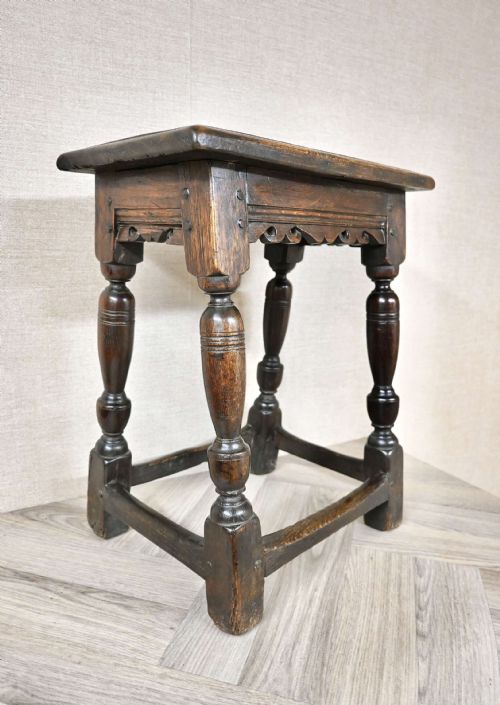
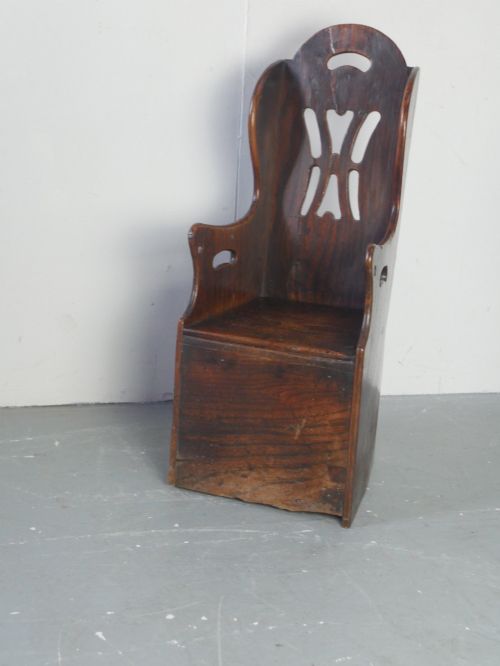
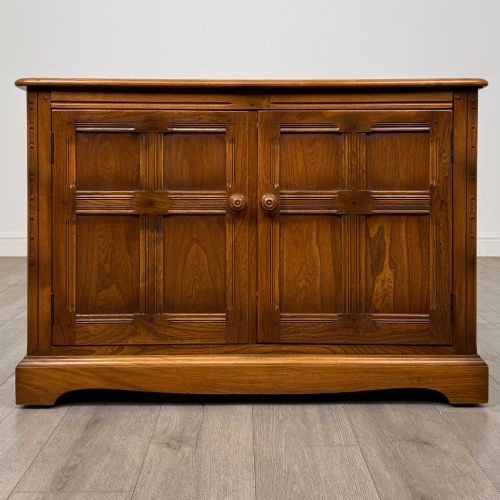
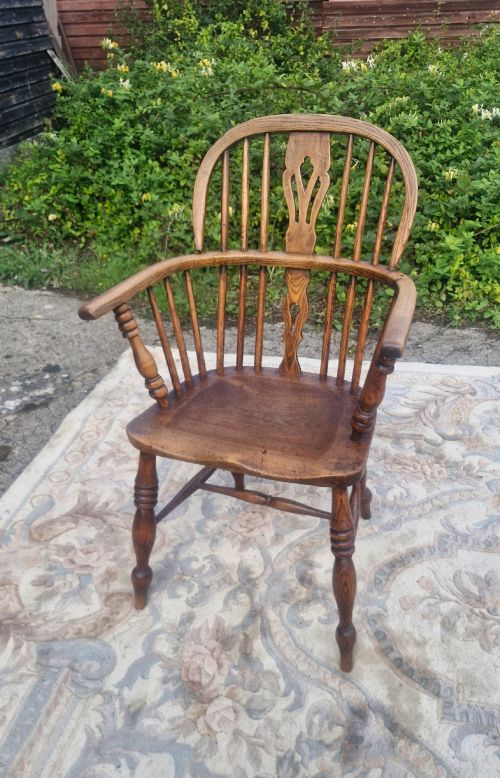
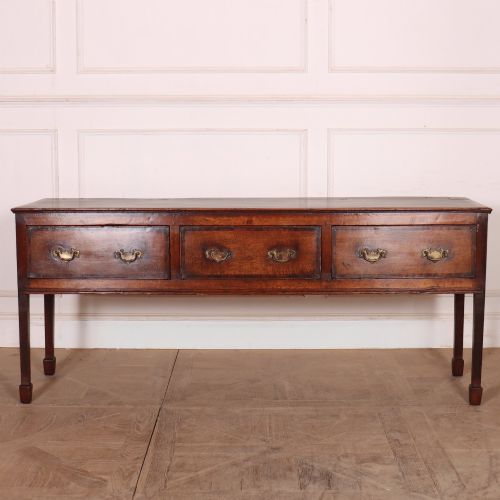
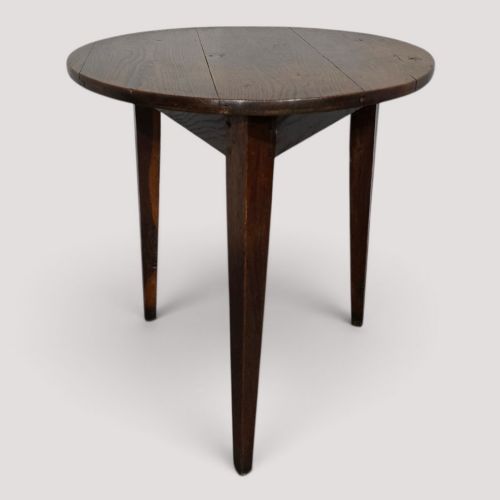
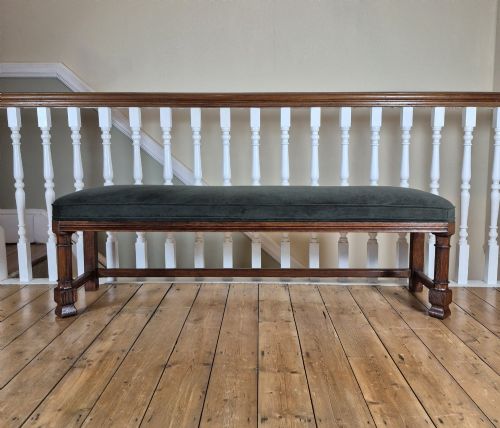
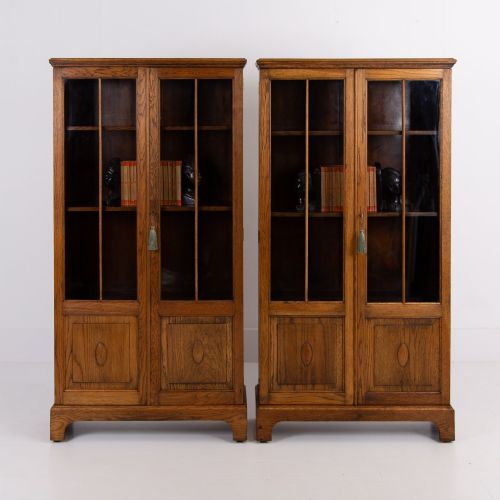
English oak furniture covers a vast functional range spanning centuries of domestic life, from simple joint stools and gateleg dining tables to elaborate dressers, chests of drawers, and writing bureaus. Buyers searching this phrase look for honest, utilitarian timber construction that has survived generations of daily use in homes and taverns.
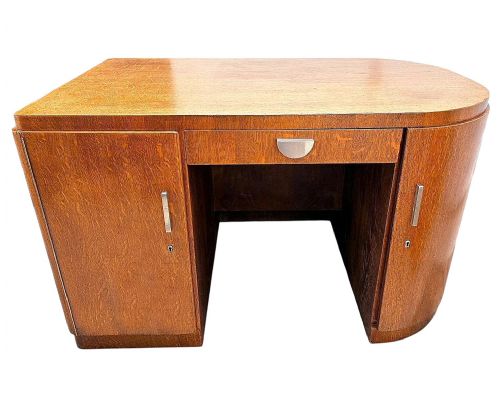
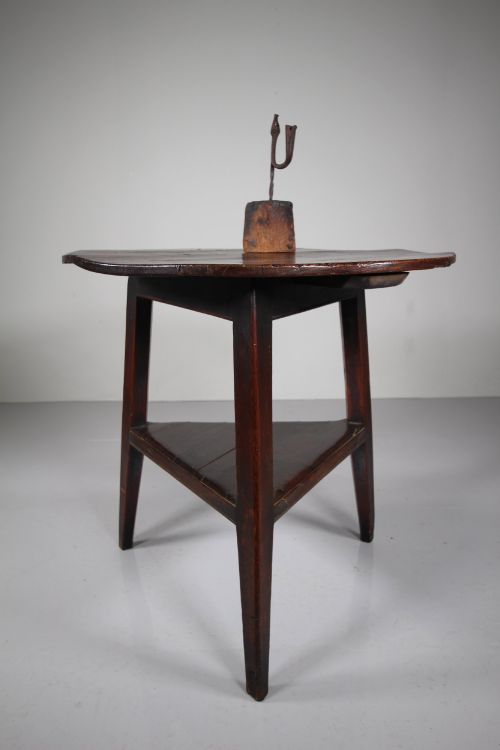
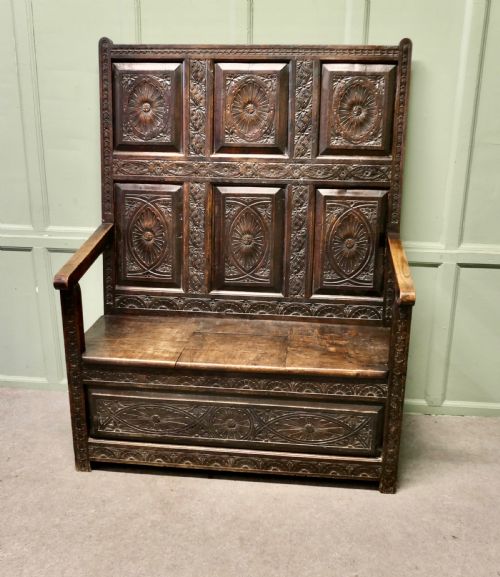
The pieces available on this page lean heavily toward seventeenth-century joined items like coffers and wainscot chairs, alongside eighteenth-century provincial tables and lowboys. Later nineteenth-century country pieces and twentieth-century interpretations also appear, giving collectors access to both early vernacular forms and cleaner modernist designs executed in the same enduring wood.
How They Were Made
Makers relied on solid oak cut along the medullary rays to produce quarter-sawn boards that revealed distinctive silver grain figuring while resisting warp. Joinery was paramount, utilising tight mortise and tenon joints secured with wooden pegs rather than metal nails.
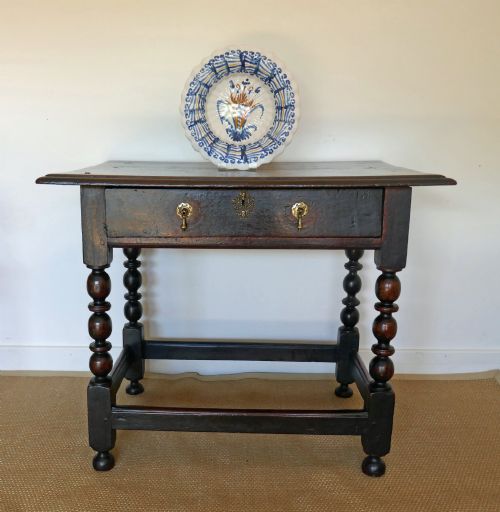
Secondary timbers such as fruitwood, elm, and sycamore occasionally supplemented the primary oak in structural framing, drawer linings, or turned elements like bobbin legs. Hardware was minimal and functional, ranging from wrought iron hinges and strongbox straps to brass drop handles on later drawer fronts.
Certain seventeenth-century coffers bear initials carved directly into the timber by owners long before modern cataloguing existed.
What Varies In Quality
Quality rests primarily in the integrity of the original construction and the proportion of the piece, where uncompromised timber thickness and untouched surface patination separate superior examples from heavily restored ones. Early joined work derives distinction from crispness in hand-carved panels and the absence of intrusive modern timber replacements.
In later tables and case furniture, balance of form and subtlety of turning dictate value. Pieces displaying honest wear matched with deep, rich colour and unbleached surfaces command greater appreciation among serious collectors of vernacular and period items.
GIllows·Stanley Webb Davies·Bell Barn Furniture
The English Oak Furniture Glossary
- Joint Stool
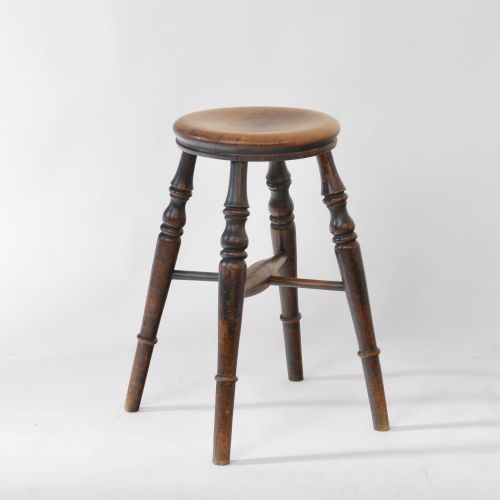
- A sturdy wooden seat constructed with mortise and tenon joints before the widespread adoption of chairs. These items served multiple domestic purposes around the seventeenth-century household.
- Wainscot Armchair
- A heavy, solid wooden armchair featuring panelled construction and turned supports. They represent high-status seating from the seventeenth century.
- Gateleg Table
- A table with hinged drop leaves supported by swing legs that pivot outward. This clever mechanism allowed large dining surfaces to fold compactly against a wall.
- Lowboy
- A small kneehole dressing table or side table featuring a low drawer arrangement, popular during the eighteenth century. They frequently sat on slender cabriole or straight legs.
- Coffer
- A large rectangular chest used for storing valuables, linens, or documents. Early versions featured heavy panelled lids and sturdy joined frames.
English Oak Furniture: Frequently Asked Questions
How do I spot a genuine seventeenth-century joint stool?
Look for pegged mortise and tenon joinery, hand- split oak components showing natural medullary ray figuring, and signs of genuine wear around the base of the legs where feet rested on flagstone floors.
Examine the underside and interior surfaces for tool marks left by pit saws and adzes. Modern reproductions often lack the subtle asymmetry and deep, oxidized patination accumulated over centuries.
How should I care for antique oak furniture at home?
Maintain stable indoor humidity and keep solid oak pieces away from direct heat sources and harsh sunlight to prevent the timber from splitting or warping over time. Dust gently with a dry cloth.
Avoid modern silicone polishes that build up a sticky residue; instead, apply traditional beeswax sparingly to nourish the wood and preserve the natural surface sheen.
Why do gateleg tables feature turned legs?
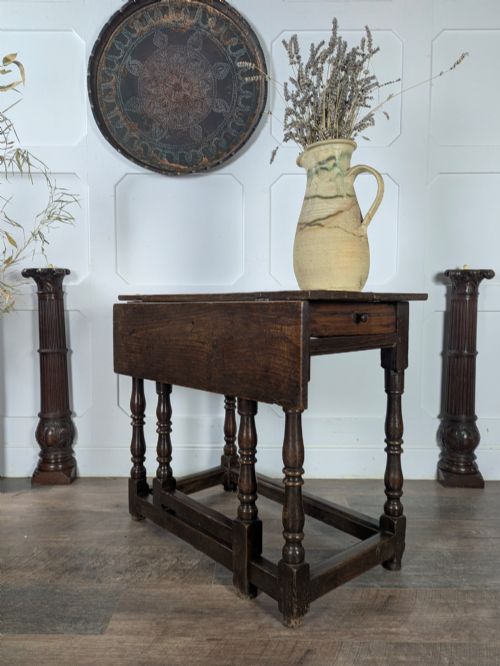
Turned legs on gateleg tables provided decorative flair while maintaining the structural rigidity required to support heavy oak drop leaves during meals. Lathe work added elegance to functional framework.
Styles of turning evolved from early bobbin and spiral forms in the seventeenth century toward cleaner columnar and tapered profiles in later provincial iterations.