
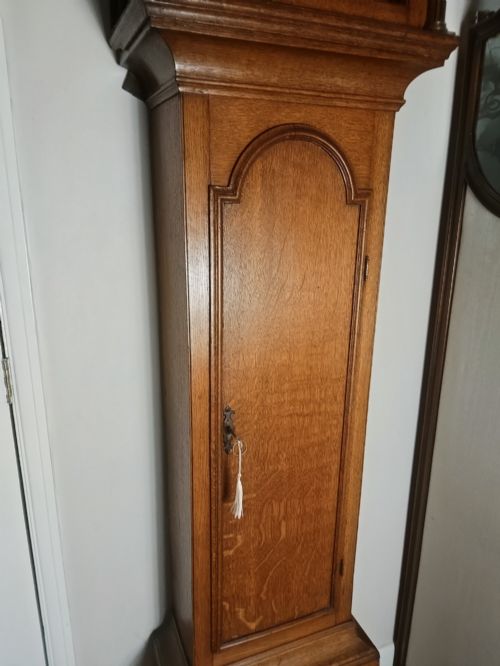
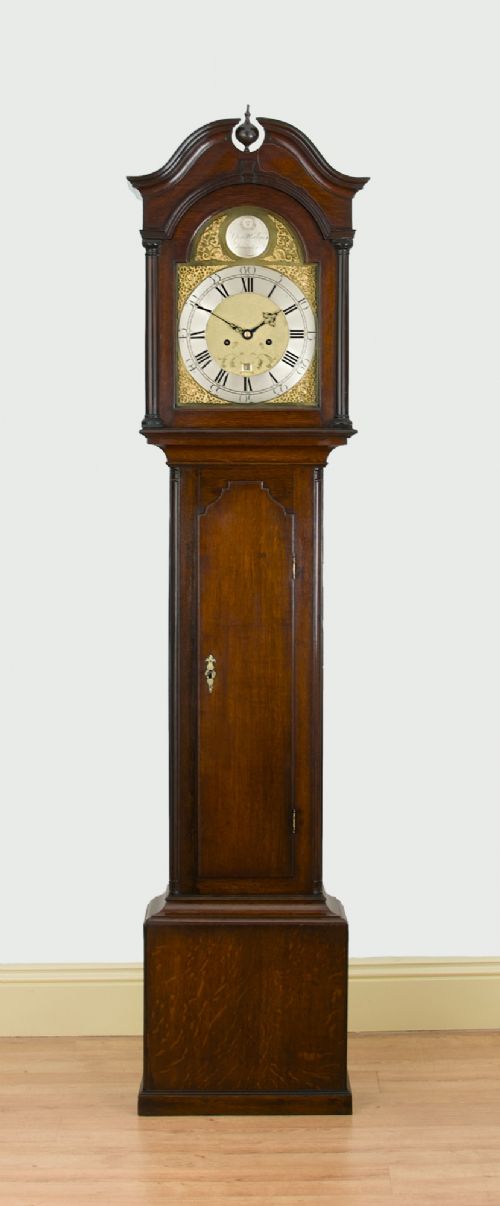


English Oak Floor Clock
An english oak floor clock stands as a towering piece of functional furniture that anchors a room with its slow, measured tick.
English Oak Floor Clock
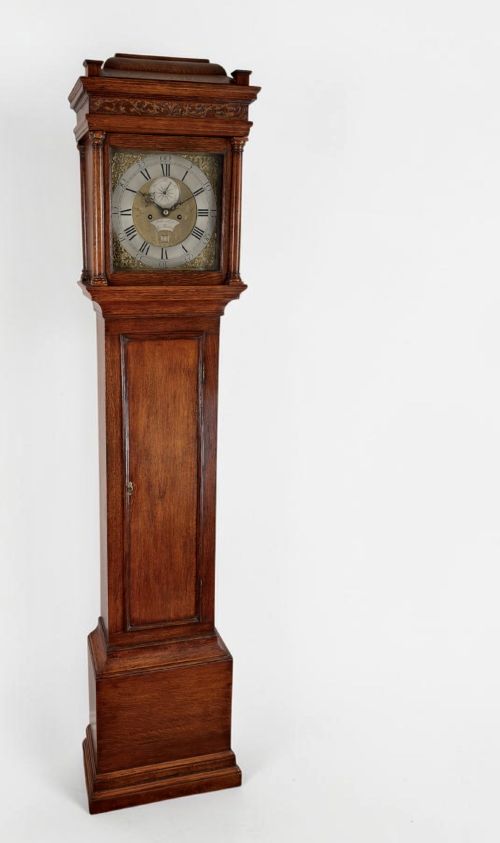
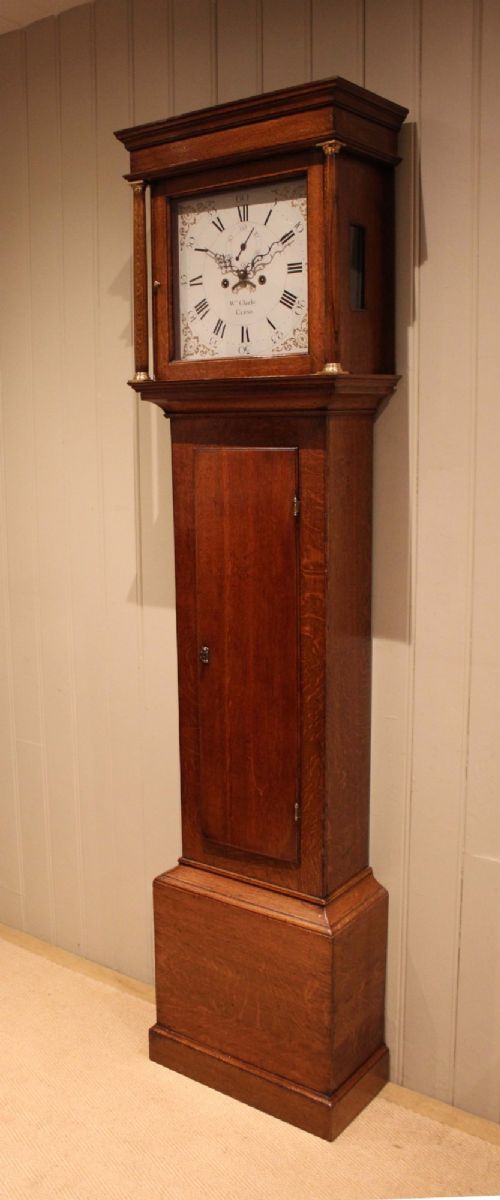
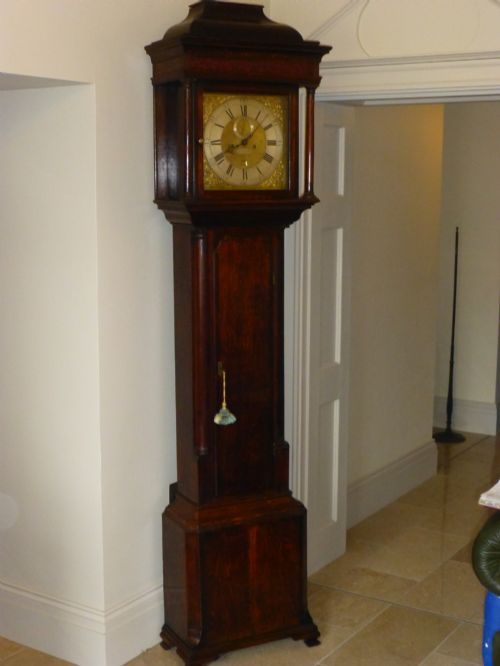
An english oak floor clock takes the form of a tall, upright case enclosing a weight-driven movement and a pendulum, commonly known as a longcase or grandfather clock. Buyers seeking this phrase encounter examples spanning the eighteenth century and the Georgian period, alongside occasional twentieth-century interpretations.
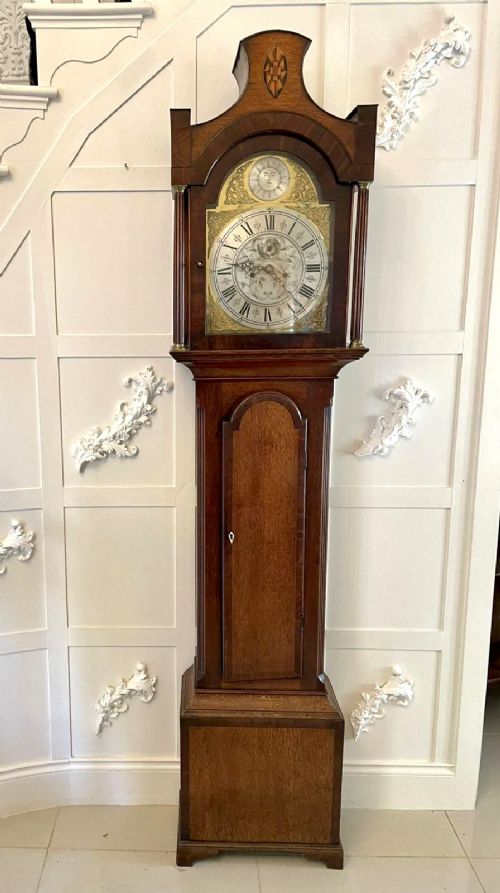
The architectural presence of these pieces ranges from restrained early styles to later examples incorporating mahogany crossbanding or inlaid details. The structural tall body protects the delicate mechanical works while serving as a commanding vertical element within domestic spaces.
Craftsmanship and Proportion
The distinction between tiers rests upon the harmony of the case proportions and the complexity of the dial work, such as engraved brass or rolling moon displays. Regional clockmakers invested varying degrees of artistry into the brass face ornamentation and the cabinet detailing.
Some regional clocks feature automata where tiny painted eyes move in time with the pendulum swing.
Lee of Great Marlow·Richard Corless of Stockport·George Hallifax Of Doncaster·Thomas May Of Witney·Thomas Utting of Yarmouth·John Wylde·Thomas Alexander·James Coster Of Henley·John Salmon Nantwich·Stanyer Nantwich·Nicholas of Birmingham·Richard Northen·William Harley·James Draycot Wells·Herbert of Haversham·Raine of Durham·John Bishop of Sherborne·Vurley of Wisbech·Mappin & Webb London·Bravingtons
The English Oak Floor Clock Glossary
- Longcase clock
- A tall pendulum clock enclosed in a wooden case that rests directly on the floor. This is the formal term for the style commonly called a grandfather clock.
- Dial
- The visible face of the clock displaying the hours and minutes. These are frequently fashioned from brass and inscribed with the maker's name.
- Movement
- The inner mechanical works comprising gears, springs or weights, and the escapement. Eight-day movements require winding considerably less often than thirty-hour versions.
- Strike-silent
- A mechanism allowing the striking train to be disengaged so the clock remains quiet through the night. This function indicates a more advanced and versatile movement.
- Automata
- Mechanical moving figures integrated into the dial face that animate on the hour. These add a layer of theatrical complexity to regional timepieces.
English Oak Floor Clock: Frequently Asked Questions
How do I wind an eight day clock?
Eight day clocks require a key to lift the internal weights or wind the springs via apertures on the dial face. Care must be taken not to overwind the mechanism.
Most traditional movements appreciate a steady, measured turn once a week to maintain consistent timekeeping without placing undue strain on the internal gut lines or chains.
Where should I place a floor clock?
These tall timepieces need a stable, level floor away from direct sunlight, damp areas, and heavy foot traffic that might cause vibrations. Placing them against a solid interior wall ensures the pendulum swings freely.
Because wood responds to environmental shifts, keeping the clock away from active radiators prevents the oak case from drying out or warping over time.
What is the difference between thirty hour and eight day movements?
Thirty hour clocks utilise a simpler gear train that requires winding daily, often driven by a single cord and weight system. They represent an earlier domestic standard.
Eight day clocks incorporate dual trains and heavier weights that sustain operation for over a week, requiring more sophisticated gear ratios and sturdier case construction.
How can I tell the period of an oak case?
Early eighteenth-century cases tend to display simpler architectural lines, square dial corners, and single hands designed for village life. Georgian and later examples frequently introduce arched brass dials, subsidiary seconds rings, and mahogany crossbanding.
Examining the construction methods inside the trunk and the style of the hood columns often reveals the decade of manufacture.