
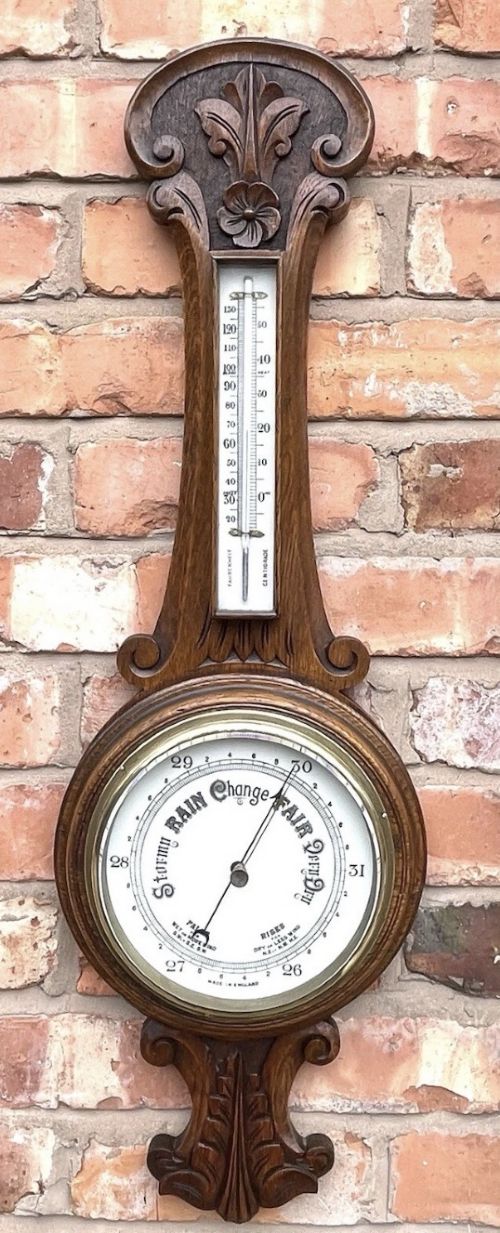


English Oak Clock
An english oak clock holds the floor with quiet authority, marking time through centuries of provincial cabinet-making and precise dial work.
English Oak Clock
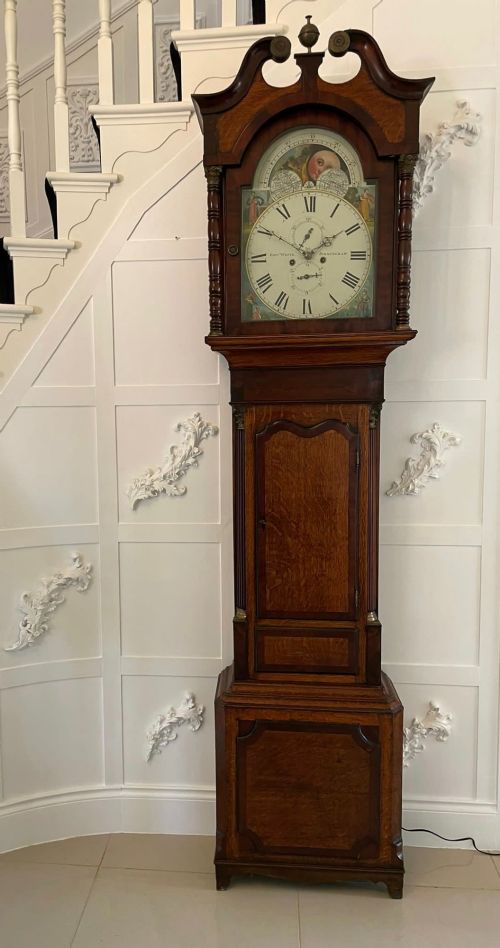
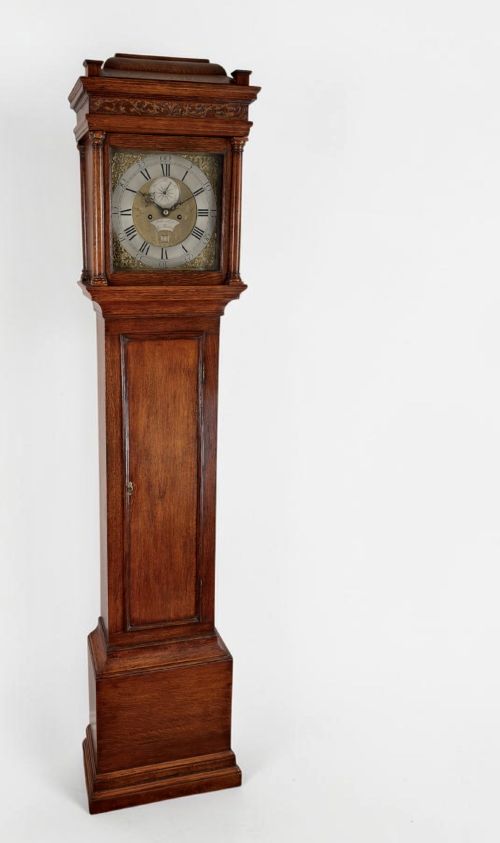
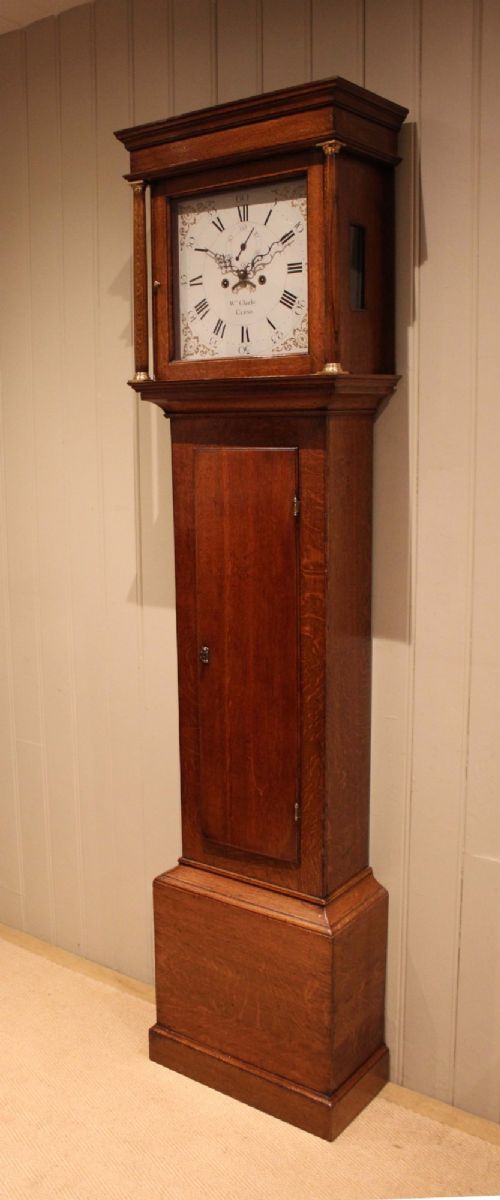
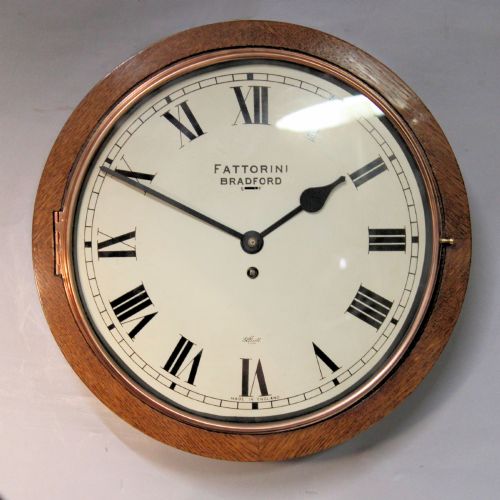
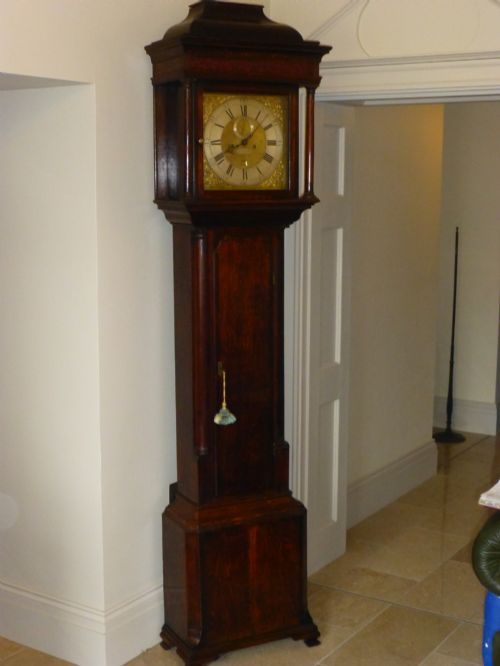
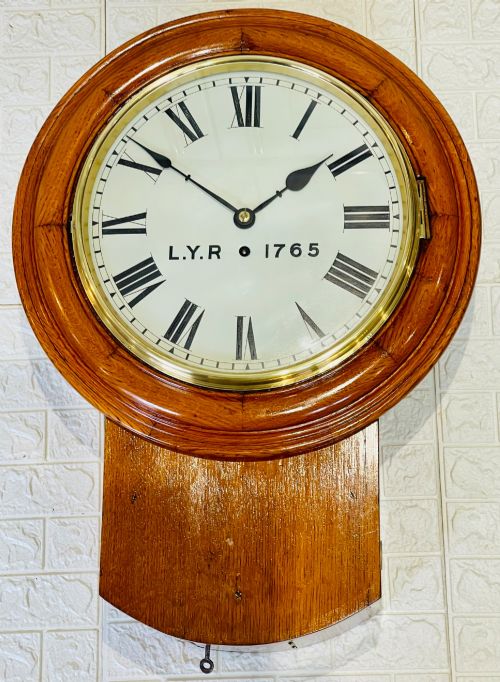
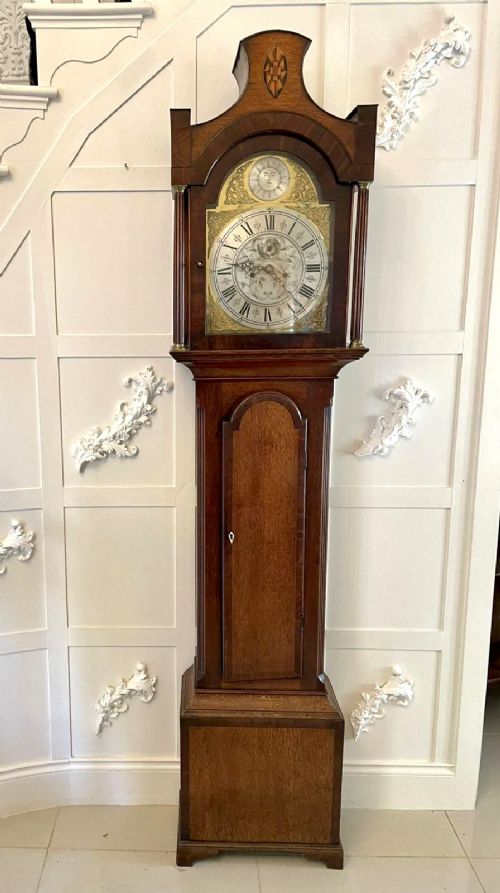
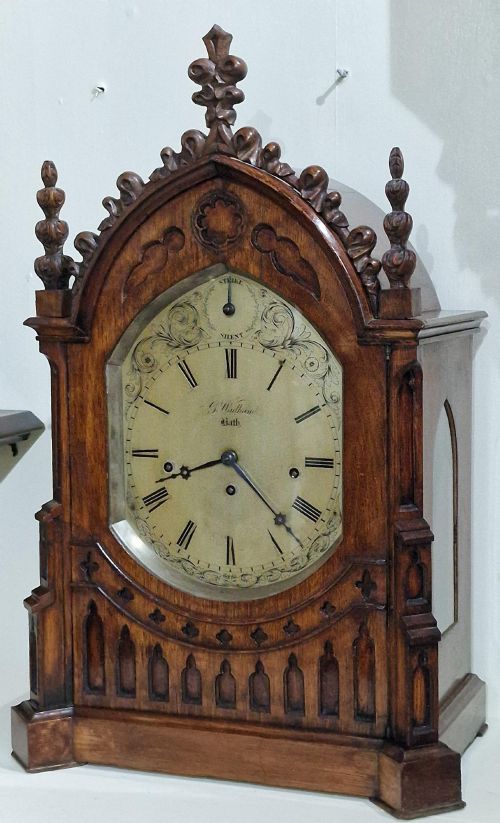
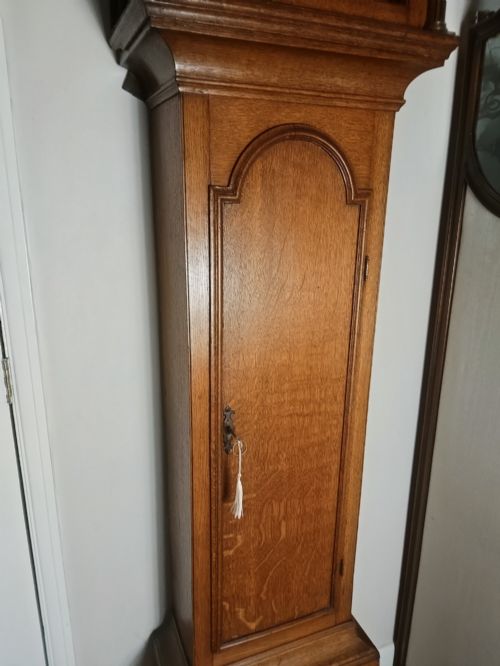
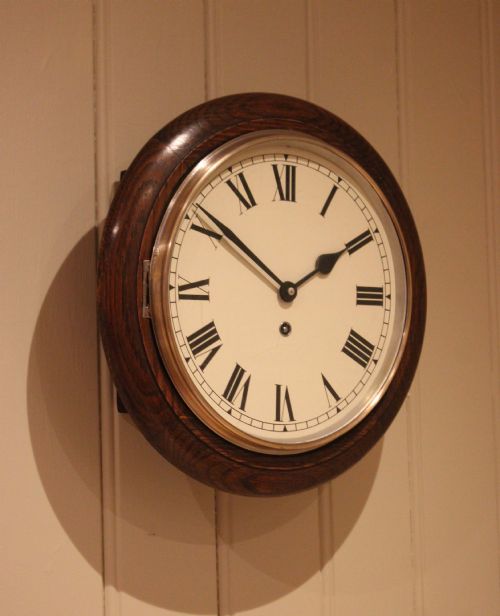
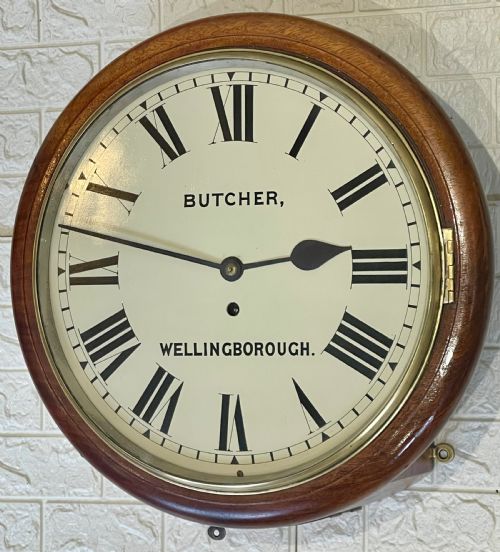
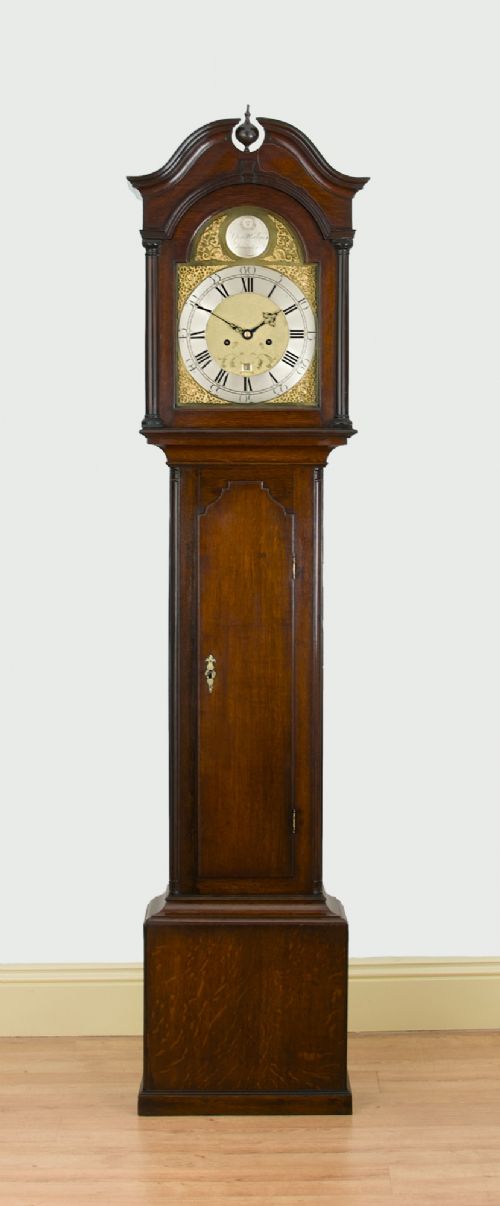
An english oak clock encompasses tall floor-standing timepieces, wall-mounted dial clocks, and smaller mantel or bracket pieces produced across the Georgian, Victorian, and later periods. The longcase or grandfather clock dominates the evidence, alongside brass-dial wall clocks and railway or office timepieces.
Makers from provincial market towns and London workshops alike signed these faces, utilising native timber that developed deep patination over generations. Buyers encounter 18th-century single-handed movements alongside 19th-century fusee mechanisms and 20th-century chiming grandmother clocks.
What Varies in Quality
The precision of the movement and the integrity of the dial engraving separate standard production from exceptional work, particularly where signed by notable provincial makers. Case construction reflects the builder's skill through balanced proportions, thoughtful timber selection, and crisply carved details rather than plain assembly.
Originality of components, from the motion work to the weights and hood pillars, dictates the standing of a piece within historical collections.
Several clocks preserve the unmistakable tick of railway stations and quiet country workshops across centuries.
Lee of Great Marlow·Richard Corless of Stockport·George Wadham Bath·George Hallifax Of Doncaster·Henry Deykin Worcester·Thomas May Of Witney·Thomas Utting of Yarmouth·John Wylde Nottingham·Richard Alexander Devizes·James Coster Of Henley·John Salmon Nantwich·R Biggs of Rumsey·Thomas King of Alnwick·George Stubbs
The English Oak Clock Glossary
- Fusee
- A conical pulley used in spring-driven clocks to equalise the declining power of the mainspring as it unwinds. This mechanism ensures more consistent timekeeping throughout the duration of the wind.
- Chapter ring
- The outer ring on a clock dial that bears the hour numerals. On older brass dials, this ring is frequently silvered and engraved.
- Spandrel
- The ornamental corner piece set between the dial square and the circular chapter ring. These cast brass decorations changed in style from floral motifs to rococo scrolls across different decades.
- Longcase clock
- A tall, floor-standing weight-driven clock enclosed in a wooden case, commonly known as a grandfather clock. The trunk protects the suspended weights and pendulum.
- Drop dial
- A wall-mounted clock featuring a circular dial above an extended wooden trunk or drop case. This shape accommodated the fall of the weights or pendulum in a compact format.
English Oak Clock: Frequently Asked Questions
How do I wind an eight-day longcase clock?
Insert the winding key into the holes on the dial face and turn clockwise until the weights rise to the top of the trunk. Care is needed not to overwind the movement.
Ensure the pendulum hangs evenly before setting the minute hand to the correct time.
What is the difference between a grandfather and a grandmother clock?
Grandmother clocks are smaller versions of the traditional longcase, generally standing under six feet tall. They emerged primarily during the early twentieth century.
Grandfather clocks maintain the taller proportions typical of eighteenth-century production.
Why does my dial clock have a fusee movement?
A fusee movement uses a conical drum to maintain even tension on the gear train as the mainspring relaxes. This mechanism provides superior timekeeping accuracy compared to simpler spring-driven designs.
Such movements were standard in railway, public, and high-quality domestic wall clocks.
How should I care for an antique oak case?
Keep the timber away from direct heat sources and drastic humidity changes to prevent the oak from splitting or warping. Occasional application of beeswax maintains the natural lustre of the patinated surface.
Avoid modern liquid polishes containing silicone.