



English Mechanical Watch
An english mechanical watch represents centuries of precise horological craft, offering tangible historical mechanics that collectors and daily wearers prize for their intricate engineering.
English Mechanical Watch
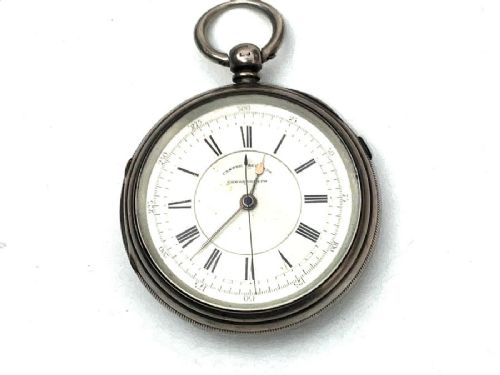
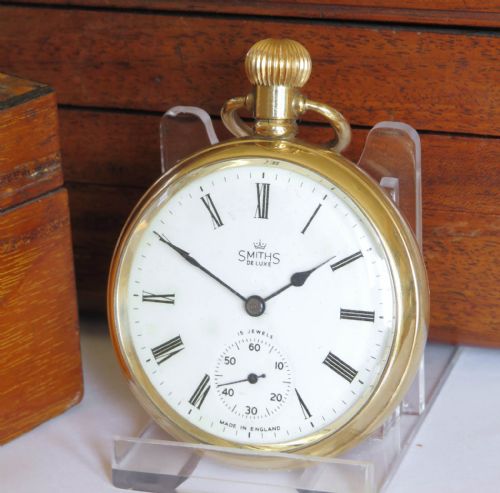
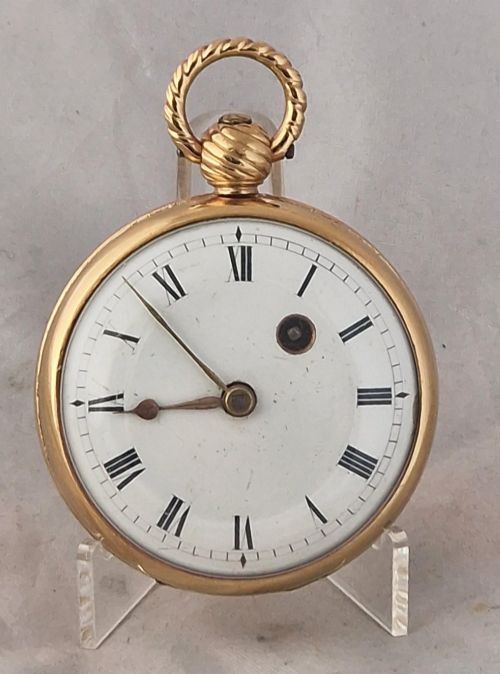
When you search for an english mechanical watch, you encounter portable timepieces driven by springs and gear trains rather than electronic circuits. These pieces span centuries of domestic watchmaking, showing the evolution from early verge escapements to later precision movements.
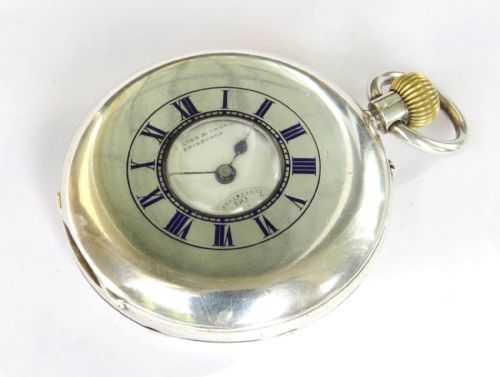
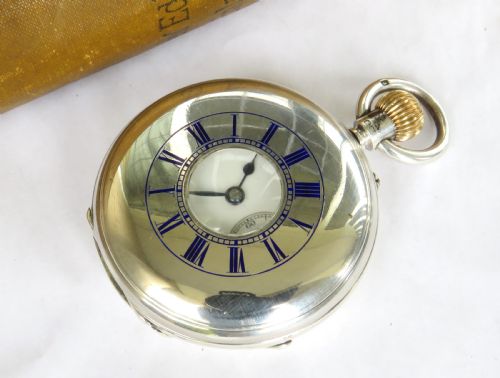
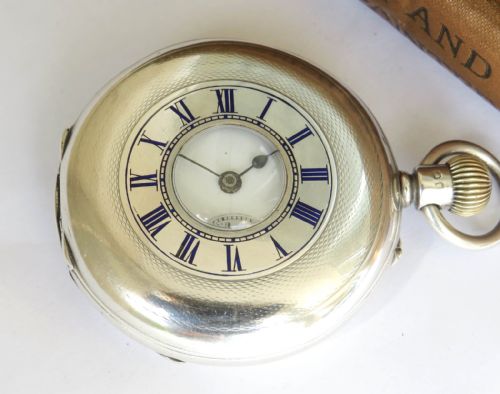
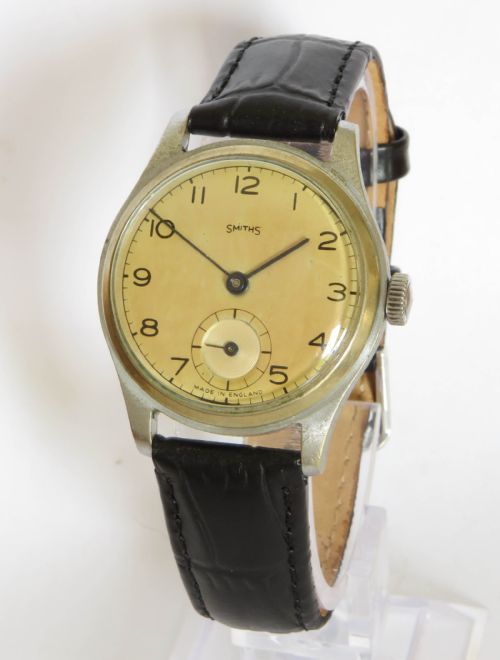
Pocket watches dominate the earlier eras, appearing in hunter, half hunter, and fusee configurations from the Georgian and Victorian periods. Wristwatches emerge strongly by the mid-twentieth century, shifting the focus towards practical wrist-worn daily timekeepers.
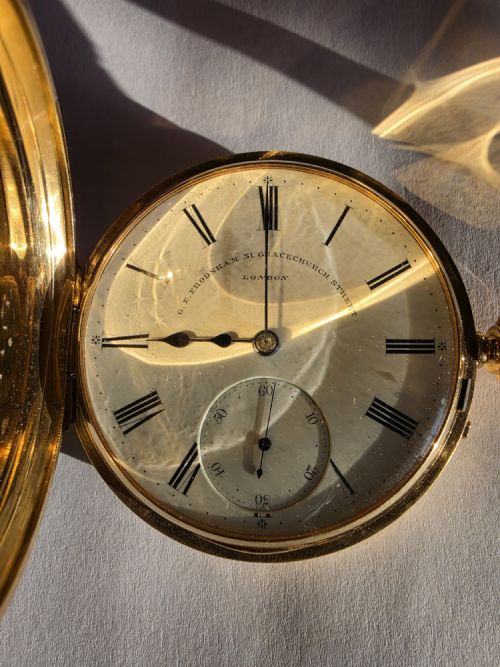
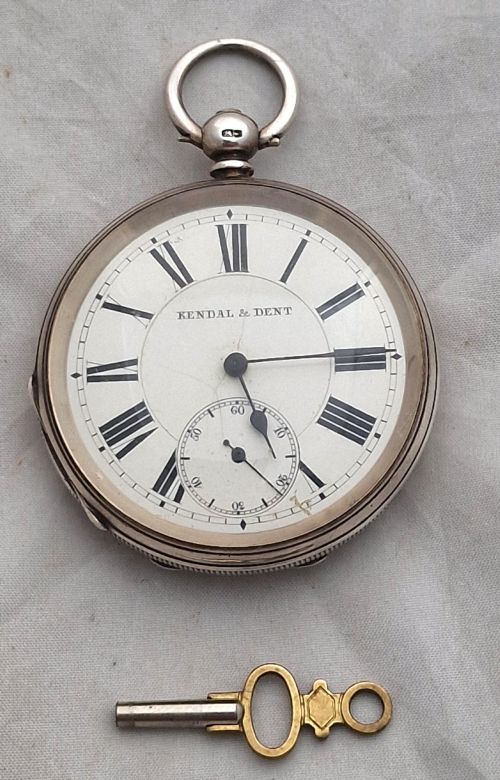
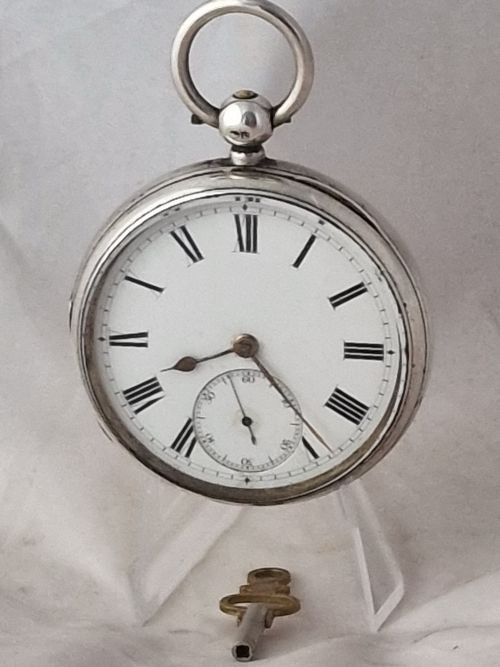
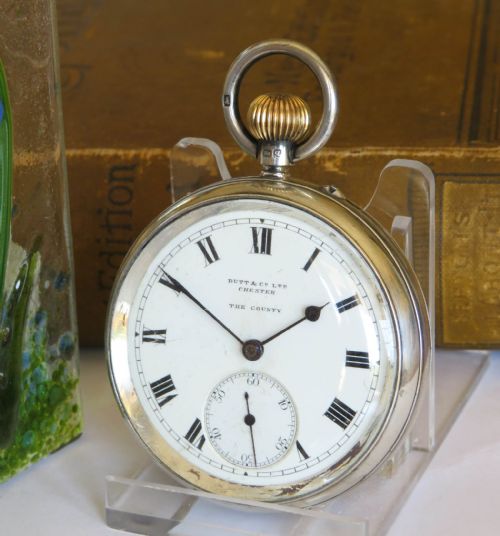
The selection ranges from robust silver pocket pieces signed by provincial makers to solid gold wristwatches from the mid-century. Each specimen reflects the specific aesthetic and technological standards of its decade, whether late Victorian or post-war British.
How they were made
Makers utilised durable metals such as brass and steel for the internal gear trains, escapements, and plates that govern the mechanical movement. Cases required precious and semi-precious materials including sterling silver, 9ct and 18ct gold, and occasional gilt brass.
Protective elements incorporated transparent glass crystals over enamel dials marked with numerals and subsidiary seconds. Leather straps and fitted boxes accompanied many of the later wristwatches and pocket pieces as standard accessories.
Early watchmakers sometimes hid private inscriptions on the inner dust covers, leaving secret messages intended only for future repairers.
What varies in quality
The sophistication of the movement dictates the upper tier of quality, particularly regarding jewelled bearings and specialised escapements like the fusee or English lever. Maker reputation also elevates a piece, with signed works from established watchmakers commanding greater interest.
Case execution and metal purity create further distinctions, moving from standard silver to heavy gold hallmarked cases with intricate engraved detailing. The preservation of the original dial enamel and the crispness of case signatures separate ordinary examples from exceptional survivals.
Hamilton and Inches·George Edward Frodsham·Kendal and Dent·Bickley London·JW Benson·J Lyndsey
The English Mechanical Watch Glossary
- Fusee
- A conical pulley used in older mechanical watches to maintain even power as the mainspring unwinds. This mechanism compensates for the diminishing force of the spring over time.
- Verge escapement
- An early type of escapement mechanism regulating the speed of the watch using a crown wheel and balance. It represents traditional early watchmaking technique.
- Hunter pocket watch
- A pocket watch featuring a spring-loaded metal cover that protects the glass dial from damage. The cover opens via a push-piece on the pendant.
- Half hunter pocket watch
- A variation of the hunter case with a small glass window or aperture in the outer lid. This allows the wearer to check the hands without opening the cover.
- English lever
- An escapement design known for high precision and reliability in British timepieces. It became a standard fixture of quality nineteenth-century watch production.
English Mechanical Watch: Frequently Asked Questions
How do I wind an english mechanical watch?
Most pocket watches require turning the crown or using a separate key until resistance indicates the mainspring is fully tensioned. Wristwatches generally use a crown turned between the thumb and forefinger.
Care must be taken not to over-wind the mechanism, as forcing the spring past its limit can cause internal damage. Regular daily winding at a consistent time helps maintain steady operation.
Can I wear an antique mechanical watch daily?
Many vintage and antique timepieces remain suitable for regular wear provided they receive proper mechanical servicing and gentle handling. Protection from moisture and heavy impacts is essential for survival.
Older movements lack modern shock resistance and water sealing, so they require more mindfulness during everyday use than contemporary watches.
What is the difference between a fusee and standard movement?
A fusee movement incorporates a conical pulley and chain to equalise the torque delivered by the mainspring. Standard going-barrel movements transmit spring power directly to the gear train without this intermediate cone.
Fusee mechanisms are typically found in older English pocket watches and represent a traditional method of achieving superior timekeeping accuracy.
How do I date an english mechanical watch?
Dating relies heavily on British silver and gold hallmarks stamped inside the case, which indicate the exact assay office and year of production. Stylistic clues such as dial typography, hand design, and movement architecture also help narrow the timeframe.
Maker signatures and registration numbers provide additional historical context when hallmark letters are worn or absent.