


Antique Smiths Timepiece
These antique smiths timepiece examples span practical domestic wristwatches to substantial station wall clocks, offering British horological history for daily use.
Antique Smiths Timepiece
An antique smiths timepiece encompasses diverse horological creations from wristwatches to large wall and mantel clocks. Buyers searching this phrase typically encounter twentieth-century pieces spanning from the 1930s through to the 1960s.
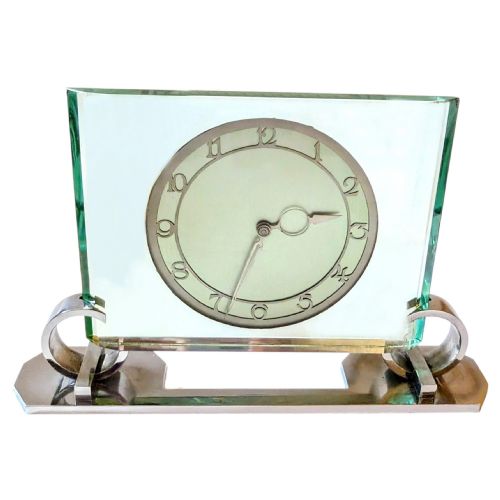
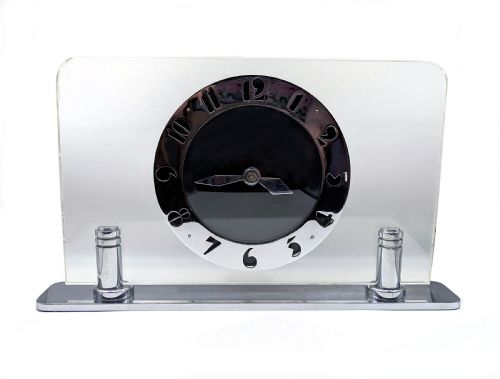
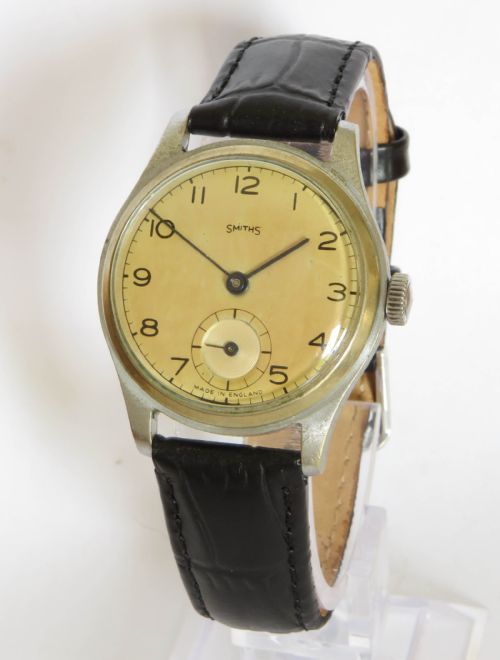
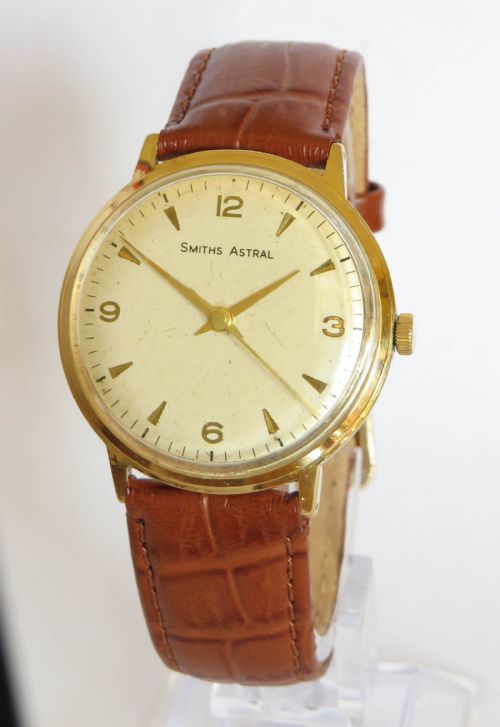
Domestic mantel clocks often showcase Art Deco styling in materials like blue glass, chrome, and mahogany, while utility wall clocks served practical roles on railways and waterways. Wristwatches range from basic mechanical models to superior 9ct gold versions.
The selection reflects British manufacturing output across several decades, capturing both domestic timekeeping needs and institutional applications. Each format tells a distinct story of mid-century design and horological development.
Materials and construction
Production utilised a diverse palette of materials suited to each object's intended environment, combining traditional cabinet timbers such as mahogany with industrial metals like chrome, brass, and general metalwork.
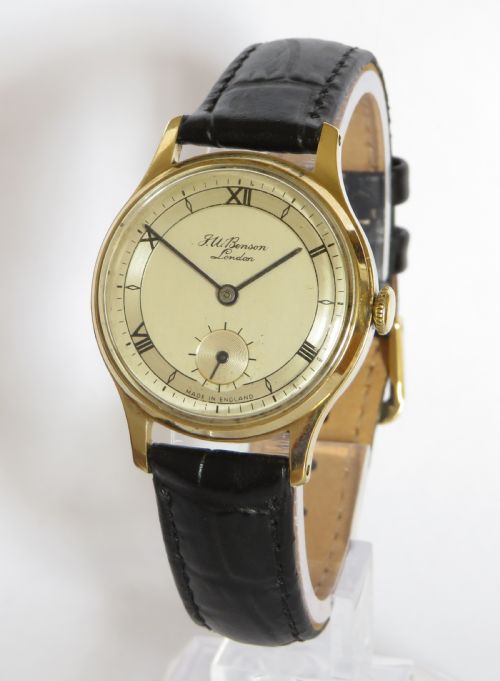
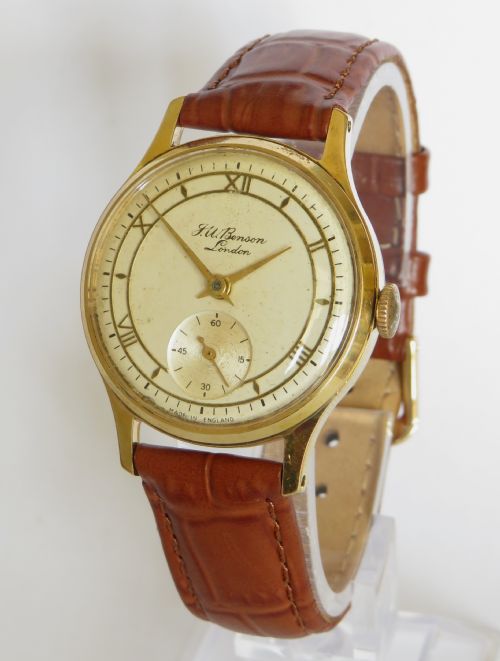
Wristwatches and finer mantel models often incorporated precious metals including 9ct gold alongside specialised components like glass dials and leather straps. Industrial and railway pieces favoured robust construction to withstand demanding daily use.
Listings feature pieces spanning four decades from 1930 to 1960, utilising materials ranging from 9ct gold and mahogany to glass and chrome.
Assessing quality and variation
Quality differences emerge through the choice of materials and the complexity of the movement, separating standard utility pieces from high-grade luxury items like 9ct gold wristwatches with jewelled movements.
Design ambition also divides the range, moving from plain functional wall dials to sophisticated Art Deco modernist mantel pieces featuring specialised glass, brass, or mystery mechanisms.
The Antique Smiths Timepiece Glossary
- Timepiece
- A clock or watch that measures and records time without striking hours or quarters. This term applies to many mechanical devices designed purely for telling the time.
- Mantel clock
- A portable clock designed to sit on the shelf above a fireplace. These domestic objects often displayed decorative styles like Art Deco during the 1930s.
- Bulkhead clock
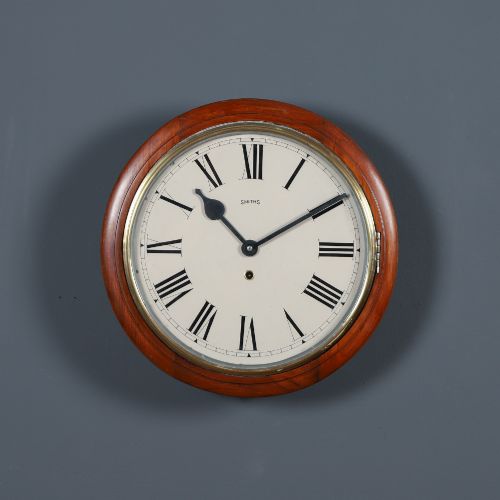
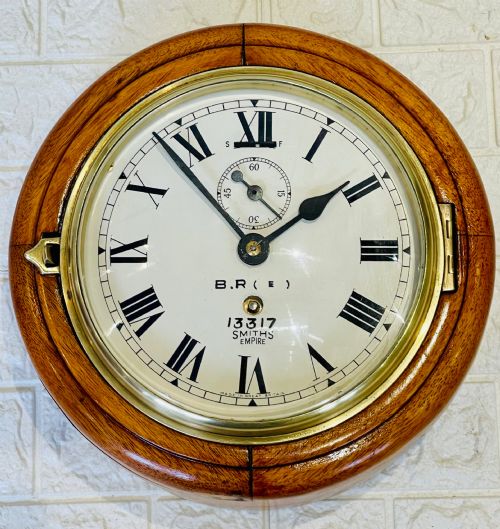
- A sturdy clock designed to be mounted directly onto the wall of a ship cabin or railway context. They feature robust housings to withstand motion and damp environments.
- Jewel
- A small synthetic gemstone used as a bearing for pivot holes in mechanical watch movements. Higher jewel counts generally indicate a superior grade of mechanism.
Antique Smiths Timepiece: Frequently Asked Questions
What is an antique smiths timepiece?
These are clocks and watches produced by the British manufacturer Smiths during the twentieth century. They encompass everything from pocket-sized wristwatches to large railway wall dials.
The maker established a dominant presence in British timekeeping, producing robust domestic and institutional instruments that survive in substantial numbers today.
How do I date my Smiths clock?
Dating typically relies on stylistic indicators such as Art Deco lines from the 1930s or modernist aesthetics from the 1950s and 1960s. Material choices also provide clues to the decade of manufacture.
Specific models often bear hallmarks on gold watch cases or distinct lettering on dials that align with known production periods in British horological history.
Were these clocks used on railways?
Yes, large round dial wall clocks were standard equipment for railway stations and waterways. These heavy-duty pieces ensured precise coordination for transport networks.
Their robust timber cases and clear dials were specifically designed for high-visibility public spaces and operational hubs.
What materials were used?
Production utilised traditional cabinet woods like mahogany alongside industrial elements such as brass, chrome, and general metal. Finer wristwatches incorporated 9ct gold cases.
Decorative mantel models frequently introduced glass and acrylic components to achieve contemporary modernist aesthetics.
How should I maintain a mechanical timepiece?
Mechanical clocks and wind-up wristwatches require regular winding and periodic professional servicing to keep the gears functioning smoothly. Keeping them away from excessive moisture preserves internal metal components.
Displaying wall clocks and mantel pieces on secure mountings protects delicate glass faces and wooden cases from accidental impacts.