
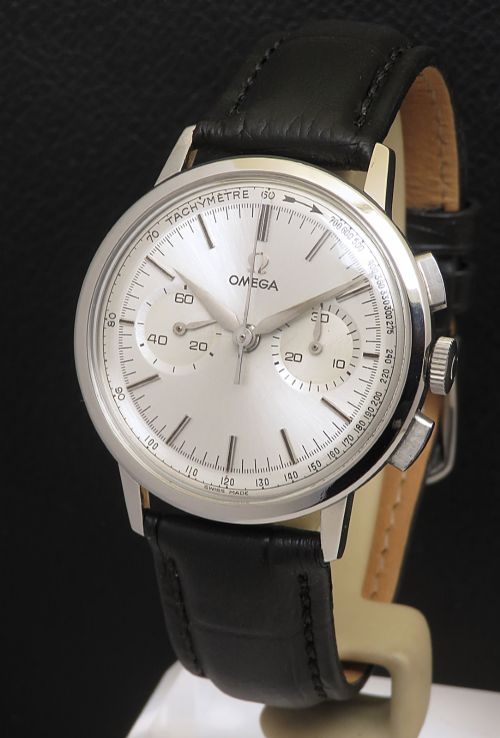
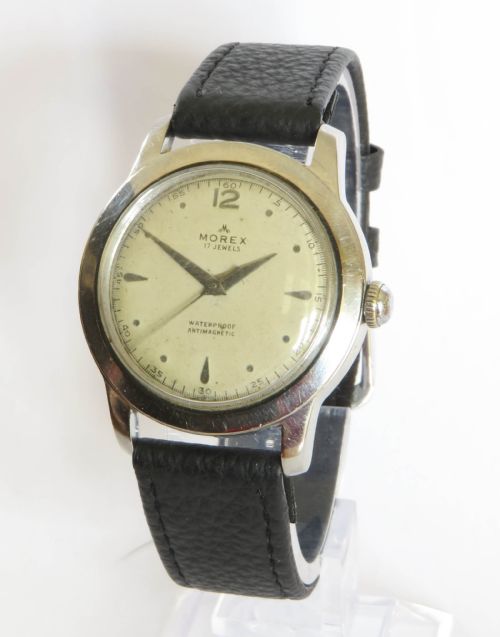
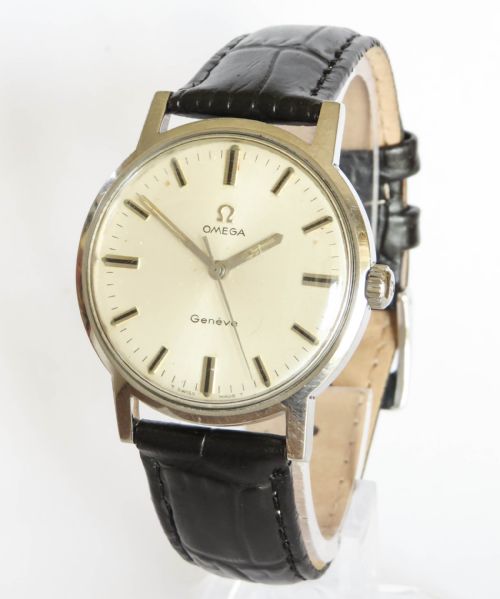
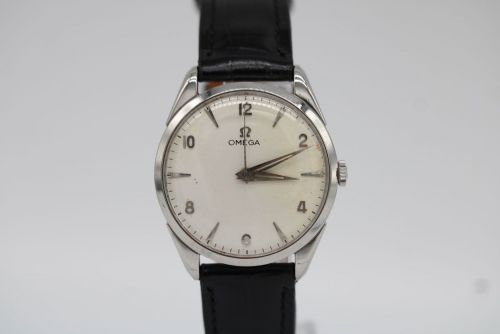


Classic Manual Wristwatch
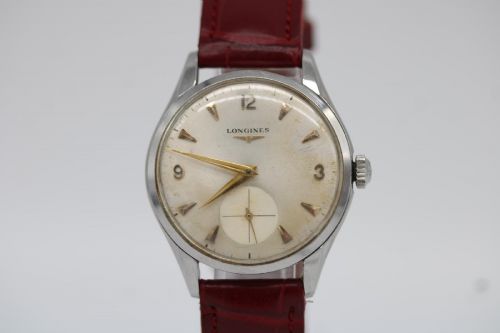
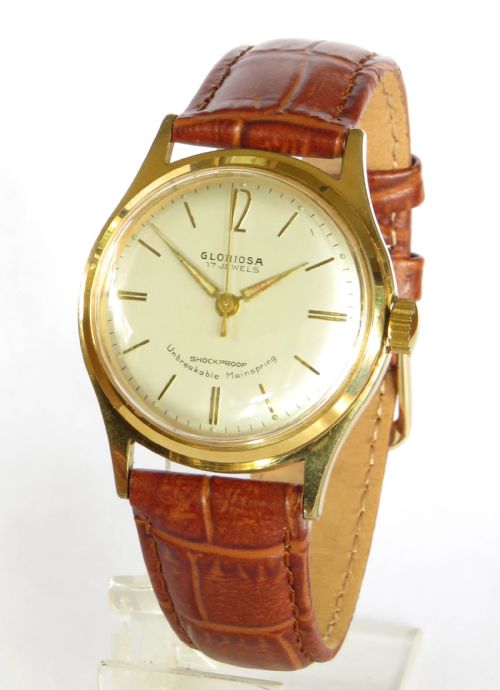
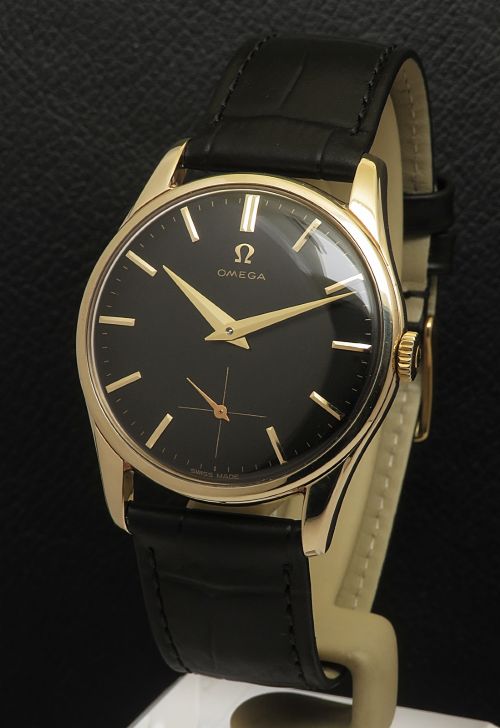
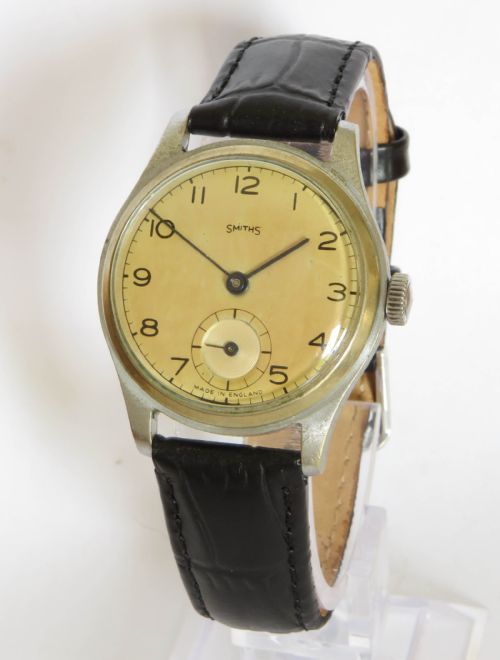
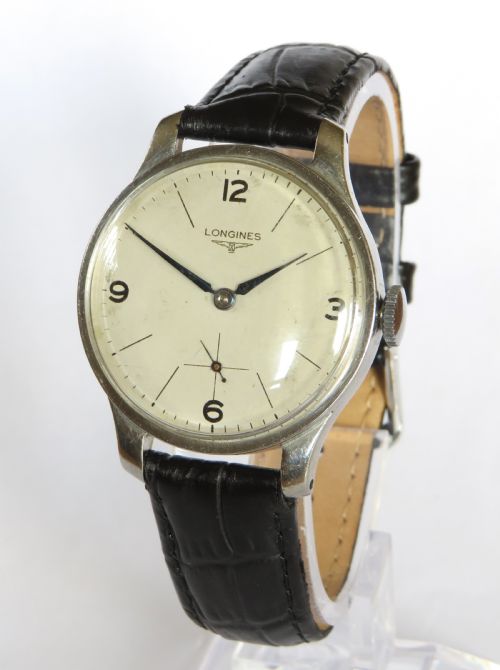
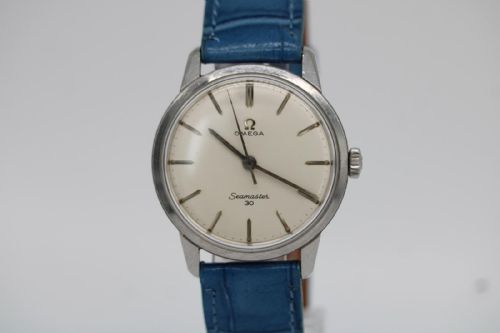
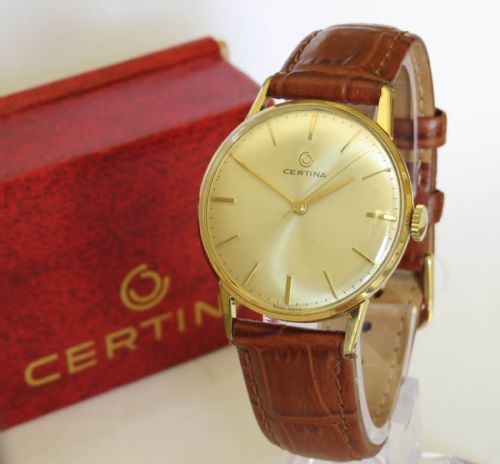
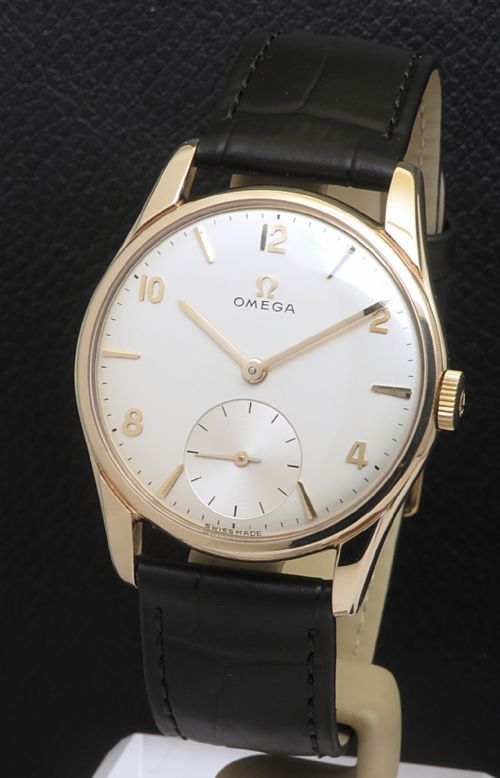
When you search for a classic manual wristwatch, you are looking at hand-wound timepieces spanning the 1930s to the 1960s.
Classic Manual Wristwatch
A classic manual wristwatch is a mechanical timepiece powered by hand winding rather than an automatic rotor or battery. The pieces collected under this search phrase emerge predominantly from the 1930s, 1940s, 1950s, and 1960s, reflecting mid-century design and horology.
Buyers seeking this phrase encounter gents wristwatches shaped by styles such as Mid-Century Modern, Art Deco, and 1940s vintage. These range from minimalist dress models to robust utility pieces designed for daily wear.
Swiss and British makers dominate the selection, offering varied case sizes from modest diameters up to thirty-five millimetres. Dials present diverse aesthetic treatments including silver, salmon, black, and two-tone finishes.
Materials and Construction
Cases are forged from stainless steel, chrome, gold plate, or solid nine-carat and eighteen-carat yellow gold. These metals house mechanical movements driven by intricate gear trains and manual spring barrels.
Dials are protected by acrylic glass or standard glass covers, often paired with traditional leather straps. Internal mechanics utilise jewelled lever escapements to maintain steady timekeeping accuracy.
Early watchmakers relied on steady hands and tiny magnifying glasses, assembling hundreds of microscopic steel parts without digital assistance.
Distinctions in Quality
The standard of a classic manual wristwatch depends on the fidelity of its movement and the preservation of its dial. Pieces featuring signed calibres from renowned Swiss houses or English workshops demonstrate superior horological pedigree.
Originality separates standard examples from exceptional specimens. Dials retaining their factory finish without aggressive restoration hold greater appeal for serious collectors.
Omega·Longines·Smiths·Certina·Tudor·Baume and Mercier·Girard Perregaux
The Classic Manual Wristwatch Glossary
- Calibre
- The specific internal movement designation used by a watchmaker to identify a particular mechanical movement design. Each calibre denotes a unique arrangement of gears, springs, and escapement components.
- Manual wind
- A mechanical watch movement that requires the wearer to manually turn the crown to tension the mainspring. This eliminates the need for batteries or automatic rotor weights.
- Acrylic glass
- A lightweight, shatter-resistant synthetic material utilised for crystal watch covers during the mid-century era. It can be easily polished to remove minor surface scratches.
- Chronograph
- A timepiece equipped with a secondary stopwatch function operated by independent pushers on the case. This complication allows precise measurement of elapsed time intervals.
- Explorer dial
- A specific dial layout featuring prominent Arabic numerals at the primary compass points interspersed with baton markers. This configuration prioritises immediate legibility in low-light environments.
Classic Manual Wristwatch: Frequently Asked Questions
How often should I wind my watch?
A classic manual wristwatch requires winding once daily, ideally at the same time each morning. Turn the crown gently until you feel firm resistance, avoiding overwinding to protect the internal mainspring.
Establishing a consistent daily routine prevents the movement from running down unexpectedly. Regular winding also keeps the gear train lubricated and active.
Are these watches waterproof?
Historical timepieces from the mid-century period lack modern rubber gaskets and screw-down sealing technology. Exposure to moisture, heavy rain, or immersion can easily cause internal rust and dial damage.
Treat these watches as strictly non-waterproof items. Remove them before swimming, bathing, or engaging in vigorous physical activities.
How do I identify the production era?
Dating relies on examining movement serial numbers, case back stamps, and stylistic cues such as typography and lug design. Reference materials specific to the maker often narrow down the production year.
Mid-century pieces typically exhibit distinct case geometries and dial patinas characteristic of their decade. Consulting manufacturer archives provides definitive confirmation of manufacture dates.
Can I wear a vintage watch daily?
These timepieces were originally built for everyday wear by their first owners and handle regular use well. Careful handling regarding impacts and moisture ensures they remain reliable companions.
Pairing a vintage watch with contemporary attire suits modern lifestyles. Periodic servicing by a professional horologist keeps the internal mechanism running smoothly.