



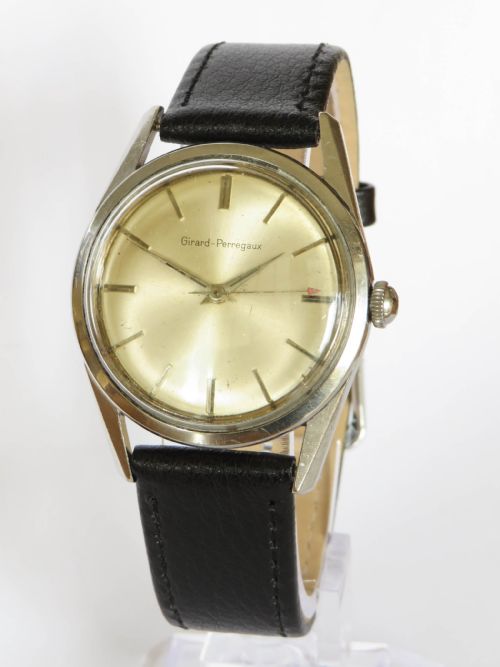


Silver Casing Wristwatch
A silver casing wristwatch offers a tangible link to mid-century design, combining precious metal cases with reliable mechanical movements.
Silver Casing Wristwatch
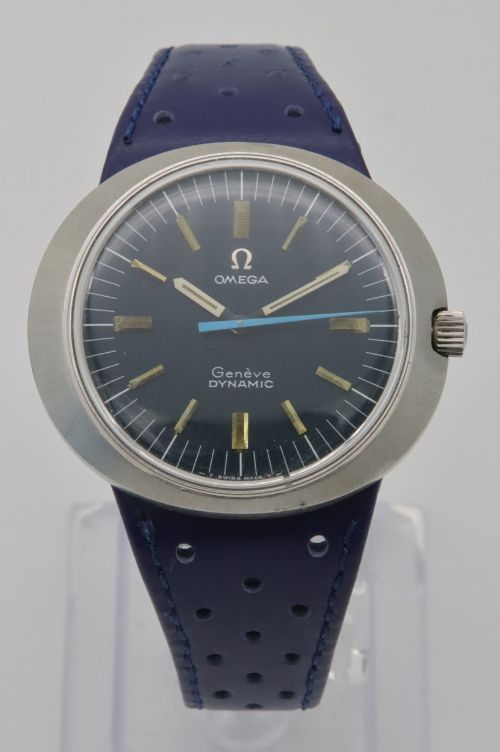
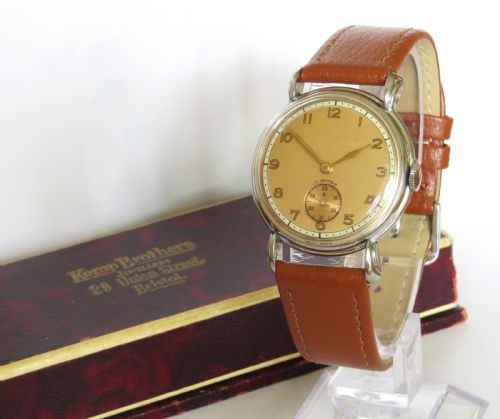
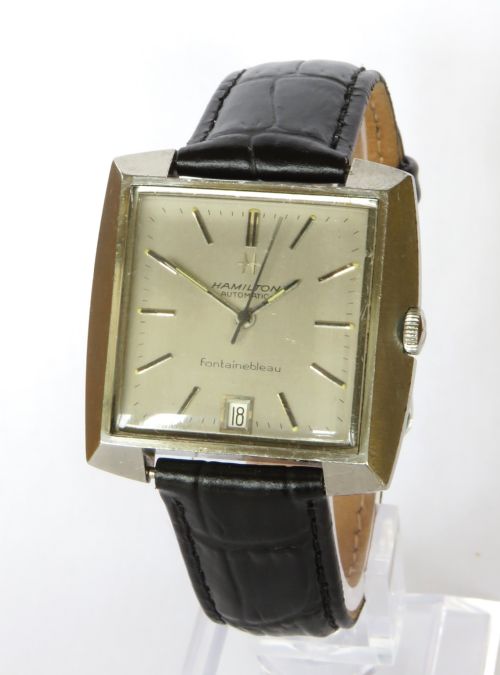
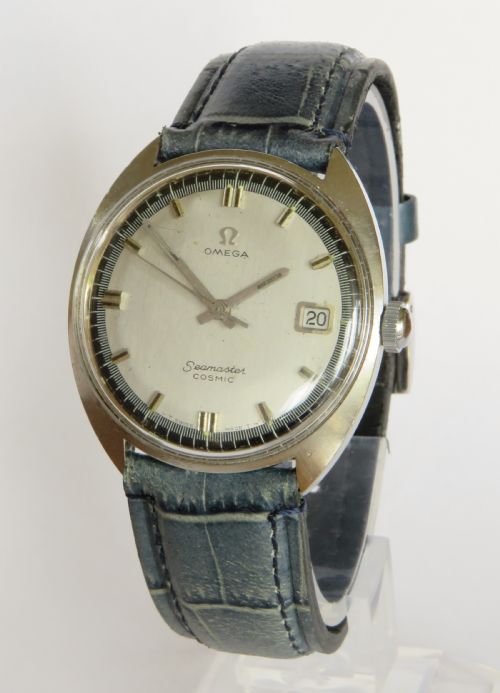
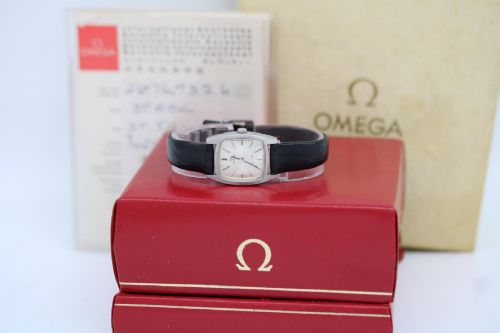
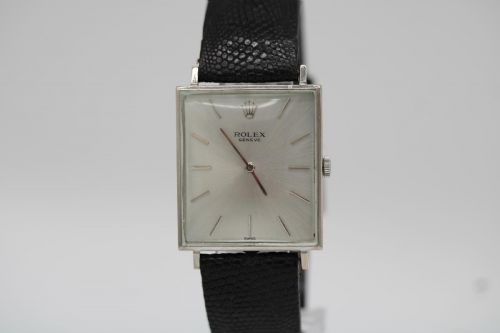
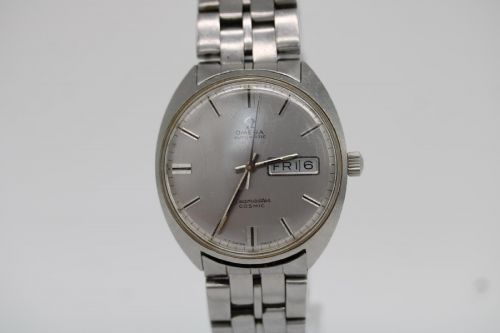
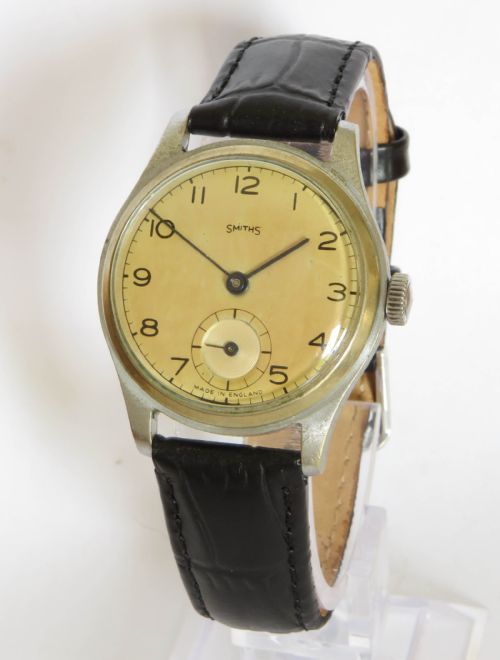
When you search for a silver casing wristwatch, you are looking at portable timepieces housed primarily in silver, white gold fill, or chrome housings from the 1930s to the 1960s. These pieces span robust military issues, elegant dress items, and distinct Art Deco forms.
The version you are most likely to meet on this page is a gents mechanical wristwatch from the 1960s or the Art Deco period of the 1930s. Smiths, Omega, and various Swiss makers dominate these decades, alongside French and British productions.
Design vocabulary shifts from the geometric lines of the 1930s to the clean dials of Mid-Century Modernism and the rugged utility of Second World War military styles. Each decade brings its own distinct dial layout and case geometry to the wrist.
How they were made
Cases utilise silver, stainless steel, chrome, acrylic, and 18ct white gold, paired with glass crystals to protect the dial. Metals were stamped, cast, or milled to precise tolerances to house delicate mechanical movements.
Dials frequently feature applied metal markers, painted numerals, and enamel details, driven by manual or automatic internal gear trains. Straps constructed from leather secure the watch to the wrist, completing the assembly.
Listings feature wristwatches spanning the 1930s to the 1960s, utilising silver, stainless steel, chrome, and 18ct white gold.
What varies in quality
The calibre of the internal movement and the crispness of the case finishing separate standard production from finer examples. Precision in gear train manufacturing dictates how reliably the watch keeps time over decades.
Originality of components, including dials, hands, and signed crowns, heavily influences the integrity of the piece. Preservation of case edges and hallmarks reveals how carefully the watch has been kept by previous owners.
Omega·Hamilton·Rolex·Seiko·Smiths·Rotary·Marvin·Girard Perregaux·Breitling·Tudor·Timor·Bulova
The Silver Casing Wristwatch Glossary
- Calibre
- The internal mechanical movement of a watch, designated by the manufacturer by a specific number or name. This system identifies the exact design and layout of gears and springs inside the case.
- Chronograph
- A watch equipped with a stopwatch function alongside regular timekeeping displays. These models include independent sweep hands and pushers on the side of the case.
- Hermetic
- A case construction designed to resist dust and moisture penetration through specialised sealing methods. This term often appears on watches intended for practical, everyday reliability.
- Dial
- The visible face of the wristwatch displaying hours, minutes, and sometimes secondary complications. Dials carry markers, numbers, and maker signatures beneath the glass or acrylic crystal.
- Manual wind
- A mechanical movement powered by hand-turning the crown to tension the mainspring. This traditional method requires regular winding to maintain operation.
Silver Casing Wristwatch: Frequently Asked Questions
How do I wind a manual wristwatch?
Turn the crown clockwise between your thumb and forefinger until you feel gentle resistance. Stop immediately to avoid over-tensioning the internal mainspring.
Wind the watch at the same time each day to maintain consistent tension and accurate timekeeping performance.
Are these watches waterproof?
Vintage timepieces generally lack modern waterproof seals. Exposure to water can damage the internal movement and degrade the dial.
Keep the watch away from swimming, showers, and heavy rain to preserve its mechanical and aesthetic condition.
How do I know the decade of a watch?
Case designs, dial typography, and movement signatures offer strong clues to the production era. Mid-century pieces often display minimalist markers, while 1940s models frequently show military or utilitarian influences.
Maker archives and reference numbers stamped inside the case back provide precise dating.