



English Horology Clock
When you search for english horology clock, you are looking at centuries of domestic timekeeping built in brass, wood and iron.
English Horology Clock
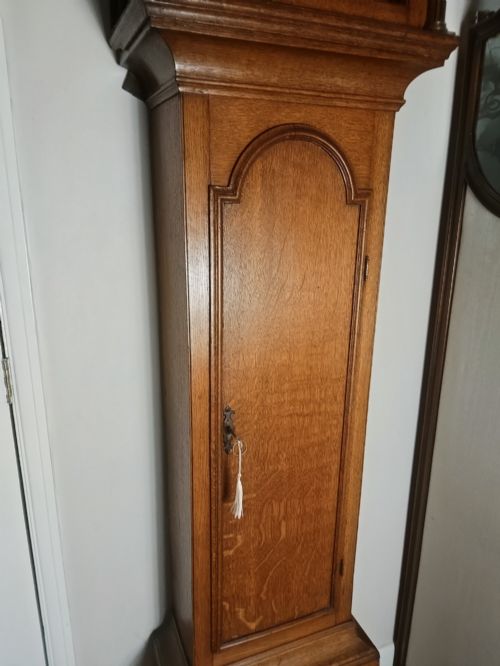
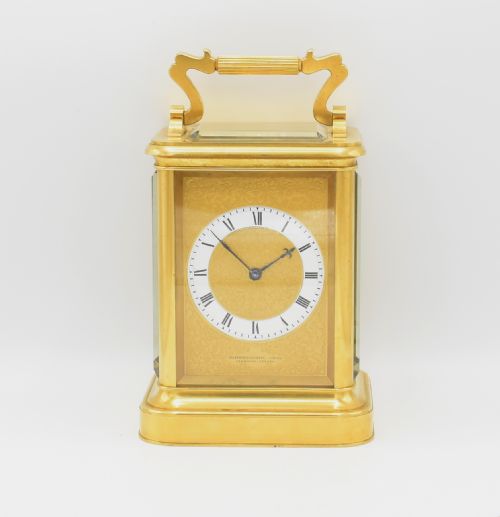
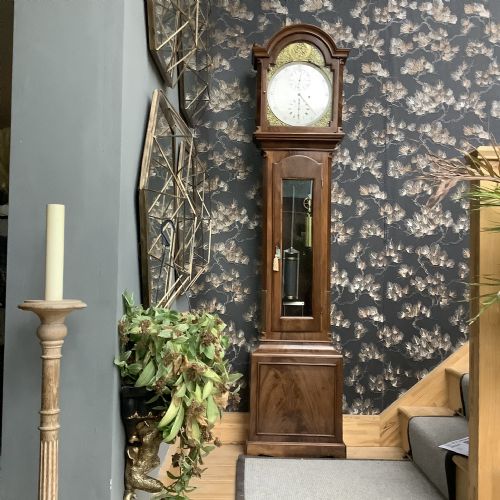
An english horology clock encompasses everything from early lantern clocks of the seventeenth century to substantial Georgian longcase grandfathers and Victorian wall dial timepieces.
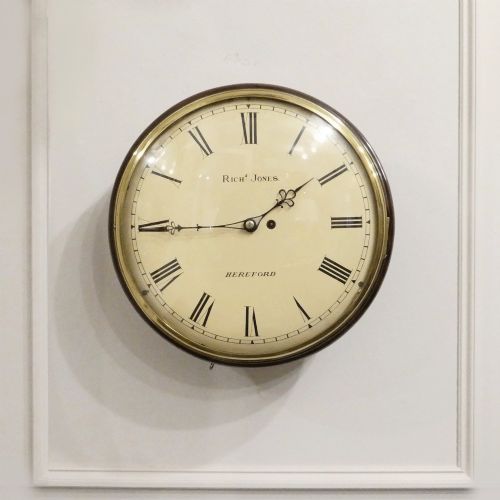
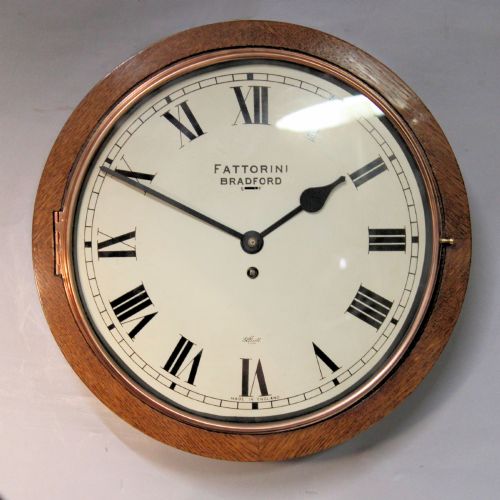
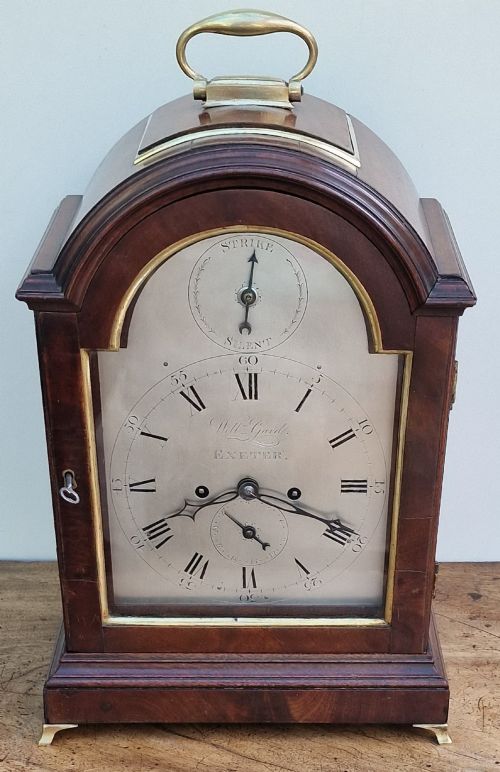
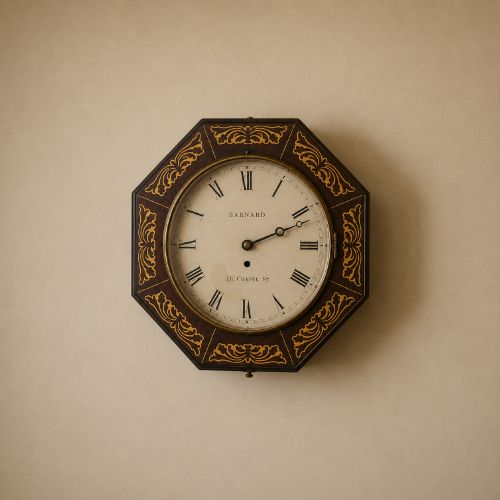
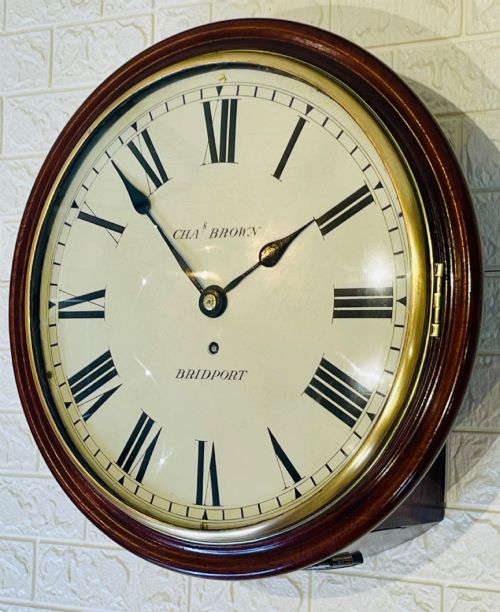
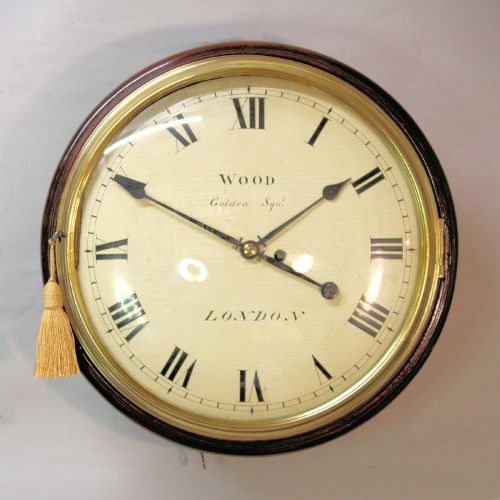
You will most frequently meet wall clocks with fusee movements and mahogany cases, alongside bracket clocks and traditional lantern clocks originating from makers across London and the provinces.
How they were made
Maker workshops utilised dense timbers such as mahogany, oak, walnut and ebony to construct robust cases that housed intricate brass gear trains and steel mechanisms.
Dials were finished in silvered brass or painted enamel, while movements relied upon verge or lever escapements alongside fusee drive systems to maintain even tension.
Materials appearing across current listings include brass, glass, mahogany, steel, iron, oak, enamel and ebony.
What varies in quality
The standard of an english horology clock depends upon the precision of the brass wheelwork and the crispness of signature engraving on the dial or backplate.
Case construction, choice of burr walnut or inlaid mahogany veneers, and the originality of the movement components further set apart high workshop production.
Richard Jones of Hereford·Elliott·William Gard·Goldsmiths Alliance Ltd·Mappin & Webb·Barnard·John Spershott·L. Vick·John Witherston·John Pepys·William Speakman·Henry Massy·Benj Reeves·Samuel Tinham·Peter Closon·John Waller·James Ogden Senior·William Barrow·Henry Jones·J Batson & Son·Connell of London·John Barwise·John Walker·Arnold and Frodsham·Henry Deykin
The English Horology Clock Glossary
- Fusee
- A conical pulley used in clock movements to maintain equal driving power as the mainspring unwinds. This mechanism ensures consistent timekeeping across the winding cycle.
- Verge escapement
- An early type of clock escapement employing a vertical rod with pallets that engage with a crown wheel. It governs the speed of the gear train.
- Lantern clock
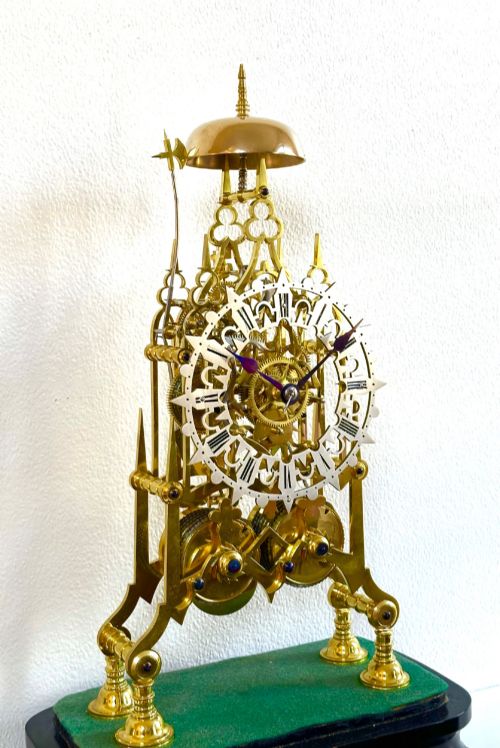
- An early domestic brass chamber clock featuring weight-driven mechanisms and pierced frets. They were commonly hung on walls or placed on brackets.
- Bracket clock
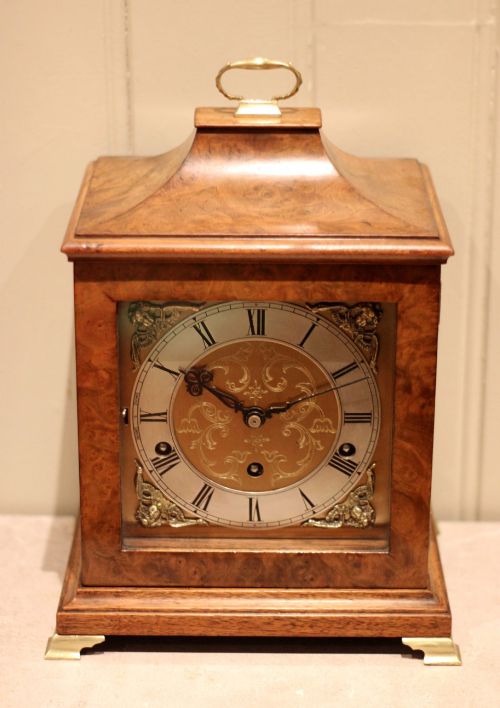
- A portable spring-driven table or shelf clock originally designed to sit upon a matching wall bracket. They often feature striking trains or quarter-chimes.
- Longcase clock
- A tall pendulum clock housed in a wooden case designed to stand directly on the floor. Also known colloquially as a grandfather clock.
English Horology Clock: Frequently Asked Questions
Where were these clocks placed in historical homes?
Wall clocks and lantern clocks were traditionally mounted in prominent rooms or hallways where household members gathered to check the time.
Longcase and bracket clocks stood in reception rooms, parlours or grand staircases to serve as both timekeepers and statements of household status.
How do fusee movements differ from other mechanisms?
A fusee movement uses a conical drum paired with a cord or chain to regulate the pull of the mainspring. As the spring loses tension, the chain moves to a wider part of the cone to maintain steady power.
Simpler spring-driven movements lack this conical drum and can experience a drop in amplitude as the power winds down.
How do you distinguish a lantern clock from a bracket clock?
Lantern clocks are almost entirely made of brass with distinctive corner pillars, pierced fretwork panels, and weights suspended below.
Bracket clocks feature enclosed wooden cases made of mahogany, oak or ebony, and rely on internal spring-driven mechanisms rather than falling weights.
Can these antique clocks be kept running daily?
Many examples remain in working order and can keep accurate time when properly set up, levelled and wound by someone familiar with antique mechanisms.
Routine servicing by a horologist ensures that the brass gear trains and escapements continue to operate without undue wear on the metal parts.