



Edwardian Miniature Clock
These edwardian miniature clock pieces pack considerable horological detail into a diminutive footprint, offering collectors portable precision and refined period charm.
Edwardian Miniature Clock
An edwardian miniature clock brings traditional timekeeping into a portable scale, frequently taking the form of brass carriage clocks or compact desk companions. Collectors encounter these small instruments housed in polished metal, glass, and inlaid timber cases designed for travel or intimate domestic spaces.
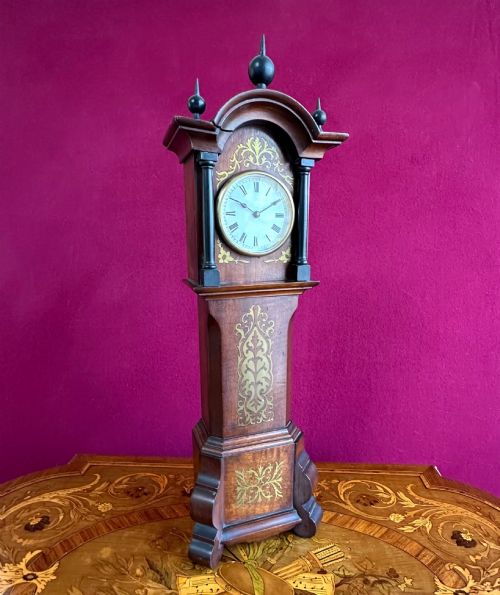
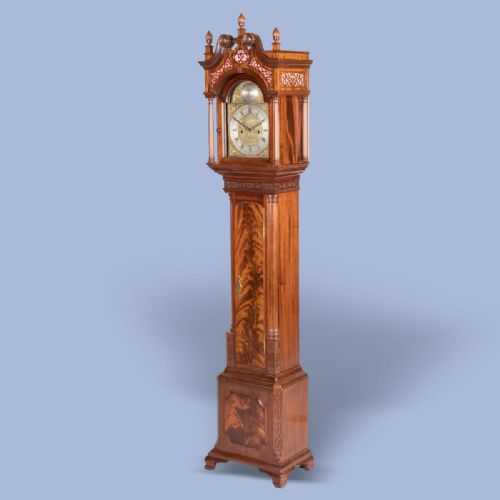
The selections span standard upright timepieces as well as diminutive longcase interpretations built from mahogany and oak. These smaller grandfather and grandmother clocks replicate full-sized floor standing designs in miniature proportions, utilising traditional dials and brass movements.
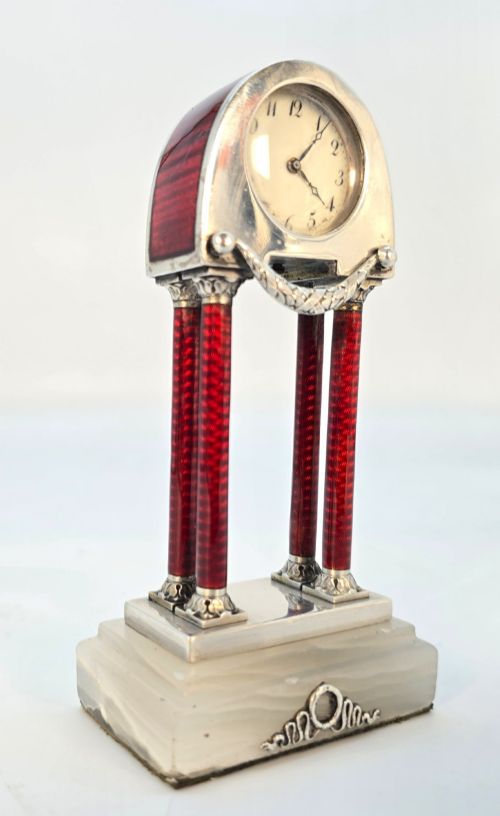
Most examples originate from the late nineteenth and early twentieth centuries, reflecting diverse aesthetic movements from Victorian Gothic to Art Nouveau. Buyers find both English workshop productions and continental pieces featuring enamel work and silver cases.
How they were made
Craftsmen built these movements from brass and steel components, housing them within protective cases constructed from sterling silver, gilded brass, or seasoned mahogany and oak. Enamel dials and guilloche enamel panels added vibrant colour and intricate patterning to the metal frameworks.
Makers employed specialised techniques such as silver hammering, chasing, and delicate wood inlay to adorn the exterior surfaces. Glass panels were fitted to carriage clocks to expose the escapement and gear trains to view.
Makers integrated hallmarking procedures for silver cases, while wood specialists constructed miniature longcase bodies with precise joinery and brass dials. These methods ensured that small timepieces maintained mechanical reliability alongside decorative polish.
The site's listings show these miniature clocks spanning brass, sterling silver, mahogany, and glass materials across the Edwardian and Victorian periods.
What varies in quality
The standard of execution in the metalwork and casework distinguishes finer pieces from ordinary production. High quality items display crisp chasing on silver cases, precise wood joinery in mahogany longcase bodies, and unblemished enamel dials.
The sophistication of the internal movement and the reputation of the maker influence the standing of a piece. Signed examples from established London workshops or Viennese makers demonstrate superior horological refinement compared to unmarked alternatives.
Georg Adam Scheid·J Batson and Son·Dent of London·Henry Matthews·J C Vickery London·Liberty s London·Cottell Brothers Swindon
The Edwardian Miniature Clock Glossary
- Carriage clock
- A portable spring-driven timepiece originally designed for travellers. These clocks typically feature brass and glass cases with a top carrying handle.
- Guilloche enamel
- A decorative technique where metal is engraved with an intricate repetitive pattern and covered with translucent enamel. This process creates a lustrous, shimmering surface often seen on dials.
- Longcase clock
- A tall weight-driven or spring-driven timekeeper housed in a wooden case. Miniature versions scale down this architectural form for tabletops or small rooms.
- Portico clock
- A architectural clock style modelled after classical porticos with supporting columns. These pieces often incorporate enamel dials and fine metal frames.
- Escapement
- The internal mechanism that controls the release of power in a clock. It maintains the swing of the balance wheel or pendulum and produces the ticking sound.
Edwardian Miniature Clock: Frequently Asked Questions
Were miniature longcase clocks used as working timekeepers?
These small floor-standing style clocks functioned as practical household timekeepers in domestic spaces where full-sized clocks proved too large. Their movements delivered reliable time while serving as decorative furniture.
Craftsmen built them with working dials and functional gear trains, ensuring they kept accurate time in studies, bedrooms, and parlours.
How can I tell a carriage clock from a timepiece?
A carriage clock traditionally includes a striking mechanism that chimes the hours or quarters, whereas a timepiece simply indicates the hours and minutes without a striking train. You can often identify the difference by checking the movement plates and winding arbours for strike controls.
Carriage clocks also frequently feature a visible platform escapement at the top of the movement beneath a glass panel.
What maintenance do silver and enamel cases need?
Silver cases benefit from gentle cleaning with a soft microfibre cloth to remove tarnishing without wearing down engraved details or hallmarks. Avoid abrasive metal polishes that can damage fine chased surfaces.
Enamel components require careful handling to prevent chipping or scratching, and should only be wiped with a dry or very slightly damp cloth.