



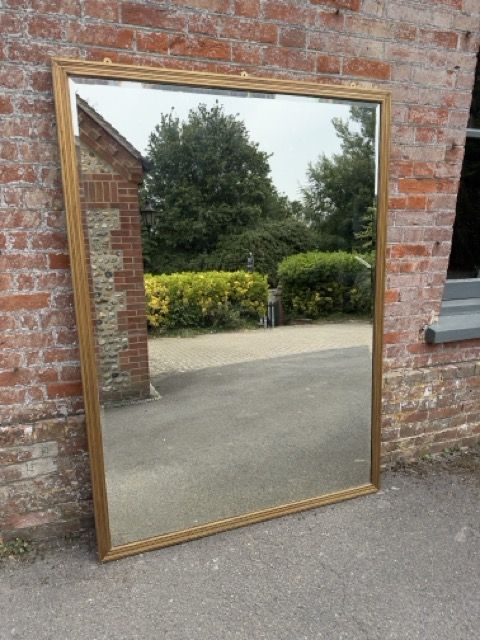
English Giltwood Mirror
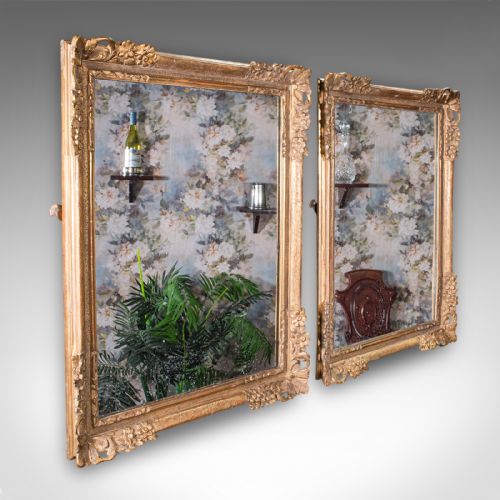
An English giltwood mirror brings warmth, reflection, and historic craftsmanship into a room through carved wooden frames coated in shining gold leaf.
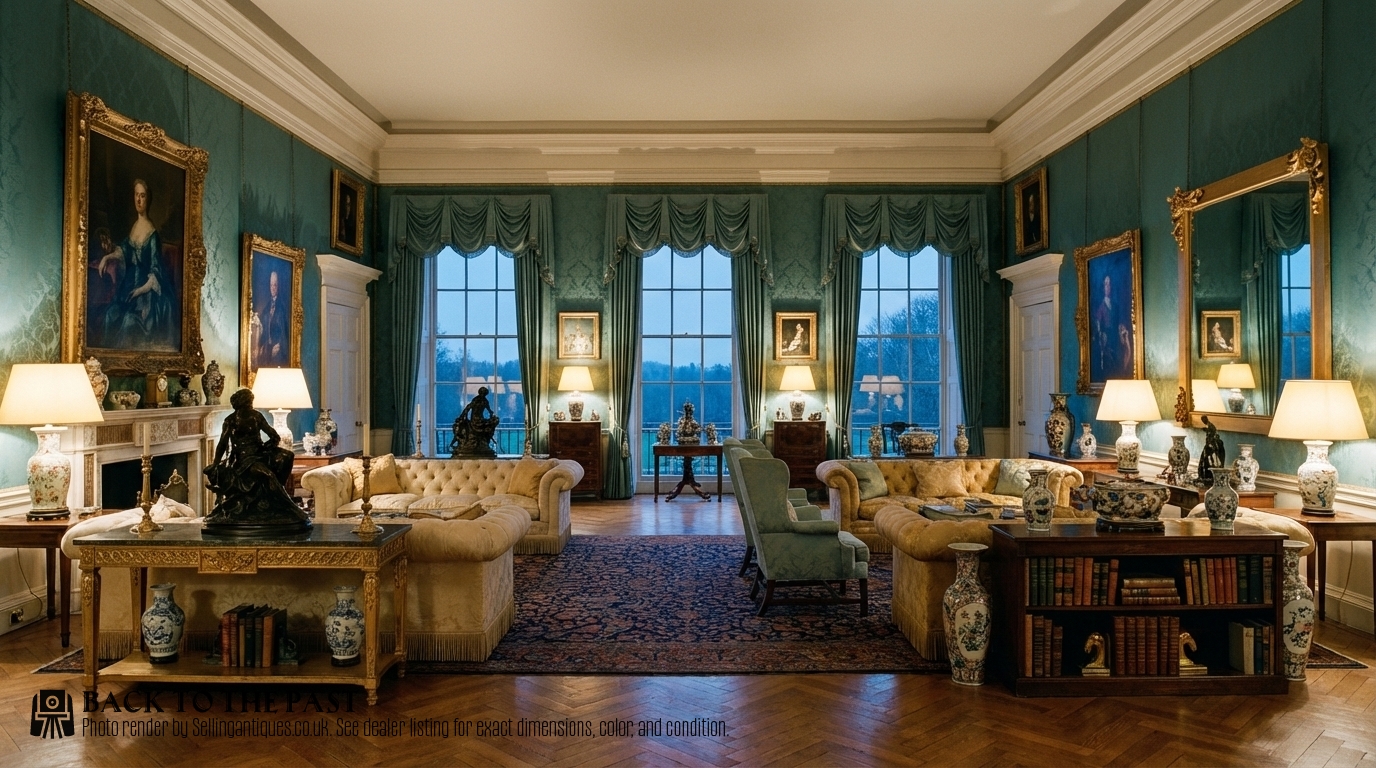
English Giltwood Mirror
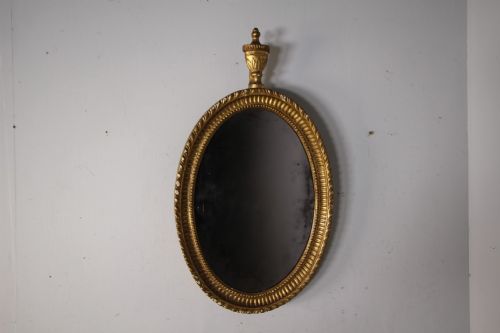
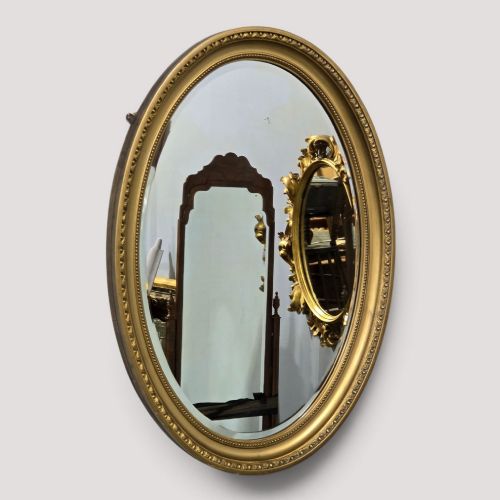
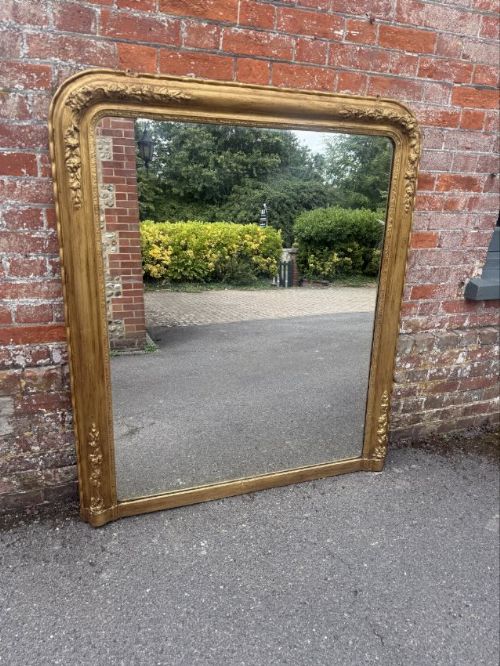
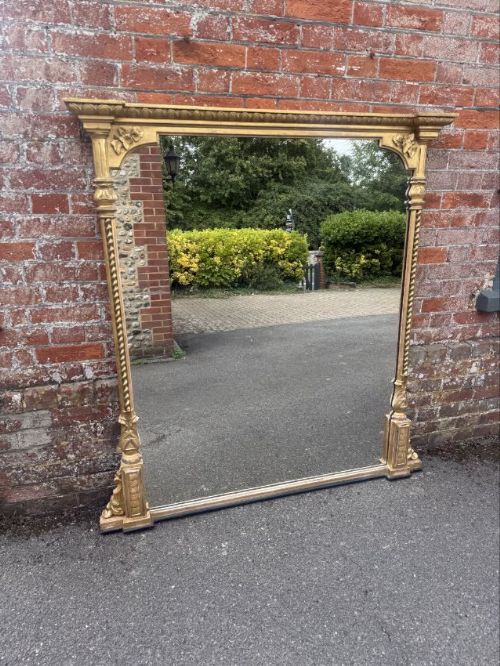
An English giltwood mirror encompasses a range of historic looking glasses designed for walls, piers, and overmantels. These pieces span from the late seventeenth century through the Georgian, Regency, and Victorian periods, showcasing styles from ornate Rococo to structured Neoclassical.
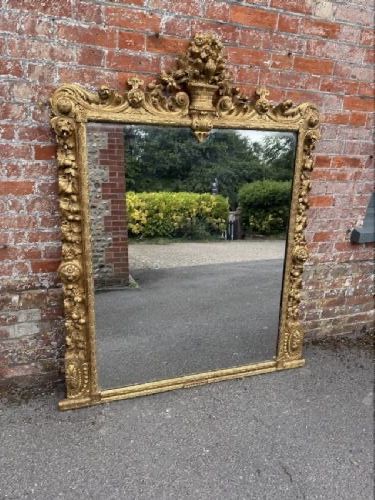
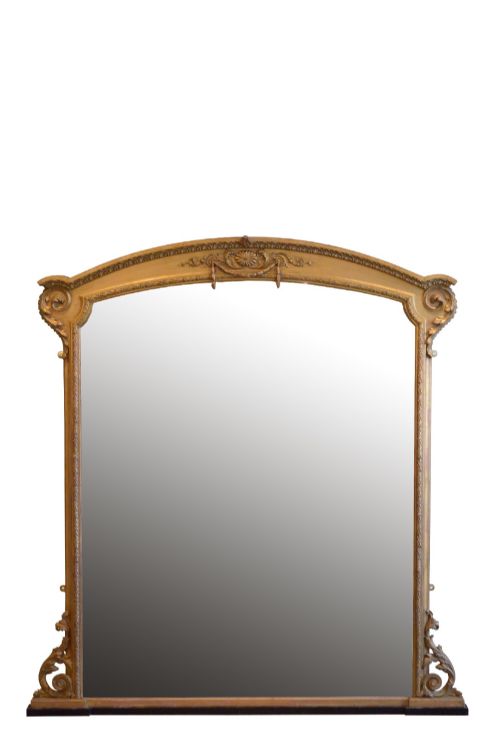
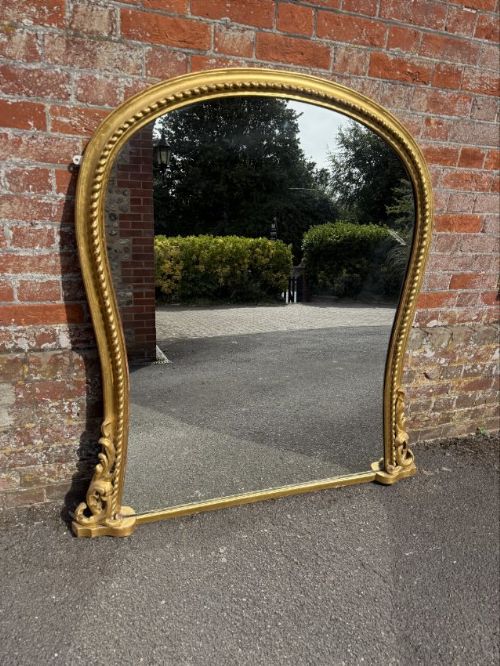
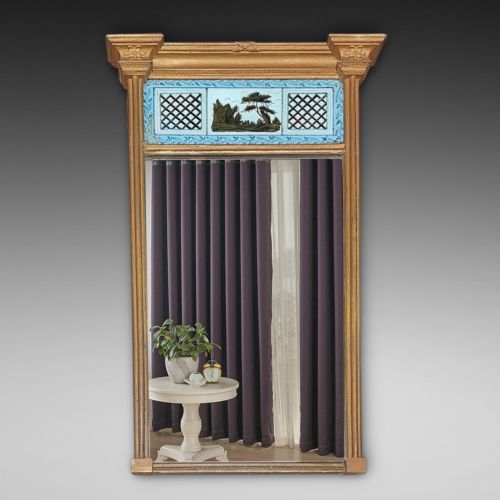
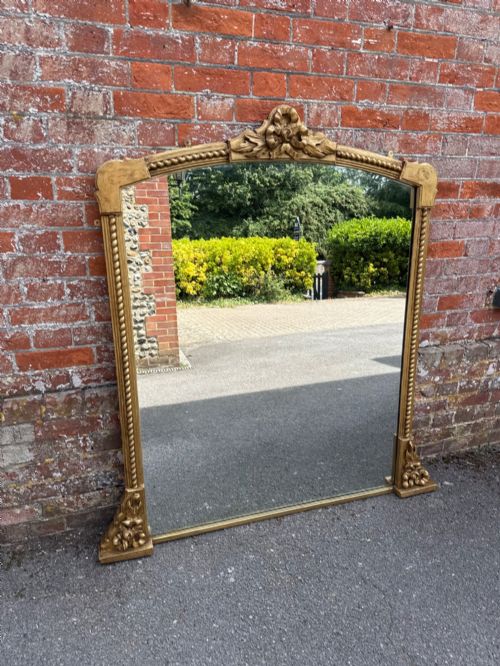
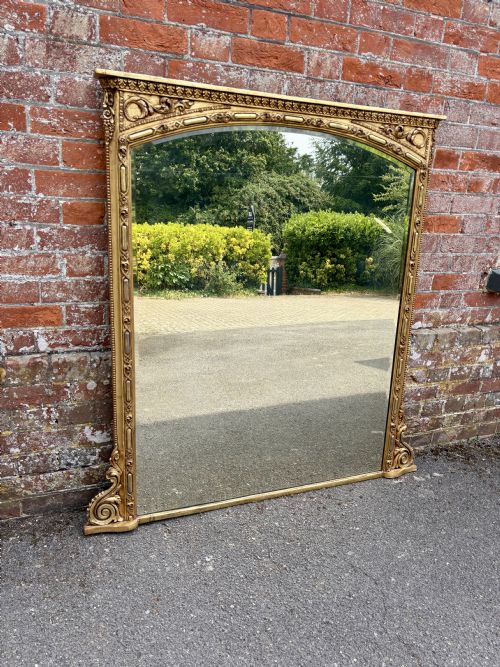
The most common forms found on this page are large nineteenth-century overmantel mirrors featuring arched or shaped tops, alongside vertical pier mirrors and wall-hanging ovals. They reflect centuries of interior design shifts, serving originally as functional light reflectors and grand decorative focal points in English country houses and town residences.
How They Were Made
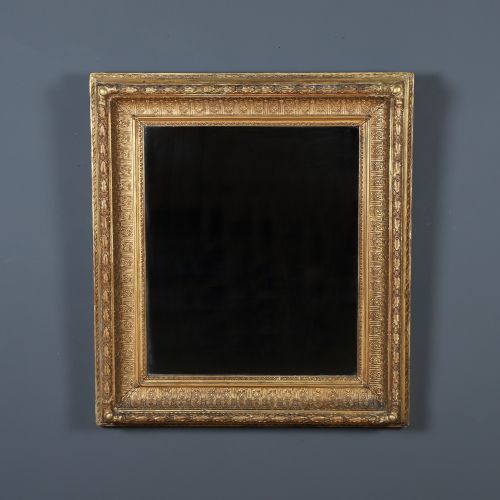
Craftsmen built the underlying structures utilising carved wood such as pine or hardwood, applying layers of gesso to create smooth surfaces for detailed ornamentation. Moulded composition material frequently reinforced complex motifs like rope twists, ribbed columns, and floral framing.
Artisans then applied thin sheets of gold leaf or oil gilt directly onto the prepared surface, sealing the reflective glass plates within the elaborate frames.
English Giltwood Mirror Retail Price Guide 2026
Typical asking prices for english giltwood mirror among the pieces listed under this phrase on Sellingantiques today, from the lower quarter to the upper quarter. They describe what is for sale here now, not the wider market.
Some nineteenth-century mirrors wear festive winter disguises or nautical motifs, bringing unexpected coastal tastes into the parlour.
What Varies in Quality
The standard of an English giltwood mirror depends heavily on the depth and crispness of the hand-carved woodwork versus moulded composition ornaments. Superior examples display intricate, finely executed details in the gesso and woodwork that retain their structural integrity over centuries.
The preservation of the original gilding and the character of the mirror glass itself, such as natural foxing or original silvering, also distinguish finer specimens from later or heavily restored alternatives.
The English Giltwood Mirror Glossary
- Giltwood
- Wood that has been coated with gold leaf or metal leaf. This traditional finish provides a luminous, durable surface characteristic of fine historic frames.
- Gesso
- A plaster-like mixture applied to wood frames to create a smooth base for carving and gilding. It allows artisans to shape intricate relief ornamentation.
- Overmantel Mirror
- A large mirror designed to hang specifically above a fireplace mantel. These horizontal formats often feature arched or triptych configurations to fill expansive wall spaces.
- Pier Mirror
- A tall, narrow mirror created to hang on the wall space between windows. They frequently paired with matching console tables in Georgian and Regency interiors.
- Foxing
- Small dark spots or discolouration patches that develop on antique mirror glass over time. This chemical ageing process proves authenticity and adds historic character to the reflection.
- Verre Eglomise
- A historic technique of cold painting and gilding on the reverse side of glass panels. It frequently appears in upper sections of Regency pier mirrors.
English Giltwood Mirror: Frequently Asked Questions
Where should I hang an overmantel mirror?
These large mirrors traditionally sit directly above a fireplace mantel to anchor the room's main reception wall. Their wide proportions reflect ambient light and visually expand the living space.
Ensure the wall anchors securely support the substantial weight of the carved wood and glass construction.
How do I identify a Regency period mirror?
Regency pieces often display strict Neoclassical symmetry, convex circular plates with eagle surmounts, or verre eglomise panels. Look for architectural elements like reeded columns and classical motifs.
These mirrors date roughly from the early nineteenth century and reflect a distinct shift toward Greco-Roman revival styles.
What is the difference between gesso and carved wood?
Carved wood forms the primary structural core of the frame, shaped directly with gouges and chisels. Gesso acts as a smooth plaster surface applied over the wood to hold delicate relief details.
Finer antique pieces rely more heavily on deep hand-carving rather than moulded composition applied over gesso.
Should I clean foxed mirror glass?
Foxed plates show natural age spots and chemical oxidation that collectors prize as evidence of great antiquity. Cleaning or replacing the original glass removes the authentic historic character of the piece.
Gentle dusting of the giltwood frame suffices for ongoing maintenance without disturbing the delicate gold leaf.