
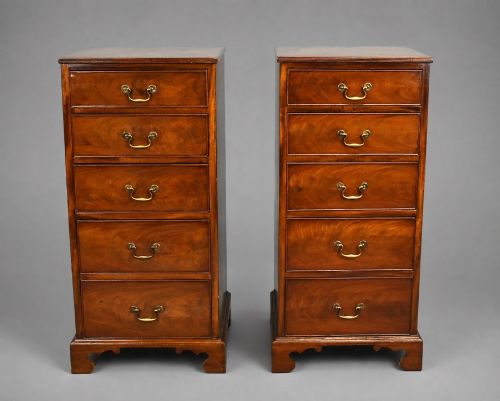
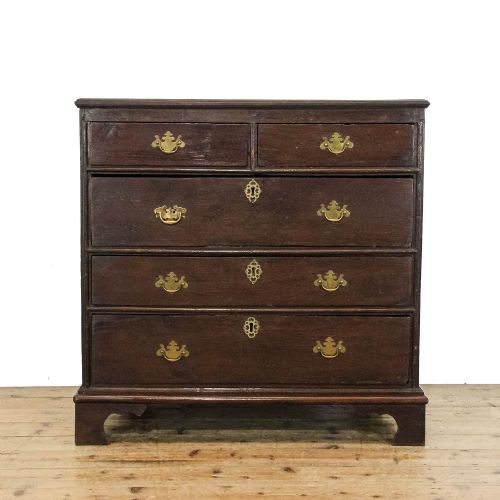
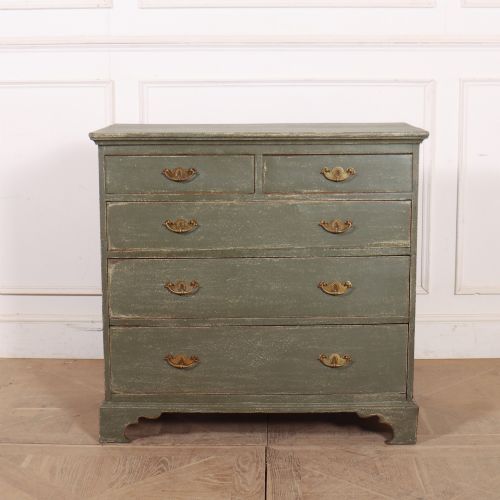
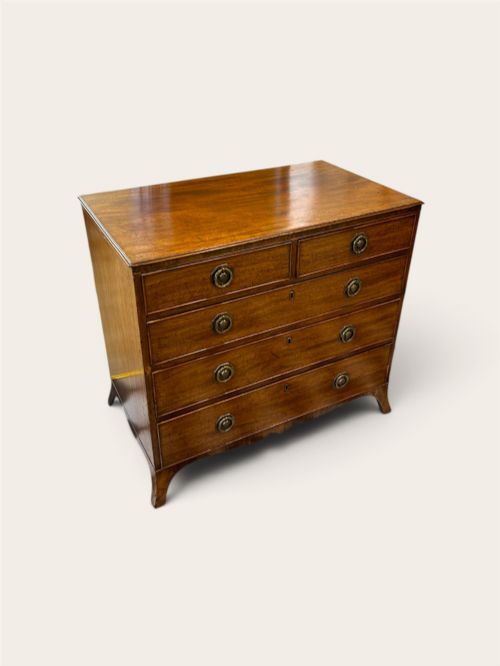
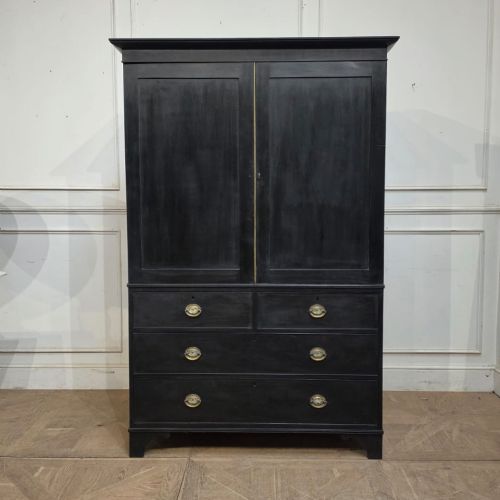
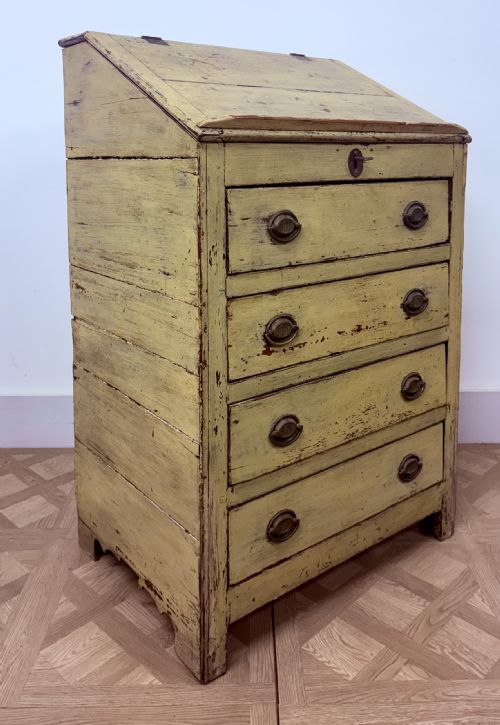
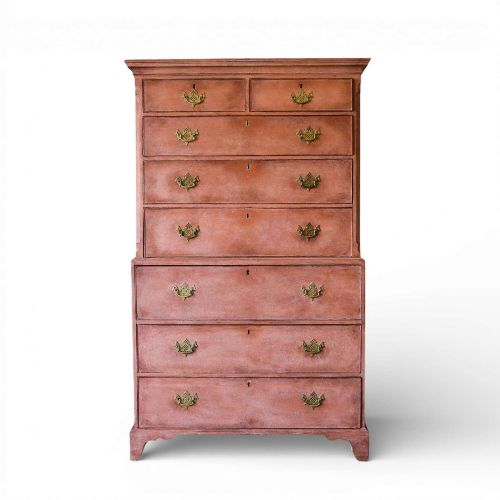
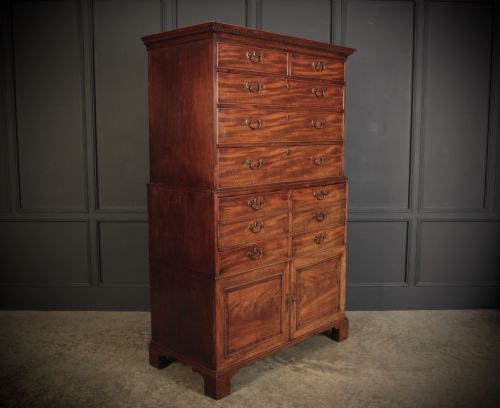
English Georgian Tallboy
An english georgian tallboy brings soaring vertical storage and rich 18th-century cabinetmaking directly into a modern bedroom.
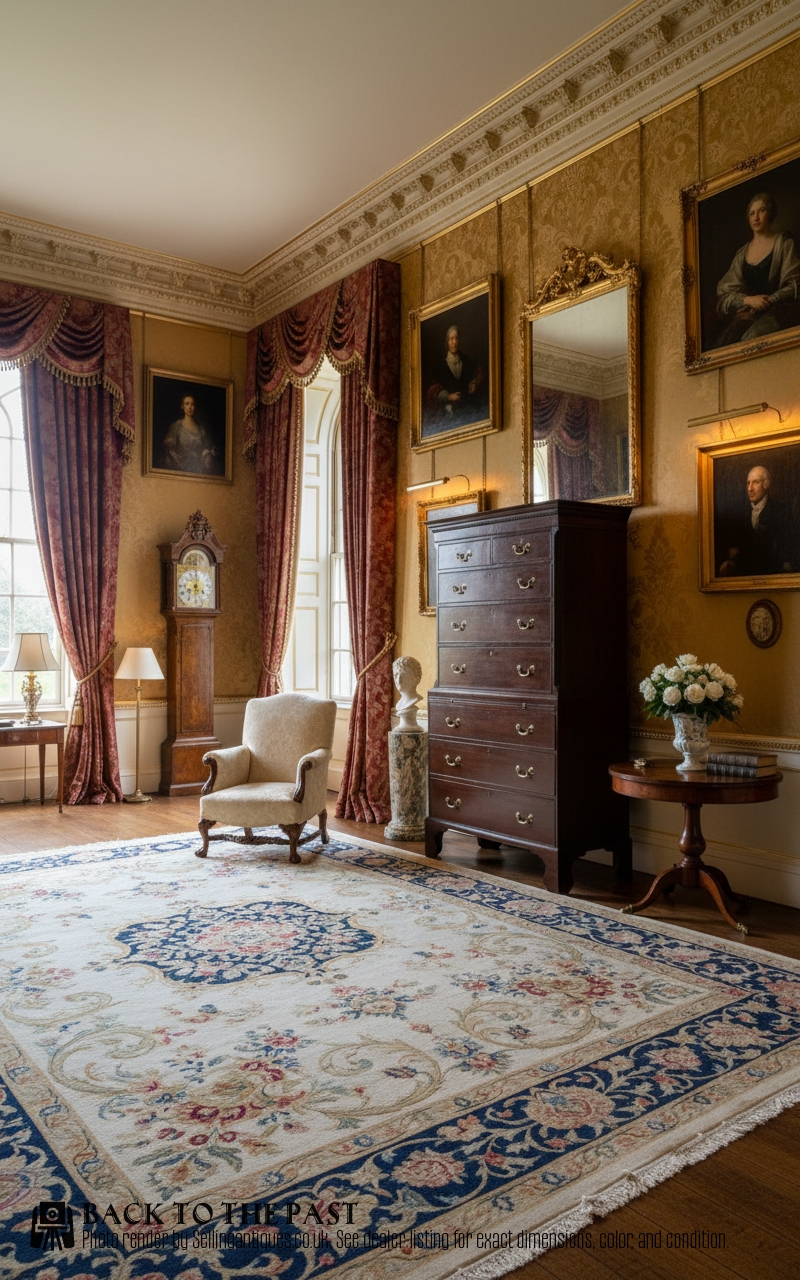
English Georgian Tallboy
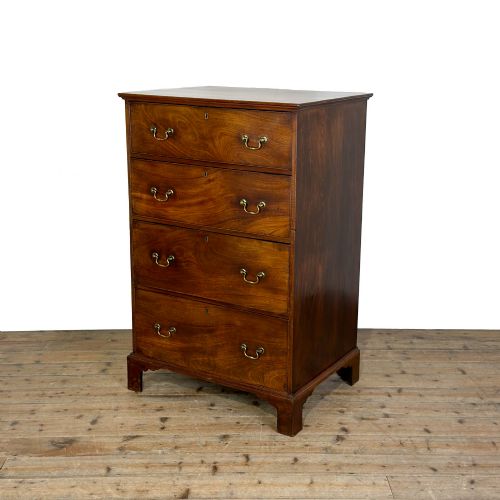
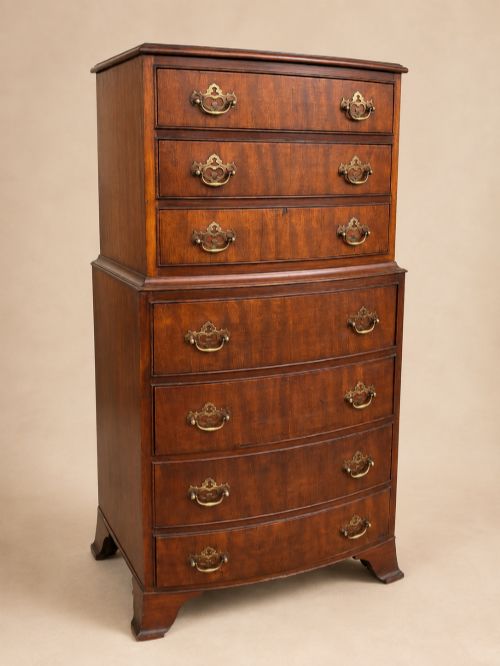
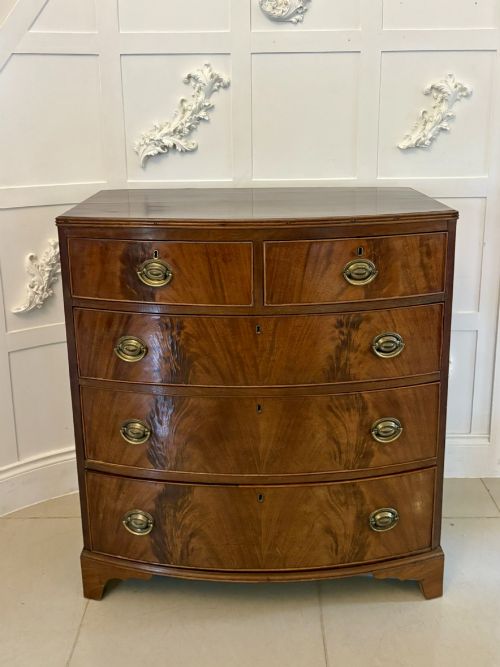
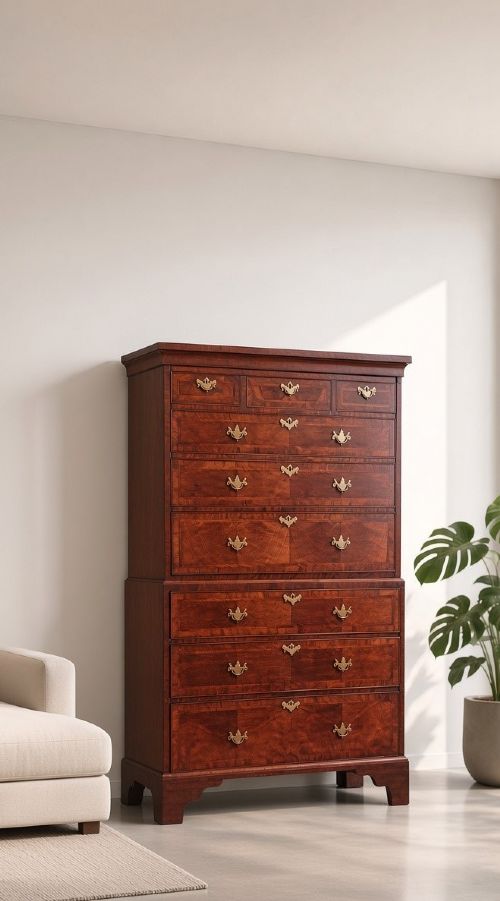
An english georgian tallboy is typically constructed as a chest on chest, stacking a smaller set of drawers directly upon a wider base to maximise storage without claiming excessive floor space. These pieces bridge domestic utility and formal proportion, emerging primarily from the 18th century during the reigns of the Georges and Queen Anne.
The form evolved through the period from simple walnut and oak country pieces to refined Chippendale mahogany designs with intricate cornices. While the majority originate in the 1700s and 1800s, later revival pieces from the early 20th century also appear across the listings.
How They Were Made
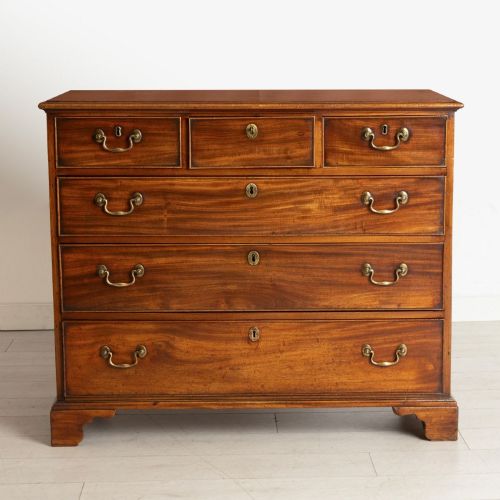
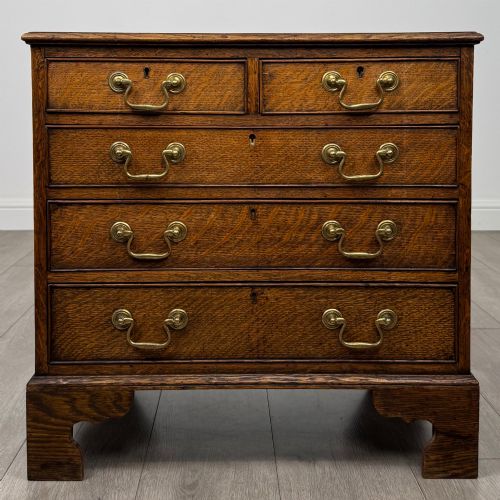
Cabinetmakers relied on dense timber stocks, predominantly utilising figured mahogany, walnut and structural oak, frequently enhanced with cross-banding or feather-banded borders. Drawer construction typically employed hand-cut dovetails, paired with sturdy oak secondary woods for drawer linings and carcase backs.
Hardware details such as cast brass drop handles and escutcheons were fitted to punctuate the figured grain of the primary facades. Surface finishes ranged from polished natural hardwoods to traditional painted or scumble-glazed treatments found on vernacular pieces.
Listings feature oak, mahogany and walnut examples spanning the 18th and 19th centuries, alongside early 20th-century revival pieces.
What Varies in Quality
The distinction between standard examples and the finest pieces rests upon the selection and matching of timber veneers, such as highly figured burr walnut or golden mahogany. Master craftsmen demonstrated their skill through continuous grain patterns across drawer fronts and delicate moulding work along the cornice.
Proportion and structural integrity also separate regional workshop output from high-style urban cabinetmaking. Superior examples retain their original brass hardware, uncompromised carcase joints and deep, well-figured drawer linings that glide true.
The English Georgian Tallboy Glossary
- Tallboy
- A tall chest of drawers, frequently built as a chest on chest where a smaller upper section sits atop a larger lower chest.
- Chest on chest
- A two-part storage unit stacked vertically, allowing greater capacity while maintaining a compact footprint in a bedroom.
- Secretaire
- A desk drawer equipped with a drop-front writing surface that conceals small pigeonholes and internal letter drawers.
- Cross-banding
- A decorative border technique where narrow strips of veneer are applied so the grain runs perpendicular to the surrounding wood.
- Feather-banding
- A delicate inlay method using veneer slices arranged in a V-shape pattern to frame drawer faces and cabinet doors.
English Georgian Tallboy: Frequently Asked Questions
Where should I place an english georgian tallboy?
These imposing pieces demand adequate vertical clearance and suit bedrooms, dressing rooms or spacious hallways where their height balances the room.
Because they provide substantial vertical storage without occupying a large floor footprint, they work exceptionally well in corners or against long expanses of wall.
How do I distinguish walnut tallboys from mahogany ones?
Walnut pieces generally date from the earlier part of the 18th century, exhibiting rich brown tones and sometimes featuring burr figuring or decorative banding.
Mahogany variants became dominant later in the Georgian period, displaying a denser reddish-brown hue and often supporting crisper carved mouldings and brass hardware.
What is the difference between a tallboy and a standard chest?
A standard chest of drawers stands at waist height, whereas a tallboy stacks an additional set of upper drawers to reach chest-on-chest proportions.
This vertical division into two separate carcases makes them easier to transport despite their overall height.
Did these pieces serve purely for bedroom storage?
While primarily designed for linen and clothing in private chambers, many incorporated secretaire drawers to double as impromptu writing desks.
Gentlemen often utilised the upper compartments for personal documents alongside their everyday wardrobe.