



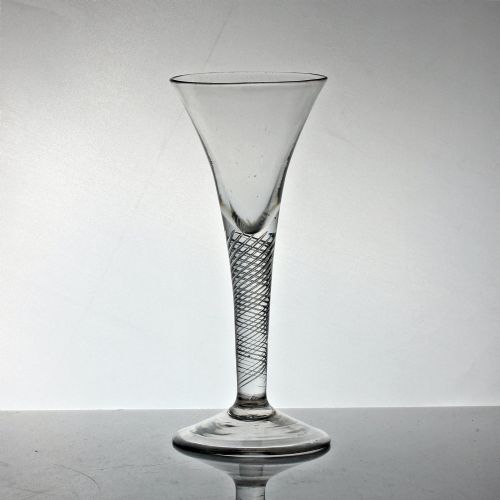
English Georgian Stemware
English Georgian stemware brings eighteenth-century craftsmanship to the table, offering tactile drinking vessels shaped by early lead glass techniques.
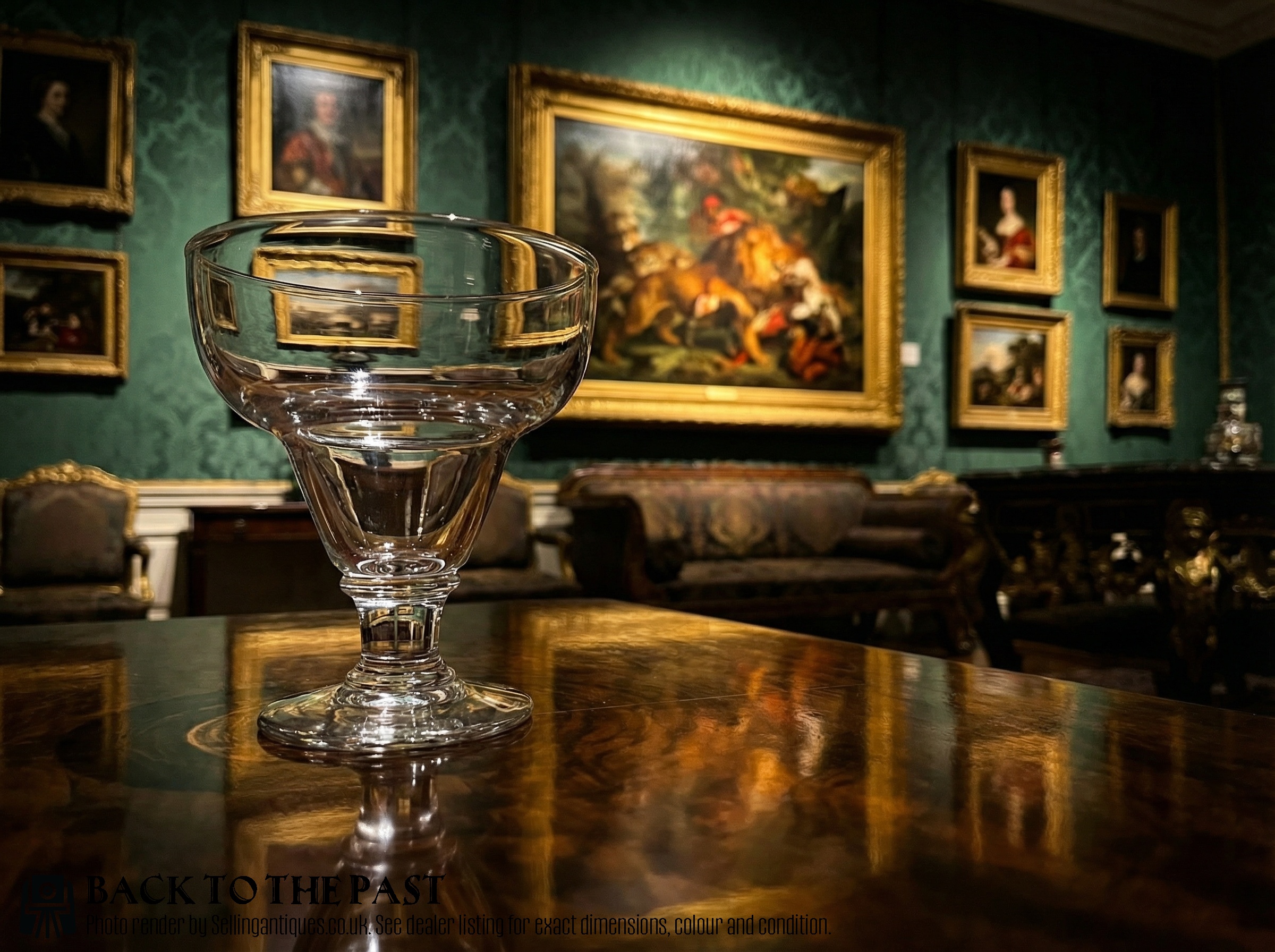
English Georgian Stemware
English Georgian stemware consists of drinking vessels and rummers produced during the eighteenth century and around 1800. These pieces primarily take the form of wine glasses and glass rammers, showing the changing domestic habits of the period.
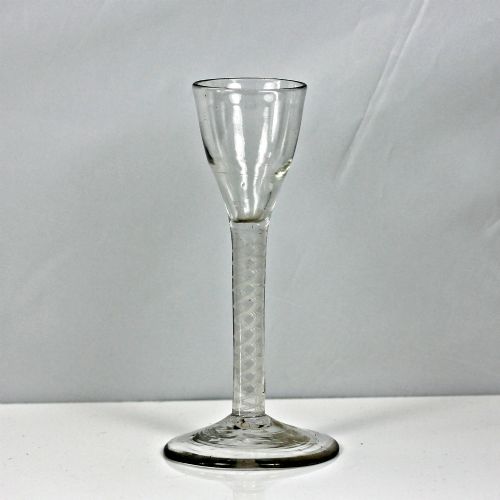
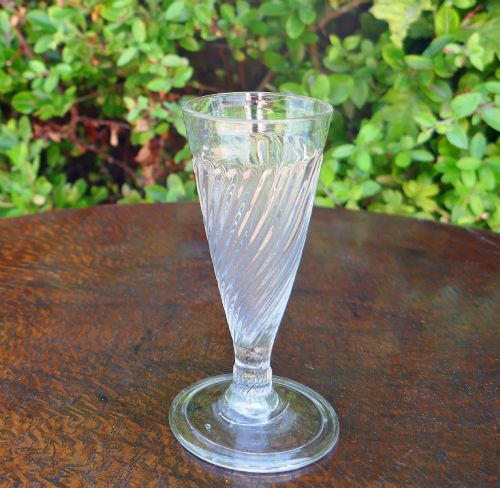
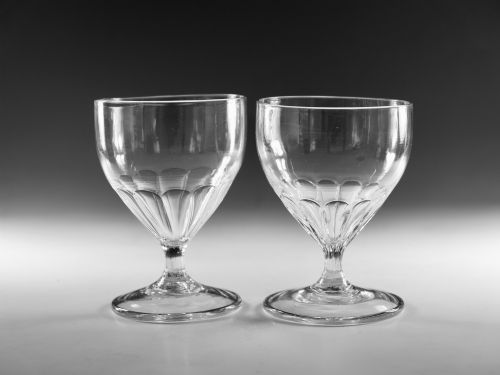
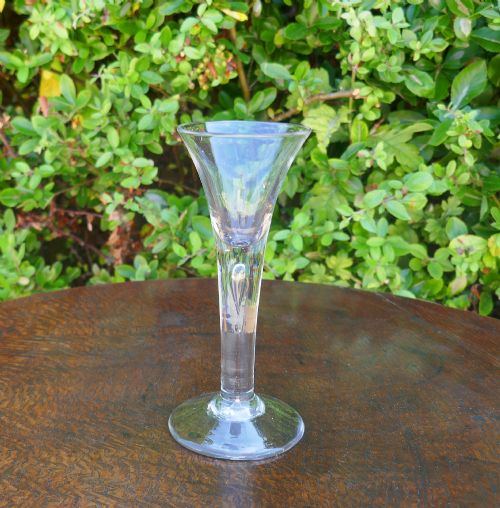
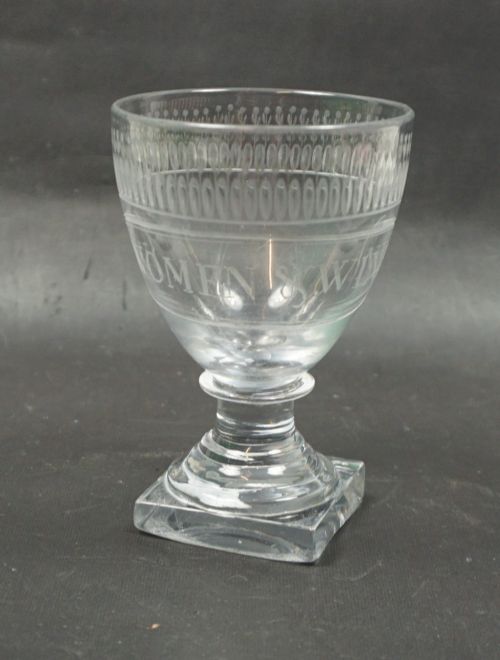
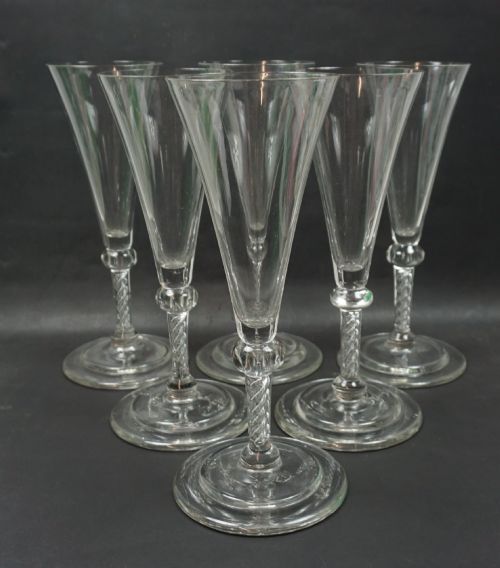
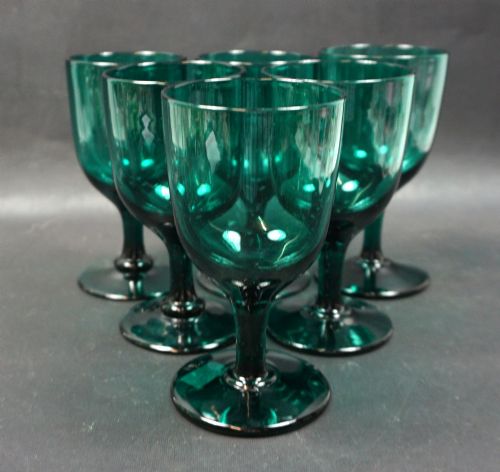
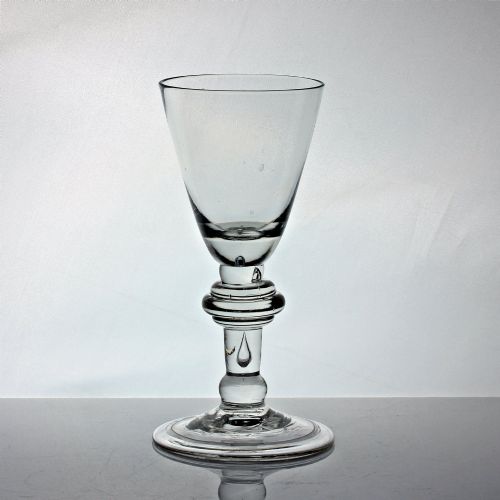
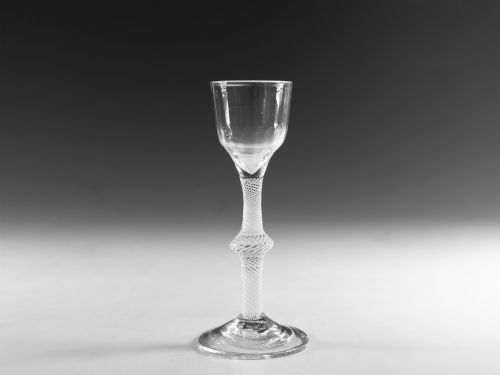
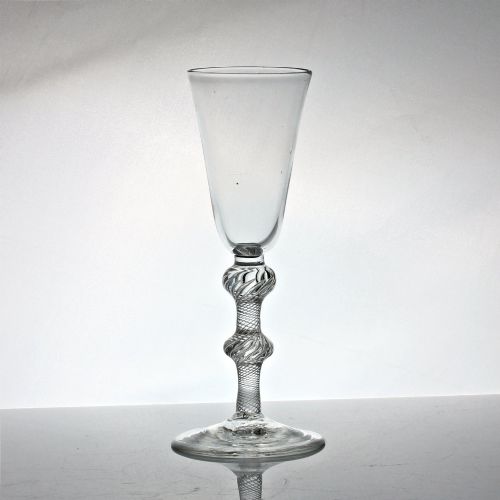
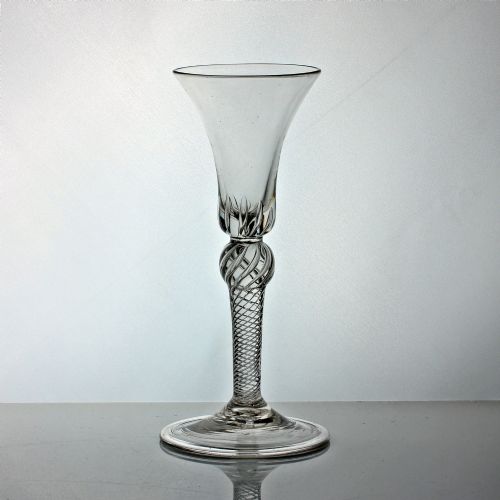
The pieces on this page span several decades of Georgian production. Examples range from early balustroid stems through air twist stems to later facet cut designs and substantial pan top rummers.
How they were made
Makers utilised lead crystal, lead glass, flint glass, and clear glass to achieve clarity and weight in these drinking vessels. Hand-blown lead glass formed the basis of these items before workshops applied decorative treatments.
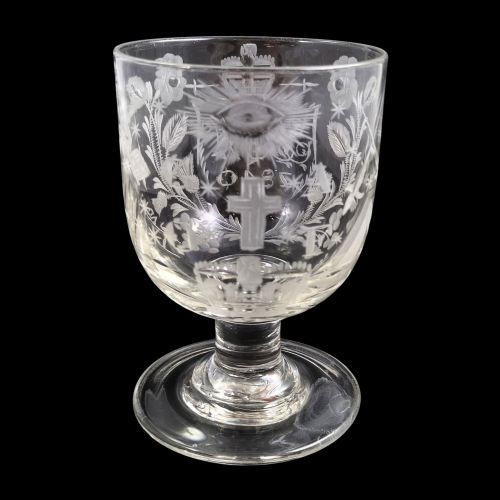
Craftsmen shaped the molten material into knopped stems, air twists, and facet cuts. Engraving was sometimes added to the surface, as seen on pieces decorated with specific inscriptions.
English Georgian Stemware Retail Price Guide 2026
Typical asking prices for english georgian stemware among the pieces listed under this phrase on Sellingantiques today, from the lower quarter to the upper quarter. They describe what is for sale here now, not the wider market.
Listings feature items entirely from the Georgian period, spanning the eighteenth century and around 1800.
What varies in quality
Quality separates simple utility pieces from ambitious sculptural forms through the complexity of the stem work. Elaborate air twists and detailed facet cutting demand greater skill from the glassblower than plain stems.
The weight and substance of the metal also define the hierarchy of these objects. Substantial pan rummers demonstrate a different ambition compared to delicate wine glasses, while crispness of engraving elevates individual examples.
The English Georgian Stemware Glossary
- Lead glass
- A heavy, brilliant glass formulation containing lead oxide that replaced traditional soda glass. This material allowed for deeper cutting and greater optical clarity.
- Air twist
- A decorative stem formation containing elongated spiral bubbles trapped inside the glass. These threads run down the length of the stem through manipulation while hot.
- Balustroid
- A stem style derived from architectural balusters, featuring a swelling knop above a tapering lower stem. This form was popular in mid-eighteenth-century drinking vessels.
- Pan rummer
- A large, robust drinking glass with a bucket or pan-shaped bowl set on a short foot or stem. These substantial vessels were typically used for rum or punch.
- Facet cut
- Geometric surface cutting applied to stems or bowls to catch the light. This technique became prominent in the later eighteenth century.
English Georgian Stemware: Frequently Asked Questions
What is English Georgian stemware?
English Georgian stemware comprises drinking glasses and rummers produced during the eighteenth century and around 1800. These pieces reflect the prevailing glassmaking styles and domestic customs of the Georgian era.
The selection includes various forms such as wine glasses and large rummers. Each piece demonstrates period-specific techniques in glass blowing and stem formation.
What is an air twist stem?
An air twist stem contains spiral threads of tiny bubbles running through the clear glass. Makers created these effects by drawing and twisting the metal while it remained hot.
This technique required precise temperature control during the blowing process. The resulting optical effect adds movement to the slender stem.
How were glass rummers used?
Glass rummers served as robust drinking vessels for spirits, ale, or punch during the Georgian period. Their heavy construction made them practical for everyday tavern or dining table use.
Pan top rummers offer a wide bowl capacity and a sturdy base. They represent the more substantial end of Georgian domestic glassware.
Can I use antique stemware?
Using these glasses requires careful handling due to their age and the delicate nature of lead glass. Hand washing in tepid water without soaking is standard practice for historic tablewares.
Many collectors prefer to keep them for display or occasional ceremonial use. Proper care ensures the glass survives for future generations.